
Northern Europe
Northern Europe
Groix Island Cruise Port Guide: Tender Tips, Things to Do & What to Expect
France
Small island port requiring tender boats to reach the shore.
Choose the Right Port Day
Best Overall
Skip heavy activities. Land at Port-Tudy, spend 2 hrs exploring the village and harbor, take a 1–1.5 hr coastal walk (Pointe de Pen-Men or Pointe de Groix), and return to tender with time to spare. Groix is about atmosphere, not itineraries.
Best Beach
Plage de Scierie (Sand Beach), 15 min walk from Port-Tudy. Sheltered, small, good for a quick dip or picnic. Less dramatic than clifftop walks but practical for limited time.
With Kids
Port-Tudy village exploration (safe, flat, no traffic), ice cream stop, short walk to Pointe de Groix lighthouse viewpoint (30 min round trip), or Plage de Scierie for paddling. Kids tire quickly; avoid long cliff trails in a short port day.
Only 3-4 Hours
Take the tender straight to Port-Tudy (10–15 min), walk the village and harbor (30 min), then hike the Pointe de Pen-Men clifftop trail (1–1.5 hrs) for Atlantic views. Grab a crêpe or coffee at a waterfront café on return. Budget 30–40 min tender wait.
Cheapest Option
Tender only (included or small fee via cruise line). Walk the village free. Picnic supplies or a simple café meal (€8–15). No paid attractions needed.
What To Avoid
Don't plan multiple timed shore excursions or expect developed tourist infrastructure. The island has no car rentals, minimal signage in English, and few restaurants; misplaced excursion bookings leave you stranded. Avoid assuming you can cover multiple villages—the island is small and walking is the only option.
Quick Take
- Port Type
- Scenic Tender Port
- Best For
- Small-ship cruisers seeking authentic Breton island character, coastal walks, and minimal-infrastructure exploration.
- Avoid If
- You need shops, restaurants, or multiple activities; prefer direct dock access; or dislike tender logistics.
- Walkability
- Excellent on-island once ashore. Compact village center and clifftop trails are pedestrian-friendly. No vehicle traffic in the port area.
- Budget Fit
- Low to moderate. Island is not touristic; meals and supplies are simple and inexpensive.
- Good For Short Calls?
- Good. Tender turnaround time (30–40 min round trip) eats into a half day, but a focused 3–4 hour visit is realistic.
Top Things To Do
1
Pointe de Groix Lighthouse & Clifftop Walk
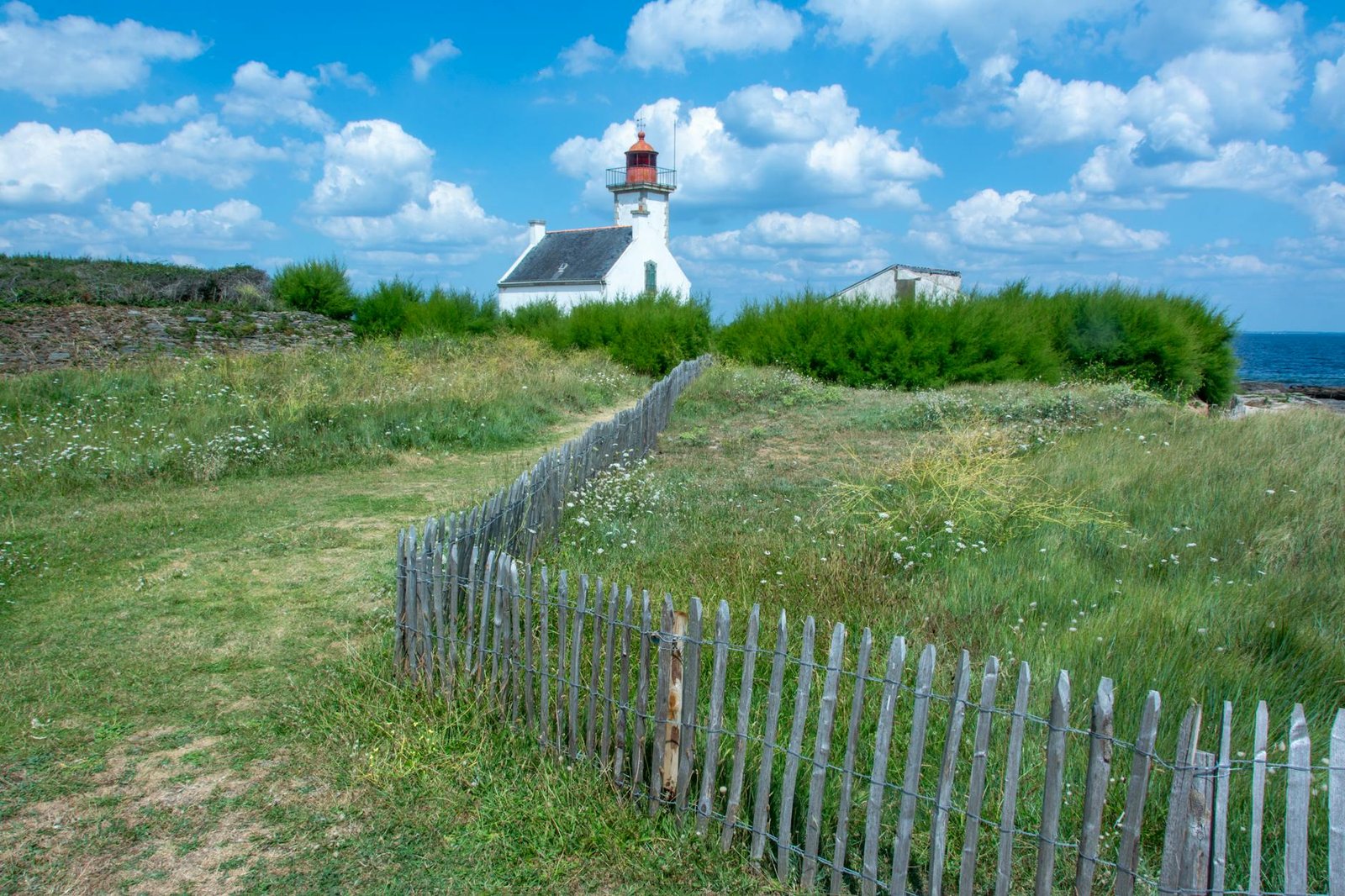
The iconic lighthouse perches on Groix's easternmost point, surrounded by dramatic granite cliffs and Atlantic views. A marked trail loops the headland (1.5–2 hrs round trip from village); moderate but rewarding. The lighthouse is not open to visitors, but the overlook is stunning.
2
Port-Tudy Harbor & Village Exploration
Walk the working fishing harbor, observe boats and nets, and explore the small village square and streets. Stop at a local café for coffee or a crêpe. Authentic, low-key, no crowds. This is where Groix's character lives.
3
Pointe de Pen-Men Coastal Trail
A scenic clifftop walk on the island's western side, less crowded than Pointe de Groix but equally dramatic. Jagged rocks, seabird colonies, and Atlantic swells create a wilder, more exposed feel. Trail is 1–1.5 hrs round trip from village.
Show 1 more thing to do in Groix Island
4
Plage de Scierie (Sand Beach)
Groix's only sandy beach, sheltered in a small cove. Safe for swimming, good for paddling and picnicking, but small and simple. Lifeguards present in summer. No facilities.
Book with the ship, or on your own?
Booking independently
- Often noticeably cheaper than the ship’s version of the same tour.
- Smaller groups and local operators, with traveler reviews you can read before you pay.
- Free cancellation on most tours, usually up to 24 hours before.
When the ship’s excursion makes sense
- Short port calls or long transfers where the timing is tight.
- Tender-only stops where getting ashore can run late.
- The ship waits for its own delayed excursions — it won’t wait for independent ones, so leave a buffer before all-aboard.
We may earn a commission when you book through our links, at no extra cost to you — it’s how we keep these guides free.
Check The Port Traffic
Cruise Ships in Port
Once you have your shore plan, use the schedule to see how busy the harbour will be on your date, plus the ships, lines, and published call windows.
Sun
Mon
Tue
Wed
Thu
Fri
Sat
1
2
3
4
5
6
7
8
9
10
11
12
13
14
15
16
17
18
19
20
21
22
23
24
25
26
27
28
29
30
Quiet (1–2)
Busy (3–4)
Packed (5+)
0 scheduled calls
September 20, 2026
No scheduled cruise ship calls were found for this date selection. Pick a highlighted day on the calendar above, widen the range, or search for a different ship or line.
Port Overview
Groix is a small, car-free Breton island off the coast of Lorient in northwestern France. Ships anchor offshore, and tenders ferry passengers to Port-Tudy, a working fishing harbor with a village of roughly 2,000 year-round residents. There are no resorts, theme parks, or heavy tourism infrastructure—this is a working island, and that is the appeal. Most cruisers on Ponant, Windstar, and Seabourn itineraries come for coastal walks, authentic village atmosphere, and a break from port commercialism. A half-day port is realistic but requires honest assessment of tender time; a full day allows deeper island exploration. Go ashore if you value quiet, landscape, and Breton culture over organized shore excursions. Skip Groix if you need shops, restaurants, or structured activities.
Is It Safe?
Groix is very safe. Crime against tourists is virtually nonexistent. The island is quiet, family-friendly, and locals are accustomed to cruise visitors in small numbers. Walking alone, day or evening, poses no real risk. Weather is the main hazard: Atlantic swells can shut down tenders; wind can make clifftop trails exposed; check conditions before planning long walks. The rocky coastline is dramatic but not fenced; stay on marked trails. Mobile coverage is reliable; emergency services respond quickly if needed.
Accessibility & Walkability
The village center and Port-Tudy quay are flat and wheelchair-accessible. The main walking trail from the harbor to the village (15 min) is paved and level. Most restaurants and cafés have ramped or level entry. Coastal trails (Pointe de Pen-Men, Pointe de Groix) are uneven, steep in places, and not wheelchair-accessible. Tender boarding can be challenging for those with mobility issues; discuss accessibility with your cruise line in advance, as rough seas may prevent safe transfer.
Outside the Terminal
Port-Tudy is a small, working fishing harbor. Expect a modest stone quay, a few moored boats, and a small village square with a café or two immediately visible. There is no formal terminal building, gift shop, or tourist office. The first 10 minutes feel quiet and authentic—you'll see locals, smell the sea, and notice the absence of cruise infrastructure. ATM and a small general store are a 5-min walk up the village street. This is intentionally low-key; lean into it.
Beaches Near the Port
Plage de Scierie
Groix's only sandy beach, small and sheltered. Clean, safe for swimming, good for families. Lifeguards present June–September. No equipment rental or facilities; bring your own towel.
Local Food & Drink
Groix has no chain restaurants or tourist menus. Expect small cafés and crêperies clustered around Port-Tudy village square. Typical meals: crêpes (€5–10), café au lait with pastry (€4–8), simple sandwiches (€6–10), and occasional fish stew or local specialties (€12–18). Quality is good; portions are modest. Hours are tied to fishing schedules and local life, not cruise arrivals; some places may close mid-afternoon. There is one small general store for bottled water and snacks, but no supermarket. Bring cash; not all cafés take cards. Picnicking with supplies bought in Lorient (before tendering over) is a smart backup.
Shopping
Groix is not a shopping destination. There is a single small general store near the harbor (groceries, water, basic supplies) and a few souvenir stands selling postcards and local crafts—nothing more. No boutiques, duty-free shops, or chain stores. If shopping is a priority, visit Lorient (the mainland port city) before or after island time. The absence of commercialism is the point; don't expect retail.
Money & Currency
- Currency
- Euro (EUR). 1 EUR ≈ 1.10 USD (approximate).
- USD Accepted?
- No
- Card Payments
- Cards accepted at larger cafés; many small vendors and the general store prefer cash. Assume cash-only for simplicity.
- ATMs
- One ATM near the village square, ~5 min walk from Port-Tudy quay. Withdraw cash upon arrival if possible.
- Tipping
- Not expected in cafés or shops; rounding up or a few euros is appreciated but not customary.
- Notes
- Groix is cash-heavy. Arrive with euros or use the ATM immediately. Card-heavy travelers may struggle.
Weather & Best Time
- Best months
- June–September (warmest, calmest seas, longest daylight). May and October are pleasant but cooler and windier.
- Avoid
- November–February (short days, frequent swell, high wind, cold). Tenders shut down in rough conditions.
- Temperature
- Summer (June–Aug): 15–18°C (59–64°F) air, 16–17°C (61–63°F) sea. Spring/fall (May, Sept–Oct): 10–14°C (50–57°F) air.
- Notes
- Atlantic weather is unpredictable. Strong swell can cancel tenders without notice. Bring a windproof jacket even in summer. Paths are slippery in rain; wear grip-soled shoes.
Airport Information
- Airport
- Lorient–Lann-Bihoué Airport (LRT)
- Distance
- Groix has no airport. Lorient is ~15 km away. Cruise embarkation usually occurs in Lorient; air passengers transit there.
- Getting there
- Ferry from Lorient to Groix (45 min, €12–18 return). Taxi from airport to Lorient ferry terminal (~20 min, €25–40). No direct air-to-Groix route.
- Notes
- Groix is accessible only by ferry or tender. Plan embarkation/disembarkation in Lorient; allow 2–3 hrs for ferry connection.
Getting Around from the Port
Tender
Ships anchor in Groix Roads (baie de Groix), roughly 0.3 nm offshore. Tenders run to Port-Tudy quay. Frequency and capacity depend on sea state and cruise line; expect 30–40 min round-trip wait in total. Tender stops during heavy swell.
Walking
Once ashore at Port-Tudy, the entire island is walkable. Main village and harbor are flat and compact (10–15 min exploration). Clifftop trails (Pointe de Pen-Men, Pointe de Groix) take 1–2 hrs round trip; moderate effort, but well-marked and safe.
Details last checked April 2026
Planning a cruise here?
Ponant, Windstar Cruises, Seabourn & more sail to Groix Island.
Practical Tips for Cruise Passengers
- Tender time eats into port hours. Expect 30–40 min round-trip tender wait; plan a 4-hour port day as 2.5–3 hrs ashore. Book the first tender wave to maximize time.
- Withdraw cash at the ATM in Port-Tudy village immediately upon landing. Most small vendors and the general store accept cash only; cards are unreliable.
- Wear sturdy walking shoes, a windproof jacket, and bring water. Coastal trails are exposed and uneven; benches and shelters are rare. Weather changes fast.
- Skip organized shore excursions unless pre-booked through your cruise line. Independent exploration is safer, cheaper, and more rewarding on a small island like Groix.
Frequently Asked Questions
No. Tenders are suspended in swell over roughly 1.5 m; Atlantic conditions can shut down the port without warning. Check conditions at breakfast and be ready to pivot to alternative activities onboard.
No. Groix has no vehicles, taxis, or organized tours. Walking is the only option. Some guides offer informal island walks; ask locals at the café upon arrival.
Ships anchor at Groix; tenders go directly to the island. Lorient is accessible by ferry from Groix (45 min, €12–18), but a full day ashore is needed to make the journey worthwhile. Most cruisers stay on Groix.
Find cruises to Groix Island, France
Compare sailings and book with no fees — best price guaranteed.
We may earn a commission when you book through our links, at no extra cost to you — it’s how we keep these guides free.
✉ Sailing to Groix Island? Get your port-day plan
Tell us your sail date and we’ll email you a short Groix Island plan about 60 days out — when the good excursions start selling out — plus a final checklist 2 weeks before. Two emails, then done. We’ll send one note to confirm it’s really you — unsubscribe anytime.
Northern Europe
View All
More Northern Europe Ports

Africa & Middle East

Northern Europe

Northern Europe
