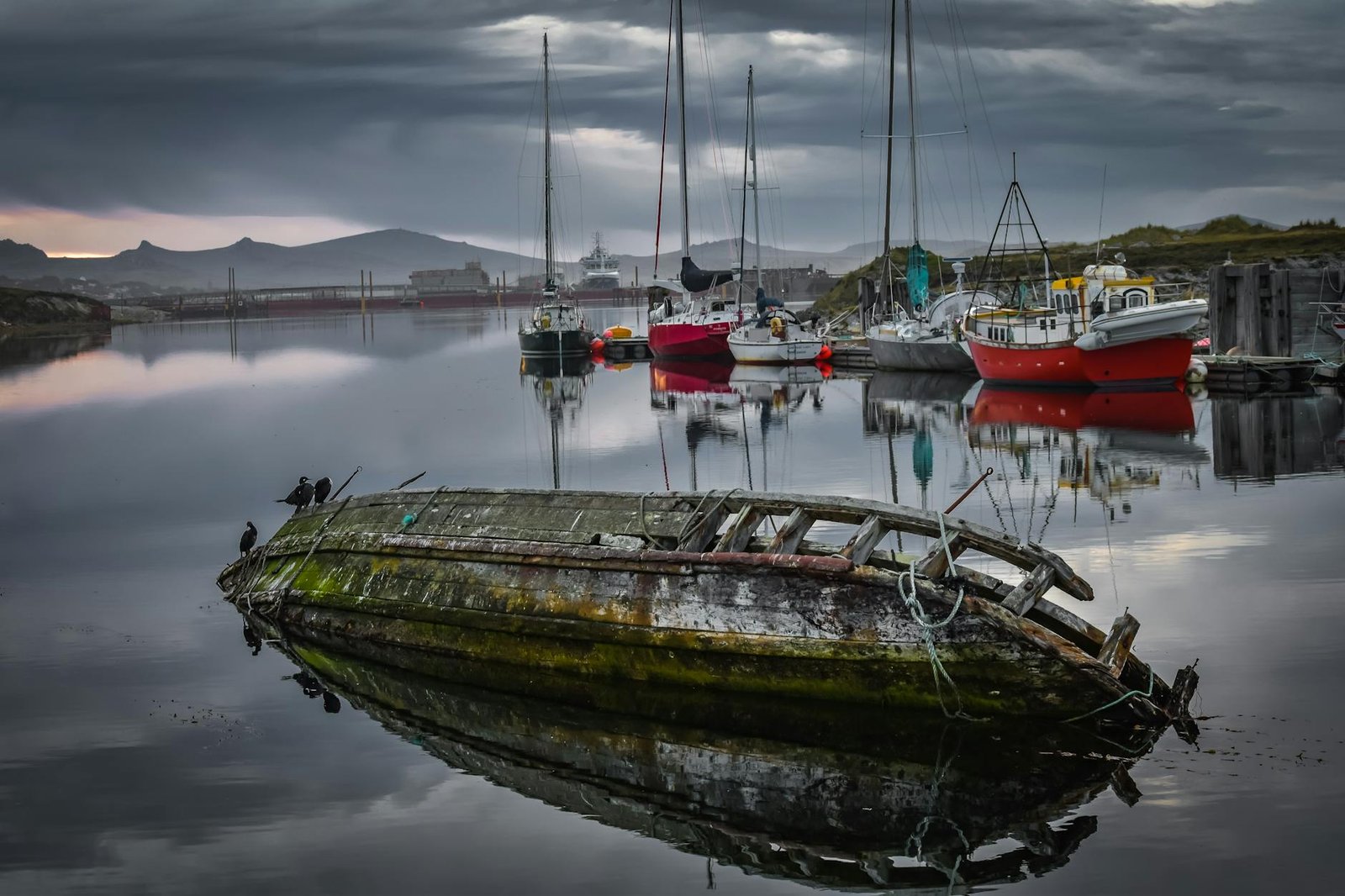
Port Stanley is one of the most remote, raw, and rewarding cruise stops on earth. Expect penguins waddling past rusting shipwrecks, a skyline of colourful tin-roofed houses, and a wilderness that feels genuinely untouched. This is the kind of port that stays with you long after the ship has sailed.
—
Arriving by Ship
Most cruise ships anchor in the outer harbour and tender passengers ashore to the public jetty near the town centre — the process typically takes 15–20 minutes and the tenders run frequently. A small number of expedition vessels can dock directly at the FIPASS (Floating Interim Port and Storage System) facility, about a mile from the main street.
Stanley itself is compact and entirely walkable once you’re ashore, with the main drag, Ross Road, running parallel to the waterfront. Clear your tender ticket early and aim to be among the first waves ashore — days here are precious and short.
—
Things to Do

Stanley punches well above its weight for a town of under 3,000 people. History, wildlife, and wild landscapes all compete for your attention within a very small radius.
History
- Falkland Islands Museum — A genuinely absorbing collection covering the 1982 conflict, early settlement, and maritime history; entrance is around £5 and it’s a short walk from the jetty on Holdfast Road.
- Liberation Monument and 1982 Memorial — Standing on Ross Road waterfront, this is a moving tribute to the British forces; free to visit and takes about 20 minutes.
- Whalebone Arch — An iconic photo stop on Ross Road made from the jaw bones of two blue whales, erected in 1933; completely free.
- Historic Shipwrecks — The rusting hulks of 19th-century sailing vessels visible from the shore are hauntingly photogenic; the Lady Elizabeth wreck in Whalebone Cove is the most accessible.
Wildlife
- Volunteer Point Penguin Colony — One of the world’s largest king penguin colonies, roughly 90 minutes from Stanley across open moorland; this is a bucket-list experience. 🎟 Book: Volunteer Point in Falkland Islands
- Penguins, Elephant Seals and Island Highlights — A guided 6.5-hour tour combining multiple wildlife hotspots including Gentoo and Magellanic penguin colonies with elephant seal beaches. 🎟 Book: Penguins, Elephant Seals and Island Highlights at Falkland Is.
- Gypsy Cove — A stunning white-sand beach just 4 miles from town with Magellanic penguins nesting in burrows along the clifftops; accessible by taxi for around £15 return.
Exploring Further
- Private Minibus East Falkland Tour — If you want to see more of the island’s rugged interior, moorland, and wildlife beyond what you can walk to, a private minibus tour is excellent value and highly flexible. 🎟 Book: Explore East Falkland Islands with Private Minibus Tour
- Christ Church Cathedral — The southernmost Anglican cathedral in the world, built in 1892, with beautiful stained glass; free to enter and located right in town.
—
What to Eat
Stanley has a small but surprisingly solid dining scene, with locally caught seafood and Falklands lamb the undisputed stars. Don’t expect fine dining — do expect hearty, honest food served with warmth.
- Falkland Islands mullet — A local sea fish, pan-fried or smoked, found at the Shorty’s Diner on Dean Street; mains from around £12.
- Falklands lamb — Grass-fed on open moorland and utterly delicious; try it as a roast or chop at the Malvina House Hotel restaurant, mains £15–22.
- King crab — When in season, this is a must-order; available at several local eateries, expect to pay £14–18 for a generous portion.
- Upland goose pie — A traditional Falklands dish, gamey and rich; occasionally found on pub menus at the Globe Tavern on Crozier Place.
- Cake and coffee at the Waterfront Café — A beloved local stop for warming up between sights, with excellent homemade cakes from around £4.
—
Shopping

Stanley has a handful of gift shops and craft outlets clustered around Ross Road and the town centre, and they’re genuinely worth browsing. The best buys are locally made woollen goods — hand-knitted jumpers, scarves, and blankets using Falklands fleece are high quality and far more meaningful than generic souvenirs.
Look out for locally produced artwork, penguin-themed ceramics, and commemorative 1982 conflict memorabilia. Skip the imported tourist tat and focus on anything stamped with a Falklands provenance — you’re unlikely to find it anywhere else in the world.
—
Practical Tips
- Currency — The Falkland Islands Pound (FKP) is the local currency and trades at parity with GBP; British pounds are widely accepted, but US dollars less reliably so.
- Card payments — Some shops and restaurants accept cards, but carry cash as a backup — ATMs exist but can be limited.
- Transport — Taxis are the main way to reach sites outside town; agree a fare upfront and note drivers often double as knowledgeable guides.
- Weather — Dress in windproof, waterproof layers regardless of the forecast — conditions change fast and the wind is almost constant.
- Time ashore — You’ll need at least 6–7 hours to do Stanley and one wildlife excursion justice; check your ship’s all-aboard time carefully.
- Best time to go ashore — Head out on the first tender to maximise time at wildlife sites, which are most active in the morning.
- Wildlife etiquette — Stay at least 6 feet from penguins and never step between them and the sea.
Stanley is one of those rare ports where the wild, the historic, and the unexpected collide — go ashore curious, and you’ll leave genuinely astonished.
🎟️ Things to Book in Advance
These highly-rated experiences fill up fast — book before you arrive to avoid missing out.


This page contains affiliate links. If you book through them, we may earn a small commission at no extra cost to you.
📍 Getting to Port Stanley, East Falkland Island UK
Use the interactive map below to explore the port area and plan your route from the terminal.
Leave a Reply