
Africa & Middle East
Africa & Middle East
Toamasina (Tamatave) Cruise Port Guide: Things to Do & Getting Around
Madagascar
Ships berth in the commercial Port of Toamasina, about a mile from the town centre; taxis and pousse-pousse wait at the main gate.
Choose the Right Port Day
Best Overall
Morning waterfront walk to Analakely Market for local flavor and energy, lunch on grilled fish or moFOssa (rice dish) at a casual spot, afternoon rest or short wildlife sanctuary visit if time allows.
Best Beach
Plage de Toamasina (Toamasina Beach) is 2 km south by taxi; rocky and modest, worth 1.5 hours only if you want to say you swam; not a highlight.
With Kids
Take a taxi to Parc Andasibe or a local animal sanctuary to see lemurs and chameleons; these are a 30–45 min drive but memorable. Otherwise, waterfront walk and ice cream.
Only 3-4 Hours
Stay in the waterfront/downtown zone: walk the harbor, visit the central market (Analakely Market), grab street food, and return to ship. Skip long taxi rides.
Cheapest Option
Walk the harbor free, eat street-grilled fish or rice-and-beans at a local stall ($2–4 USD), buy fruit at Analakely Market. Total: under $10.
What To Avoid
Overpriced hotel restaurants in the downtown area; most are mediocre and 2–3× local prices. Avoid walking alone in unlit areas after dusk; stick to busy daytime streets.
Quick Take
- Port Type
- Small expedition/specialty port
- Best For
- Expedition passengers, Madagascar wildlife/cultural interests, travelers with flexible expectations
- Avoid If
- You want reliable infrastructure, fancy restaurants, high-end shopping, or guaranteed good weather
- Walkability
- Downtown waterfront area is walkable (1–1.5 km); beyond that, streets are rough and taxi-dependent
- Budget Fit
- Budget-friendly; local transport and food are very cheap; most sights are free or low-cost
- Good For Short Calls?
- Yes; a 4-hour window is enough for a waterfront walk and one activity
Top Things To Do
1
Analakely Market (Marché Analakely)
The city's main public market, a maze of stalls selling fish, produce, spices, and souvenirs. Chaotic, colorful, and authentic; a snapshot of daily Madagascar life.
2
Waterfront/Harbor Walk & Colonial Architecture
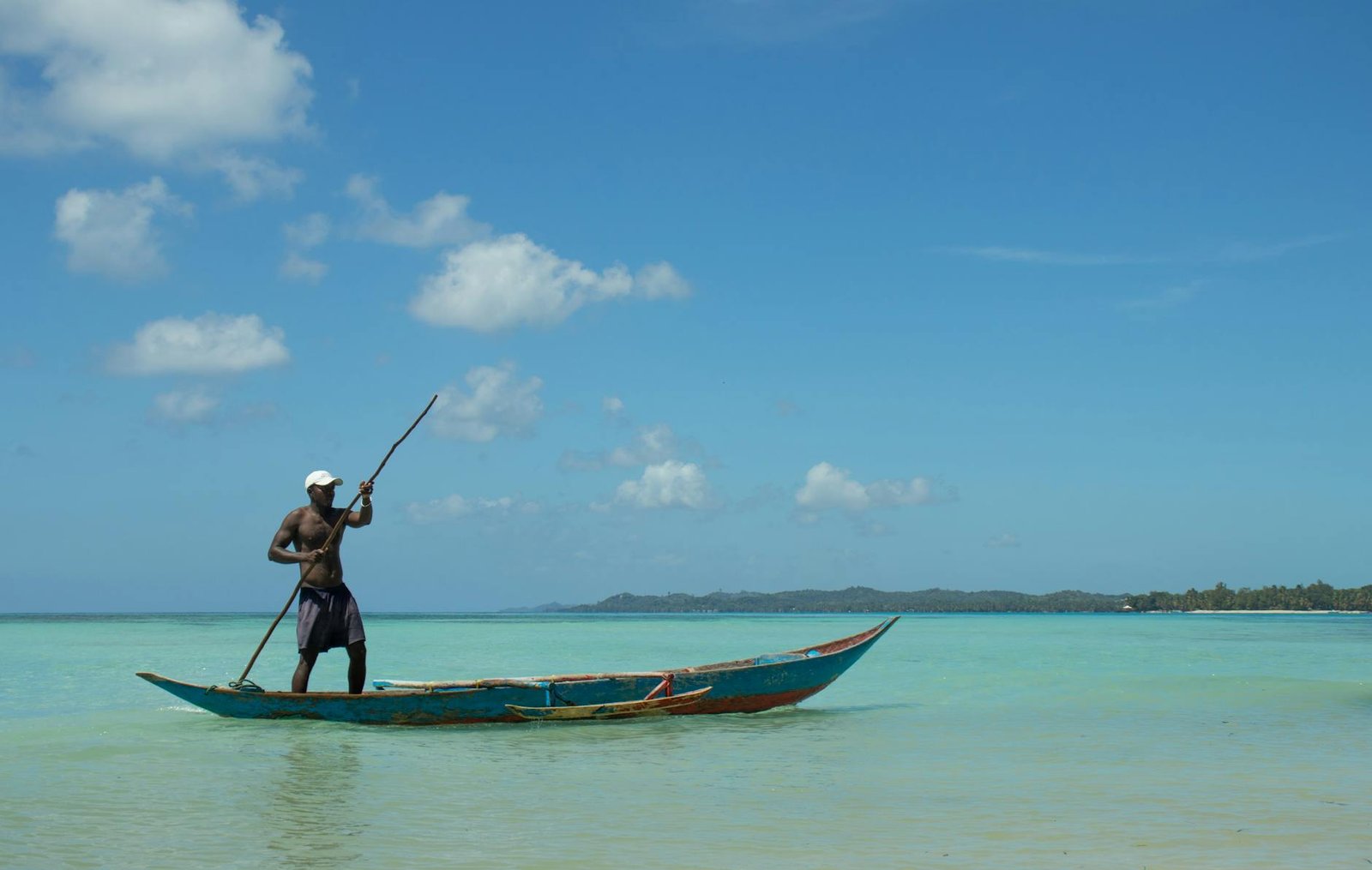
Stroll the bay-side streets, see fishing boats, and observe the old colonial buildings and streets of downtown. Low-key, free, and a good way to feel the city's rhythm.
3
Andasibe-Mantadia National Park or Local Wildlife Sanctuary
Home to lemurs, chameleons, and other endemic Madagascar fauna. Requires a 30–45 min taxi drive and a guide; typically booked via the cruise line's shore excursion. Worth the effort if wildlife is your priority.
Show 1 more thing to do in Toamasina (Tamatave)
4
Toamasina Beach (Plage de Toamasina)
A modest sandy/rocky beach 2 km south of downtown. Not spectacular, but a chance to swim and sit by the ocean if you want a beach experience.
Book with the ship, or on your own?
Booking independently
- Often noticeably cheaper than the ship’s version of the same tour.
- Smaller groups and local operators, with traveler reviews you can read before you pay.
- Free cancellation on most tours, usually up to 24 hours before.
When the ship’s excursion makes sense
- Short port calls or long transfers where the timing is tight.
- Tender-only stops where getting ashore can run late.
- The ship waits for its own delayed excursions — it won’t wait for independent ones, so leave a buffer before all-aboard.
We may earn a commission when you book through our links, at no extra cost to you — it’s how we keep these guides free.
Check The Port Traffic
Cruise Ships in Port
Once you have your shore plan, use the schedule to see how busy the harbour will be on your date, plus the ships, lines, and published call windows.
Sun
Mon
Tue
Wed
Thu
Fri
Sat
1
2
3
4
5
6
7
8
9
10
11
12
13
14
15
16
17
18
19
20
21
22
23
24
25
26
27
28
29
30
31
Quiet (1–2)
Busy (3–4)
Packed (5+)
0 scheduled calls
October 10, 2026
No scheduled cruise ship calls were found for this date selection. Pick a highlighted day on the calendar above, widen the range, or search for a different ship or line.
Port Overview
Toamasina (also spelled Tamatave) is Madagascar's main east-coast port and second-largest city, serving as the gateway for Lindblad, Ponant, and other expedition lines exploring the island. Ships anchor offshore and tender passengers ashore; the process can be slow and wet in rough conditions. The port itself is workmanlike—a trading hub rather than a resort destination—with modest colonial architecture, a bustling fish market, and a laid-back atmosphere. Most cruisers stay within walking distance of the waterfront; venturing inland requires taxis on pot-holed streets. This is not a cruise-ship-tourism destination; it is a real Madagascar city where you will see day-to-day local life.
Is It Safe?
Toamasina is generally safe for cruise passengers who stay alert and use common sense. Petty theft does occur in busy markets and crowded areas; keep valuables hidden and bags zipped. Avoid walking alone after dark, and do not wander into residential areas beyond the waterfront. Police and military presence is visible but low-key. Medical facilities are basic; serious illness or injury may require evacuation to the capital, Antananarivo, 1.5 hours away by plane. Tap water is not safe to drink; stick to bottled water and avoid ice. Street food is generally fine if prepared fresh in front of you; use judgment with anything that has been sitting out.
Accessibility & Walkability
Toamasina's infrastructure is limited for wheelchair users or those with mobility challenges. The tender transfer is difficult (small boat with rope/net steps); discuss access needs with your cruise line well in advance. Downtown streets are uneven, often unpaved or potholed, and there are few ramps or curbs. No elevators in older colonial buildings. Accessible restrooms are rare. If mobility is a concern, book a shore excursion or stay close to the tender dock and waterfront.
Outside the Terminal
Exiting the tender dock, you will see a bustling informal zone with local vendors, small shops, and taxis jockeying for passengers. The air is warm and humid, with salt spray and the smell of fish and diesel. Colorful fishing boats bob in the harbor behind corrugated-metal storage sheds. A short walk inland takes you past colonial-era buildings, some peeling paint, mixed with modern small shops and cafés. The pace is relaxed; people are curious about tourists but not aggressive. There is no formal cruise terminal or gift shops; this is a working port.
Beaches Near the Port
Toamasina Beach (Plage de Toamasina)
Sandy and rocky cove on the outskirts of town. Calm, usually uncrowded, with local fishing activity. Not pristine, but functional for a dip and sun.
Local Food & Drink
Toamasina's food scene is humble and local. Waterfront shacks and small family-run cafés serve grilled fish, octopus, and freshly caught seafood, usually with rice or cassava. A plate of grilled fish and rice costs $2–5 USD. Street vendors sell coconut, tropical fruit, and snacks. Avoid ice and tap water; stick to bottled. Hotel restaurants (Coco Beach, Palissade) are more polished but pricey ($12–20 USD per meal) and not significantly better. For authentic flavor and value, eat where locals do: the market vicinity and waterfront stalls. Breakfast can be baguette and coffee ($1–2 USD) from a small bakery.
Shopping
Analakely Market is the main shopping draw: spices, vanilla (Madagascar's famous export), textiles, and wooden crafts. Prices are cheap; haggle gently. Colonial-era souvenir shops near the waterfront sell postcards, shell items, and small carvings. Quality and authenticity vary widely. Avoid plastic souvenirs; look for woven baskets, textiles, or carved wood. No major malls or chain shops; this is local-vendor territory. Most shops accept cash (Ariary) only; bring small bills.
Money & Currency
- Currency
- Malagasy Ariary (MGA)
- USD Accepted?
- Yes
- Card Payments
- Limited; a few hotels and the one bank in town accept cards. ATMs are present but may be unreliable or out of cash; withdraw USD from your ship's purser before arrival if possible.
- ATMs
- One or two ATMs in downtown; no guarantee they work or have cash. Bring cash.
- Tipping
- Tips are not expected but appreciated. Rounding up or 5–10% for helpful taxi drivers and guides is kind; no tipping in markets or street stalls.
- Notes
- Plan to use cash (USD or Ariary) for almost everything. Exchange rates are better at money changers near the market than at hotels. Carry small bills; change-making can be slow.
Weather & Best Time
- Best months
- April–October (cooler, drier, less humid)
- Avoid
- December–March (cyclone season; heavy rain, high humidity, rough seas, tender landings risky)
- Temperature
- April–Oct: 68–77 °F (20–25 °C), low humidity, sunny. November: warming and increasing humidity.
- Notes
- Toamasina is on the cyclone belt. Ships may skip the port Nov–Mar if weather is poor. Tender operations can be suspended in swells; always have a backup plan. Bring lightweight layers and a rain jacket even in dry season.
Airport Information
- Airport
- Toamasina Soanierana Airport (TMM)
- Distance
- 4 km northeast of city center
- Getting there
- Taxi (~$3–5 USD), organized shore excursion, or rarely available public minibus. No shuttle bus from port.
- Notes
- Small regional airport; limited domestic flights to Antananarivo and rare international service. Most pre-cruise or post-cruise stays via Antananarivo. Not practical for same-day connections unless you have a very long port day.
Getting Around from the Port
Tender
Ships anchor and tender passengers ashore. Process is weather-dependent and can take 30–60 min per rotation in rough seas.
Taxi/Pousse-pousse (shared minibus)
Taxis are plentiful near the tender dock and downtown. Pousse-pousse (small shared minibuses) are cheaper but crowded and unpredictable routes.
Book a transfer 5% off with code TPO5 at checkoutWalking
Downtown waterfront and Analakely Market area are safe and walkable during daylight. Most sights are within 1–1.5 km of the tender dock.
Organized shore excursion
Cruise line excursions typically include wildlife sanctuaries, guide services, and guaranteed return times. Book through your ship.
Details last checked April 2026
Planning a cruise here?
Hapag-Lloyd Cruises sail to Toamasina (Tamatave).
Practical Tips for Cruise Passengers
- Bring small USD bills ($1–5) for taxis and market stalls; large bills are hard to change and many vendors prefer USD to Ariary.
- Use the restroom on the ship before going ashore; public facilities are rare and inconsistent.
- Tender operations are weather-dependent; even calm forecasts can change. Have a backup plan (shop on ship, rest, read) in case tender is suspended.
- Hire a local guide if visiting wildlife sanctuaries; English is limited among independent operators, and guides know the best spots and animal behavior.
Frequently Asked Questions
Typically 30–60 minutes per round trip, depending on sea conditions and the number of passengers. In calm weather, it's faster; in rough swells, landings may be suspended. Arrive at the tender station early to secure an early slot.
Yes, provided you stay alert and use common sense. Stick to main streets and busy areas during daylight; avoid walking alone after dark or in deserted alleys. Petty theft can occur in markets, so keep bags secure and valuables hidden. The city is not dangerous, but it requires normal street awareness.
Vanilla pods or vanilla extract (Madagascar's signature product), woven baskets, and wooden carvings from the market are authentic and affordable. Avoid mass-produced plastic items. Negotiate prices gently at the market; opening bid is often inflated.
Find cruises to Toamasina (Tamatave), Madagascar
Compare sailings and book with no fees — best price guaranteed.
We may earn a commission when you book through our links, at no extra cost to you — it’s how we keep these guides free.
✉ Sailing to Toamasina (Tamatave)? Get your port-day plan
Tell us your sail date and we’ll email you a short Toamasina (Tamatave) plan about 60 days out — when the good excursions start selling out — plus a final checklist 2 weeks before. Two emails, then done. We’ll send one note to confirm it’s really you — unsubscribe anytime.
Same itinerary network
View All
Ports Often Paired With Toamasina (Tamatave)
Africa & Middle East

Africa & Middle East

Africa & Middle East
