

South America
Caribbean
Panama City Cruise Port Guide: Things to Do, Transport & Planning Tips
Panama
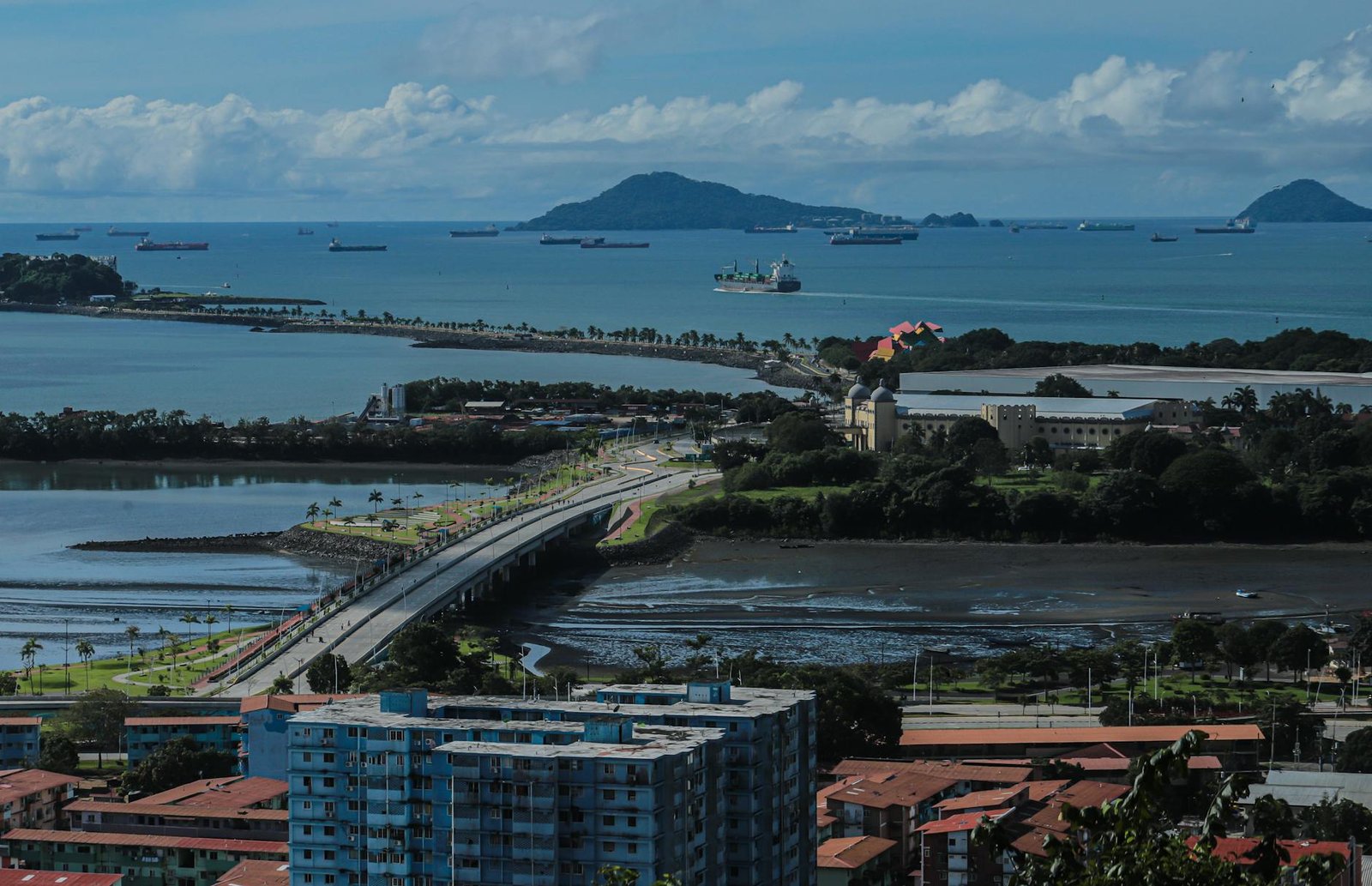
Modern cruise terminals at Amador Causeway with direct pier access, approximately 5km from downtown Panama City.
Choose the Right Port Day
Best Overall
Combine Miraflores Locks with Casco Viejo — these two sites cover what makes Panama City worth a port day. Budget five to six hours and arrange return taxi time in advance.
Best Beach
Not the point of this port. Beaches exist but are a long transfer away and not worth sacrificing canal or city time on a port day.
With Kids
Miraflores Locks is genuinely exciting for kids — giant ships passing through a lock right in front of you is hard to beat. The visitor center has interactive exhibits and a restaurant with canal views.
Only 3-4 Hours
Taxi straight to Miraflores Locks (20-30 min), spend 90 minutes watching ships transit and visiting the museum, then 45 minutes in Casco Viejo for a coffee and a walk around Plaza de la Independencia before heading back.
Cheapest Option
Share a taxi with other cruisers to Casco Viejo ($15-25 USD split), walk the historic streets for free, eat a set lunch at a local restaurant for $6-10 USD, and taxi back.
What To Avoid
The immediate port area offers little of value — do not waste time browsing overpriced souvenir stalls at the terminal. Also skip the Biomuseo unless you have a full six-plus hour port day; the transit time rarely justifies a quick visit.
Quick Take
- Port Type
- Urban City Port
- Best For
- History lovers, canal enthusiasts, and travelers who want a genuine Latin American city experience
- Avoid If
- You want a relaxed beach day close to the ship or struggle with heat and humidity
- Walkability
- Low from the dock itself; moderate once inside Casco Viejo or Miraflores area
- Budget Fit
- Mid-range; taxis are affordable, but entrance fees and food add up if you are not selective
- Good For Short Calls?
- Yes — Miraflores Locks plus Casco Viejo is achievable in four to five hours if you move efficiently
Top Things To Do
1
Gatun Lake: Monkeys & Exotic Wildlife by the Canal
Set out from Panama City in a comfortable, air-conditioned vehicle bound for Gamboa Marina. Board your riverboat and glide across Gatun Lake, a vital section of…
4h
2
Panama City Visit an Indian town Embera and waterfall with lunch
Connect with indigenous people on this guided tour from Panama City to an Embera village in the Chagres rainforest. Travel by canoe to a waterfall for…
7h
Our picks in Panama City
3
Miraflores Locks – Panama Canal
Watching a fully loaded Panamax or Neopanamax container ship squeeze through a canal lock in real time is one of those rare experiences that genuinely impresses. The four-story visitor center covers the history, engineering, and politics of the canal well. The observation deck puts you close enough to feel the scale. Time your visit to coincide with a transit — the canal authority website lists ship schedules.
4
Casco Viejo (San Felipe Historic District)
Panama City's UNESCO-listed old town is a compelling mix of crumbling colonial buildings, restored boutique hotels, rooftop bars, and street art. Walk the plazas, visit the ruins of the old Panama Cathedral, and grab a coffee or a beer with skyline views. It has moved upscale in recent years but retains real character. Best experienced on foot once you are dropped off.
5
Panama Viejo Ruins
The ruins of the original Panama City, founded in 1519 and destroyed by Henry Morgan in 1671, sit on the Pacific coast east of the modern city. A UNESCO site alongside Casco Viejo, the tower and surrounding ruins are atmospheric and uncrowded. Good for history travelers willing to add a stop to a Casco Viejo taxi circuit.
Show 2 more things to do in Panama City
6
Metropolitan Natural Park (Parque Natural Metropolitano)
A genuine tropical forest within the city limits offering short hiking trails, wildlife spotting (sloths, toucans, monkeys if you are patient and quiet), and cool shade. Not a demanding hike — the main loops are accessible and well-marked. A good option if nature interests you more than canal engineering.
7
Biomuseo (Biodiversity Museum)
Designed by Frank Gehry, this museum on the Amador Causeway covers Panama's extraordinary role in connecting North and South American ecosystems. The building itself is visually striking — colorful angular panels that stand out against the bay. Content is solid and genuinely informative. Convenient location close to the cruise terminal makes it an easy add-on or fallback if time is short.
Book with the ship, or on your own?
Booking independently
- Often noticeably cheaper than the ship’s version of the same tour.
- Smaller groups and local operators, with traveler reviews you can read before you pay.
- Free cancellation on most tours, usually up to 24 hours before.
When the ship’s excursion makes sense
- Short port calls or long transfers where the timing is tight.
- Tender-only stops where getting ashore can run late.
- The ship waits for its own delayed excursions — it won’t wait for independent ones, so leave a buffer before all-aboard.
Going independent? Compare tours in Panama City → — the best-reviewed ones sell out first.
We may earn a commission when you book through our links, at no extra cost to you — it’s how we keep these guides free.
Check The Port Traffic
Cruise Ships in Port
Once you have your shore plan, use the schedule to see how busy the harbour will be on your date, plus the ships, lines, and published call windows.
Sun
Mon
Tue
Wed
Thu
Fri
Sat
1
2
3
4
5
6
7
8
9
10
11
12
13
14
15
16
17
18
19
20
21
22
23
1 ship
24
1 ship
25
1 ship
26
1 ship
27
28
29
30
1 ship
Quiet (1–2)
Busy (3–4)
Packed (5+)
0 scheduled calls
September 27, 2026
No scheduled cruise ship calls were found for this date selection. Pick a highlighted day on the calendar above, widen the range, or search for a different ship or line.
Port Overview
Panama City cruise ships typically dock at the Fuerte Amador cruise terminal on the Amador Causeway, a narrow strip of land built from canal excavation material that juts into the Pacific a few kilometers from the city center. It is a functional pier with basic facilities, a few shops, and a marina, but the city itself is a solid taxi ride away. Do not expect to walk anywhere meaningful from the dock.
The port is used both as a port of call and as a home port for embarkation and disembarkation. If you are starting or ending a cruise here, plan to arrive the day before — the city rewards an overnight stay. The airport is close, but traffic and logistics are smoother with buffer time.
As a port of call, Panama City delivers something genuinely different from the typical Caribbean stop. The Panama Canal is one of the great engineering feats of the 20th century and seeing it in person at Miraflores is not hype — it lives up to the visit. Casco Viejo, the UNESCO-listed colonial old town, has real character: crumbling churches, boutique restaurants, rooftop bars, and street art alongside serious renovation work. The skyline of modern Panama City rising behind it creates one of the more striking urban contrasts in this region.
The honest caveat: Panama City is hot, humid, and spread out. Traffic can be unpredictable. If you are not energized by cities and want to relax, this port will feel like hard work. But if you want substance and something memorable, it delivers.
Is It Safe?
Panama City is generally safe in the tourist zones that cruisers visit. Casco Viejo, Miraflores, and the main waterfront area are well-traveled and reasonably secure during daylight hours. Use common sense: keep phones out of sight in crowded areas, carry only the cash you need, and use marked taxis or Uber rather than accepting rides from unofficial drivers who approach you at the terminal.
Avoid wandering into areas that border Casco Viejo's less-renovated edges without asking locally first — the neighborhood transitions quickly. The Causeway itself and the area immediately around the cruise terminal are low-risk. Overall, exercising standard big-city awareness is sufficient for a typical cruise port day here.
Accessibility & Walkability
The Amador Causeway terminal is flat and manageable for wheelchairs, but the transfer to the main sites creates challenges. Casco Viejo has significant cobblestone streets and uneven pavements that are genuinely difficult for wheelchair users or those with mobility issues. Miraflores Locks visitor center is more accessible with paved observation decks and an elevator to upper viewing levels. Taxis can accommodate most mobility needs but check ahead for wheelchair-accessible vehicles. The heat and humidity alone can be taxing for passengers with certain health conditions — factor this in when planning your shore day.
Outside the Terminal
Stepping off the ship at Fuerte Amador, you will find a landscaped causeway with a small commercial strip, souvenir shops, a few restaurants, and views of Panama City's skyline across the water. It is pleasant enough but do not confuse it for a destination. Most cruisers walk through this area quickly, pick up a taxi from the designated rank, and head for the city. There are usually unofficial vendors and tour touts near the terminal entrance — acknowledge politely and move on. The real port day starts once you are in the taxi heading toward Miraflores or Casco Viejo.
Local Food & Drink
Panama City has a genuinely good food scene if you get into Casco Viejo or the upscale Marbella and Punta Pacifica neighborhoods. In Casco Viejo, look for restaurants around Plaza Herrera and Calle Primera for everything from Panamanian set lunches (sancocho, ropa vieja, patacones) to solid international options. A local lunch with a drink typically runs $8-15 USD per person. The causeway near the terminal has restaurants with nice views but more tourist-oriented pricing and less interesting food.
For a quick and cheap eat, look for a local fondita (neighborhood canteen) in Casco Viejo for a set meal under $8 USD. Avoid eating exclusively at the terminal — the options there are limited and overpriced relative to what is 20 minutes away.
Shopping
The Amador Causeway has souvenir shops selling the usual mix of molas (Kuna textiles), Panama hats, and canal-themed merchandise at inflated terminal prices. For better quality and more honest pricing, the shops and artisan stalls in Casco Viejo are the better bet. Panama hats are widely sold but note that the finest 'Panama' hats are actually made in Ecuador — what you find here is serviceable but not premium quality. Molas are the most authentically Panamanian purchase and can be found at reasonable prices in Casco Viejo.
Money & Currency
- Currency
- Panamanian Balboa (PAB), but USD is the de facto currency and universally accepted
- USD Accepted?
- Yes
- Card Payments
- Widely accepted at hotels, restaurants, and larger shops in tourist areas. Cash preferred at smaller venues, local restaurants, and taxis.
- ATMs
- ATMs available in Casco Viejo and along the Causeway. Use bank ATMs over standalone machines.
- Tipping
- 10-15% at restaurants is standard. Round up for taxis if the service was good.
- Notes
- No need to exchange currency. USD is Panama's everyday currency. Carry smaller bills ($5, $10, $20) for taxis and market purchases.
Weather & Best Time
- Best months
- January to April (dry season): lower humidity, sunny, much more comfortable
- Avoid
- May to November: rainy season brings heavy afternoon downpours and high humidity
- Temperature
- 28-32°C (82-90°F) year-round with high humidity
- Notes
- Panama is warm and humid regardless of season. Even in the dry season, temperatures feel intense. Light, breathable clothing and sunscreen are essential. Rain gear is useful November through April.
Airport Information
- Airport
- Tocumen International Airport (PTY)
- Distance
- Approx. 35-40 km from Fuerte Amador Cruise Terminal
- Getting there
- Taxi: $25-40 USD, 35-55 minutes depending on traffic. Uber: typically $20-30 USD. No direct shuttle from the cruise terminal.
- Notes
- If using Panama City as an embarkation or debarkation port, plan to arrive the day before or leave with ample buffer time after the ship docks. Traffic between the airport and Causeway can be significant during rush hours. The airport is modern, well-served, and a major Central American hub.
Getting Around from the Port
Taxi
Most practical option for cruise passengers. Taxis wait outside the terminal and can be negotiated for round trips or hourly hire. Agree the price before you get in — meters are rarely used.
Book a transfer 5% off with code TPO5 at checkoutUber
Uber operates in Panama City and is often cheaper and more transparent than street taxis. Reliable app coverage in the main tourist zones.
Check Uber fareShip Shore Excursion
Canal and city tours offered by all major cruise lines. Convenient, air-conditioned, and timed to ship departure. More expensive but removes logistics stress.
Walking (in-district only)
Once inside Casco Viejo, walking is the only sensible way to explore. The district is compact and most of the interesting streets, plazas, and viewpoints are within a 15-minute walk of each other.
Details last checked April 2026
Planning a cruise here?
AmaWaterways, Windstar, Crystal Cruises & more sail to Panama City.
Practical Tips for Cruise Passengers
- Check the Panama Canal Authority vessel schedule online before your port day — planning your Miraflores visit around an actual ship transit makes the experience dramatically better.
- Negotiate a round-trip taxi fare with a set return time before you leave the terminal — losing your taxi in the city is a real problem when your ship has a fixed departure.
- The dry season (January to April) is significantly more comfortable than the rainy season; if you have a choice of cruise timing, this matters in Panama.
- Carry USD in small denominations — $20 bills are sometimes refused by small vendors and taxis who cannot make change.
- If this is an embarkation port, arrive a day early and stay in Casco Viejo; the neighborhood has good hotels and restaurants and you will see more of the city than any port day allows.
Frequently Asked Questions
No. The Amador Causeway and the main city are too far apart for a practical walk, and the route is not pedestrian-friendly. Take a taxi or Uber — it is the only realistic option for reaching Casco Viejo or Miraflores.
Yes, in the main tourist areas. Casco Viejo, Miraflores, the Biomuseo, and the Causeway are all reasonably safe during daylight. Standard big-city precautions — keep valuables secure, use Uber or vetted taxis — are sufficient.
Yes, but just barely. A focused four to five hours with minimal lingering lets you cover Miraflores Locks and a walk through Casco Viejo. Do not add extra stops unless you have six or more hours ashore.
No. US dollars are used everywhere in Panama as standard currency. No exchange is needed, but carry small bills as taxis and local vendors often cannot break large notes.
Yes, if you have any interest in history, engineering, or cities. The Panama Canal is genuinely spectacular in person and Casco Viejo delivers real atmosphere. If you want a beach day or prefer to relax, this port will not satisfy — but for everyone else it is one of the more rewarding stops in the region.
Find cruises to Panama City, Panama
Compare sailings and book with no fees — best price guaranteed.
We may earn a commission when you book through our links, at no extra cost to you — it’s how we keep these guides free.
✉ Sailing to Panama City? Get your port-day plan
Tell us your sail date and we’ll email you a short Panama City plan about 60 days out — when the good excursions start selling out — plus a final checklist 2 weeks before. Two emails, then done. We’ll send one note to confirm it’s really you — unsubscribe anytime.
Same itinerary network
View All
Ports Often Paired With Panama City
Caribbean
Mexico & Pacific Coast

Caribbean