
Antarctica
Antarctica
Paradise Harbor Cruise Port Guide: What to Expect, Logistics & Tips
Antarctica
Ships anchor offshore; tender boats required to reach shore.
Choose the Right Port Day
Best Overall
Zodiac cruise to view Orne Glacier and chinstrap penguin colonies. Accept that weather may cancel plans; have a backup onboard activity ready. This is the authentic Antarctic experience most cruisers pay for.
Best Beach
Not applicable. Paradise Harbor has no beach. Landings are rocky or icy glacier approaches only.
With Kids
Family-friendly if children are 6+ and comfortable on bouncy Zodiacs in cold water. Bring motion-sickness medication; dress kids in full expedition gear provided by ship. Wildlife viewing (penguins, seals) is the draw.
Only 3-4 Hours
If weather and ice permit, take a Zodiac excursion to view glaciers, penguin colonies, and seals. Bring all provided cold-weather gear; dress in layers and waterproof outer shell. No exploring solo—all visits are escorted.
Cheapest Option
All ashore activities are included in cruise fare. No independent transport or activities available. Bring your own hand warmers and lip balm to avoid buying overpriced items onboard.
What To Avoid
Do not expect guaranteed landing time or plan critical events around a Paradise Harbor visit—ice and weather cancel or shorten trips 30–50% of seasons. Avoid wearing cotton or regular sneakers; expedition gear is non-negotiable.
Quick Take
- Port Type
- Expedition Anchorage
- Best For
- Polar explorers, wildlife photographers, cold-water adventure seekers, and those with realistic expectations about weather cancellations.
- Avoid If
- You need guaranteed ashore time, dislike cold/wet conditions, have mobility challenges, or want commercial infrastructure.
- Walkability
- Not applicable. Access is Zodiac-only; terrain is glacial, rocky, and unstable.
- Budget Fit
- No independent exploration. All ashore activity is ship-organized and included in cruise fare.
- Good For Short Calls?
- Rarely applies. Visits depend on ice, weather, and captain discretion—often 2–4 hours when conditions allow.
Top Things To Do
1
Zodiac cruise to Orne Glacier and penguin colonies
View calving glacier, icebergs, and large chinstrap and gentoo penguin colonies up close. Wildlife-focused excursion with expedition guide narration. Bring camera with fast shutter (action happens quickly).
2
Zodiac-based photography and ice exploration
Slow-paced Zodiac tour exploring icebergs, ice formations, and seal haul-outs. Captain positions boat for optimal light and viewing. No landing required. Lower physical demand than shore walks.
3
Attempted landing (weather permitting)
Weather-dependent attempt to land on rocky or icy shores for close penguin viewing and glacier contact. May be scrapped with 10 minutes notice due to wind, ice, or swell. Wear all provided gear.
Book with the ship, or on your own?
Booking independently
- Often noticeably cheaper than the ship’s version of the same tour.
- Smaller groups and local operators, with traveler reviews you can read before you pay.
- Free cancellation on most tours, usually up to 24 hours before.
When the ship’s excursion makes sense
- Short port calls or long transfers where the timing is tight.
- Tender-only stops where getting ashore can run late.
- The ship waits for its own delayed excursions — it won’t wait for independent ones, so leave a buffer before all-aboard.
We may earn a commission when you book through our links, at no extra cost to you — it’s how we keep these guides free.
Check The Port Traffic
Cruise Ships in Port
Once you have your shore plan, use the schedule to see how busy the harbour will be on your date, plus the ships, lines, and published call windows.
Sun
Mon
Tue
Wed
Thu
Fri
Sat
1
2
3
4
5
6
7
8
9
10
11
12
13
14
15
16
17
18
19
20
21
22
23
24
25
26
27
28
29
30
Quiet (1–2)
Busy (3–4)
Packed (5+)
0 scheduled calls
September 15, 2026
No scheduled cruise ship calls were found for this date selection. Pick a highlighted day on the calendar above, widen the range, or search for a different ship or line.
Port Overview
Paradise Harbor is a narrow anchorage on the northwest coast of the Antarctic Peninsula, accessible only by expedition cruise and only by Zodiac tender. There is no dock, village, infrastructure, or independent access—the entire port experience is controlled by your cruise line and completely weather dependent. Ships anchor offshore; Zodiacs ferry passengers to glacier fronts, rocky shores, and wildlife-viewing sites. The harbor is home to gentoo and chinstrap penguin colonies, leopard seals, and views of Orne Glacier. Most visits last 2–4 hours and are subject to cancellation or shortening due to ice, wind, and katabatic winds that can close the anchorage in minutes.
Is It Safe?
Paradise Harbor is inherently hazardous. Ice, cold water, sudden weather shifts, and rocky terrain demand constant vigilance. All passengers must wear provided or approved cold-weather gear; no exceptions. Listen to briefing officers—they have real-time ice and weather data. Do not wander from designated areas or approach wildlife. Leopard seals and elephant seals are present; maintain 5+ meters distance. Zodiac rides are rough and cold; hold on and do not stand. If you feel unwell or are unsure about conditions, stay onboard—crew will not judge you, and your safety is the priority.
Accessibility & Walkability
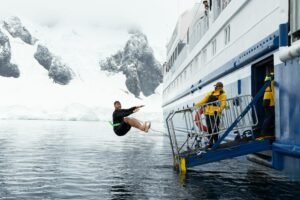
Paradise Harbor is not wheelchair accessible. Zodiac transfers involve stepping down ladders or using gangways from ship to boat. The shore terrain is glacial rock, ice, and steep slopes. Mobility aids are impractical. Passengers with reduced mobility or balance issues should not attempt visits. Discuss limitations candidly with the expedition leader before embarkation; alternative onboard experiences may be offered.
Outside the Terminal
There is no terminal. The ship anchors in open water; Zodiacs depart from the tender platform or cargo deck. The first sensation is cold wind, salt spray, and the sound of ice and sea. The ride to shore is bouncy and wet. Once on land, you're in raw Antarctica—no shelter, no facilities, no cell service, no 'outside the gate' experience. Everything is raw tundra, glacier, ice, and wildlife.
Local Food & Drink
Food ashore is not available. All meals are onboard. Bring water and snacks in your pack (check ship policy). The expedition is the dining experience; ship restaurants will have Antarctic-themed menus and premium fare. Budget for onboard bar service if desired.
Shopping
There are no shops in Paradise Harbor. The ship's small gift shop may stock polar guides, expedition patches, and cold-weather accessories at premium prices. Do not expect to buy any necessities ashore. Stock toiletries and medications onboard before the expedition.
Money & Currency
- Currency
- Not applicable
- USD Accepted?
- No
- Card Payments
- Not applicable
- ATMs
- None
- Tipping
- Tip expedition staff onboard using ship's system or cash (USD preferred). Customary amounts: $10–20 USD per day for naturalists and Zodiac drivers.
- Notes
- No financial infrastructure exists in Paradise Harbor. All costs (food, drink, gift shop, gratuities) are handled onboard or paid pre-cruise.
Weather & Best Time
- Best months
- December–February (Antarctic summer); clearer ice conditions, longest daylight, higher chance of landing.
- Avoid
- March–November (winter and shoulder seasons); heavy ice, extreme cold, storms, and frequent visit cancellations.
- Temperature
- −5 to +5°C (23–41°F) in summer; wind chill much lower. Winter cruises: −15 to −25°C (5–13°F) or colder.
- Notes
- Weather is unpredictable. Katabatic winds can close the harbor in minutes. Always bring full cold-weather gear even on 'warm' days. Frostbite and hypothermia are real risks if you are unprepared or ignore crew guidance.
Airport Information
- Airport
- Not applicable—no airport access
- Distance
- N/A
- Getting there
- Passengers embark/disembark at Ushuaia, Argentina (or King George Island, Antarctica depending on cruise). See ship's pre-cruise documents for embarkation location and logistics.
- Notes
- Paradise Harbor is accessed only by ship. No air transport to the harbor itself exists.
Getting Around from the Port
Zodiac (inflatable tender)
Your only transport ashore. Holds 8–12 passengers. Operated by ship's expedition team. Wet ride in cold ocean; plan for spray and rougher water.
Shore excursion (ship-organized)
Guided walks on glacier approaches or rocky shores. All visitors accompanied by expedition staff. No solo exploration permitted.
Details last checked April 2026
Planning a cruise here?
Hurtigruten, Ponant, Lindblad Expeditions & more sail to Paradise Harbor.
Practical Tips for Cruise Passengers
- Seasickness is extremely common on Zodiac rides in Antarctic waters. Request motion-sickness medication from the ship's doctor before your first excursion and take it preemptively.
- Bring extra hand warmers, lip balm, and sunscreen in your personal pack—the ship's gift shop prices are 3–5× higher than you would pay at home.
- Do not plan critical onboard events or connections around Paradise Harbor visits. Weather cancellations are normal; have offline books, puzzles, or movies ready as backups.
- Wear the exact cold-weather gear provided or approved by the expedition team. Cotton kills; synthetic or wool layers and waterproof shells are non-negotiable. Test your gear fit during the ship's safety drill.
Frequently Asked Questions
No. Ice, weather, and sea conditions may force cancellation or drastic shortening. Historically, 30–50% of cruises see reduced or cancelled landing time depending on season. Accept it as a bonus, not a certainty.
No. All ashore activity is ship-organized and escorted by expedition staff. Independent exploration is forbidden for safety and environmental (Antarctic Treaty) reasons. Zodiac operation is restricted to ship crews.
Request motion-sickness medicine from the ship's doctor before departure and take it 30 minutes before boarding. Sit in the center of the boat, focus on the horizon, and wear a wrist band if prone to motion sickness. If severely affected, stay onboard—there is no shame in it.
Find cruises to Paradise Harbor, Antarctica
Compare sailings and book with no fees — best price guaranteed.
We may earn a commission when you book through our links, at no extra cost to you — it’s how we keep these guides free.
✉ Sailing to Paradise Harbor? Get your port-day plan
Tell us your sail date and we’ll email you a short Paradise Harbor plan about 60 days out — when the good excursions start selling out — plus a final checklist 2 weeks before. Two emails, then done. We’ll send one note to confirm it’s really you — unsubscribe anytime.
Antarctica
View All
More Antarctica Ports

Antarctica

Antarctica
Antarctica
