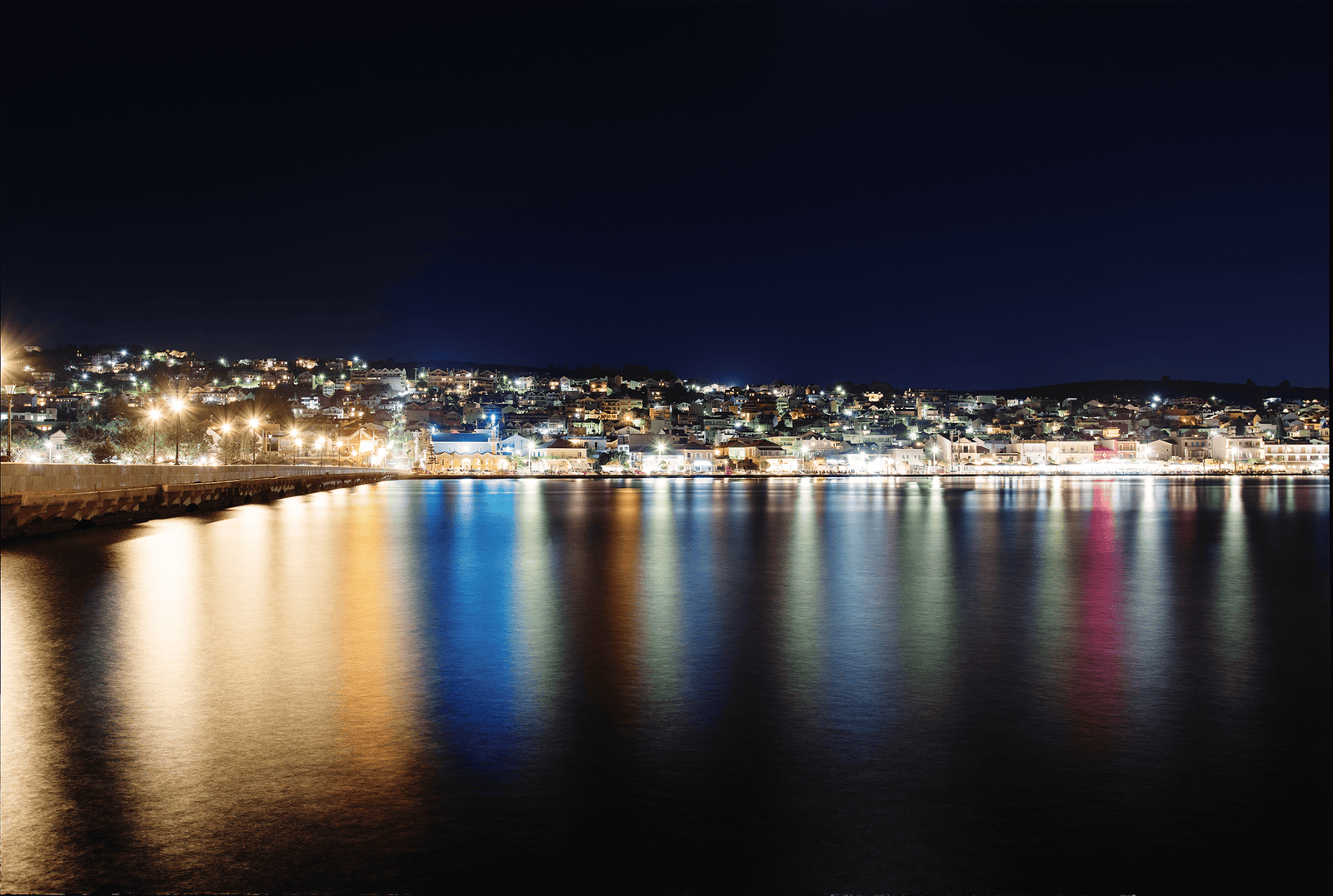
Kefalonia is the kind of Greek island that makes you question why you ever went anywhere else. Dramatic limestone cliffs, electric-blue lagoons, and a wine grape found nowhere else on earth — this place earns every superlative. Whether you dock in cosmopolitan Argostoli or sail into the postcard-perfect village of Fiskardo, you’re in for one of the Ionian’s finest days.
—
Arriving by Ship
Most large cruise ships dock at Argostoli’s main port, right on the edge of town — no tender required, and the waterfront promenade is a three-minute walk from the gangway. Smaller vessels sometimes call at Fiskardo in the north, a bijou harbour village where you anchor offshore and tender in; the ride takes about ten minutes and lands you practically in a restaurant terrace.
Argostoli itself is a working Kefalonian town with a lively market street, good coffee, and easy taxi access to the rest of the island. Don’t mistake its understated vibe for a lack of ambition — the highlights here reward the curious traveller who looks beyond the souvenir strip.
—
Things to Do

Kefalonia packs beaches, caves, Venetian history, and wildlife into one compact island — you genuinely won’t be short of options for a port day. Prioritise what matters most to you and book transport early, because distances are longer than they look on a map.
Nature & Landmarks
- Melissani Lake — An otherworldly underground lake inside a collapsed cave; sunlight hits the water between 11am–1pm for the full turquoise glow. Entry is around €7, and guided rowboat tours are included.
- Drogarati Cave — A stunning stalactite cavern near Sami, open daily 9am–6pm; entry around €5. Combine it with Melissani for a natural double-header — a half-day tour does both plus a beach stop. 🎟 Book: Half Day Melissani Lake and Drogarati Cave Tour with Myrtos Swim
- Myrtos Beach — Consistently ranked among Europe’s most beautiful beaches, with white pebbles and surreal cobalt water. It’s a 40-minute drive from Argostoli, so factor in taxi costs (roughly €40–50 return).
- Fiskardo Village — The only village that survived the 1953 earthquake intact; its Venetian architecture is extraordinary. Wander the harbour, peek into the Byzantine ruins, and linger over a long lunch.
History & Culture
- Korgialenios History & Folklore Museum, Argostoli — A beautifully curated collection of pre-earthquake Kefalonian life, open Mon–Sat 9am–2pm; entry around €4.
- Agios Gerasimos Monastery — The island’s patron saint is entombed here; pilgrims visit year-round and the monastery grounds are free to enter.
- Archaeological Museum of Argostoli — Small but rich in Mycenaean finds; entry around €3 and easily done in 45 minutes.
Active & Outdoors
- Argostoli Highlights Bike Tour — A guided three-hour ride around the lagoon and lighthouse; a surprisingly fun way to see the town’s quieter side. 🎟 Book: Argostoli Highlights Bike Tour
- Loggerhead turtle spotting — Koutavos Lagoon, right near Argostoli’s port, is a feeding ground for Caretta caretta turtles. Walk the causeway at dawn or dusk for the best sightings — it’s completely free.
- Best of Kefalonia Private Tour — If time is tight, a five-hour private tour hits the caves, the village, and the viewpoints without the guesswork. 🎟 Book: Best of Kefalonia: Half-Day Private Sightseeing Tour
—
What to Eat
Kefalonian cuisine is honest, generous, and quietly exceptional — the island has its own meat pie, its own wine grape, and a passion for locally caught fish that puts many Greek destinations to shame. Eat lunch ashore, not on the ship.
- Kreatopita (Kefalonian meat pie) — Spiced lamb and rice wrapped in homemade shortcrust pastry; try it at Platanos restaurant in Argostoli for around €8–10.
- Robola wine — A crisp, mineral white grown only on Kefalonia’s slopes; a glass at any taverna runs €4–6. Buy a bottle at the Robola Cooperative in Fragata for around €8–12.
- Sofrito — Veal in a white wine and garlic sauce, served across Ionian islands but particularly good here; expect to pay €14–18 at a waterfront taverna.
- Fresh grilled fish — Order by weight at Tzivras in Argostoli; a portion of sea bream typically costs €18–22.
- Mandolato — A local nougat made with honey, egg whites, and almonds, sold in confectionery shops from €6 per pack. It travels well as a gift.
—
Shopping

Argostoli’s main shopping street, Lithostroto, is a pedestrianised strip lined with delis, bakeries, and independent shops selling local products. Skip the generic fridge magnets and focus on the island’s edible exports: Robola wine, mandolato, thyme honey, and the peppery local olive oil are all exceptional buys and easy to carry home.
Avoid overpriced “handmade” ceramics near the port — much of it is mass-produced. For genuine local crafts, look for embroidery and lacework at the Saturday morning farmers’ market near the central square.
—
Practical Tips
- Currency is the euro; card payments are widely accepted in Argostoli but carry cash for smaller villages and beach kiosks.
- Go ashore early — Myrtos Beach fills up fast and the caves get crowded by midday.
- Taxis are metered but negotiate a return fare upfront for out-of-town excursions; the taxi rank is steps from the port gate.
- You need at least 5–6 hours to see more than just the town; a half-day trip covers the essentials comfortably.
- Dress modestly for monastery visits — carry a scarf or light layer to cover shoulders.
- Kefalonia’s roads are winding mountain routes; if renting a scooter, be confident on steep hairpin bends.
- Mobile data works well across the island on major EU roaming plans; Wi-Fi is available at most harbourside cafés for free.
Kefalonia doesn’t just meet expectations — it quietly, confidently blows them apart, and you’ll be researching return flights before your ship has even cleared the harbour.
🎟️ Things to Book in Advance
These highly-rated experiences fill up fast — book before you arrive to avoid missing out.


This page contains affiliate links. If you book through them, we may earn a small commission at no extra cost to you.
📍 Getting to Kefalonia Island, Argostoli-Fiskardo, Greece
Use the interactive map below to explore the port area and plan your route from the terminal.
Leave a Reply