
Caribbean
Caribbean
Coiba Island Cruise Port Guide: Tender Tips, Things to Do & What to Expect
Panama
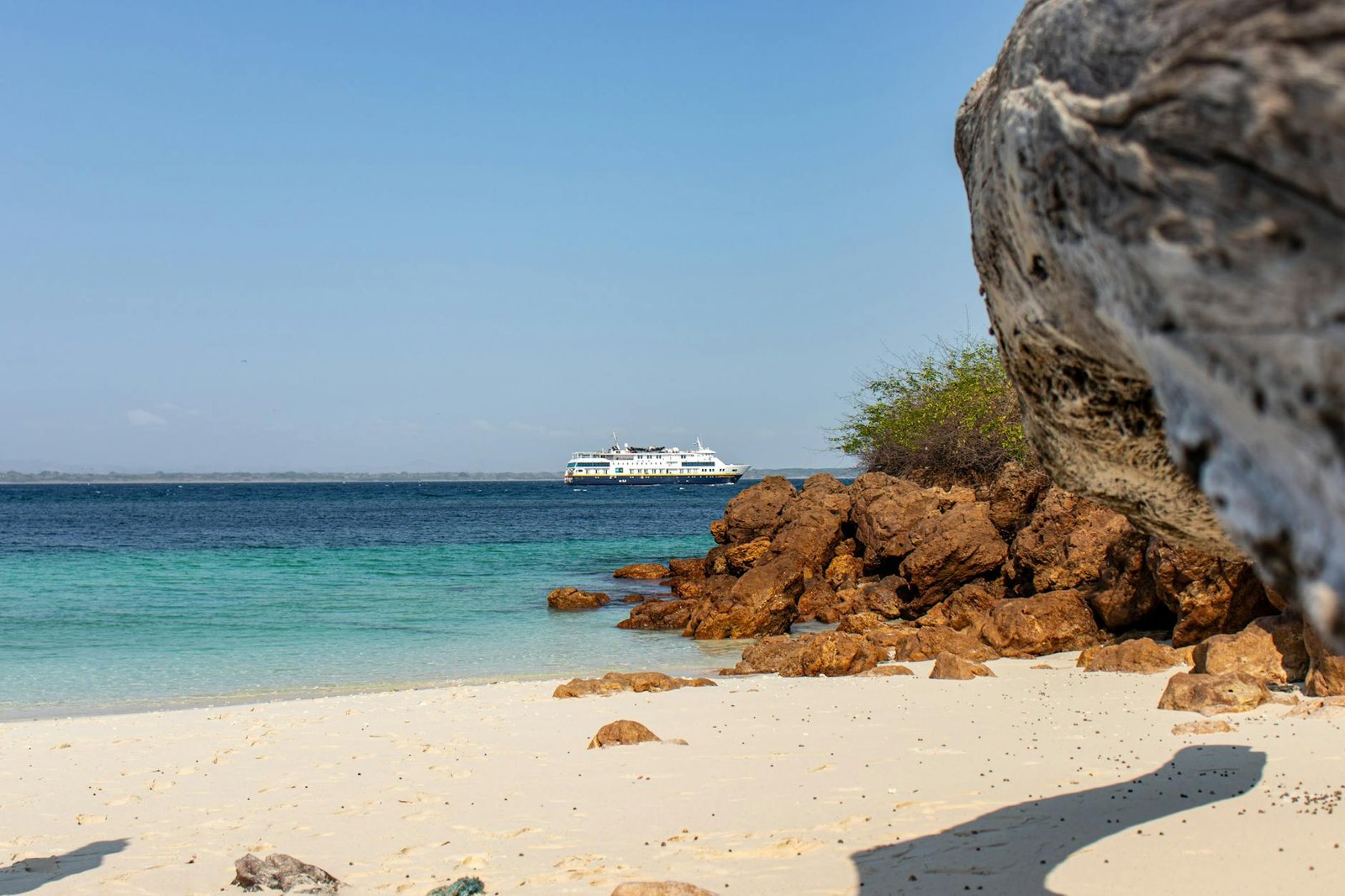
Ships anchor offshore; tenders required to reach the island.
Choose the Right Port Day
Best Overall
Guided snorkel in Coiba marine reserve; pristine coral and pelagic life. Book through your ship; independent operators are uncommon.
Best Beach
Coiba's main island has limited beach access; most shore time is water-based snorkeling or ranger-led beach walks.
With Kids
Junior ranger/nature walk programs via ship; shallow snorkel areas if age/swim ability fits. Confirm with cruise director before port.
Only 3-4 Hours
Tender ashore, join a guided snorkel tour (2–2.5 hrs in water), tender back. Plan 45 min tendering each way.
Cheapest Option
Stay aboard if you're not a snorkeler; organized excursions (typically $100–200+) via ship are standard pricing for this port.
What To Avoid
Do not attempt to explore the island solo—it's a national park with restricted access and ranger-only trails. Tender delays are common; don't plan a tight schedule.
Quick Take
- Port Type
- Tender-only scenic expedition port
- Best For
- Snorkeling, wildlife viewing, nature photography, small-ship cruisers
- Avoid If
- You want a city walk, shopping, or independent wandering; mobility issues make tenders difficult
- Walkability
- Not applicable; tender port with guided access only
- Budget Fit
- Medium-high; most activities are ship-organized, few independent options
- Good For Short Calls?
- Yes, 4–5 hours is realistic for one organized activity
Top Things To Do
1
Snorkel the Coiba Marine Reserve
Drift snorkel or boat snorkel over pristine coral reef with tropical fish, rays, sharks, and pelagic species. The reef here is healthier than most Caribbean sites and sees minimal tourist pressure. Tours are ranger-guided and strictly regulated to protect the ecosystem.
2
Ranger-Led Beach or Forest Walk
Brief guided walk through tropical dry forest or along a pristine beach. Tours focus on endemic flora, birds (including macaws), and ecosystem history. Pace is slow; photography-friendly.
3
Birdwatching and Wildlife Photography
Coiba is home to macaws, parrots, frigatebirds, herons, and endemic species. The island was a penal colony and remains largely uninhabited, so wildlife is habituated and visible. Early-morning tours are best.
Book with the ship, or on your own?
Booking independently
- Often noticeably cheaper than the ship’s version of the same tour.
- Smaller groups and local operators, with traveler reviews you can read before you pay.
- Free cancellation on most tours, usually up to 24 hours before.
When the ship’s excursion makes sense
- Short port calls or long transfers where the timing is tight.
- Tender-only stops where getting ashore can run late.
- The ship waits for its own delayed excursions — it won’t wait for independent ones, so leave a buffer before all-aboard.
We may earn a commission when you book through our links, at no extra cost to you — it’s how we keep these guides free.
Check The Port Traffic
Cruise Ships in Port
Once you have your shore plan, use the schedule to see how busy the harbour will be on your date, plus the ships, lines, and published call windows.
Sun
Mon
Tue
Wed
Thu
Fri
Sat
1
2
3
4
5
6
7
8
9
10
11
12
13
14
15
16
17
18
19
20
21
22
23
24
25
26
27
28
29
30
31
Quiet (1–2)
Busy (3–4)
Packed (5+)
0 scheduled calls
October 3, 2026
No scheduled cruise ship calls were found for this date selection. Pick a highlighted day on the calendar above, widen the range, or search for a different ship or line.
Port Overview
Coiba Island lies ~53 km southwest of Panama mainland in the Pacific. Ships anchor offshore; all access is by tender. The island is a UNESCO World Heritage Site and Panama's largest national park, protecting primary forest, white-sand coves, and a thriving coral reef system. Most cruisers never set foot on the island itself; the port exists primarily for snorkeling the surrounding marine reserve, which ranks among the hemisphere's healthiest. Expect guided activities only—independent roaming is restricted. This is not a beach resort port; it is a nature-focused stop with pristine ecosystems and genuine wildlife.
Is It Safe?
Coiba is remote and protected; standard safety protocols are robust. The island has a ranger station and park infrastructure. Tender seas can be rough; follow all crew instructions for boarding and exit. Medical support is ship-based; evacuation to Panama City takes ~3–4 hours by fast boat. Snorkeling hazards include strong currents in some areas and occasional sea urchins; wear reef shoes and follow guide instructions. No street crime risk (no settlement ashore). Wildlife is non-aggressive; do not touch or feed animals.
Accessibility & Walkability
Tender embarkation is not wheelchair accessible. Rough sea conditions can make tender boarding unsafe for those with limited mobility. Beach terrain is sand and rock; trails are uneven. If you have mobility concerns, consult the cruise director before the port. Most activities require a moderate level of fitness and comfort in water.
Outside the Terminal
No terminal. Ships anchor ~1 km offshore. Tendering ashore takes 15–30 minutes depending on sea state. The landing zone is typically a beach or rock pier staffed by rangers. Immediate environment is forest edge, beach, and open water; no town, shops, or services. Groups assemble per tour itinerary; independent movement is not permitted.
Beaches Near the Port
Coiba Main Island Sand Beach
White sand cove used as tender landing and for ranger-led beach walks. No facilities; strictly protected. Not for independent swimming, but beautiful for photos and short walks.
Local Food & Drink
No restaurants or food vendors on Coiba. Bring snacks and water from the ship or dining facilities before tendering ashore. Some tours include juice or light refreshment, but do not rely on it. Pack sunscreen, a hat, and sufficient hydration; there is nowhere to buy supplies on the island.
Shopping
No shops, markets, or commercial activity on Coiba. All goods, crafts, and souvenirs must be obtained before tendering or sourced from your ship's gift shop. This is a national park, not a tourist town.
Money & Currency
- Currency
- Panamanian balboa (PAB); USD widely used
- USD Accepted?
- Yes
- Card Payments
- Not applicable; no commerce on island
- ATMs
- No ATMs; carry USD cash if needed for ship-organized excursions, though most are pre-booked
- Tipping
- Tip guides directly if satisfied ($10–20 USD per person is customary); card/ship billing is an option
- Notes
- Bring all money and essentials from the ship. The island has zero commercial infrastructure.
Weather & Best Time
- Best months
- December–April (dry season); calmest seas and best visibility
- Avoid
- September–November (rainy season); rough seas, higher cancellation risk
- Temperature
- 80–90°F (27–32°C) year-round; ocean ~78–84°F (26–29°C)
- Notes
- Pacific swells can be significant; tender operations may be cancelled or delayed in rough seas. Morning calm windows are typical; afternoon swells increase. Check weather forecasts with your cruise director early in the voyage.
Airport Information
- Airport
- Tocumen International Airport (Panama City)
- Distance
- ~200 km northeast of Coiba (accessible via ship's transit, not from the island)
- Getting there
- Not applicable; Coiba has no airport. Fly to Panama City, then arrange ship embarkation from there
- Notes
- Coiba is served only as a cruise port call. No independent access by air or road. Pre- or post-cruise stays in Panama City are possible; see your cruise itinerary.
Getting Around from the Port
Ship-organized tender
Ship operates tenders to designated landing zones. All access funnels through your cruise line's logistics.
Ranger-led walk or snorkel tour
ANAM (Panama's park authority) or cruise line ranger guides escort groups on beach walks, reef snorkels, or short trail hikes within designated areas.
Details last checked April 2026
Planning a cruise here?
Lindblad Expeditions, Hurtigruten, Ponant & more sail to Coiba Island.
Practical Tips for Cruise Passengers
- Tender delays are common; do not plan a tight return schedule. Sea state can worsen in the afternoon, increasing cancellation risk for later tours.
- Bring reef shoes, a rash guard, and waterproof sunscreen (SPF 50+). The tropical sun reflects intensely off water.
- Snorkel gear is usually provided by your cruise line, but bring your own mask if you have fit preferences; rental stock is limited.
- Book all excursions through your cruise director immediately upon embarkation; spots fill quickly on small-ship itineraries.
Frequently Asked Questions
No. Coiba is a strictly protected national park; all visitors must join ranger-led groups. Independent wandering is not permitted. Tours are 2–3 hours; you cannot extend or roam freely.
If sea conditions worsen, the cruise line will cancel tendering and remain anchored. You will stay aboard. This happens occasionally in the Pacific during transition seasons; there is no refund or alternative ashore.
Book through your cruise director on embarkation day or earlier. Spots fill quickly, especially on small-ship cruises like Lindblad and Ponant. Walk-up availability is rare.
Find cruises to Coiba Island, Panama
Compare sailings and book with no fees — best price guaranteed.
We may earn a commission when you book through our links, at no extra cost to you — it’s how we keep these guides free.
✉ Sailing to Coiba Island? Get your port-day plan
Tell us your sail date and we’ll email you a short Coiba Island plan about 60 days out — when the good excursions start selling out — plus a final checklist 2 weeks before. Two emails, then done. We’ll send one note to confirm it’s really you — unsubscribe anytime.
Caribbean
View All
More Caribbean Ports

Caribbean

Caribbean

Caribbean
