Northern Europe
Canada & New England
Dundas Harbour Cruise Port Guide: Things to Do, Arctic Landing & Logistics
Canada
Ships anchor offshore; Zodiac tender required for landing on remote Arctic island.
Choose the Right Port Day
Best Overall
Attend the zodiac landing and guided tundra walk to the historic Hudson's Bay Company trading post ruins and scan for musk oxen, Arctic foxes, and seabirds. This is why you came.
Best Beach
Not applicable. Dundas Harbour has rocky Arctic shoreline, not beach. Value is polar landscape and wildlife, not swimming.
With Kids
Only suitable for children 10+. Short zodiac ride, flat tundra walk, good odds of seeing musk oxen. Dress warmly and bring extra layers.
Only 3-4 Hours
Stay with your expedition group for the zodiac landing and tundra walk near the old trading post ruins. Bring binoculars for musk oxen and Arctic hares. Most cruises slot this as a single organized excursion.
Cheapest Option
Everything is included in cruise fare. No independent shore excursions or purchases required.
What To Avoid
Do not expect cell service, ATMs, shops, or restaurants. Do not wander unsupervised beyond the escorted walking area—terrain is treacherous and bears are possible.
Quick Take
- Port Type
- Remote Arctic expedition stop
- Best For
- Wildlife watchers, Arctic history buffs, photographers, and adventurous cruisers seeking pristine polar landscapes.
- Avoid If
- You want shops, restaurants, nightlife, or independent wandering. This is a guided-landing-only port.
- Walkability
- Not applicable. All activity is via zodiac landing and escorted shore walks on tundra.
- Budget Fit
- All activities included in cruise; no independent spending needed beyond optional guide tips.
- Good For Short Calls?
- Yes. Most calls are 2–4 hours zodiac landing + tundra walk.
Top Things To Do
1
Guided tundra walk to Hudson's Bay Company trading post ruins
Walk across Arctic tundra to view the remains of the historic trading post, one of the northernmost trading outposts. Landscape is stark, open, and alive with Arctic flora and fauna signs.
2
Wildlife spotting (musk oxen, Arctic hares, foxes, seabirds)
Dundas Harbour region supports musk oxen herds, Arctic hares, Arctic foxes, and seabirds. Bring binoculars and scan tundra and sky during escorted walks. Sightings are not guaranteed but common in summer.
3
Photograph Arctic landscape and polar light
Dundas Harbour offers pristine Arctic scenery, dramatic light, and minimal development. Summer sunlight is near-continuous; golden hour lasts for hours. Ideal for landscape and nature photography.
Book with the ship, or on your own?
Booking independently
- Often noticeably cheaper than the ship’s version of the same tour.
- Smaller groups and local operators, with traveler reviews you can read before you pay.
- Free cancellation on most tours, usually up to 24 hours before.
When the ship’s excursion makes sense
- Short port calls or long transfers where the timing is tight.
- Tender-only stops where getting ashore can run late.
- The ship waits for its own delayed excursions — it won’t wait for independent ones, so leave a buffer before all-aboard.
We may earn a commission when you book through our links, at no extra cost to you — it’s how we keep these guides free.
Check The Port Traffic
Cruise Ships in Port
Once you have your shore plan, use the schedule to see how busy the harbour will be on your date, plus the ships, lines, and published call windows.
Sun
Mon
Tue
Wed
Thu
Fri
Sat
1
2
3
4
5
6
7
8
9
10
11
12
13
14
15
16
17
18
19
20
21
22
23
24
25
26
27
28
29
30
31
Quiet (1–2)
Busy (3–4)
Packed (5+)
0 scheduled calls
October 10, 2026
No scheduled cruise ship calls were found for this date selection. Pick a highlighted day on the calendar above, widen the range, or search for a different ship or line.
Port Overview
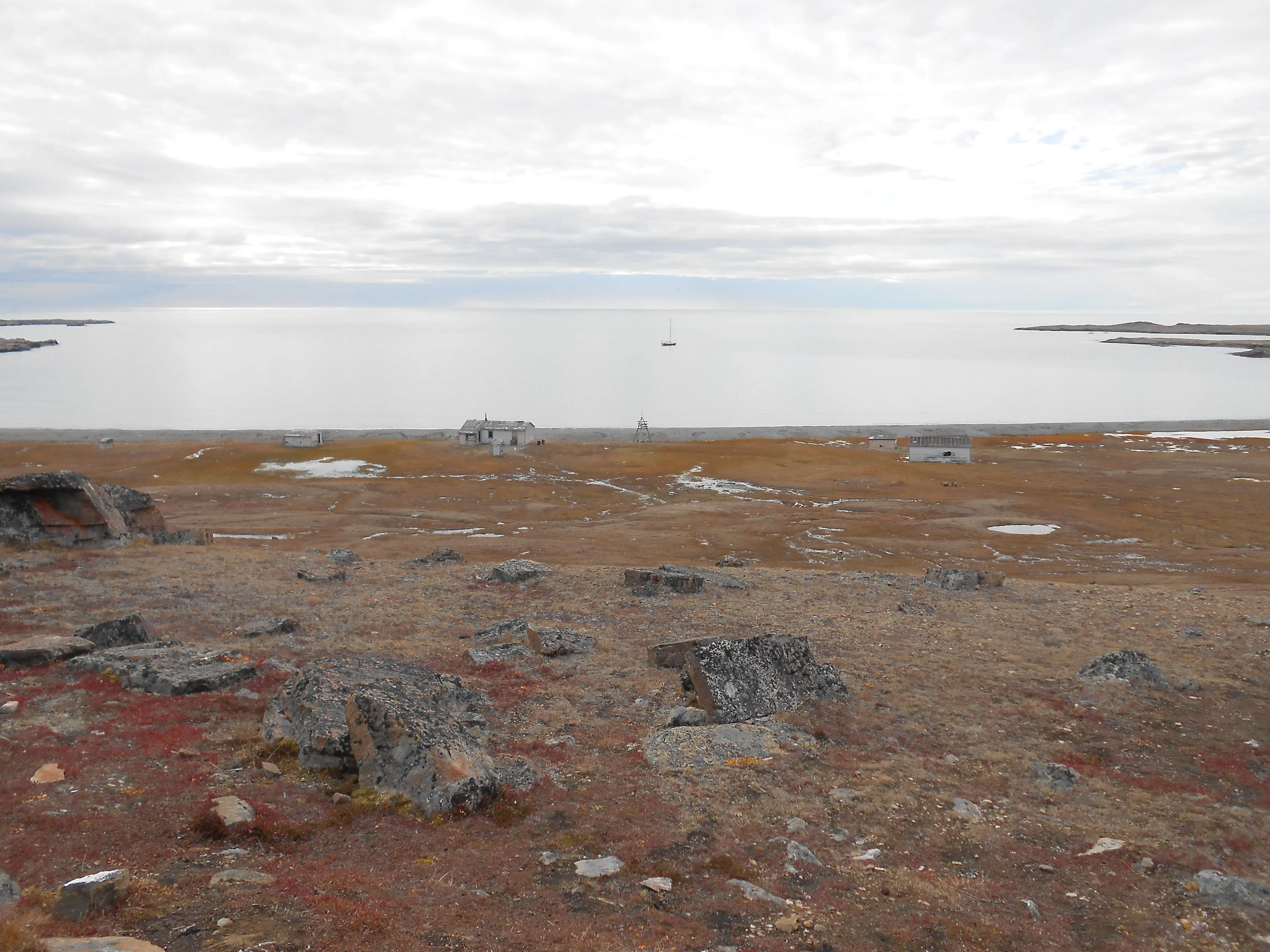
Dundas Harbour sits on the south coast of Devon Island, one of Canada's most remote Arctic settlements. Ships anchor offshore and passengers land via zodiac—there is no traditional pier or terminal. The settlement itself comprises only a few buildings including ruins of the historic Hudson's Bay Company trading post, established 1934. Cruisers are almost always organized into guided shore groups led by expedition staff; independent exploration is not permitted and the area is genuinely dangerous. The appeal is raw Arctic scenery, chance to spot musk oxen and Arctic wildlife, and stepping foot on one of the world's least-visited inhabited places. This is not a port for dining, shopping, or leisure—it is a wildlife and landscape experience.
Is It Safe?
Dundas Harbour is genuinely remote and harsh. There is no medical facility, no emergency services beyond the ship, and evacuation by helicopter can be delayed by weather. All shore activity is guided and supervised by expedition staff trained in polar conditions. Polar bears are present in the region; groups do not roam unsupervised. Weather can change rapidly—fog, wind, and cold are common even in summer. Do not stray from marked walking routes or group guidance. Cell phone service is nonexistent. Cruise ships carry satellite communication and medical capability; trust crew instructions.
Accessibility & Walkability
Zodiac landing involves stepping in and out of a moving boat in water, climbing over rocky shores, and walking on uneven boggy tundra. Wheelchair users and those with limited mobility will struggle significantly. Mobility aids are impractical on soft ground. Discuss your mobility level directly with the cruise line before booking; some expeditions offer accommodation for fit but slow walkers with staff support.
Outside the Terminal
There is no terminal building. You will arrive by zodiac at a rocky beachhead with a few scattered rocks and tundra vegetation immediately inland. The old Hudson's Bay Company building foundations may be visible nearby. The landscape is open, low, and windswept. Expect cold wind, mist, and raw Arctic light. A guide will be waiting and will brief the group before any walking begins.
Beaches Near the Port
Dundas Harbour rocky shoreline
Not a swimming beach. Shoreline is rocky, cold, and exposed to Arctic conditions. Value is landscape and zodiac arrival experience, not recreation.
Local Food & Drink
There are no restaurants, cafes, or shops at Dundas Harbour. All meals are served aboard ship. Bring snacks and water in your daypack if you plan to spend the full duration ashore walking. Some cruises may offer hot drinks in a tent or shelter during landing, but do not expect it. Packing a light lunch or energy bars is prudent.
Shopping
There is no shopping at Dundas Harbour. A small gift shop or craft stall may operate seasonally during peak cruises, but do not plan on it. If you want Arctic souvenirs, purchase them at other ports or on the ship. The settlement has no permanent retail presence.
Money & Currency
- Currency
- Canadian Dollar (CAD)
- USD Accepted?
- No
- Card Payments
- Not applicable; no merchants
- ATMs
- None
- Tipping
- Not applicable. Crew tips are handled shipboard.
- Notes
- No money is needed ashore. All shore time is part of cruise itinerary. Tip expedition guides and crew onboard using your shipboard account.
Weather & Best Time
- Best months
- July–August (high Arctic summer, 24-hour daylight, musk oxen active, ice-free landing)
- Avoid
- September–June (ice, cold, darkness, landing difficult or impossible)
- Temperature
- 2–10°C (35–50°F) in summer; wind can make it feel colder
- Notes
- Dundas Harbour is only accessible by expedition cruise in brief summer window (late July–August). Weather is unpredictable; wind, fog, and cold are normal. Pack waterproof outer layers, warm hat, gloves, and insulated boots.
Airport Information
- Airport
- Not applicable. Dundas Harbour has no airport.
- Distance
- N/A
- Getting there
- Access is by ship only. Embark and disembark at southern Canada (e.g., Montreal, St. John's, Iqaluit) and cruise north.
- Notes
- Expedition cruises typically offer fly-cruise packages from major North American hubs. Discuss logistics with cruise line well in advance.
Getting Around from the Port
Zodiac (inflatable boat)
Ship anchors offshore. Zodiac tenders ferry passengers in small groups to landing spots on the rocky beach. Staff assists boarding and landing.
Book ferry ticketsEscorted tundra walk
Once ashore, expedition guides lead groups on flat to gently rolling tundra near the trading post ruins and along coast.
Details last checked April 2026
Planning a cruise here?
HX Expeditions, Silversea Cruises sail to Dundas Harbour.
Practical Tips for Cruise Passengers
- Bring binoculars, a telephoto camera lens, and extra battery packs. Arctic light is low-contrast; high-quality optics improve wildlife spotting and photography.
- Wear waterproof hiking boots and bring two pairs of socks and an extra pair of insoles. Feet will get wet and cold; spare dry socks are essential.
- Pack seasickness medication if prone; zodiac landings in rough water can be uncomfortable.
- Attend all briefings and follow guide instructions without exception. This region is remote and hazardous; crew knowledge keeps you safe.
Frequently Asked Questions
All shore time is guided and supervised by expedition staff. Do not wander unsupervised. The terrain is dangerous, polar bears are present, and the area is vast and disorienting. Stay with your group.
No. There are no restaurants, shops, or commercial services. All meals are aboard ship. Do not plan to purchase anything or dine ashore.
Musk oxen and Arctic hares are frequently spotted in the region, especially in July–August. Arctic foxes and seabirds are common. Sightings are not guaranteed, but odds are good on a clear day. Bring binoculars and be patient.
Find cruises to Dundas Harbour, Canada
Compare sailings and book with no fees — best price guaranteed.
We may earn a commission when you book through our links, at no extra cost to you — it’s how we keep these guides free.
✉ Sailing to Dundas Harbour? Get your port-day plan
Tell us your sail date and we’ll email you a short Dundas Harbour plan about 60 days out — when the good excursions start selling out — plus a final checklist 2 weeks before. Two emails, then done. We’ll send one note to confirm it’s really you — unsubscribe anytime.
Same itinerary network
View All
Ports Often Paired With Dundas Harbour
Northern Europe

Canada & New England
Canada & New England