
Asia
Ships anchor offshore; tender boats required to reach shore.
Choose the Right Port Day
Best Overall
Take the ship-organized morning monastery or artisan village tour; it ensures safe transit, translation, and context you won't get alone. Budget 3–4 hours, return for lunch.
Best Beach
Not relevant; Pakokku is a river port on the Irrawaddy. No beach access.
With Kids
Join a guided monastery or school visit (often included); kids enjoy the novelty of ox-cart rides and local life, but only with translator and clear itinerary. Keep excursions under 2 hours due to heat and limited shade.
Only 3-4 Hours
Book the organized monastery or village walk through your ship; skip independent exploration unless fluent in Burmese or with a guide. Grab lunch at a local tea shop, wander the morning market if time allows, return to ship by early afternoon.
Cheapest Option
Walk the main market independently (free), eat at a basic local tea shop (under $2 USD), skip paid temple entry. Total cost under $5 USD if you avoid organized tours.
What To Avoid
Wandering alone or assuming English speakers exist outside your ship; attempting to visit remote temples without local logistics; expecting ATMs, card readers, or recognizable restaurants.
Quick Take
- Port Type
- Small river port; primarily a river cruise stop
- Best For
- River cruise passengers seeking authentic Myanmar village culture, not beach or resort-style days
- Avoid If
- You need extensive shopping, multiple dining options, or modern tourist infrastructure
- Walkability
- Limited; town center is walkable but rutted roads and no paved sidewalks; local guides essential
- Budget Fit
- Budget-friendly; meals and crafts are inexpensive; most excursions included with river cruises
- Good For Short Calls?
- Realistic; 3–4 hours is typical; few independent attractions warrant a full day
Top Things To Do
1
Monastery or pagoda visit (via ship-organized tour)
Local Buddhist monasteries welcome visitors; monks conduct informal talks, you remove shoes, and the guide explains architecture and practice. Most tours include tea or a blessing. Respectful, immersive, and the closest thing to a 'main' activity.
2
Morning market walk
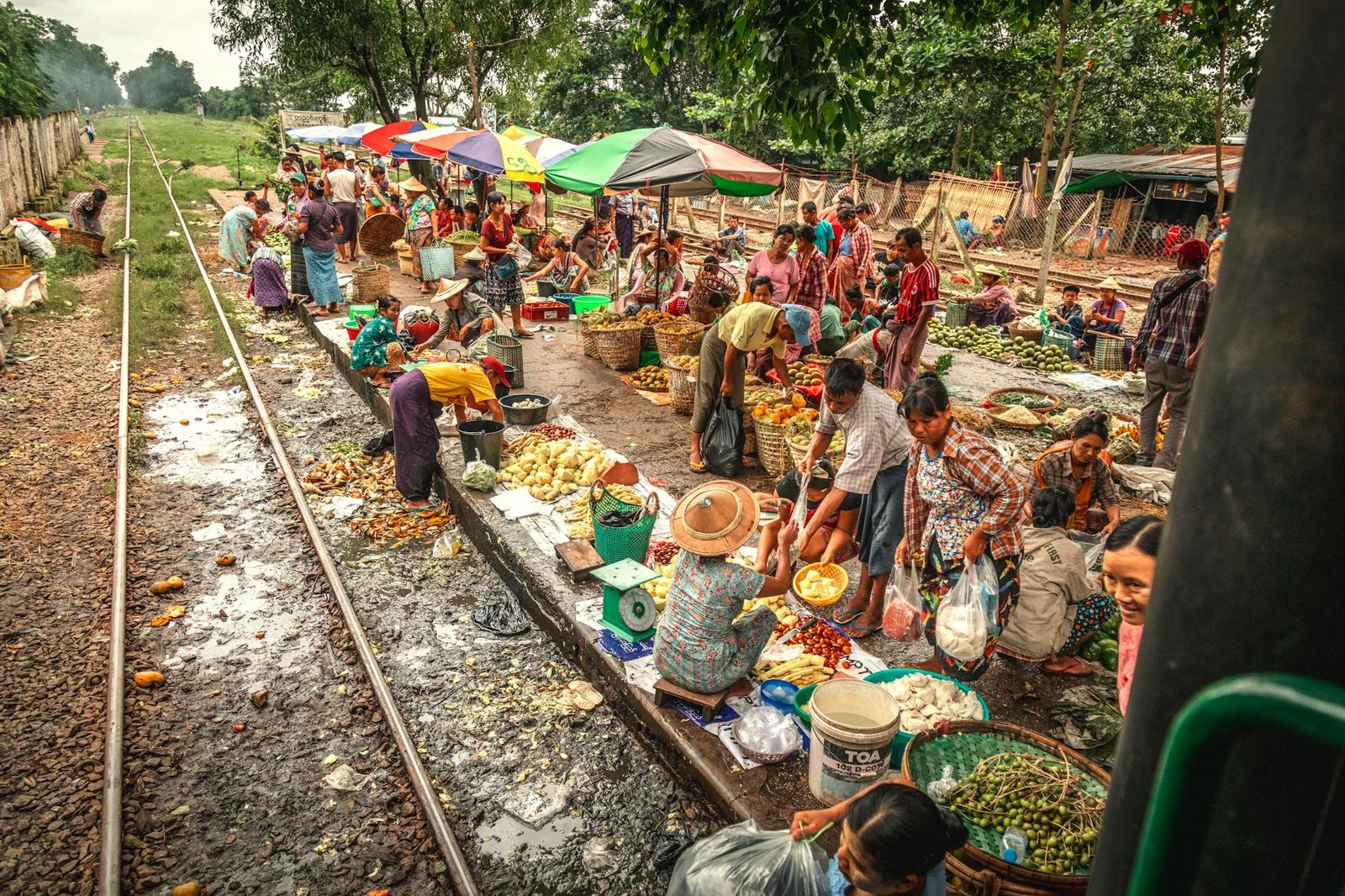
A compact, busy local market with produce, fish, textiles, and crafts. No tourist stalls; you are observing, not shopping. Early morning (6–8 a.m.) is liveliest and cooler. Great for photography and a sense of daily life, but crowded and disorienting without a guide.
3
Artisan workshop or village visit
Some tours include small weaving studios, pottery workshops, or local homes. Guides explain craft traditions and facilitate informal interactions. Authentic but brief and sometimes feels staged.
Show 1 more thing to do in Pakokku
4
Irrawaddy riverbank stroll and local tea
Walk the riverfront, watch ferry boats and fishermen, sit at a basic tea shop, order sweet tea and fried snacks. No agenda, low cost, and a genuine moment in local life. Best in early morning or late afternoon (cooler).
Book with the ship, or on your own?
Booking independently
- Often noticeably cheaper than the ship’s version of the same tour.
- Smaller groups and local operators, with traveler reviews you can read before you pay.
- Free cancellation on most tours, usually up to 24 hours before.
When the ship’s excursion makes sense
- Short port calls or long transfers where the timing is tight.
- Tender-only stops where getting ashore can run late.
- The ship waits for its own delayed excursions — it won’t wait for independent ones, so leave a buffer before all-aboard.
We may earn a commission when you book through our links, at no extra cost to you — it’s how we keep these guides free.
Check The Port Traffic
Cruise Ships in Port
Once you have your shore plan, use the schedule to see how busy the harbour will be on your date, plus the ships, lines, and published call windows.
Sun
Mon
Tue
Wed
Thu
Fri
Sat
1
2
3
4
5
6
7
8
9
10
11
12
13
14
15
16
17
18
19
20
21
22
23
24
25
26
27
28
29
30
Quiet (1–2)
Busy (3–4)
Packed (5+)
0 scheduled calls
September 21, 2026
No scheduled cruise ship calls were found for this date selection. Pick a highlighted day on the calendar above, widen the range, or search for a different ship or line.
Port Overview
Pakokku is a small, largely undeveloped town on the Irrawaddy River in central Myanmar, roughly 10 hours south of Mandalay. River cruise ships anchor in the river; passengers tender ashore or walk via small boat landings to a modest waterfront. The town is not a typical port of call but a cultural checkpoint for cruise itineraries, offering access to local monasteries, artisan workshops, and village life. Most visits are tied to organized ship excursions rather than independent exploration. English is rare, infrastructure is minimal, and the pace is genuinely slow—which is either the point or a reason to stay aboard.
Is It Safe?
Pakokku is generally safe for tourists on organized tours; petty theft and scams are uncommon but not impossible. Walking alone, especially as a woman or after dark, draws unwanted attention; stick to daytime and stay on main paths. Police presence is light but checkpoints exist. Avoid photographing people without permission, and do not discuss politics. Medical emergencies require evacuation by ship; no reliable clinic exists. If venturing independently, have your ship's phone number and meet point clearly written in Burmese characters. Most risks are manageable if you travel with a guide and use common sense.
Accessibility & Walkability
Pakokku is not wheelchair or mobility-aid friendly. Terrain is uneven dirt and gravel, sidewalks do not exist, and stairs are ubiquitous at temples and markets. Even able-bodied visitors will find the town dusty and tiring in heat. River-to-shore tender operations can be wet and unstable. Travelers with reduced mobility should stay aboard or join only flat, short excursions—ask your ship medical officer about suitable options beforehand.
Outside the Terminal
Disembarking (via tender or small boat dock) puts you on a muddy or sandy shore lined with informal stalls, vendors, and small boats. The waterfront is chaotic but not aggressive; locals are curious and low-key. Within 100 meters is a loose market area and a few basic tea shops. No formal terminal, ticketing, or restrooms exist; your ship provides logistics. The first impression is raw Myanmar village life—not polished, not intimidating, but genuinely unfamiliar to most Western tourists.
Beaches Near the Port
Not applicable
Pakokku is a river port on the Irrawaddy, not a coastal destination. No beaches exist; the riverbank is muddy or sandy but not suitable for swimming. Water quality is poor.
Local Food & Drink
Pakokku's food scene is basic and aimed entirely at local residents, not tourists. Expect rice, curries, fish, and noodles at simple tea shops and street stalls; no English menus or familiar ingredients. Tea shops ($1–3 USD per meal) are the safest bet for a quick, cheap local lunch. Avoid tap water, salads, and ice. Most river cruises provide meals aboard; eating ashore should be casual snacking (tea, fried snacks, fruit) rather than a dining experience. Vegetarian and spicy-averse travelers will struggle; plan ahead or eat on the ship.
Shopping
Pakokku's market sells local textiles, pottery, longyi (traditional skirts), and small crafts at very cheap prices, but without tourist negotiation. Expect no quality guarantees, no returns, and bartering to be awkward if you do not speak Burmese. Most river cruises offer better shopping stops upstream (Mandalay, Bagan). A small market visit can yield a genuine souvenir (longyi, scarf, ceramic bowl) for $3–15 USD, but it is not a shopping highlight. No Western-style shops, chains, or malls exist.
Money & Currency
- Currency
- Myanmar Kyat (MMK)
- USD Accepted?
- No
- Card Payments
- No; credit cards not accepted in Pakokku
- ATMs
- Extremely limited or none; assume no ATM in town. Exchange cash on your ship or in Mandalay beforehand
- Tipping
- Not customary; small tips appreciated but not expected for informal services
- Notes
- Bring cash (USD or EUR, exchanged for Kyat aboard) for all expenses. River cruises typically handle all major meals and excursions, so out-of-pocket needs are minimal. Budget $20–30 USD for casual spending (tea, snacks, small crafts) per day.
Weather & Best Time
- Best months
- October to March (cool and dry)
- Avoid
- May to September (hot, humid, monsoon rains)
- Temperature
- November–February: 18–28°C (64–82°F); March–April: 30–38°C (86–100°F); rising to 40°C+ in May
- Notes
- River cruises operate primarily October–March. Hot season (March–May) is dusty and uncomfortable for walking; monsoon (June–September) brings flooding and poor visibility. Pack lightweight, breathable clothing, a wide hat, sunscreen, and insect repellent year-round.
Airport Information
- Airport
- Mandalay International Airport (MDL)
- Distance
- ~260 km (6–8 hours by car or bus; not practical for cruise passengers)
- Getting there
- River cruise embarkation/disembarkation in Mandalay is standard; overland travel to Pakokku is slow and unreliable
- Notes
- Most river cruise itineraries start or end in Mandalay, not Pakokku. Pakokku is a port-of-call only. If arriving/departing independently, reach Mandalay, board your ship there, and travel to Pakokku as part of the cruise itinerary.
Getting Around from the Port
Ship-organized tour/guide
The safest, most practical option. Guides arrange monastery visits, ox-cart rides, or village walks with translation and context. Nearly all river cruises include at least one guided excursion.
Walking
The town center is small and theoretically walkable, but roads are unpaved, uneven, and lack signage. Feasible for wandering the market or tea shops if you accept discomfort and some aimlessness.
Ox-cart or local motorcycle taxi
Informal options available near the pier; agree on price beforehand. Authentic but slow and unsafe by Western standards.
Book a transfer 5% off with code TPO5 at checkoutTaxi or private driver from ship
Some ships can arrange private car hire; expect basic quality and no English-speaking driver unless pre-booked.
Book a transfer 5% off with code TPO5 at checkoutDetails last checked April 2026
Planning a cruise here?
Viking River Cruises, Uniworld, AmaWaterways & more sail to Pakokku.
Practical Tips for Cruise Passengers
- Book all excursions through your ship; independent guides, even if friendly, lack insurance, context, and safe protocols.
- Bring small-denomination USD or EUR to exchange for Kyat on your ship; no ATM in town and money changers are unreliable.
- Wear long pants, long sleeves, and a hat even for short walks; sun and mosquitoes are intense.
- Learn a few Burmese phrases (hello, thank you, excuse me) and take a pocket phrasebook; English is extremely rare and politeness matters.
Frequently Asked Questions
Yes, if you value authentic village culture and are comfortable with discomfort and minimal tourism infrastructure. No, if you prefer beaches, shopping, or modern amenities. Most cruisers spend 2–4 hours on a guided excursion and return satisfied; few regret staying aboard.
Theoretically yes, but not recommended without Burmese language skills, a guide, or prior coordination with your ship. Language is a barrier, roads are unmarked, and getting lost wastes precious port time. Join an organized tour for safety and context.
Lightweight, modest clothing (long pants/skirt, long sleeves for temples and respect), a wide hat, sunscreen, insect repellent, and cash. Shoes should be easy to remove for monastery visits. Leave valuables aboard; pickpocketing is rare but not impossible in markets.
Find cruises to Pakokku, Myanmar
Compare sailings and book with no fees — best price guaranteed.
We may earn a commission when you book through our links, at no extra cost to you — it’s how we keep these guides free.
✉ Sailing to Pakokku? Get your port-day plan
Tell us your sail date and we’ll email you a short Pakokku plan about 60 days out — when the good excursions start selling out — plus a final checklist 2 weeks before. Two emails, then done. We’ll send one note to confirm it’s really you — unsubscribe anytime.
Asia
View All


