European River Cruises
European River Cruises
Bolgar Cruise Port Guide: Things to Do & Practical Tips
Russia
River ships moor alongside at the riverside landing; passengers walk ashore by gangway.
Choose the Right Port Day
Best Overall
Book the ship's guided tour to Bolgar Historic Center and Mosque; it is logistically simple and covers the main reason to visit.
Best Beach
Not relevant. River port with no beaches.
With Kids
Ship excursion to the Bolgar Archaeological Museum and historic mosque grounds; kids enjoy the panoramic views and outdoor walk.
Only 3-4 Hours
Stay aboard or join the ship's organized walking tour to the Bolgar Historical Museum and white-stone Mosque complex on the hill. Independent walking is slow and poorly signposted.
Cheapest Option
Walk the immediate dock area and waterfront (free). Bring snacks aboard; local cafes are sparse and irregular.
What To Avoid
Do not expect independent day-trip options; infrastructure is minimal. Avoid wandering inland without a guide—signage and English are sparse.
Quick Take
- Port Type
- Small river transit port
- Best For
- River cruise passengers exploring Volga history; embarkation/disembarkation point.
- Avoid If
- You want independent exploration, beaches, or extensive dining options.
- Walkability
- Limited; mostly port and immediate surroundings. Town center requires transport.
- Budget Fit
- Budget-friendly; few paid attractions, modest local costs.
- Good For Short Calls?
- Yes. Most passengers stay aboard or take organized excursions.
Top Things To Do
1
Bolgar Historic Center & White Mosque
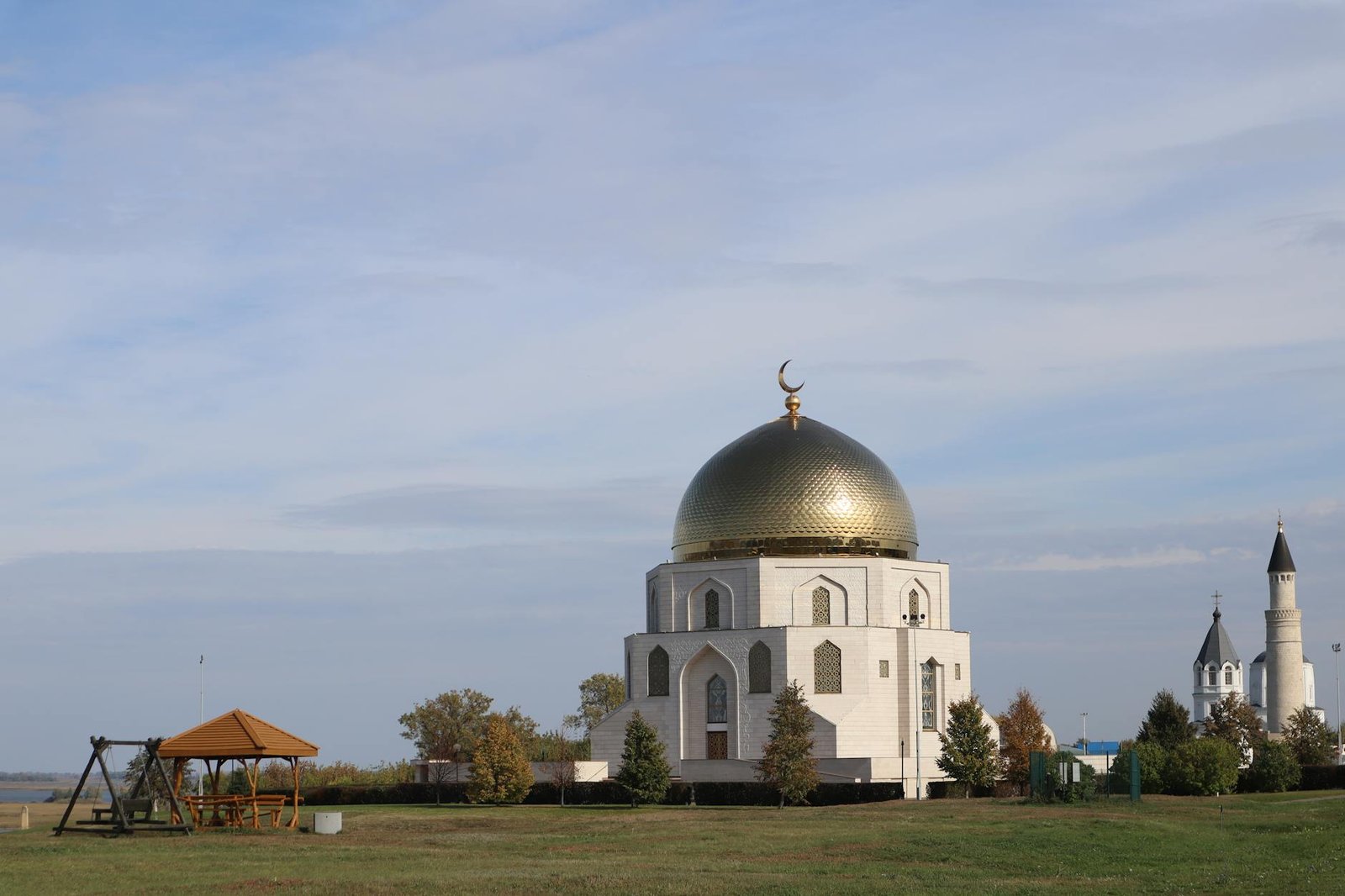
UNESCO-listed archaeological site featuring a restored 16th-century white-stone Mosque, remnants of ancient city walls and buildings, and panoramic views over the Volga. The Mosque is an iconic symbol of Bolgar and one of Russia's most significant Islamic monuments. Most visitors explore the grounds and exterior; interior access is for prayer or guided tours only.
2
Bolgar Archaeological Museum
Small museum near the Mosque displaying artifacts, pottery, coins, and exhibits related to the ancient settlement and its 10th-century Golden Horde period. Interpretive panels are in Russian and English. The museum is usually included in organized excursions.
Book with the ship, or on your own?
Booking independently
- Often noticeably cheaper than the ship’s version of the same tour.
- Smaller groups and local operators, with traveler reviews you can read before you pay.
- Free cancellation on most tours, usually up to 24 hours before.
When the ship’s excursion makes sense
- Short port calls or long transfers where the timing is tight.
- Tender-only stops where getting ashore can run late.
- The ship waits for its own delayed excursions — it won’t wait for independent ones, so leave a buffer before all-aboard.
We may earn a commission when you book through our links, at no extra cost to you — it’s how we keep these guides free.
Check The Port Traffic
Cruise Ships in Port
Once you have your shore plan, use the schedule to see how busy the harbour will be on your date, plus the ships, lines, and published call windows.
Sun
Mon
Tue
Wed
Thu
Fri
Sat
1
2
3
4
5
6
7
8
9
10
11
12
13
14
15
16
17
18
19
20
21
22
23
24
25
26
27
28
29
30
31
Quiet (1–2)
Busy (3–4)
Packed (5+)
0 scheduled calls
October 2, 2026
No scheduled cruise ship calls were found for this date selection. Pick a highlighted day on the calendar above, widen the range, or search for a different ship or line.
Port Overview
Bolgar (also Bulghar or Bolghar) is a small, ancient settlement on the left bank of the Volga River in Tatarstan, about 160 km south of Kazan. Ships anchor rather than dock at a terminal; passengers are tendered ashore. The town is primarily known as a UNESCO World Heritage site and one of Russia's earliest cultural centers, with a 10th-century Islamic past and a now-restored white-stone Mosque and archaeological museum on a prominent hill. Most cruisers visit via organized ship excursions rather than independent exploration. The port is not a commercial hub; there are no shops, restaurants, or services to speak of outside the port area. A few hours ashore is typical; very few passengers venture far from the organized tour route.
Is It Safe?
Bolgar is a quiet, small town with no reports of crime targeting tourists. The main risk is logistical: poor signage, limited English, and sparse services inland. Stay on main paths and avoid wandering after dark. Pickpocketing is rare but possible in crowded areas. The tender landing and dock areas are safe and monitored. If you hire a taxi, note the driver's details and confirm the fare before departing. The white-stone Mosque is a respected religious site; dress modestly (covered shoulders and knees) if you enter.
Accessibility & Walkability
The tender process may be challenging for passengers with mobility issues; landings are basic, and tenders can be unstable in waves. Once ashore, the path to the historic site involves uphill walking and uneven terrain. The Mosque grounds are partially paved but have gravel areas. The museum has a few steps at the entrance. Inform your cruise line of accessibility needs in advance; some lines offer wheelchair-accessible excursions or alternative arrangements.
Outside the Terminal
Exiting the tender landing, you'll see a basic dock area with a small covered shelter, a few benches, and a parking area for tour coaches. Beyond that is open grassland sloping up toward the town and the white-stone Mosque on the hillside. There are no shops, cafes, or facilities here. In summer, the area is green and pleasant; in shoulder seasons, it can be windy and muddy. Tour groups gather quickly; if you're not joining an excursion, the area feels empty within minutes.
Local Food & Drink
Bolgar has no restaurants or cafes that cater to tourists. The nearest dining options are in Kazan, 160 km away. Most cruisers eat aboard the ship before or after the port stop. If you must eat ashore, pack snacks and bring bottled water. Some ship excursions may include a brief stop at a local café or tea house, but do not rely on it. Tatars traditionally eat plov (rice pilaf), shurpa (meat soup), and pastries; these are rarely available in Bolgar itself outside of private homes.
Shopping
There is no shopping infrastructure in Bolgar. No souvenir shops, markets, or stores operate near the port. Larger towns like Kazan have souvenir shops and markets, but they are inaccessible on a typical port day. Buy any gifts or supplies before or after visiting Bolgar, either in your home country or in Kazan.
Money & Currency
- Currency
- Russian Ruble (RUB)
- USD Accepted?
- No
- Card Payments
- Not reliable; assume cash only.
- ATMs
- None in Bolgar; nearest ATMs are in Kazan.
- Tipping
- Not expected or customary.
- Notes
- Bring cash rubles or USD (and exchange in Kazan beforehand) if you plan independent travel. Most organized excursions are pre-paid via the cruise line.
Weather & Best Time
- Best months
- May–September (warm, dry, green)
- Avoid
- November–March (very cold, snow, short daylight)
- Temperature
- July–August: 20–26°C (68–79°F); May–June and September: 12–18°C (54–64°F)
- Notes
- Spring and fall can be windy and muddy. Summer is ideal for outdoor site exploration. Winter cruises are rare on this route.
Airport Information
- Airport
- Kazan International Airport (KZN)
- Distance
- ~180 km (110 miles) from Bolgar
- Getting there
- Car rental, shuttle bus, or taxi from Kazan to the river cruise embarkation point. Most river cruises do not dock in Bolgar; they use Kazan as the main port and offer optional excursions to Bolgar.
- Notes
- Bolgar is typically a stop on multi-day Volga river itineraries. Few cruises embark/disembark here. Plan connections through Kazan.
Getting Around from the Port
Tender
Ships anchor offshore; tenders (small boats) ferry passengers to a basic landing area. The process is organized by the cruise line.
Ship-organized excursion
The cruise line offers guided coach or walking tours to the Bolgar Historic Center, Mosque, and museum. Guides are usually in English.
Walking
Immediate waterfront and dock area are walkable. Town center is 1–2 km uphill; no sidewalks, poor signage, and sparse English.
Local taxi
Taxis may be available at the tender landing, but drivers rarely speak English and meter systems are unreliable.
Book a transfer 5% off with code TPO5 at checkoutDetails last checked April 2026
Planning a cruise here?
Viking River Cruises, Uniworld, AmaWaterways & more sail to Bolgar.
Practical Tips for Cruise Passengers
- Book the ship's organized excursion before the port day; independent exploration is slow, poorly marked, and not worth the time on a short visit.
- Wear sturdy walking shoes and bring sun protection; the uphill walk to the Mosque is exposed and unshaded.
- Carry bottled water and snacks; there are no shops or cafes ashore.
- Dress modestly if you plan to visit the Mosque interior; women should wear a headscarf, available at the entrance.
Frequently Asked Questions
Ships anchor offshore; passengers are tendered to a basic landing. The tender process is managed by the cruise line and is generally straightforward unless weather is rough.
You can walk independently, but it is slow and poorly signposted. The ship's organized excursion is much easier and worth the extra cost. Independent exploration is only for experienced travelers comfortable with minimal English and no facilities.
No. The main sites (Mosque and museum) take 2–3 hours. Most cruisers spend 4–5 hours ashore and return to the ship for lunch or dinner. Bolgar is a cultural stop, not a destination for extended exploration.
Find cruises to Bolgar, Russia
Compare sailings and book with no fees — best price guaranteed.
We may earn a commission when you book through our links, at no extra cost to you — it’s how we keep these guides free.
✉ Sailing to Bolgar? Get your port-day plan
Tell us your sail date and we’ll email you a short Bolgar plan about 60 days out — when the good excursions start selling out — plus a final checklist 2 weeks before. Two emails, then done. We’ll send one note to confirm it’s really you — unsubscribe anytime.
European River Cruises
View All
More European River Cruises Ports

European River Cruises

European River Cruises

European River Cruises