
Asia
Ships anchor offshore; passengers are tendered to a basic landing area with limited facilities.
Choose the Right Port Day
Best Overall
Join your ship's guided village walk if offered — guides provide cultural context that makes a plain-looking town much more interesting. If going independently, pair the market with a pagoda visit.
Best Beach
Not relevant — Tigyaing is an inland river town with no beach access.
With Kids
A walk through the market and a visit to an active pagoda can genuinely fascinate curious kids — monks, incense, colorful offerings, and a calm pace make it more engaging than a typical museum stop.
Only 3-4 Hours
Walk from the tender landing to the main local market, spend 30-40 minutes browsing stalls, then head to the nearest pagoda on the riverbank, and finish with a slow walk through the main street before returning to the ship.
Cheapest Option
Walk ashore independently, explore the market and riverfront pagoda on foot. Spend under $5 USD total including water and a small temple donation.
What To Avoid
Do not expect polished tourism here — facilities are minimal and there are no cafes or restaurants geared to Western visitors. Also avoid wandering far from the town center without a local guide, as roads quickly become rural tracks.
Quick Take
- Port Type
- Small Irrawaddy River Town
- Best For
- Travelers who want an unfiltered look at rural Myanmar village life, local markets, and Buddhist temple culture without tourist crowds.
- Avoid If
- You need accessibility-friendly terrain, air-conditioned attractions, or reliable tourist infrastructure. This is a very basic stop.
- Walkability
- Moderate — the town center is small and flat, but roads are unpaved or rough in places. Heat and dust are real factors.
- Budget Fit
- Very budget-friendly. Minimal paid attractions. Expenses are mostly bottled water and small donations at temples.
- Good For Short Calls?
- Yes — a half day is actually the right amount of time here. There is not enough to fill a full day independently.
Top Things To Do
1
Local Market Visit
Tigyaing's morning market is an active, working market supplying the local population — not a tourist bazaar. You will find fresh produce, dried fish, longyis, and household goods. It is colorful, busy, and genuinely photogenic if you are respectful about it.
2
Riverfront Pagoda
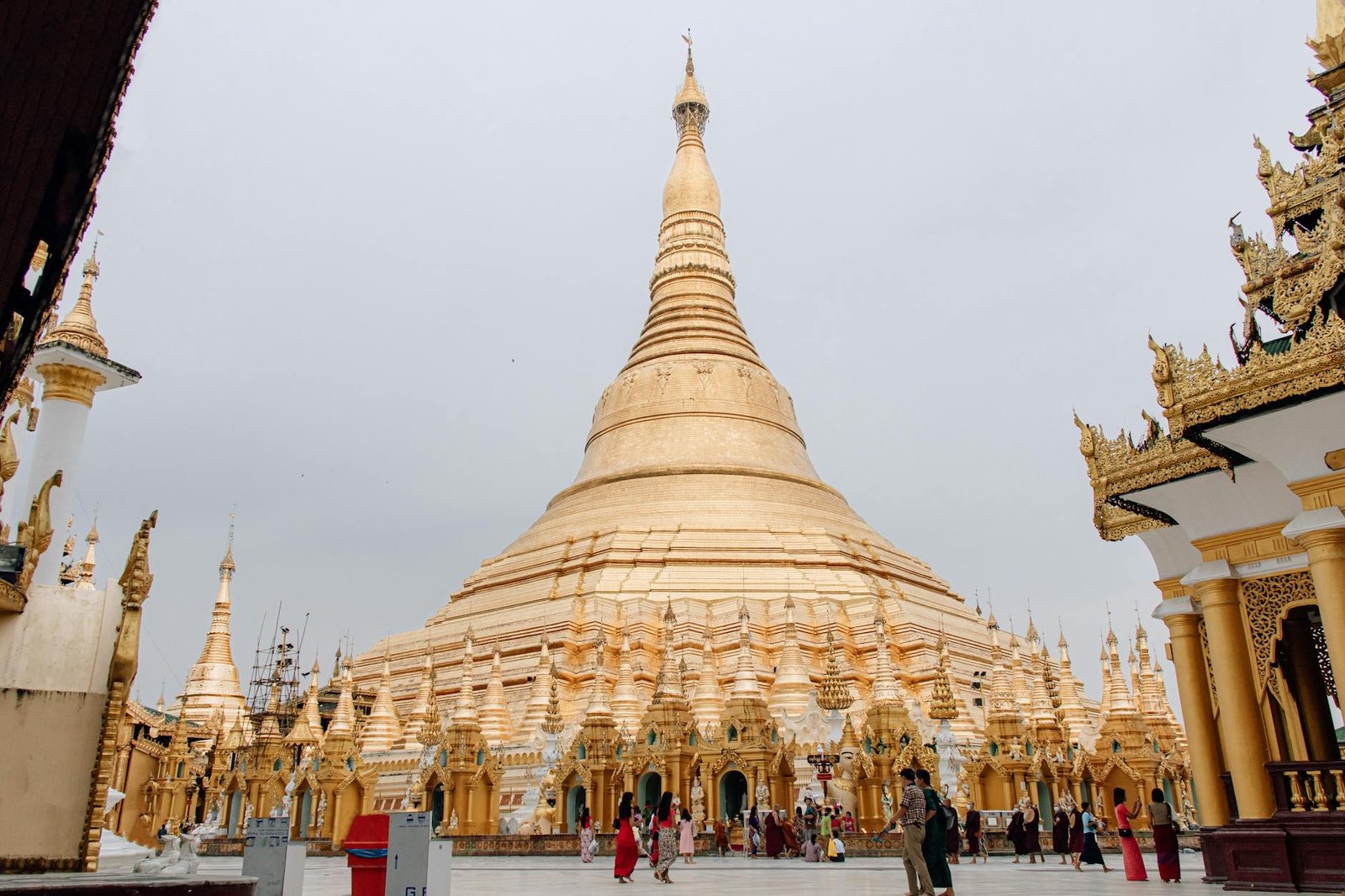
One or more Buddhist pagodas sit close to the riverbank and are active places of worship. Early morning visits often coincide with monks and locals making offerings. The atmosphere is calm and the architecture is classic Burmese style.
3
Village Walk
A slow walk through the main residential streets gives an honest picture of daily life in a small Myanmar river town — children heading to school, women weaving, men repairing boats. No agenda required; just walk and observe.
Show 2 more things to do in Tigyaing
4
Monastery Visit
Some cruise lines arrange visits to a local monastery where you may see young novice monks studying or eating. A guide is strongly recommended to ensure proper etiquette and meaningful interaction.
5
Riverbank Watching
The Irrawaddy at Tigyaing is wide and busy with local river traffic — flat-bottomed ferries, fishing boats, and cargo barges. Sitting at the riverbank for 20 minutes watching the river work is surprisingly absorbing.
Book with the ship, or on your own?
Booking independently
- Often noticeably cheaper than the ship’s version of the same tour.
- Smaller groups and local operators, with traveler reviews you can read before you pay.
- Free cancellation on most tours, usually up to 24 hours before.
When the ship’s excursion makes sense
- Short port calls or long transfers where the timing is tight.
- Tender-only stops where getting ashore can run late.
- The ship waits for its own delayed excursions — it won’t wait for independent ones, so leave a buffer before all-aboard.
We may earn a commission when you book through our links, at no extra cost to you — it’s how we keep these guides free.
Port Overview
Tigyaing is a quiet town on the eastern bank of the Irrawaddy River in Sagaing Region, northern Myanmar. Ships anchor mid-river and passengers are tendered ashore — factor in 10-15 minutes each way for that transfer. The town itself is small, unhurried, and largely untouched by tourism, which is both its appeal and its limitation.
This is not a port with polished attractions. What you get instead is a genuinely authentic slice of rural Burmese life: a busy local market, active Buddhist pagodas, monks going about their morning routines, and a community that is not performing for tourists. For river cruisers who have already ticked off Bagan and Mandalay, Tigyaing offers a low-key but rewarding counterpoint.
Most cruise lines visiting here are upscale river operators — Uniworld, AmaWaterways, Viking, Scenic, Avalon, Emerald, Tauck, APT, and Riviera Travel — and they typically offer guided village walks or cultural excursions. These are worth taking here specifically because the town's character is easy to miss without context. Going ashore independently is fine, but keeps your radius small.
Is It Safe?
Tigyaing is a low-crime, conservative rural town. The main practical risks are environmental: intense heat during dry season (November–April), dust, uneven ground, and limited access to clean water or medical help. Carry your own bottled water and any medication you need.
Be respectful at pagodas and monasteries — remove shoes, cover shoulders and knees, and ask before photographing monks or worshippers. Myanmar overall has complex political sensitivities as of the mid-2020s; cruisers should check their government's travel advisory before departure. Your cruise line will have current briefings on safe movement ashore.
Accessibility & Walkability
The tender process alone makes this port challenging for anyone with significant mobility limitations — boarding and disembarking a tender on a moving river requires steps and balance. Onshore, the terrain is flat but surfaces are rough, dusty, and uneven. Wheelchair access is effectively not available. Travelers with mobility concerns should speak to the ship's cruise director before the port day about what, if anything, is feasible for them.
Outside the Terminal
There is no terminal building — you step off the tender directly onto a basic river landing. The transition from boat to shore is informal. Within a few minutes of walking from the landing, you will encounter local vendors, motorbikes, and the beginning of the main street. It is unvarnished and immediately real. There is no tourist welcome center, no taxi rank, and no clear signage in English, so orientation happens fast by simply walking toward the activity.
Local Food & Drink
Tigyaing has basic local teahouses and small food stalls near the market, but nothing that could be called a restaurant with a menu for tourists. Teahouses serve sweet milk tea, mohinga (rice noodle soup), and fried snacks at very low prices. Hygiene standards at stalls vary, and travelers with sensitive stomachs should be cautious about street food here.
The honest advice: eat a good meal on the ship before going ashore and treat any street snack as a bonus experience rather than a planned meal. Bottled water is essential — carry it from the ship if possible, as availability ashore is not guaranteed.
Shopping
There is no dedicated shopping for tourists in Tigyaing. The market sells everyday goods, and you may find simple longyi fabric, handmade baskets, or local snacks worth picking up as low-cost souvenirs. Prices are very low and bargaining is normal. Do not expect handicraft shops, lacquerware galleries, or anything targeted at cruise passengers.
Money & Currency
- Currency
- Myanmar Kyat (MMK)
- USD Accepted?
- No
- Card Payments
- Cards are not accepted in Tigyaing. This is a cash-only, local economy town.
- ATMs
- No reliable ATMs in Tigyaing. Bring small denomination kyat from your ship or from a larger port such as Mandalay.
- Tipping
- Small kyat tips are appreciated for local guides. Dollar tips are not easily usable in this town.
- Notes
- Currency exchange at this port is not available. Sort your kyat before arrival. Most transactions here cost very little — a few thousand kyat covers a typical shore day.
Weather & Best Time
- Best months
- November to February — dry, cooler, and much more comfortable for walking.
- Avoid
- May to October — monsoon season brings heavy rain and humidity. River levels rise significantly.
- Temperature
- 25-35°C (77-95°F) during peak cruise season. Dry season brings dust and heat; shade is limited ashore.
- Notes
- Most Irrawaddy river cruises operate in the dry season (October–March). March and April can be extremely hot — 38°C+ is possible. Hydration is critical.
Getting Around from the Port
Tender from ship
All passengers reach shore by tender. Ship-operated boats run on a schedule during the port call.
Walking
The town center, market, and riverfront pagoda are all reachable on foot from the tender landing. Roads are flat but unpaved in places.
Horse cart or tuk-tuk
Basic local transport may be available near the landing for short rides to pagodas or the market.
Ship-organized excursion
All major cruise lines offer guided village walks, market visits, and monastery stops. These are the most efficient option given the port's short call.
Details last checked April 2026
Check The Port Traffic
Cruise Ships in Port
Once you have your shore plan, use the schedule to see how busy the harbour will be on your date, plus the ships, lines, and published call windows.
Sun
Mon
Tue
Wed
Thu
Fri
Sat
1
2
3
4
5
6
7
8
9
10
11
12
13
14
15
16
17
18
19
20
21
22
23
24
25
26
27
28
29
30
31
Quiet (1–2)
Busy (3–4)
Packed (5+)
0 scheduled calls
August 30, 2026
No scheduled cruise ship calls were found for this date selection. Pick a highlighted day on the calendar above, widen the range, or search for a different ship or line.
Planning a cruise here?
Uniworld, AmaWaterways, Avalon Waterways & more sail to Tigyaing.
Practical Tips for Cruise Passengers
- Check your ship's tender schedule and return time the night before — missing the last boat in a remote town like Tigyaing is a serious problem.
- Dress modestly before going ashore: covered shoulders and knees are required at pagodas and monasteries, and it is respectful throughout the town.
- Bring small denomination Myanmar kyat from a larger port. There is nowhere to exchange money or use a card in Tigyaing.
- Carry bottled water from the ship. Shade is limited onshore and the heat can be deceptively intense even in the cooler months.
- Ask permission before photographing people, especially monks, women, and children. In rural Myanmar this matters more than in larger tourist cities.
- If your cruise line offers a guided village walk here, take it — a good local guide unlocks context that makes an otherwise plain-looking town genuinely interesting.
Frequently Asked Questions
You can go independently — the town is small, flat, and safe to walk. That said, a guide adds real value here because there are no English signs and cultural context makes the experience much richer.
Ships anchor mid-river and run tenders to a basic river landing. The ride takes about 10-15 minutes each way. Check your ship's tender schedule carefully.
Yes, if you appreciate authentic rural Myanmar life with no tourist gloss. It is not a highlights port, but it is honest and unhurried — a good contrast to Bagan or Mandalay.
Only basic local teahouses near the market. Eat on the ship before going ashore and treat any street snack as an experience, not a meal plan.
Lightweight, modest clothing covering shoulders and knees — required at temples and respectful everywhere in this conservative rural town. Closed shoes are a good idea given the uneven ground.
Find cruises to Tigyaing, Myanmar
Compare sailings and book with no fees — best price guaranteed.
We may earn a commission when you book through our links, at no extra cost to you — it’s how we keep these guides free.
✉ Sailing to Tigyaing? Get your port-day plan
Tell us your sail date and we’ll email you a short Tigyaing plan about 60 days out — when the good excursions start selling out — plus a final checklist 2 weeks before. Two emails, then done. We’ll send one note to confirm it’s really you — unsubscribe anytime.
Asia
View All


