Canada & New England
Canada & New England
Northwest Passage Cruise Port Guide: Things to Do, Walkability & Local Tips
Canada
Remote arctic anchorage with tender boat access to shore landings.
Choose the Right Port Day
Best Overall
Book the ship's primary shore excursion (usually a guided cultural walk, wildlife viewing, or archaeological site visit). These are designed for expedition cruisers and include local context impossible to find solo.
Best Beach
Not relevant. Arctic coastline is rocky, cold, and not for swimming. Some ports offer zodiac cruises for coastal scenery and wildlife viewing instead.
With Kids
Join a guided family-friendly zodiac excursion to spot wildlife (whales, birds, seals). Shore-based museum visits work if the settlement has one. Independent walking is not advisable for young children due to terrain and isolation.
Only 3-4 Hours
Book the ship's guided walking tour of the settlement (usually included). Visit the local museum or cultural center if available, then photograph the waterfront and return to the ship. Most ports lack infrastructure for independent wandering.
Cheapest Option
Stay on the ship or participate in included ship-led orientation walks. Most cultural and wildlife activities are pre-booked through your cruise line; additional costs run $50–$200 USD per excursion.
What To Avoid
Do not expect to explore independently like a typical cruise port. Terrain, weather, remoteness, and lack of services make solo wandering risky. Avoid arriving without rain gear and sturdy footwear; conditions are harsh year-round.
Quick Take
- Port Type
- Expedition / Historic Small Port
- Best For
- Arctic explorers, Indigenous culture enthusiasts, photographers, travelers seeking authentic remote experiences. Not a leisure cruise destination.
- Avoid If
- You want beaches, shopping, nightlife, or easy self-guided exploration. Most Northwest Passage stops require guide-led shore excursions and are weather-dependent.
- Walkability
- Highly variable by settlement. Most stops are tiny (populations under 1,000). Terrain is often uneven, muddy, or icy. Independent walking is limited; guided excursions are standard.
- Budget Fit
- Expedition cruises (typically $4,000–$15,000+) already price in shore excursions. Additional spending is minimal; few shops or restaurants outside your ship.
- Good For Short Calls?
- Most stops are 4–8 hours. Plan one main activity (guided walk, museum, or wildlife viewing) plus casual exploration of the settlement.
Top Things To Do
1
Ship-led guided cultural and historical walks
Local guides or ship naturalists lead tours of the settlement, explaining Inuit or Dene history, traditional hunting practices, climate change impacts, and contemporary Arctic life. Visits may include the community center, school, or local museum (if available). Deeply authentic and educational.
2
Wildlife viewing zodiac cruises
Boat-based excursions to spot whales (beluga, narwhal, bowhead), seals, musk oxen, Arctic foxes, or nesting birds. Varies by region and season. Led by naturalists who explain Arctic ecology and adaptation. Photographic opportunities are exceptional.
3
Archaeological and geological sites
Some ports offer access to nearby archaeological sites (abandoned camps, Thule artifacts), geological formations (tundra, permafrost features), or historical sites (Hudson's Bay Company posts, shipwrecks). Always guide-led due to terrain and sensitivity.
Show 1 more thing to do in Northwest Passage
4
Local art and craft purchases from community members
Support Indigenous artisans by purchasing traditional crafts: carvings, tupilaks (traditional dolls), seal-skin products, or local artwork. Small community stores or direct sales from locals. Authentic and meaningful.
Book with the ship, or on your own?
Booking independently
- Often noticeably cheaper than the ship’s version of the same tour.
- Smaller groups and local operators, with traveler reviews you can read before you pay.
- Free cancellation on most tours, usually up to 24 hours before.
When the ship’s excursion makes sense
- Short port calls or long transfers where the timing is tight.
- Tender-only stops where getting ashore can run late.
- The ship waits for its own delayed excursions — it won’t wait for independent ones, so leave a buffer before all-aboard.
We may earn a commission when you book through our links, at no extra cost to you — it’s how we keep these guides free.
Check The Port Traffic
Cruise Ships in Port
Once you have your shore plan, use the schedule to see how busy the harbour will be on your date, plus the ships, lines, and published call windows.
Sun
Mon
Tue
Wed
Thu
Fri
Sat
1
2
3
4
5
6
7
8
9
10
11
12
13
14
15
16
17
18
19
20
21
22
23
24
25
26
27
28
29
30
Quiet (1–2)
Busy (3–4)
Packed (5+)
0 scheduled calls
September 20, 2026
No scheduled cruise ship calls were found for this date selection. Pick a highlighted day on the calendar above, widen the range, or search for a different ship or line.
Port Overview
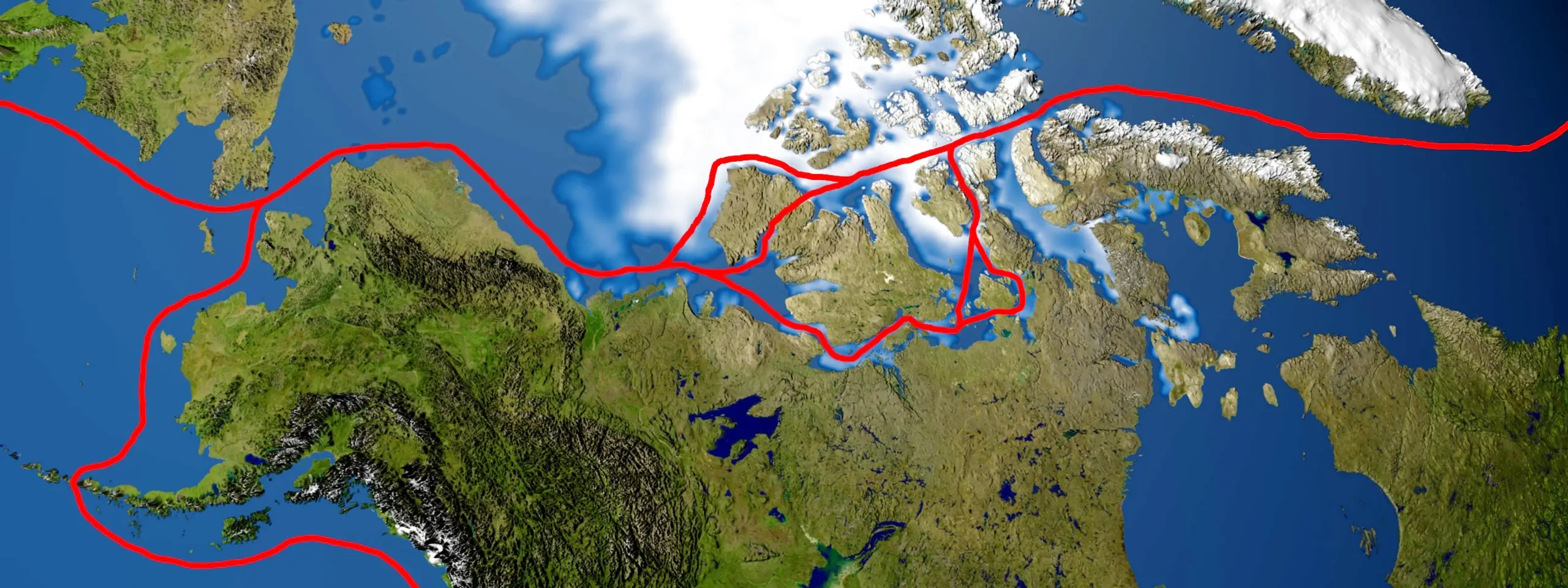
The Northwest Passage is not a single port but a historic shipping route through Canada's Arctic Archipelago. Expedition cruises (typically 10–16 days) stop at 4–8 small settlements and remote sites along the route, including places like Pond Inlet, Grise Fiord, Cambridge Bay, and Tuktoyaktuk. Ships anchor offshore and tender passengers to shore; docking infrastructure is minimal or nonexistent.
These settlements are home to Inuit, Dene, and Inuvialuit communities and serve as gateways to Arctic wildlife, geological wonders, and Indigenous heritage. There are no traditional "attractions" or commercial infrastructure. Your experience depends entirely on ship-led excursions, local guides, and weather cooperation.
Why go ashore: Unmatched Arctic scenery, wildlife (polar bears, whales, musk oxen, Arctic foxes), authentic Indigenous encounters, and once-in-a-lifetime polar exploration. Why not: Extreme remoteness, unpredictable weather, limited facilities, and high physical demands. This is expedition travel, not a leisure cruise.
Is It Safe?
The Northwest Passage is remote and demands respect. Polar bear territory is real in some regions; never hike alone or far from your group. Weather can shift rapidly; hypothermia is a genuine risk. Follow all ship safety briefings and crew guidance without exception.
Settlements are small, safe, and welcoming, with low crime. However, isolation and lack of emergency services mean minor injuries become serious. Bring personal medications, first-aid supplies, and adequate clothing (layers, waterproof jacket, warm hat, gloves, sturdy boots). Tenders operate in variable sea conditions; those prone to seasickness should take medication before boarding.
Wildlife is not aggressive but demands distance. Never approach polar bears, musk oxen, or nesting birds. Stay with guides and respect wildlife boundaries. Hypothermia is the real threat; dress warmly even in calm conditions.
Accessibility & Walkability
Most Northwest Passage settlements have no paved roads, curbs, or wheelchair-accessible infrastructure. Terrain is rocky, muddy, or gravel. Tender transfers require climbing boat sides and stepping onto uneven beaches. Mobility challenges are significant.
If you use a wheelchair or have limited mobility, speak with your cruise line pre-booking. Some ships offer accessible cabins, and crew can assist tendering, but shore access is severely limited. Many excursions require hiking or standing for extended periods. Flat, paved routes do not exist. Older adults or those with joint or cardiac concerns should assess fitness demands honestly.
Outside the Terminal
There is no terminal. Your ship anchors offshore. You board a zodiac tender in daylight, transferring to a small rocky beach or a basic dock (if one exists). The first impression is raw: dramatic Arctic landscape, small buildings, perhaps Indigenous flags, and the sound of wind. Many settlements consist of a handful of colorful houses, a community center, and a local store. The sky dominates—vast and often dramatic. Roads are gravel or dirt. Cell service is unreliable. You are genuinely remote.
Local Food & Drink
Food options in Northwest Passage settlements are extremely limited. Most towns have one small community store stocking basic groceries (canned goods, bread, milk) and dried foods at high prices (30–50% above mainland Canada due to shipping). Fresh produce is rare.
No restaurants or cafes exist in most settlements. Your ship provides all meals; plan accordingly. Some ports may offer a brief cultural lunch (traditional Arctic food like Arctic char or musk ox) hosted by the community—book through your cruise line if offered. This is more cultural experience than culinary adventure.
Bring snacks onboard if you have dietary preferences or restrictions. Tap water is safe where available. Coffee and tea are available in some community centers during shore visits.
Shopping
Shopping is minimal and primarily supports Indigenous artisans. Expect small community stores carrying basic supplies, candy, postcards, and a few local crafts. Prices are high due to remote shipping. ATMs are rare; bring cash (Canadian dollars).
The real shopping is Indigenous art and crafts: seal-skin items, tupilaks (traditional carved dolls), prints, jewelry, and traditional clothing. Purchases directly support local economies and are meaningful mementos. Haggling is not typical; prices are fair and modest. Duty-free goods are not available.
Money & Currency
- Currency
- Canadian Dollar (CAD)
- USD Accepted?
- No
- Card Payments
- Credit cards accepted rarely; cash is safer. Some lodges or tour operators may accept cards, but assume cash-only in settlements.
- ATMs
- ATMs are uncommon or absent in small settlements. Withdraw cash before boarding in a major Canadian city (Yellowknife, Inuvik, Iqaluit, or Edmonton).
- Tipping
- Tipping is not standard or expected in Arctic settlements. For guides and crew, tip $5–$10 CAD if service is exceptional.
- Notes
- Expedition cruises include most excursions and meals. Budget extra cash for Indigenous crafts ($20–$300+), onboard extras, and emergency supplies. Exchange rates favor USD holders; convert before departure.
Weather & Best Time
- Best months
- Late July to late August. Longer daylight (nearly 24 hours in some regions), slightly warmer temps (5–15°C / 41–59°F), reduced ice, and best wildlife viewing.
- Avoid
- October–May. Extreme cold (-20°C to -40°C / -4°F to -40°F), darkness, sea ice, and port closures. Not for casual cruisers.
- Temperature
- August: 5–15°C (41–59°F). Wind is constant; feels much colder. Early season (late July): 0–10°C (32–50°F) with ice hazards.
- Notes
- Dress in extreme layers: merino wool base, fleece mid-layer, waterproof parka, insulated pants, wool hat, gloves, and insulated waterproof boots. Wind chill is the real threat. Sunscreen is essential (Arctic reflection intensifies UV). Mosquitoes are fierce in July–early August; bring insect repellent.
Airport Information
- Airport
- Varies by cruise start point (Yellowknife, Inuvik, Edmonton, Montreal, or Iqaluit)
- Distance
- 100–2,000+ km depending on route
- Getting there
- Cruise lines arrange charter flights or connections. Most itineraries include pre-cruise flights from major Canadian hubs (Edmonton, Montreal, Ottawa) to a staging city (Yellowknife, Inuvik, Iqaluit), then a charter flight to the ship.
- Notes
- Northwest Passage cruises are not fly-to-port trips. They require multi-leg travel and are typically 2–3 weeks total (flights + cruise). Budget $2,000–$5,000 for airfare. Cancellations and delays are common due to Arctic weather.
Getting Around from the Port
Ship-organized zodiac tenders
All passengers transfer via inflatable boats from ship to shore. Tenders run continuously during port calls. This is the only viable transport to most settlements.
Ship-led guided shore excursions
Naturalists, historians, or local guides lead walks, wildlife viewing, cultural visits, or archaeological tours. Pre-booked through your cruise line or offered daily.
Zodiac wildlife cruises
Small group boat tours for whale watching, bird observation, seal spotting, or coastal exploration. Piloted by expedition staff.
Independent walking
Self-guided exploration of settlements is possible but extremely limited. Most towns are very small, infrastructure is sparse, and terrain is challenging.
Details last checked April 2026
Planning a cruise here?
American Cruise Lines, Lindblad Expeditions, Quark Expeditions & more sail to Northwest Passage.
Practical Tips for Cruise Passengers
- Book comprehensive expedition travel insurance covering trip cancellation, evacuation, and weather delays. Arctic cruises are often rescheduled or rerouted due to ice and weather.
- Pack layers aggressively: merino wool base, fleece, waterproof jacket, insulated pants, wool hat, gloves, thick socks, and waterproof insulated boots. Waterproof gloves for zodiac rides are essential.
- Ask your ship for safe walking routes before leaving. Never hike alone, go far from the settlement, or approach wildlife. Polar bear country demands group discipline.
- Bring a waterproof bag for electronics and camera gear. Arctic spray, humidity, and cold damage gear quickly. Save battery power; cold drains batteries fast.
- Download offline maps and bring a paper map. Cell service is unreliable. Know emergency procedures and radio frequencies given by your ship.
Frequently Asked Questions
Possibly, but not guaranteed. Bear sightings are unpredictable and vary by region and season. Guides and crew are trained in bear safety. If one appears, you'll be kept at a safe distance and instructed clearly. The possibility is thrilling but should not be your only reason to go.
Ice is unpredictable. Itineraries often change; some ports are skipped, others added. Your cruise line builds flexibility into the schedule. You won't be stranded, but plans shift. This is the nature of expedition cruising.
Yes, but with caveats. Kids age 8+ generally do well. The remote environment, cold, and physical demands of zodiac rides and walking excursions challenge younger children. Discuss fitness and temperament with your cruise line in advance.
Find cruises to Northwest Passage, Canada
Compare sailings and book with no fees — best price guaranteed.
We may earn a commission when you book through our links, at no extra cost to you — it’s how we keep these guides free.
✉ Sailing to Northwest Passage? Get your port-day plan
Tell us your sail date and we’ll email you a short Northwest Passage plan about 60 days out — when the good excursions start selling out — plus a final checklist 2 weeks before. Two emails, then done. We’ll send one note to confirm it’s really you — unsubscribe anytime.
Canada & New England
View All
More Canada & New England Ports

Canada & New England
Canada & New England

Canada & New England