
Northern Europe
Northern Europe
St Agnes Scilly Isles Cruise Port Guide: Things to Do, Walkability & Local Tips
England
Ships anchor offshore; passengers tender to the small pier on St Agnes, the southwesternmost inhabited island of the Scilly Isles.
Choose the Right Port Day
Best Overall
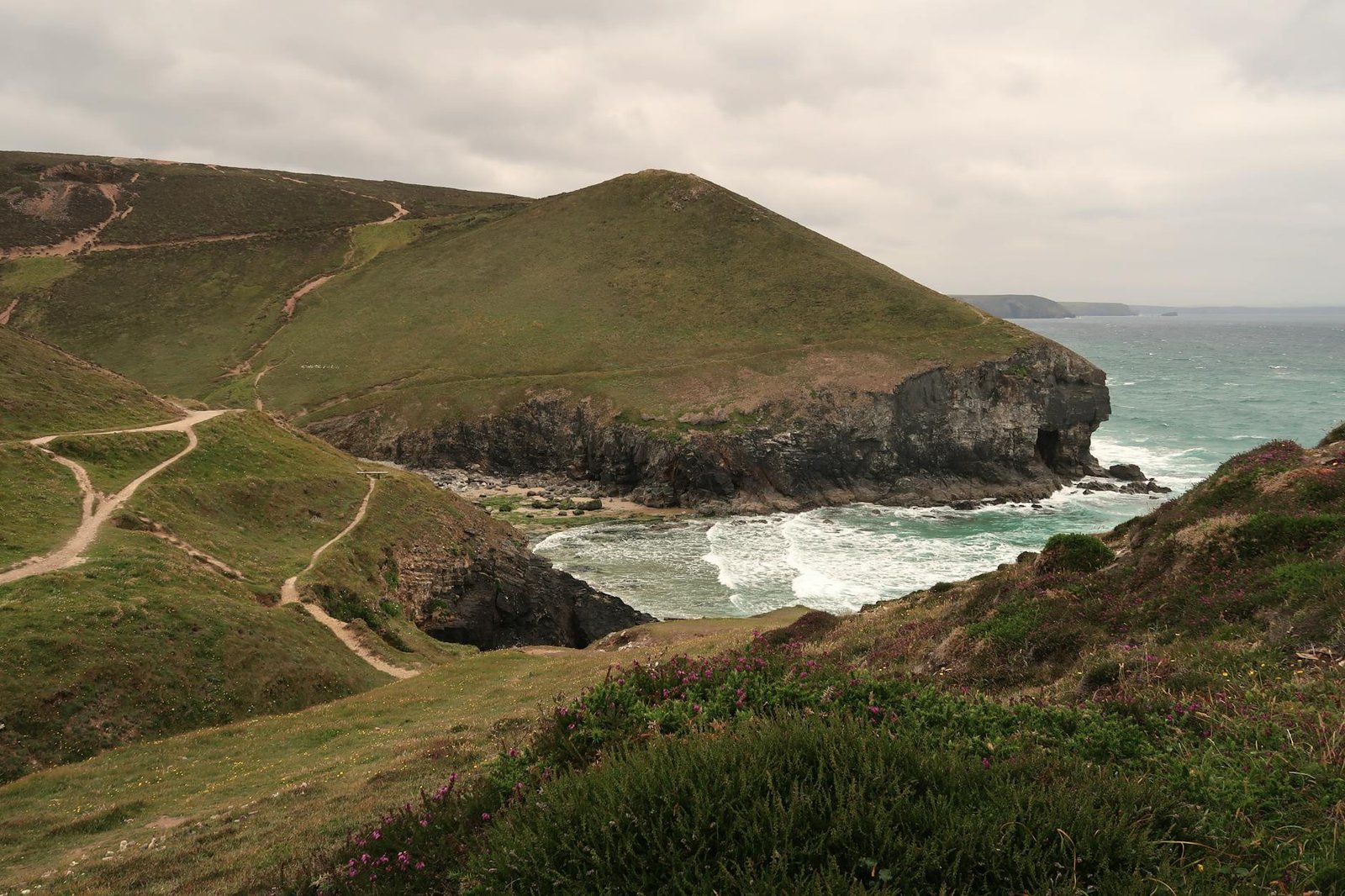
Walk the southwest coastal path to Wingletang Down for the ancient standing stones and open Atlantic views, then finish at the Turk's Head — England's most south-westerly pub. That combination captures why St Agnes is worth the tender ride.
Best Beach
Periglis Cove on the west side is quiet and sheltered — but swimming is cold and the North Atlantic Atlantic can be rough; treat it as scenic rather than a beach day.
With Kids
The short path from the quay to the working Troy Town Maze is easy with children and takes about 20 minutes. The beach at Porth Conger is safe for paddling if the weather holds.
Only 3-4 Hours
Take the first tender, walk the coastal path clockwise from Porth Conger past the Old Lighthouse and out to Wingletang Down, then loop back via the Turk's Head for a pint before returning to the tender. Do not waste time waiting around the quay.
Cheapest Option
Walk the entire island circuit for free — it takes roughly two to three hours at a gentle pace — then grab a pasty or coffee at the island's small café. Spend under £10 all day.
What To Avoid
Do not linger at the quay waiting for fellow passengers — the island is tiny and crowds feel large fast. Also avoid assuming your phone works reliably; signal is patchy and you cannot rely on maps data loading.
Quick Take
- Port Type
- Historic Small Island Stop
- Best For
- Walkers, nature lovers, slow-travel fans who want somewhere genuinely off the beaten track
- Avoid If
- You need shops, ATMs, reliable mobile signal, or more than two hours of structured activity
- Walkability
- Excellent once ashore — the whole island is walkable and car-free, but tender logistics eat into your time
- Budget Fit
- Very low-spend day: a pub lunch and a coffee is about as expensive as it gets
- Good For Short Calls?
- Made for it — four hours ashore is actually enough to circuit the island and stop for food
Top Things To Do
1
Coastal Path Circuit via Wingletang Down
The southwest tip of the island, Wingletang Down, is open Atlantic heathland covered in wildflowers (especially spring and summer) and scattered with Bronze Age standing stones and cairns. The coastal path here offers unobstructed views across open water toward the Bishop Rock lighthouse in the distance. It is the single most rewarding walk on the island and the main reason to come.
2
The Turk's Head Pub
England's most south-westerly pub and a genuine local institution. It is not a tourist trap — it is a small, functioning village pub that happens to be at the edge of the country. Sit outside if the weather allows and have a pint of local ale or a simple lunch. The pasties and sandwiches are honest and filling. Go early or late to avoid tender-day lunchtime overlap.
3
Troy Town Maze
A small stone labyrinth believed to have been laid out in 1729 by a lighthouse keeper — one of the oldest such mazes in Britain. It sits on the heathland near the coast and takes five minutes to walk through, but it is genuinely atmospheric and oddly moving. Easy to reach and family-friendly.
Show 2 more things to do in St Agnes Scilly Isles
4
St Agnes Old Lighthouse
A distinctive white tower built in 1680, now decommissioned and converted into a private dwelling, but highly photogenic from the surrounding path. It sits at the heart of the island and is unavoidable on any walk — look for it as a navigation landmark and stop for a photo. The current lighthouse function moved to Bishop Rock offshore.
5
Periglis Cove and Western Beaches
A quiet, sheltered cove on the western side of the island with clear water and minimal foot traffic. Not a beach-day destination — the Atlantic is cold and the weather unpredictable — but it is a beautiful spot to sit, eat a packed lunch, or watch the sea. The rock pools at low tide are good if you have children with you.
Book with the ship, or on your own?
Booking independently
- Often noticeably cheaper than the ship’s version of the same tour.
- Smaller groups and local operators, with traveler reviews you can read before you pay.
- Free cancellation on most tours, usually up to 24 hours before.
When the ship’s excursion makes sense
- Short port calls or long transfers where the timing is tight.
- Tender-only stops where getting ashore can run late.
- The ship waits for its own delayed excursions — it won’t wait for independent ones, so leave a buffer before all-aboard.
We may earn a commission when you book through our links, at no extra cost to you — it’s how we keep these guides free.
Check The Port Traffic
Cruise Ships in Port
Once you have your shore plan, use the schedule to see how busy the harbour will be on your date, plus the ships, lines, and published call windows.
Sun
Mon
Tue
Wed
Thu
Fri
Sat
1
2
3
4
5
6
7
8
9
10
11
12
13
14
15
16
17
18
19
20
21
22
23
24
25
26
27
28
29
30
31
Quiet (1–2)
Busy (3–4)
Packed (5+)
0 scheduled calls
October 12, 2026
No scheduled cruise ship calls were found for this date selection. Pick a highlighted day on the calendar above, widen the range, or search for a different ship or line.
Port Overview
St Agnes is the southernmost inhabited island in the Scilly Isles, sitting roughly 28 miles southwest of Land's End. Ships anchor offshore and you reach the island by tender to the small quay at Porth Conger — factor in at least 20–30 minutes each way for tender time, plus any wait. That is real time off your port day before you have even set foot on the island.
What you get ashore is genuinely special: a car-free, tractor-and-foot-traffic island with a population of around 70 people, wildflower heathland, ancient Bronze Age sites, a working lighthouse, and one pub. There are no tourist shops to speak of, no excursion buses, and no cruise-port infrastructure. That is the point.
St Agnes suits cruisers who want a walk that actually feels like an escape. It does not suit anyone hoping to tick off museums, do serious shopping, or keep children entertained with organised activities. If your ship offers a tender here, it almost certainly means a small, premium or expedition-style vessel — this is not a mainstream megaship stop.
Be honest with yourself about the time maths: a two-hour port call barely justifies the tender. Three to four hours ashore is the minimum to make it worthwhile. Five hours lets you do the island properly.
Is It Safe?
St Agnes is one of the safest places you will visit on any cruise itinerary. There is essentially no crime concern, no traffic hazard beyond the occasional tractor, and no areas to avoid. The main practical risk is the coastal path: clifftop sections can be slippery when wet and some drops are unfenced, so standard walking awareness applies. Stay back from cliff edges, especially in wind.
Weather is the real variable. The Scilly Isles sit in the Atlantic and conditions can shift quickly — sunshine, mist, and a sharp breeze can arrive within the same hour. A light waterproof layer is not optional; it is just sensible. If the sea state deteriorates, tenders may be recalled early with little warning, so keep an eye on your ship's communication and always know when the last tender departs.
Accessibility & Walkability
St Agnes is not wheelchair-friendly in any practical sense. The quay at Porth Conger is a working stone pier, and the island's paths are unpaved tracks, grass, and rocky coastal trail. A manual or powered wheelchair would struggle immediately from the landing point. Mobility-aid users or anyone with significant walking limitations will find the island frustrating and potentially inaccessible beyond the immediate quayside area.
For ambulant passengers with moderate fitness, the terrain is manageable but uneven. Good ankle support helps. There are no lifts, ramps, or accessible facilities on the island. If accessibility is a concern, this is an honest port to skip.
Outside the Terminal
There is no terminal. You step off the tender onto a stone quay at Porth Conger, and the island is immediately in front of you. Within two minutes of landing you are on a quiet path with heathland to your left and the harbour behind you. There are no touts, no taxi ranks, no excursion signs, and no facilities at the quay itself. It is disarmingly quiet. The Turk's Head pub is a short walk southwest; the island's small café is a few minutes inland. That is your orientation done.
Beaches Near the Port
Periglis Cove
Sheltered west-facing cove with clear water and low crowds. Cold water year-round. Beautiful for sitting and looking at rather than swimming.
Porth Conger
The harbour beach immediately adjacent to the tender landing. More of a tidal flat than a beach, but calm and safe for paddling on quiet days. Convenient if you have limited time or limited mobility.
Local Food & Drink
Options on St Agnes are limited by design — this is a community of about 70 people, not a tourist resort. The Turk's Head is the main eating option: real ale, straightforward pub food, and outdoor seating when the weather cooperates. Expect honest British pub fare — pasties, sandwiches, soup — at reasonable prices. The island also has a small café near the centre that serves coffee, cake, and light snacks; it can run short of supplies on busy tender days, so do not rely on it as your only plan.
Bring a snack or packed lunch from the ship if you want a guaranteed meal, especially if your port call is short or you plan to be on the coastal path during peak lunch hours. There are no restaurants, no fast food, and no takeaway options beyond what the pub and café provide. That is not a complaint — it is part of what makes the island feel real.
Shopping
There is effectively no shopping on St Agnes in any conventional sense. You might find a small selection of locally made items — honey, preserves, hand-crafted pieces — sold informally or at the café. Do not come here expecting a gift shop run. If you want Scilly souvenirs, St Mary's on the main island has more options, but even that is modest by any cruise-port standard. St Agnes is a spend-nothing or spend-very-little day.
Money & Currency
- Currency
- British Pound Sterling (GBP)
- USD Accepted?
- No
- Card Payments
- The Turk's Head and the café accept cards, but do not rely on it — connection can be unreliable. Carry some cash.
- ATMs
- None on St Agnes. Bring cash from the ship or withdraw on a previous port.
- Tipping
- Not expected but appreciated in the pub. Round up or add 10% if service is good.
- Notes
- Mobile data is patchy. Contactless sometimes fails. A £20 note is genuinely useful here.
Weather & Best Time
- Best months
- May to September for warmest and most stable conditions; late May to June for wildflowers at their peak
- Avoid
- November to February — very few ships call here then, weather is harsh, and some island facilities may be reduced
- Temperature
- 12–18°C (54–64°F) in summer; Atlantic winds make it feel cooler
- Notes
- Rain can arrive without much warning. Even on a sunny morning, a light waterproof jacket is the right call. Wind is a constant presence — it shapes the landscape and it will shape your walk.
Getting Around from the Port
Walking
The only realistic way to explore. The island is roughly 1.5 miles long and all paths are accessible on foot. The full coastal circuit takes 2–3 hours at an easy pace.
Tender from ship
Ships anchor in the Roads and run tenders to Porth Conger quay. Your cruise line manages the schedule. Allow 20–30 minutes each way plus queuing time.
Inter-island boat
St Mary's, the main Scilly island, is reachable by passenger ferry from St Agnes. Only relevant if your ship also calls St Mary's or if you want to explore further — confirm with your cruise line first.
Book ferry ticketsDetails last checked April 2026
Planning a cruise here?
Saga Cruises, Ponant, Hurtigruten & more sail to St Agnes Scilly Isles.
Practical Tips for Cruise Passengers
- Board the first available tender — the island is tiny and even a small passenger group can feel like a crowd on the main path. Get ahead of it.
- Check the last tender time before you go ashore and set a phone alarm 45 minutes before it. Missing the tender on a remote island is not a small problem.
- Bring cash. The only pub and the café have card readers, but connection fails often enough that a £10–20 note is worth having.
- Wear closed-toe shoes with grip. The coastal paths are muddy after rain and rocky in places — sandals are a liability.
- Download an offline map of St Agnes before you lose mobile signal on the tender. Google Maps or Maps.me work well with downloaded offline areas.
- If you only have two hours ashore, do not attempt the full island circuit — walk to the Old Lighthouse, spend 30 minutes at the Turk's Head, and return. It is still a good stop.
Frequently Asked Questions
No. All ships anchor offshore and use tenders to reach Porth Conger quay. Factor at least 20–30 minutes each way into your planning, plus any queuing time at peak periods.
If you have three or more hours ashore, yes — it is a genuinely distinctive stop. Under two hours and the tender logistics alone make it marginal unless you simply want to say you have been to England's most south-westerly community.
Rarely, and when offered they tend to be guided walks from your cruise line rather than independent operators. The island is compact enough that most cruisers explore independently without any guide.
Honestly, no. The quay, paths, and terrain are uneven and unpaved from the moment you step ashore. Wheelchair users and those with significant mobility challenges will find this port impractical.
Head to the Turk's Head, which is warm and welcoming, and wait it out with a drink. If conditions deteriorate seriously, your ship may recall tenders early — stay alert to any announcements from the crew.
Find cruises to St Agnes Scilly Isles, England
Compare sailings and book with no fees — best price guaranteed.
We may earn a commission when you book through our links, at no extra cost to you — it’s how we keep these guides free.
✉ Sailing to St Agnes Scilly Isles? Get your port-day plan
Tell us your sail date and we’ll email you a short St Agnes Scilly Isles plan about 60 days out — when the good excursions start selling out — plus a final checklist 2 weeks before. Two emails, then done. We’ll send one note to confirm it’s really you — unsubscribe anytime.
Northern Europe
View All
More Northern Europe Ports
Northern Europe

Northern Europe

Northern Europe
