
Canada & New England
Canada & New England
Axel Heiberg Island Cruise Port Guide: Arctic Expedition Planning & What to Expect
Nunavut, Canada
Ships anchor offshore; tender boats required to reach shore.
Choose the Right Port Day
Best Overall
Zodiac excursion to view Catacomb Glacier, Meteor Fiord, or Nansen Fiord for geology and musk ox sightings. Pair with on-deck wildlife spotting (polar bears, walruses, seabirds) from ship.
Best Beach
Not applicable. Axel Heiberg is tundra and ice, not a beach destination.
With Kids
Generally not recommended for young children; temperatures drop well below freezing, zodiac rides are rough, and physical demands are high. Teens (14+) with Arctic experience may cope.
Only 3-4 Hours
Not realistic. Even brief zodiac excursions take 2–3 hours plus transfer time. Inform your cruise line you have limited time; they may offer a shorter boat ride to view glaciers or wildlife.
Cheapest Option
Cost is fixed by cruise line and included in passage. No independent shore spending. Wear your own cold-weather gear to avoid pricey onboard rentals.
What To Avoid
Overestimating your cold tolerance; Arctic conditions are unforgiving. Avoid wandering independently; all excursions are guided for safety and permit compliance.
Quick Take
- Port Type
- Remote Arctic expedition anchorage.
- Best For
- Wildlife enthusiasts, geologists, photographers, and serious Arctic explorers willing to rough it.
- Avoid If
- You dislike cold, need comfort infrastructure, or want shops, restaurants, or traditional port amenities.
- Walkability
- Not applicable; access is by zodiac or guided excursion only. Land exploration is tundra-based and physically demanding.
- Budget Fit
- All-inclusive expedition cruise pricing ($8,000–$25,000+ per person); no independent spending options.
- Good For Short Calls?
- Rare; most excursions are 4–8 hours. Plan full-day Arctic immersion.
Top Things To Do
1
Catacomb Glacier and Meteor Fiord zodiac tour
Cruise by zodiac past active and relict glaciers in this stunning fjord. Common landing sites offer walks across moraine and past glacial streams. Excellent for photography and geological study. Naturalists explain glacial recession and climate signals.
2
Nansen Fiord wildlife and landscape excursion
Zodiac exploration of a deep fjord known for walrus haul-outs, seabird colonies, and dramatic glaciated peaks. Shore walks on tundra offer musk ox sightings and Arctic flora study. Quieter and less visited than Catacomb.
3
Deck wildlife watching
Remain aboard and scan the water and ice for polar bears, walruses, narwhals, belugas, seals, and Arctic seabirds. Ship will slow or change course for sightings. Crew naturalists provide context.
Book with the ship, or on your own?
Booking independently
- Often noticeably cheaper than the ship’s version of the same tour.
- Smaller groups and local operators, with traveler reviews you can read before you pay.
- Free cancellation on most tours, usually up to 24 hours before.
When the ship’s excursion makes sense
- Short port calls or long transfers where the timing is tight.
- Tender-only stops where getting ashore can run late.
- The ship waits for its own delayed excursions — it won’t wait for independent ones, so leave a buffer before all-aboard.
We may earn a commission when you book through our links, at no extra cost to you — it’s how we keep these guides free.
Check The Port Traffic
Cruise Ships in Port
Once you have your shore plan, use the schedule to see how busy the harbour will be on your date, plus the ships, lines, and published call windows.
Sun
Mon
Tue
Wed
Thu
Fri
Sat
1
2
3
4
5
6
7
8
9
10
11
12
13
14
15
16
17
18
19
20
21
22
23
24
25
26
27
28
29
30
Quiet (1–2)
Busy (3–4)
Packed (5+)
0 scheduled calls
September 15, 2026
No scheduled cruise ship calls were found for this date selection. Pick a highlighted day on the calendar above, widen the range, or search for a different ship or line.
Port Overview
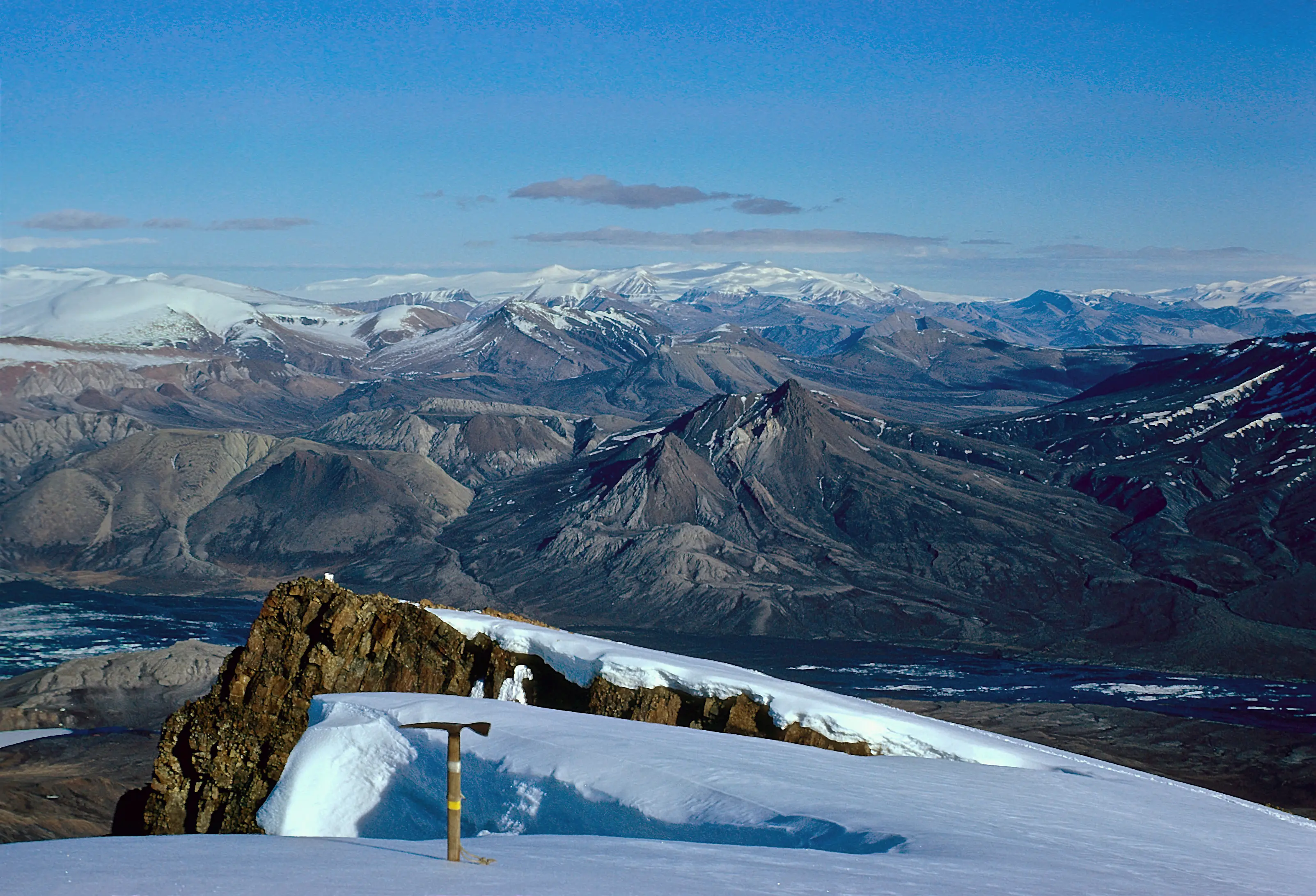
Axel Heiberg Island is a desolate, ice-covered landmass in the Canadian Arctic Archipelago, ~1,000 km north of mainland Canada. Ships anchor offshore and do not dock; all access is by zodiac or guided hiking excursion. There is no port town, settlement, facilities, or infrastructure—only raw Arctic wilderness: glaciers, fjords, tundra, and cold-adapted wildlife. This is a pure expedition stop, not a leisure port. Cruisers visit for geology (active and relict glaciers, fossil sites, dramatic terrain), wildlife (musk ox, polar bears, seabirds, walruses), and the Arctic experience itself. Expect extreme cold (–5 to –15°C / 23 to 5°F in summer), variable ice conditions, and trips that may be aborted due to weather or pack ice. Your cruise operator (Hurtigruten, Lindblad, Quark, Ponant, Silversea) will handle all logistics and guide safety. Do not go ashore independently.
Is It Safe?
Axel Heiberg Island poses genuine physical and environmental hazards. Polar bears are present; all landings are supervised by bear monitors or armed guides, and crew brief passengers on bear protocol before each excursion. Zodiac travel on Arctic waters can be rough and cold; capsizing is rare but possible. Hypothermia is a real risk if you are overboard or inadequately dressed. All expedition cruises require passengers to wear waterproof immersion suits or survival suits; these are provided. Follow crew instructions precisely. Do not wander from designated sites or guides. Sudden weather changes can cancel excursions with little notice. Cruise operators insure all activities and conduct regular safety drills; your responsibility is to stay alert and dress appropriately. Medical facilities are aboard ship only; evacuation to mainland is expensive and complex.
Accessibility & Walkability
Axel Heiberg is not accessible for wheelchair users or those with limited mobility. Zodiac boarding requires climbing rope ladders or steps, and tundra terrain is uneven, boggy, and soft. Hiking is mandatory for most excursions. If you have mobility challenges, inform your cruise operator at booking; they may offer modified deck-based viewing only. Restrooms are aboard ship. There are no facilities ashore.
Outside the Terminal
There is no terminal. Ships anchor 0.5–2 km offshore. Your first experience is a safety briefing in the ship's lounge, followed by boarding a zodiac in the gangway embarkation area, wearing a survival suit and life jacket. The ride to shore takes 20–45 minutes depending on sea state and destination distance. Once ashore, you will step onto tundra, rocky beach, or glacier moraine—often wet and muddy. The wind is typically strong, visibility changes rapidly, and the silence is profound. There are no shops, cafes, restrooms, or people—only rock, ice, tundra plants, and wildlife. The expedition team is your entire infrastructure.
Beaches Near the Port
Arctic tundra landings
Not true beaches, but designated landing zones on rocky shore, moraine, or tundra. Wet, cold, and muddy; access only via zodiac with guides. No swimming or leisure beach time.
Local Food & Drink
All meals are served aboard your cruise ship. There are no restaurants or food vendors ashore. Expedition cruises offer daily changing menus emphasizing fresh ingredients sourced before departure and Arctic-themed dishes. Breakfast, lunch, and dinner are buffet or table service. Afternoon tea and evening cocktails are standard. Dietary restrictions (vegetarian, vegan, gluten-free, allergies) must be notified at booking and confirmed at embarkation. A galley tour may be offered. Pack energy bars or snacks if you prefer extra provisions during excursions, though crew will provide water and hot beverages at landing sites. Most ships have a small shop selling light snacks and beverages (check locally for current rates).
Shopping
There is no shopping ashore. Ships typically have a small onboard shop selling Arctic-themed souvenirs (postcards, books on Arctic wildlife and geology, maps, patches), plus basic toiletries and branded expedition apparel. Prices are inflated; plan ahead. Some cruises offer Inuit art or local crafts sourced from Arctic communities, sold aboard. Bring any specialty items or medications from home.
Money & Currency
- Currency
- Canadian Dollar (CAD)
- USD Accepted?
- No
- Card Payments
- Credit cards (Visa, Mastercard) accepted aboard ship; no use ashore.
- ATMs
- None ashore.
- Tipping
- Tipping (gratuity) is typically pooled and added to your bill at end of cruise. Check your pre-cruise documents for rates. Crew naturalists and zodiac operators appreciate tips, pooled by cruise line.
- Notes
- All spending is aboard ship; pre-pay or charge to cabin account. No independent transactions ashore.
Weather & Best Time
- Best months
- July–August for warmest temps, least ice, and longest daylight. Late June and early September can be good but icier and colder.
- Avoid
- September–June; severe cold, darkness, ice hazards, and very limited ship access.
- Temperature
- July–Aug: –5 to 0°C (23 to 32°F) on land; wind chill often –10 to –20°C (14 to –4°F). Water temp: just above freezing.
- Notes
- Arctic weather is unpredictable; conditions can shift within hours. Prepare for all scenarios: blizzard, fog, high wind, and bitter cold. No 'summer' warmth here. 24-hour daylight or near-continuous twilight aids wildlife viewing and photography.
Airport Information
- Airport
- Resolute Bay Airport (YRB), Nunavut, Canada (nearest landing point; 600+ km south)
- Distance
- 600+ km; inaccessible from Axel Heiberg without icebreaker or special charter.
- Getting there
- None. Axel Heiberg is accessed only via expedition cruise ship. No road, air, or ferry links.
- Notes
- Cruise embarkation is typically from Longyearbyen (Svalbard, Norway) or Greenland. Pre- or post-cruise stays in Longyearbyen, Kangerlussuaq (Greenland), or other Arctic hubs are common. Plan accordingly.
Getting Around from the Port
Zodiac (inflatable boat)
Ship anchors offshore. Zodiacs ferry passengers to landing sites or close-approach wildlife areas. Trips are 1–4 hours depending on destination.
Book ferry ticketsGuided shore walks
After zodiac landing, naturalists lead hikes on tundra, glacier, or moraine terrain. Distances and difficulty vary.
Deck-based wildlife viewing
View seabirds, whales, walruses, and occasionally polar bears from ship deck while anchored or underway.
Details last checked April 2026
Planning a cruise here?
Hurtigruten, Lindblad Expeditions, Quark Expeditions & more sail to Axel Heiberg Island.
Practical Tips for Cruise Passengers
- Book your immersion suit and thermal liner rentals well in advance; poorly fitting gear leads to cold exposure and misery.
- Bring a high-quality camera with telephoto lens (200+ mm) and spare batteries; cold drains them fast, and wildlife moments are fleeting.
- Pack motion sickness medication even if you rarely get seasick; Arctic seas are rough, and zodiac rides can be bouncy.
- Attend all pre-excursion briefings and safety drills; they contain vital bear-awareness, zodiac, and weather-change protocols.
- Set your expectations: Arctic exploration is beautiful but uncomfortable, unpredictable, and physically demanding. Discomfort is part of the authentic experience.
Frequently Asked Questions
No. Polar bears are present but rarely encountered. Zodiac tours may sight walruses, musk ox, seals, or birds more reliably. Deck-based spotting offers the best odds, especially early morning. Bring patience and binoculars.
No. All landings are guided for safety (polar bears, terrain hazards, permit rules). Wandering alone is forbidden and dangerous. Guides carry bear deterrents and know the landscape.
Weather can cancel zodiac trips or shorten them. Expedition cruises plan for this; you'll spend more time on deck or in the lounge. Cruise operators do not refund for weather-cancelled activities, as they are included in your cruise fare.
Find cruises to Axel Heiberg Island, Nunavut, Canada
Compare sailings and book with no fees — best price guaranteed.
We may earn a commission when you book through our links, at no extra cost to you — it’s how we keep these guides free.
✉ Sailing to Axel Heiberg Island? Get your port-day plan
Tell us your sail date and we’ll email you a short Axel Heiberg Island plan about 60 days out — when the good excursions start selling out — plus a final checklist 2 weeks before. Two emails, then done. We’ll send one note to confirm it’s really you — unsubscribe anytime.
Canada & New England
View All
More Canada & New England Ports
Canada & New England
Canada & New England

Canada & New England
