
South America
South America
Champion Island Galápagos Cruise Port Guide: Tender Tips, Things to Do & What to Expect
Galapagos
Small island with tender-only access; boarding may be weather-dependent.
Choose the Right Port Day
Best Overall
Book a guided naturalist walk focusing on endemic species (tortoises, marine iguanas, flightless cormorants) rather than rushing snorkel or beach time. Photography matters here.
Best Beach
Not a beach-focused port. Some landing sites have sandy approaches (e.g., Cerro Brujo), but beaches are secondary to wildlife habitat access.
With Kids
Family-friendly naturalist walks work well if kids can manage uneven terrain and patience for wildlife spotting. No resorts, playgrounds, or typical kid infrastructure.
Only 3-4 Hours
Arrive early for the first tender, allow 30–45 min boarding + water transit. Opt for one guided trail walk (Giant Tortoise or Galápagos penguin habitat, ~90 min). Skip snorkel or secondary activity; focus on wildlife viewing and photography.
Cheapest Option
Included ship-led naturalist walk and landing. Park entry fees are typically pre-paid by cruise line. Snorkel gear rental or specialist photo workshops cost extra.
What To Avoid
Overestimating how much you can do in a short call; tender delays and safety briefings consume 60+ minutes. Don't expect to 'see the whole island'—one good landing site is realistic.
Quick Take
- Port Type
- Scenic Tender Port
- Best For
- Wildlife enthusiasts, naturalists, expedition cruisers. Not a shopping or beach resort destination.
- Avoid If
- You want independence, fast turnaround, or minimal water time. Tender queues can eat 1–2 hours of a short port day.
- Walkability
- Not applicable. You're guided on landed trails only.
- Budget Fit
- Mid-to-premium. Park fees, naturalist guides, and expedition logistics are built into cruise costs.
- Good For Short Calls?
- Mediocre. Tender time, briefing, and walk/snorkel window often leave little margin. Full day (8+ hours anchored) is better.
Top Things To Do
1
Guided Naturalist Walk – Giant Tortoise Habitat or Endemic Species Trail
Park-certified naturalists lead interpretive walks to observe Galápagos giant tortoises, marine iguanas, Galápagos penguins (seasonal), and flightless cormorants in situ. Routes vary by landing site and availability. Emphasis is on ecology, adaptation, and conservation.
2
Snorkel with Endemic Marine Species (Optional Add-On)
Post-walk snorkel at designated sites. Encounter Galápagos penguins, marine iguanas, sea lions, and tropical fish in cold Pacific water. Wetsuits essential year-round. Guided in-water interpretation by crew.
3
Volcanic Landscape & Geological Interpretation
Some landing sites (e.g., Cerro Brujo, Punta Espinoza) feature dramatic volcanic cones, lava fields, and coastal cliffs. Naturalists explain island formation, Humboldt Current effects, and ecosystem adaptation. Photo-rich but steep and shadeless.
Book with the ship, or on your own?
Booking independently
- Often noticeably cheaper than the ship’s version of the same tour.
- Smaller groups and local operators, with traveler reviews you can read before you pay.
- Free cancellation on most tours, usually up to 24 hours before.
When the ship’s excursion makes sense
- Short port calls or long transfers where the timing is tight.
- Tender-only stops where getting ashore can run late.
- The ship waits for its own delayed excursions — it won’t wait for independent ones, so leave a buffer before all-aboard.
We may earn a commission when you book through our links, at no extra cost to you — it’s how we keep these guides free.
Check The Port Traffic
Cruise Ships in Port
Once you have your shore plan, use the schedule to see how busy the harbour will be on your date, plus the ships, lines, and published call windows.
Sun
Mon
Tue
Wed
Thu
Fri
Sat
1
2
3
4
5
6
7
8
9
10
11
12
13
14
15
16
17
18
19
20
21
22
23
24
25
26
27
1 ship
28
29
1 ship
30
Quiet (1–2)
Busy (3–4)
Packed (5+)
0 scheduled calls
September 13, 2026
No scheduled cruise ship calls were found for this date selection. Pick a highlighted day on the calendar above, widen the range, or search for a different ship or line.
Port Overview
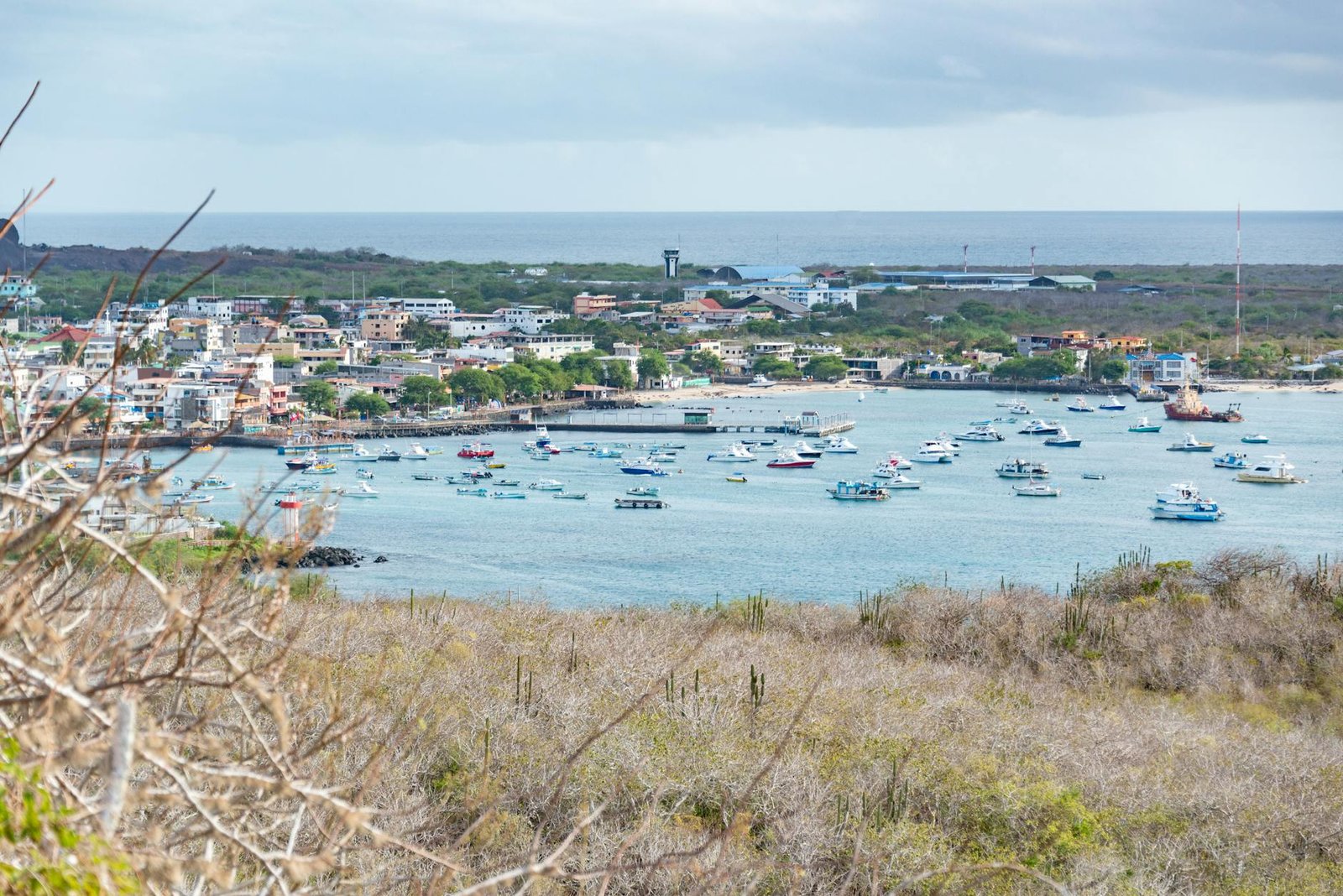
Champion Island is a tender-only landing in the central Galápagos archipelago, accessible exclusively to expedition and small-luxury cruise passengers. Your ship anchors offshore; inflatable tenders ferry passengers to regulated landing sites managed by the Galápagos National Park Authority.
The port is not a commercial hub—no shops, restaurants, or casual wandering. Everything here is structured: naturalist-guided walks, park briefings, and strict visitor protocols to protect endemic species and fragile ecosystems. This is a working conservation zone, not a resort destination.
Why go ashore: unmatched wildlife viewing—giant tortoises, Galápagos penguins, marine iguanas, and flightless cormorants in their natural habitat. Why not: if you dislike guided tours, uneven terrain, minimal infrastructure, or waiting for tenders, choose a beach or city port instead.
Is It Safe?
Champion Island and the wider Galápagos are exceptionally safe from crime. The real safety concern is environmental: uneven volcanic terrain, sun exposure, and sea state risk during tendering. Wear closed-toe hiking shoes (not sandals), sunscreen SPF 50+, and a hat. Bring water (at least 1 liter). Do not deviate from marked trails or naturalist instructions—paths are designed to protect both you and wildlife.
Tender operations are weather-dependent. If sea state worsens, the ship may cancel tenders or limit landings. Rough swells are common in certain seasons; if you're prone to seasickness, take medication before boarding the tender. Park regulations are strictly enforced; fines for rule violations are steep.
Accessibility & Walkability
Champion Island is not wheelchair- or mobility-friendly. Trails are rocky, steep in places, and lack infrastructure. Tender access requires climbing a rope ladder or boarding ramp in variable sea conditions. If you have mobility limitations, ask the cruise line in advance whether adapted tendering or alternative landing sites are available. Many expedition lines are accommodating but require notice.
Outside the Terminal
There is no terminal. You disembark via tender onto a beach or rocky landing site, where a naturalist and park ranger meet your group. The first 10 minutes involve a safety briefing, wildlife orientation, and assignment to a guided trail. No shops, facilities, or shade structures—everything is raw island. Pack water, camera, and patience. The experience is intimate and regulated, not crowded or commercial.
Beaches Near the Port
Landing Beach (Varies by Site)
Sandy/rocky approach to island. Not a swimming beach. Used for tender disembarkation and regrouping before naturalist walks. Water is cold year-round (Humboldt Current), not inviting for casual swimming.
Local Food & Drink
There are no restaurants, cafes, or food vendors on Champion Island. Bring snacks and water from the ship before tendering ashore. Many cruisers carry energy bars, nuts, and electrolyte drinks for morning walks. Lunch is typically served aboard after morning activities. If you plan a full day anchored, stagger ashore time with lunch breaks on the ship. Pack enough water for the unshaded walk (at least 1–1.5 liters per person).
Shopping
There is no shopping on Champion Island. The Galápagos National Park prohibits commercial activity on landing sites. Buy any souvenirs (books, naturalist guides, expedition gear) aboard ship or in larger ports like Puerto Ayora or Baltra. Bring gifts, snacks, and reading material from home or port stops.
Money & Currency
- Currency
- US Dollar (USD)
- USD Accepted?
- Yes
- Card Payments
- Not applicable—no shops or vendors ashore.
- ATMs
- None on island. Withdraw cash on the ship or at larger Galápagos ports.
- Tipping
- Tipping is discretionary and done aboard; no cash tipping on-island. Naturalists and crew typically receive gratuities through end-of-cruise accounts.
- Notes
- Bring small USD notes if you plan to tip guides at landing, though this is unusual. Most gratuities are processed shipboard.
Weather & Best Time
- Best months
- July–October (cooler, drier, clearer water; penguin and cormorant activity high). December–May (warm, wetter, occasional rain; calmer seas, easier tendering).
- Avoid
- April–May (heavy rain, poor visibility). November (transition, unpredictable).
- Temperature
- 68–78°F (20–26°C). Water temperature: 60–72°F (15–22°C) depending on season and Humboldt Current strength.
- Notes
- Sea state and visibility vary unpredictably. Bring layers; wind and sun exposure are intense. Snorkeling wetsuits essential year-round.
Airport Information
- Airport
- Baltra Airport (GPS) or San Cristóbal Airport (SCY)
- Distance
- Baltra: ~1.5 hours by boat or air-taxi from Champion Island. San Cristóbal: ~2 hours by boat.
- Getting there
- Pre-cruise flights land at Baltra or San Cristóbal; cruise line arranges boat transfer to ship. Post-cruise, reverse routing.
- Notes
- Champion Island is not an embarkation port. Galápagos cruises typically embark at Baltra or San Cristóbal, then visit multiple islands including Champion. Plan 1–2 pre-cruise nights in Quito or Ecuador to manage flight timing.
Getting Around from the Port
Tender (inflatable boat)
Ships anchor 0.5–1 nautical mile offshore. Tenders run continuous circuits. Expect 30–45 min from cabin departure to beach landing due to safety briefing, tendering, and queue management.
Book ferry ticketsGuided naturalist walk
Park-certified naturalists lead small groups (typically 16 pax max per guide) on designated trails. Routes vary by landing site and daily conditions. All ashore activities are guided; independent exploration is not permitted.
Snorkeling (optional add-on)
Available at some landing sites post-walk. Gear rental and guided in-water interpretation available through ship.
Details last checked April 2026
Planning a cruise here?
Silversea Cruises, HX Expeditions sail to Champion Island Galápagos.
Practical Tips for Cruise Passengers
- Arrive at the tender muster station 15–20 minutes early on Champion Island port days. Tendering is continuous but queues lengthen by mid-morning, and you don't want to miss the best light for wildlife photography.
- Wear sturdy closed-toe hiking boots (not sandals), high-SPF sunscreen, a wide-brimmed hat, and bring at least 1.5 liters of water. The terrain is sharp volcanic rock and there is almost no shade.
- Book snorkel add-ons before the cruise or very early in the voyage if available. Spaces fill up, and snorkel is weather-dependent; afternoon seas often become choppy.
- Bring a good camera or smartphone with excellent zoom capability. Most wildlife viewing is best at 20–50 meters; binoculars are also essential. Silhouettes and backlighting are common; exposure compensation is key.
Frequently Asked Questions
No. Tendering is optional, but missing Champion Island means forgoing Galápagos's signature wildlife. If you're prone to seasickness or mobility issues, discuss tender alternatives with your cruise line before booking.
Everything is guided. Park regulations require certified naturalist accompaniment at all times. Independent walking is not permitted. This protects both fragile habitat and your safety on rough terrain.
No. The island has no infrastructure. Stay connected via ship Wi-Fi before tendering. Many cruisers use this as a welcome digital detox.
Find cruises to Champion Island Galápagos, Galapagos
Compare sailings and book with no fees — best price guaranteed.
We may earn a commission when you book through our links, at no extra cost to you — it’s how we keep these guides free.
✉ Sailing to Champion Island Galápagos? Get your port-day plan
Tell us your sail date and we’ll email you a short Champion Island Galápagos plan about 60 days out — when the good excursions start selling out — plus a final checklist 2 weeks before. Two emails, then done. We’ll send one note to confirm it’s really you — unsubscribe anytime.


