
Asia
Asia
Pulau Misool Cruise Port Guide: Things to Do & Practical Tips
Indonesia
Ships anchor offshore; tender boats required to reach the island.
Choose the Right Port Day
Best Overall
Book the ship's half-day snorkel excursion to Biajalong or Wayalingi. Minimal hassle, marine life is excellent, and naturalists explain the Raja Ampat ecosystem.
Best Beach
Biajalong Beach and Wayalingi are primary landing spots; both are pristine, uncrowded, and backed by jungle. No facilities; bring sunscreen and water.
With Kids
Gentle snorkel at Biajalong or a guided island walk with the naturalist onboard. Reef is shallow and colourful; kids see fish immediately. Avoid diving-focused trips.
Only 3-4 Hours
Skip independent exploration. Book the ship's guided snorkel trip to Biajalong or Wayalingi—30–45 min from anchorage, roughly 2 hours in water, covers coral walls and tropical fish. Tender back by mid-afternoon.
Cheapest Option
Ship-included beach landing + self-guided swim is usually free or part of port charge. Bring snorkel gear from the ship. Avoid premium guided dives (USD 150–250).
What To Avoid
Do not expect shops, restaurants, or services ashore. Private water-taxi hire without ship coordination is risky and expensive (USD 200+). Do not assume calm seas—tender cancellations are common in monsoon season.
Quick Take
- Port Type
- Remote expedition anchorage
- Best For
- Snorkelers, divers, nature enthusiasts, and travelers seeking pristine marine environments; not a walk-around port.
- Avoid If
- You want town exploration, shopping, or culture; you get motion sickness from tenders; you have limited mobility.
- Walkability
- Not applicable; the island is undeveloped. Shore activities are island walks, beaches, or water-based.
- Budget Fit
- Most activities are ship-organized excursions (USD 80–250 per person). Independent exploration is limited and difficult without prior arrangement.
- Good For Short Calls?
- Yes; tender operations and snorkel trips typically fit 4–6 hours. Plan for tender delays in rough seas.
Top Things To Do
1
Snorkeling at Biajalong or Wayalingi Reef
Guided group snorkel at pristine hard and soft coral sites 30–45 min from anchorage. Typical marine life: reef sharks, rays, grouper, parrotfish, soft corals, and occasional sea turtles. Shallow reef entry (2–5 m) suitable for non-expert swimmers with life jacket option.
2
Island walk and jungle exploration
Naturalist-led hike into secondary forest, limestone caves, or viewpoints. No maintained trails; expect dense vegetation and challenging footing. Possible sightings: monitor lizards, birds of paradise, flying fish. Learn about rainforest ecology and local conservation efforts.
3
Scuba diving (advanced only)
Deep dives on outer reef walls and channels. Strong currents, dramatic drop-offs, sharks, and pelagic fish. Requires advanced certification. Arranged via ship partner operators or pre-booked with local dive shop.
Show 1 more thing to do in Pulau Misool
4
Beach time and photography
Unstructured time on Biajalong or Wayalingi Beach. Swim, sunbathe, photograph pristine shoreline and limestone formations. Bring your own water and snacks. No facilities; shade from trees is limited.
Book with the ship, or on your own?
Booking independently
- Often noticeably cheaper than the ship’s version of the same tour.
- Smaller groups and local operators, with traveler reviews you can read before you pay.
- Free cancellation on most tours, usually up to 24 hours before.
When the ship’s excursion makes sense
- Short port calls or long transfers where the timing is tight.
- Tender-only stops where getting ashore can run late.
- The ship waits for its own delayed excursions — it won’t wait for independent ones, so leave a buffer before all-aboard.
We may earn a commission when you book through our links, at no extra cost to you — it’s how we keep these guides free.
Check The Port Traffic
Cruise Ships in Port
Once you have your shore plan, use the schedule to see how busy the harbour will be on your date, plus the ships, lines, and published call windows.
Sun
Mon
Tue
Wed
Thu
Fri
Sat
1
2
3
4
5
6
7
8
9
10
11
12
13
14
15
16
17
18
19
20
21
22
23
24
25
26
27
28
29
30
Quiet (1–2)
Busy (3–4)
Packed (5+)
0 scheduled calls
September 21, 2026
No scheduled cruise ship calls were found for this date selection. Pick a highlighted day on the calendar above, widen the range, or search for a different ship or line.
Port Overview
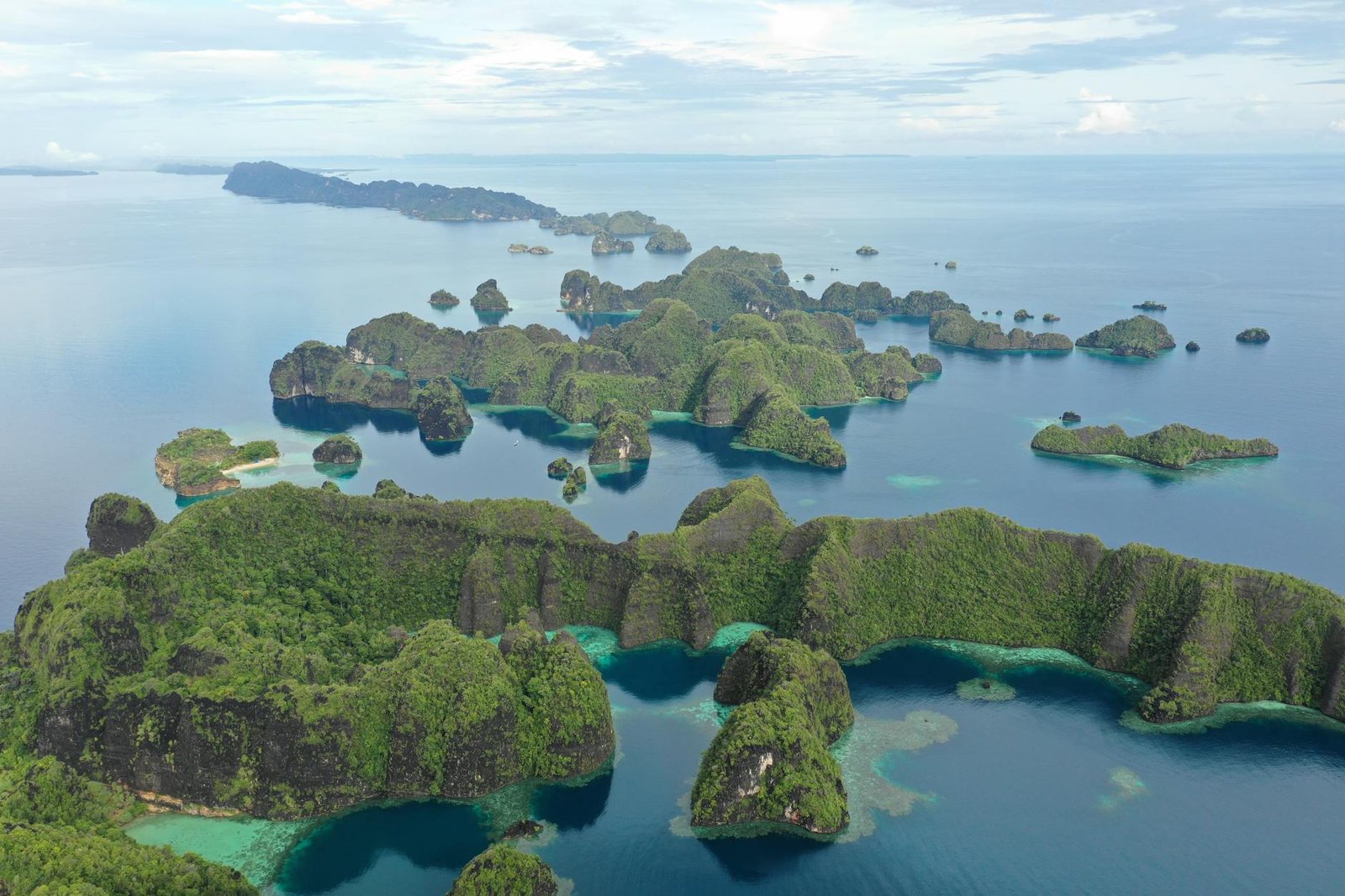
Pulau Misool is a small, undeveloped island anchorage in Indonesia's Raja Ampat archipelago, roughly 200 km east of Sorong on Borneo. Your ship will anchor offshore; all transport is by tender. There is no port town, no dock, and no infrastructure beyond occasional homestays and dive operators. Misool exists primarily as a marine and jungle destination for expedition cruises. The island is protected as part of a conservation area, and access is carefully managed.
Goers ashore do snorkeling, diving, guided island walks, or simply beach time. The marine life is exceptional—pristine coral, reef sharks, rays, and tropical fish are common. The island interior is secondary jungle and limestone karst. Most cruisers will use ship-organized excursions because independent options are limited. This is not a port for shopping, dining out, or urban exploration. It is a 'nature day' anchorage.
Is It Safe?
Misool is extremely safe in terms of crime or conflict. The island is sparsely populated and visited only by tourists and conservation staff. Petty theft is not a concern. The main hazards are environmental: sun exposure (equatorial, intense), dehydration, and insect bites (mosquitoes, leeches, sand flies). Marine safety is well-managed by ship operators—currents can be strong, but guided snorkel groups stay in safe zones. Sea sickness during tender transit is common; staggered boarding and meclizine help. Do not wander off marked routes alone; the jungle is dense and navigation is difficult. Check with the ship on malaria risk; most expedition lines brief passengers, and prophylaxis is occasionally recommended for the region, though Misool itself has low incidence.
Accessibility & Walkability
Misool is not wheelchair-friendly. Tender boarding involves stepping from boat to boat and climbing or scrambling onto beach or rocks. Beaches are sand, sometimes steep. Island walks are uneven jungle trails with no handrails or grading. Mobility-impaired guests should consult the ship's accessibility officer before booking; some excursions may be inaccessible.
Outside the Terminal
There is no terminal. You arrive at a beach—either Biajalong or Wayalingi—by tender. You step out into shallow, warm water (often knee-deep) and wade ashore onto white or light brown sand backed by dense tropical vegetation. The air is hot and humid. You may see a small homestay structure, a pier, or a gazebo, but no shops or facilities. Park rangers or dive guides may be present. Your cruise staff will brief you on the landing procedure and timing before tender departure.
Beaches Near the Port
Biajalong Beach
White sand, shallow entry, backed by palm and jungle. Calm lagoon-style water. Primary snorkel site. Gently sloping bottom; suitable for all swimmers.
Wayalingi Beach
Similar to Biajalong; white sand, turquoise water, jungle backdrop. Slightly less crowded if ship uses both sites on busy days. Good coral access from shore.
Local Food & Drink
There are no restaurants or food services on Misool. Bring snacks and water from the ship or purchased in Sorong before boarding. If anchoring overnight or visiting a homestay (rare), basic rice, fish, and tropical fruit may be available, but quantity and quality are unpredictable. Most cruisers rely entirely on shipboard meals and packaged snacks. Carry a reusable water bottle; refills on ship are reliable.
Shopping
There is no shopping on Misool. No souvenirs, crafts, or supplies are sold ashore. If you wish to support local conservation or homestays, bring small gifts (pens, fishing line, first-aid items) or arrange donations through the ship's naturalist. Any shopping for supplies or souvenirs must be done in Sorong before or after the cruise.
Money & Currency
- Currency
- Indonesian Rupiah (IDR)
- USD Accepted?
- No
- Card Payments
- No cards accepted on the island. ATMs exist in Sorong, 200 km away.
- ATMs
- None on Misool. Withdraw cash in Sorong.
- Tipping
- Not applicable on Misool. Tipping ship guides and crew per cruise line norms is standard.
- Notes
- Misool has no economy; you will not make purchases. All costs (excursions, guides) are settled shipboard or pre-cruise.
Weather & Best Time
- Best months
- October to April (dry season). Calm seas, fewer rain showers, best visibility for snorkeling and diving.
- Avoid
- June to September (monsoon; strong winds, rough seas, tender cancellations common).
- Temperature
- 28–32 °C (82–90 °F) year-round. High humidity (75–90%). Water temp 28–29 °C.
- Notes
- Equatorial; sun is intense at midday. Afternoon showers common in all seasons. Seas can be rough; tender access may be disrupted. Malaria and dengue are risks in the region, though rare on Misool itself. Consult your doctor and cruise line guidance.
Airport Information
- Airport
- Sorong Airport (SOQ)
- Distance
- ~200 km (2–3 hour speedboat or 1 hour by seaplane from Misool anchorage to Sorong; Sorong to airport ~15 km).
- Getting there
- Ship typically arranges speedboat transfer from Misool to Sorong (overnight or early morning), then local taxi or hotel transfer to airport. Seaplane charter available but costly (USD 400–700 per person).
- Notes
- Sorong is the main gateway for Raja Ampat cruises. Most passengers fly in/out of Sorong and meet the ship there or transfer via overnight boat. Direct flights from Sorong to Jakarta, Makassar, or other Indonesian hubs. International connection via Jakarta.
Getting Around from the Port
Tender (ship-organized)
Tenders run from ship to primary landing beaches (Biajalong, Wayalingi) or to snorkel sites. Naturalists or guides typically accompany groups. All logistics handled by your cruise line.
Private water taxi or speedboat hire
Local operators (if present) can arrange private exploration, but this must be pre-booked through the ship's concierge or via overnight email to island contacts.
Book ferry ticketsGuided island walk
Ship naturalists lead walks through jungle to viewpoints, limestone formations, or secondary growth. Rarely formal trails; mostly bushwhacking.
Details last checked April 2026
Planning a cruise here?
Ponant, Lindblad Expeditions, Hurtigruten & more sail to Pulau Misool.
Practical Tips for Cruise Passengers
- Book all water activities through your ship, not independent operators, to ensure insurance, safety, and punctuality.
- Bring a high-SPF reef-safe sunscreen, hat, rash guard, and polarized sunglasses for glare off the water.
- Download offline maps or ask the naturalist for island landmarks before setting out on a walk; cell service is nonexistent.
- Pack a lightweight dry bag for phone and valuables during tender rides and snorkeling; saltwater and humidity are relentless.
Frequently Asked Questions
Yes. Crime is negligible. Main hazards are sun, heat, insects, and sea conditions. Tender operations may be canceled in rough weather. Consult the ship on malaria and dengue risk.
Yes. Guided island walks, beach time, and photography are popular alternatives. The jungle walk is rewarding for nature enthusiasts and does not require water skills.
If swells prevent safe landing, the ship may offer a refund, credit, or alternate activity onboard. Check your cruise contract. Have a book or activity ready as backup.
Find cruises to Pulau Misool, Indonesia
Compare sailings and book with no fees — best price guaranteed.
We may earn a commission when you book through our links, at no extra cost to you — it’s how we keep these guides free.
✉ Sailing to Pulau Misool? Get your port-day plan
Tell us your sail date and we’ll email you a short Pulau Misool plan about 60 days out — when the good excursions start selling out — plus a final checklist 2 weeks before. Two emails, then done. We’ll send one note to confirm it’s really you — unsubscribe anytime.
Asia
View All
More Asia Ports
Asia

Asia

Asia
