
Canada & New England
Canada & New England
Bylot Island Cruise Port Guide: Things to Do, Walkability & Expedition Tips
Nunavut, Canada
Ships anchor offshore; tender boats required to reach shore.
Choose the Right Port Day
Best Overall
Book a guided zodiac or small-boat excursion for wildlife and icebergs. This is why you came to Bylot Island; shore infrastructure is negligible.
Best Beach
Not relevant. Bylot Island has rocky Arctic coastline, not beaches. Focus on coastal wildlife viewing instead.
With Kids
Supervised zodiac tour to view marine mammals and icebergs; kids 8+ typically allowed with crew approval. Dress very warmly; cold exposure is real.
Only 3-4 Hours
Book a zodiac excursion to spot narwhals, beluga, or polar bears with naturalist guides. If weather is poor, ask crew about nearby hiking trails or village walks with local interpretation.
Cheapest Option
Walk the settlement independently (free), visit the small local museum or cultural center if open (check with crew; typically free or small donation), and listen to crew naturalists' evening talks on ship (included).
What To Avoid
Do not expect restaurants, shops, or tourism services. Do not underestimate cold and wind; bring extreme cold-weather gear even in summer. Weather delays are common and may cancel excursions.
Quick Take
- Port Type
- Remote Arctic Expedition Port
- Best For
- Wildlife viewing, Arctic exploration, hiking, photography, expedition-style travelers comfortable with cold and isolation.
- Avoid If
- You want urban amenities, shopping, restaurants, or warm-weather activities. This is a settlement with minimal tourism infrastructure.
- Walkability
- Very limited; the settlement itself is small enough to walk in an hour, but terrain is rough and weather-dependent. Most activity is organized via ship excursions.
- Budget Fit
- High—shore excursions and equipment rental through the ship are standard. Independent exploration is minimal.
- Good For Short Calls?
- Yes, but plan zodiac or guided hikes; weather may restrict options.
Top Things To Do
1
Zodiac Wildlife Excursion
Naturalist-led boat tour to spot narwhals, beluga whales, polar bears, musk oxen, and Arctic seabirds. Tours navigate ice floes and coastal waters. High success rate for whale and bird sightings; polar bear encounters are rare but possible.
2
Guided Tundra Hiking
Multi-hour trek across Arctic tundra, often led by ship naturalists. Routes vary by weather and season; may include coastal bluffs, river valleys, or animal habitat observation. Moderate to strenuous fitness required. Incredible views and solitude.
3
Settlement Walk & Cultural Interpretation
Short walk through the community with crew or local guide. Learn about Inuit life, see traditional dog sleds or kayaks, hear stories about Arctic hunting and travel, and visit community center if open. Limited commercial tourism but genuine human connection.
Show 1 more thing to do in Bylot Island
4
Iceberg & Glacier Viewing
Zodiac tour or hike to fjords and glacier outlets where icebergs calve and drift. Photography opportunity; naturalists explain glacial dynamics and climate. Depending on season and drift, access varies.
Book with the ship, or on your own?
Booking independently
- Often noticeably cheaper than the ship’s version of the same tour.
- Smaller groups and local operators, with traveler reviews you can read before you pay.
- Free cancellation on most tours, usually up to 24 hours before.
When the ship’s excursion makes sense
- Short port calls or long transfers where the timing is tight.
- Tender-only stops where getting ashore can run late.
- The ship waits for its own delayed excursions — it won’t wait for independent ones, so leave a buffer before all-aboard.
We may earn a commission when you book through our links, at no extra cost to you — it’s how we keep these guides free.
Check The Port Traffic
Cruise Ships in Port
Once you have your shore plan, use the schedule to see how busy the harbour will be on your date, plus the ships, lines, and published call windows.
Sun
Mon
Tue
Wed
Thu
Fri
Sat
1
2
3
4
5
6
7
8
9
10
11
12
13
14
15
16
17
18
19
20
21
22
23
24
25
26
27
28
29
30
Quiet (1–2)
Busy (3–4)
Packed (5+)
0 scheduled calls
September 16, 2026
No scheduled cruise ship calls were found for this date selection. Pick a highlighted day on the calendar above, widen the range, or search for a different ship or line.
Port Overview
Bylot Island is a remote Arctic settlement in Nunavut, accessible only by ship. The port operates as an anchorage; ships tender passengers ashore. The settlement has no cruise infrastructure—no terminal, few shops, and no restaurants. Most visits are structured around naturalist-led excursions booked through your cruise line (Lindblad Expeditions, Quark Expeditions, Ponant, and Hurtigruten are typical operators).
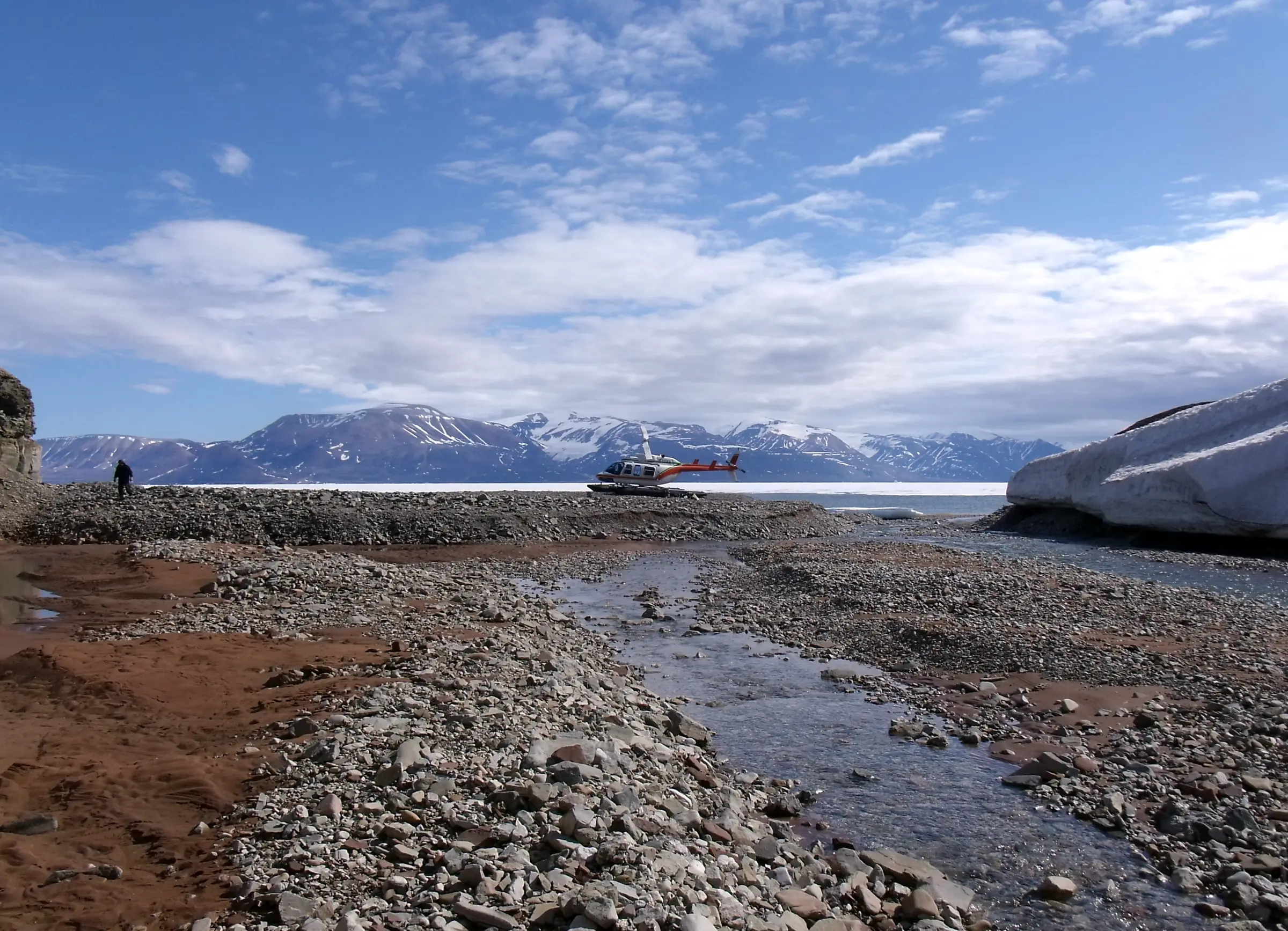
The draw is Arctic wilderness and wildlife: narwhals, beluga whales, polar bears, musk oxen, and Arctic birds. Guided zodiac tours and hiking expeditions are the main activities. The settlement itself offers minimal tourism but authentic Arctic character and often includes Indigenous cultural programs or talks.
This port is not for casual day-trippers. Plan on cold weather (even in July–August, temps are 35–50 °F), rough seas, and weather-dependent activities. Ship naturalists and guides are essential; independent exploration is limited and potentially unsafe. Pre-book all excursions through your cruise line well in advance.
Is It Safe?
Bylot Island is remote and harsh. Hypothermia and sudden weather changes are real risks; never venture far without proper gear and crew notification. Polar bears inhabit the region; do not hike alone and stay with guides. The settlement has a small health clinic but no major medical facility; serious illness may require evacuation by ship or Coast Guard helicopter. Sea ice and icebergs create navigation hazards; tender schedules are weather-dependent and may change rapidly.
The local Inuit population is welcoming but the settlement has minimal police presence. Petty theft is rare; violent crime is not a concern for cruise passengers. Respect local customs and do not photograph people or sacred sites without permission. Daylight during summer cruising is nearly 24-hour; night-related safety is not an issue.
Accessibility & Walkability
Bylot Island is not wheelchair-accessible. Tender transfers involve climbing in and out of zodiac boats with significant physical effort. Docks and shoreside terrain are rocky, uneven, and slippery. Passengers with limited mobility should discuss options with the ship's doctor before booking; most excursions will be unsuitable. There are no accessible restrooms or facilities ashore.
Outside the Terminal
Tenders land on a rocky beach or simple dock. You'll step directly into Arctic tundra—low scrub vegetation, moss, and rocks. The settlement is small and visible within a short walk: a handful of wooden houses, a community center or school, fuel tanks, and dog sleds or ATVs parked nearby. Wind is often intense; expect to brace against it. The air is cold and clean. You'll hear bird calls and possibly marine mammal sounds from offshore. Crew and guides will meet tenders and organize groups for excursions; independent wandering is discouraged.
Beaches Near the Port
Not applicable
Bylot Island has no sandy beaches. The coast is rocky tundra and Arctic shoreline. Water is near freezing year-round. Wading or swimming is not safe or feasible.
Local Food & Drink
There are no restaurants or cafes in the settlement. Your ship provides all meals and snacks. If curious about local diet, crew may arrange a talk about traditional Inuit food (seal, fish, musk ox) or offer a tasting of Arctic ingredients onboard. Small Hudson's Bay Company trading post may stock limited shelf-stable food items, but do not rely on buying anything ashore. Bring any snacks or dietary staples you need from the ship.
Shopping
Shopping is minimal. A small community store or trading post may stock basic supplies (canned goods, fuel, local crafts) but inventory is limited and prices are high. You may find handmade Inuit art, carvings, or beaded items, but bring cash in Canadian dollars; card machines are unreliable. Most cruisers buy nothing ashore; plan to bring gifts and essentials from larger ports earlier in the cruise.
Money & Currency
- Currency
- Canadian Dollar (CAD)
- USD Accepted?
- No
- Card Payments
- Limited; cash is safest. Community store may accept debit/credit but do not assume.
- ATMs
- No ATM. Withdraw cash before boarding or at larger ports. Notify your bank of Arctic travel to avoid card blocks.
- Tipping
- Tipping is not customary for local services; crew and guides are already paid by cruise line.
- Notes
- Remote location means no credit card infrastructure. Bring $50–100 CAD cash if planning to shop. USD is not useful ashore.
Weather & Best Time
- Best months
- July–August. Summer temperatures 35–50 °F (2–10 °C); 24-hour daylight. Ice conditions more navigable; wildlife active.
- Avoid
- September–June. Extreme cold (−20 to −40 °F / −30 to −40 °C), ice, and polar night. Only specialized expedition ships operate in winter.
- Temperature
- July–August: 35–50 °F (2–10 °C). Wind common. Dress in extreme cold-weather layers; goose-down parka, thermal base layers, insulated boots, and mittens mandatory.
- Notes
- Weather is highly unpredictable. Fog, wind, and ice can cancel excursions. No 'bad' season for Arctic—only different challenges. Expect wind and cold even in peak season.
Airport Information
- Airport
- No commercial airport in Bylot Island settlement.
- Distance
- N/A
- Getting there
- Ships arrive as part of multi-week Arctic itineraries from ports like Greenland, Arctic Canada, or Nunavut. Typical embarkation points: Pond Inlet, Iqaluit, or Yellowknife. Fly to those cities, then board ship or take local charter flight.
- Notes
- Bylot Island is a mid-cruise or end-of-cruise stop, not an embarkation point. Plan 5–10 day Arctic cruises to include Bylot Island. Direct flights to the settlement are expensive private charters used only by expedition teams or emergencies.
Getting Around from the Port
Ship tender (zodiac or small boat)
Ships anchor offshore; tenders ferry passengers to shore. Zodiac excursions to view wildlife and coast are coordinated by cruise line and leave from the ship or dock.
Book ferry ticketsWalking
The settlement is compact and walkable. Local guides sometimes lead short cultural or historical walks.
Organized hiking excursions
Multi-hour guided hikes inland or along coast, often led by ship naturalists. Expect tundra, rocks, and steep terrain.
Details last checked April 2026
Planning a cruise here?
Lindblad Expeditions, Hurtigruten, Ponant & more sail to Bylot Island.
Practical Tips for Cruise Passengers
- Book all excursions through your cruise line before arrival. Weather and wildlife sightings may force changes, but pre-booking ensures your spot and avoids disappointment.
- Pack extreme cold-weather gear in checked luggage: insulated parka, thermal base layers (merino wool or synthetic, not cotton), insulated boots rated to −20 °F, mittens, neck gaiter, and warm hat. Rental gear is not available ashore.
- Bring high-speed film or extra camera batteries; cold drains power quickly. Protect electronics from moisture and condensation when moving between cold air and warm cabin.
- Respect wildlife distance rules: stay 100+ meters from polar bears and marine mammals unless with a guide. Do not approach musk oxen or nesting birds. Photography is incredible, but safety and animal welfare come first.
Frequently Asked Questions
Polar bears inhabit Bylot Island, but sightings are not guaranteed. Your zodiac guide will scout and avoid bears for safety. Narwhals, beluga, and seabirds are far more commonly seen. Ask crew about recent sightings on the ship.
Arctic weather is unpredictable; cancellations happen. The ship offers onboard lectures, films, and naturalist talks. You may be able to walk the settlement independently or wait for a weather window. Cruise lines typically do not refund excursions due to weather; check your cruise contract.
Most hikes are moderate but terrain is rough, tundra footing is unstable, and cold saps energy quickly. Tell your guide your fitness level. No technical climbing or mountaineering experience is needed, but good stamina and sure feet are helpful. Bring trekking poles and gaiters to protect boots.
Find cruises to Bylot Island, Nunavut, Canada
Compare sailings and book with no fees — best price guaranteed.
We may earn a commission when you book through our links, at no extra cost to you — it’s how we keep these guides free.
✉ Sailing to Bylot Island? Get your port-day plan
Tell us your sail date and we’ll email you a short Bylot Island plan about 60 days out — when the good excursions start selling out — plus a final checklist 2 weeks before. Two emails, then done. We’ll send one note to confirm it’s really you — unsubscribe anytime.
Canada & New England
View All
More Canada & New England Ports
Canada & New England

Canada & New England

Canada & New England
