Northern Europe
Northern Europe
Foula Island Cruise Port Guide: Walkability, Seabirds & What to Expect
Scotland
Ships anchor offshore; passengers tendered to small pier or beach landing.
Choose the Right Port Day
Best Overall
If weather permits and you enjoy wild, empty landscapes: tender ashore, hike to visible cliffs or higher ground, watch seabirds, return to ship. No crowds, no tourist infrastructure, pure Shetland.
Best Beach
Not relevant. Foula has rocky shores and dangerous swells; no beach swimming.
With Kids
Older children (8+) may enjoy a short moorland walk and spotting seabirds from a distance, but exposed cliffs and rough terrain make it less suitable for young families.
Only 3-4 Hours
Land by tender, head uphill toward Soberlie or the cliffs on the west coast to spot puffins, razorbills, and gannets (May–August). Return to tender landing in time; do not venture far inland without GPS or a guide.
Cheapest Option
Free. Bring packed snacks and water from the ship; nothing is sold on the island.
What To Avoid
Do not assume you can explore inland freely; weather can turn fast, and there are no facilities or help ashore. Do not rely on cellular coverage. Tender landings are weather-dependent and may be cancelled or delayed.
Quick Take
- Port Type
- Remote island expedition stop.
- Best For
- Nature lovers, birdwatchers, hikers comfortable with exposed terrain and unpredictable weather.
- Avoid If
- You expect shops, restaurants, cafes, or structured attractions. Foula has none of these.
- Walkability
- Entirely self-reliant hiking across moorland and clifftops; no marked trails or paved paths. Good boots and weather gear essential.
- Budget Fit
- Free ashore (no admission fees), but limited or no food/drink options.
- Good For Short Calls?
- Yes, typical port time 3–5 hours is standard for Foula.
Top Things To Do
1
Clifftop walk and seabird watching
Hike inland and upward to Foula's western cliffs, the highest and most dramatic coastal drop in Shetland (up to 1,200 feet). Views encompass puffin burrows, razorbill nests, gannets, and fulmars (spring through summer). Return via moorland. No guided tours; self-reliant navigation required.
2
Moorland rambling and landscape photography
Wander open moorland at a gentler pace, observing Arctic and sub-Arctic plant life, stone walls, occasional grazing sheep, and distant seabird activity. Excellent for photography and quiet reflection.
3
Soberlie hill ascent
Climb inland to Soberlie, one of Foula's highest points, for panoramic moorland views and seabird spotting. Less technical than the western cliffs but still exposed to weather.
Book with the ship, or on your own?
Booking independently
- Often noticeably cheaper than the ship’s version of the same tour.
- Smaller groups and local operators, with traveler reviews you can read before you pay.
- Free cancellation on most tours, usually up to 24 hours before.
When the ship’s excursion makes sense
- Short port calls or long transfers where the timing is tight.
- Tender-only stops where getting ashore can run late.
- The ship waits for its own delayed excursions — it won’t wait for independent ones, so leave a buffer before all-aboard.
We may earn a commission when you book through our links, at no extra cost to you — it’s how we keep these guides free.
Check The Port Traffic
Cruise Ships in Port
Once you have your shore plan, use the schedule to see how busy the harbour will be on your date, plus the ships, lines, and published call windows.
Sun
Mon
Tue
Wed
Thu
Fri
Sat
1
2
3
4
5
6
7
8
9
10
11
12
13
14
15
16
17
18
19
20
21
22
23
24
25
26
27
28
29
30
Quiet (1–2)
Busy (3–4)
Packed (5+)
0 scheduled calls
September 10, 2026
No scheduled cruise ship calls were found for this date selection. Pick a highlighted day on the calendar above, widen the range, or search for a different ship or line.
Port Overview
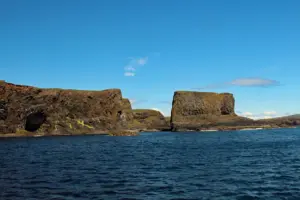
Foula is a remote, inhabited island in Shetland (northwest of Lerwick) with roughly 30 year-round residents and no town, shops, or tourist infrastructure. Ships anchor offshore and access is by small boat tender only; landings are wholly weather-dependent and sometimes cancelled. The island consists of open moorland, dramatic western sea cliffs (up to 1,200 feet), and breeding seabird populations (puffins, razorbills, gannets, fulmars) visible primarily May through August. This is not a port for commerce, culture, or comfort—it is a destination for self-reliant visitors who value solitude, raw landscape, and birdwatching in one of Britain's wildest corners. Most cruisers who go ashore spend 3–5 hours hiking moorland or watching cliffs; there is nowhere to eat, drink, or buy supplies.
Is It Safe?
Foula is very safe in terms of crime—it is an isolated community with strong local presence—but poses significant environmental hazards. Weather is unpredictable; mist, wind, and rain can arrive rapidly, severely limiting visibility and mobility. Sea cliffs are high and steep with unstable edges; do not approach cliff edges casually or in wind. Terrain is boggy and uneven; ankle injuries are common. There are no emergency services, medical facilities, or communication networks on the island. Cellular coverage is unreliable. Do not hike far from the landing zone without a map and compass, and inform the tender crew of your rough itinerary. Tender landings are cancelled in heavy seas or strong wind; if this occurs, you remain aboard. Plan conservatively and return to the landing point well before the scheduled tender departure.
Accessibility & Walkability
Foula is not wheelchair-accessible and presents serious physical challenges for anyone with limited mobility. The landing beach is rocky and uneven, with no ramps or paved access. Once ashore, terrain is entirely rough moorland with bog, rock, and steep slopes. There are no paved paths, rest areas, or facilities. Visitors with knee or joint problems, balance issues, or anyone unable to walk 1–2 hours over difficult ground should remain aboard.
Outside the Terminal
There is no terminal building. You will arrive via tender at a small sandy/rocky beach with no shelter or facilities. You step directly onto the island, where there are no services, shops, cafes, or defined walkways. The landscape is open moorland with sparse vegetation, rough stone walls, and distant hills. A handful of crofts and sheep are scattered inland. Wind and mist are common. The overall impression is one of profound remoteness and wild beauty. Most visitors orient themselves quickly and move away from the landing to explore higher ground or clifftop viewpoints.
Beaches Near the Port
Landing beach
Rocky and sandy beach where tenders arrive. Shelter is minimal. Not suitable for swimming due to cold water, strong currents, and exposure.
Local Food & Drink
There are no restaurants, cafes, pubs, or shops selling food or drink on Foula. Bring all provisions from the ship: water, snacks, sandwiches, energy bars, and any medications you may need. Some cruise lines may allow passengers to request packed lunches if landings are planned. Eating aboard before disembarkation is advisable. Weather may delay or prevent tender returns, so plan for the possibility of being ashore longer than expected.
Shopping
There are no shops of any kind on Foula. No souvenirs, gifts, craft items, or supplies are sold. Come with everything you need from the ship. The island's tiny population has no tourism infrastructure.
Money & Currency
- Currency
- GBP (British Pound Sterling)
- USD Accepted?
- No
- Card Payments
- Not applicable; no shops or services.
- ATMs
- None.
- Tipping
- Not applicable.
- Notes
- Bring cash only if planning to visit inhabited crofts for conversation (unlikely unless invited). Expect to use no currency ashore.
Weather & Best Time
- Best months
- May–August for seabird activity and marginally better weather, though conditions remain cool, windy, and unpredictable.
- Avoid
- September–April: severe wind, rain, fog, and very short daylight hours; tender landings rarely possible.
- Temperature
- May–August: 45–55°F (7–13°C). Expect wind chill 10–15°F lower. Bring heavy waterproofs, thermal layers, and windproof jacket.
- Notes
- Weather can change within minutes. Forecasts are unreliable at this latitude and remoteness. Mist and fog frequently obscure views. Always assume conditions may deteriorate and be ready to return to the ship on short notice.
Airport Information
- Airport
- Tingwall Airport (Lerwick), Shetland
- Distance
- Approximately 25 miles south (Foula is north of Lerwick).
- Getting there
- Not directly relevant; Foula is accessed only by sea via cruise ship or chartered boat. No air links from Tingwall to Foula.
- Notes
- Cruisers typically embark/disembark from Lerwick. Tingwall serves mainland flights to Edinburgh and Aberdeen.
Getting Around from the Port
Tender
Ships anchor offshore; small boats ferry passengers ashore to a basic landing beach. Capacity and schedule depend on sea state and wind.
On foot
All exploration is self-guided hiking over open moorland, hillsides, and clifftop paths. No roads, vehicles, or marked trails.
Details last checked April 2026
Planning a cruise here?
Hurtigruten, Ponant, Lindblad Expeditions & more sail to Foula Island.
Practical Tips for Cruise Passengers
- Wear three layers: thermal base, insulating mid-layer, windproof jacket. Bring sturdy waterproof hiking boots with ankle support; moorland is boggy and can twist ankles. Gloves and a warm hat are essential even in summer.
- Bring a compass or GPS unit and a printed map or screenshot of Foula's terrain. Cellular networks are unreliable. Do not venture far inland without navigation tools or you risk getting lost in mist.
- Tender landings are cancelled if wind or sea state becomes hazardous. Check with the bridge or crew on the morning of the planned landing. If landings are cancelled, the ship will not have an announcement until very late; ask crew proactively.
- Return to the landing beach at least 15 minutes before the scheduled final tender departure time. Delays or early departures can occur, and missing the tender means remaining on the island overnight with no facilities.
Frequently Asked Questions
No. Bring all provisions from the ship, including water and snacks. There are no shops, cafes, or facilities on Foula.
Landings are weather-dependent and can be cancelled or delayed on short notice due to wind, mist, or high seas. Assume nothing is certain until the crew confirms final decision on the morning of your port.
No guides are available for hire. Hiking is entirely self-guided; you must be comfortable with self-navigation, rough terrain, and changing weather. Compass and map or GPS are strongly recommended.
Find cruises to Foula Island, Scotland
Compare sailings and book with no fees — best price guaranteed.
We may earn a commission when you book through our links, at no extra cost to you — it’s how we keep these guides free.
✉ Sailing to Foula Island? Get your port-day plan
Tell us your sail date and we’ll email you a short Foula Island plan about 60 days out — when the good excursions start selling out — plus a final checklist 2 weeks before. Two emails, then done. We’ll send one note to confirm it’s really you — unsubscribe anytime.
Northern Europe
View All
More Northern Europe Ports

Northern Europe

Northern Europe

Northern Europe