Northern Europe
Northern Europe
Havøysund Cruise Port Guide: Things to Do & Practical Tips
Norway
Small island anchorage with tender boats required to reach shore.
Choose the Right Port Day
Best Overall
A relaxed walk through Havøysund village and along the harbour is the most sensible choice for most cruisers.
Best Beach
Not relevant.
With Kids
Keep it simple: short village walk, look for fishing boats, and use a café stop or a gentle viewpoint rather than trying to pack in an excursion.
Only 3-4 Hours
Walk the harbourfront, cross into the village center if time allows, then use the remaining time for a simple coastal viewpoint or café stop. Don't overplan; this is a small place.
Cheapest Option
Do a self-guided walk from the tender area around the harbour and village streets; cost is basically free, plus a café stop if you want one.
What To Avoid
Don't expect a big sightseeing menu or easy last-minute transport options. Also skip anything that requires complex logistics unless your ship has arranged it.
Quick Take
- Port Type
- Small Arctic port
- Best For
- Quick village walk, harbour views, birdlife, quiet Nordic scenery
- Avoid If
- You want major attractions, beaches, or a busy town with lots of services
- Walkability
- Good for a short walk if the tender lands near the village; limited but manageable.
- Budget Fit
- Low-cost if you just walk; paid tours vary by date and package.
- Good For Short Calls?
- Yes, but only if you keep expectations modest.
Top Things To Do
1
Harbour and village walk
The easiest and most worthwhile ashore option is a short walk around the harbour and through the village center to get a feel for daily life in a tiny Arctic community.
2
Coastal viewpoints
Look for simple elevated or waterfront viewpoints where you can take in the island setting, rugged coast, and open sea.
3
Local café or casual stop
If you want a slower pace, use part of your visit for a coffee, pastry, or light snack rather than trying to force a major excursion.
Book with the ship, or on your own?
Booking independently
- Often noticeably cheaper than the ship’s version of the same tour.
- Smaller groups and local operators, with traveler reviews you can read before you pay.
- Free cancellation on most tours, usually up to 24 hours before.
When the ship’s excursion makes sense
- Short port calls or long transfers where the timing is tight.
- Tender-only stops where getting ashore can run late.
- The ship waits for its own delayed excursions — it won’t wait for independent ones, so leave a buffer before all-aboard.
We may earn a commission when you book through our links, at no extra cost to you — it’s how we keep these guides free.
Check The Port Traffic
Cruise Ships in Port
Once you have your shore plan, use the schedule to see how busy the harbour will be on your date, plus the ships, lines, and published call windows.
Sun
Mon
Tue
Wed
Thu
Fri
Sat
1
2
3
4
5
6
7
8
9
10
11
12
13
14
15
16
17
18
19
20
21
22
23
24
25
26
27
28
29
30
31
Quiet (1–2)
Busy (3–4)
Packed (5+)
0 scheduled calls
October 10, 2026
No scheduled cruise ship calls were found for this date selection. Pick a highlighted day on the calendar above, widen the range, or search for a different ship or line.
Port Overview
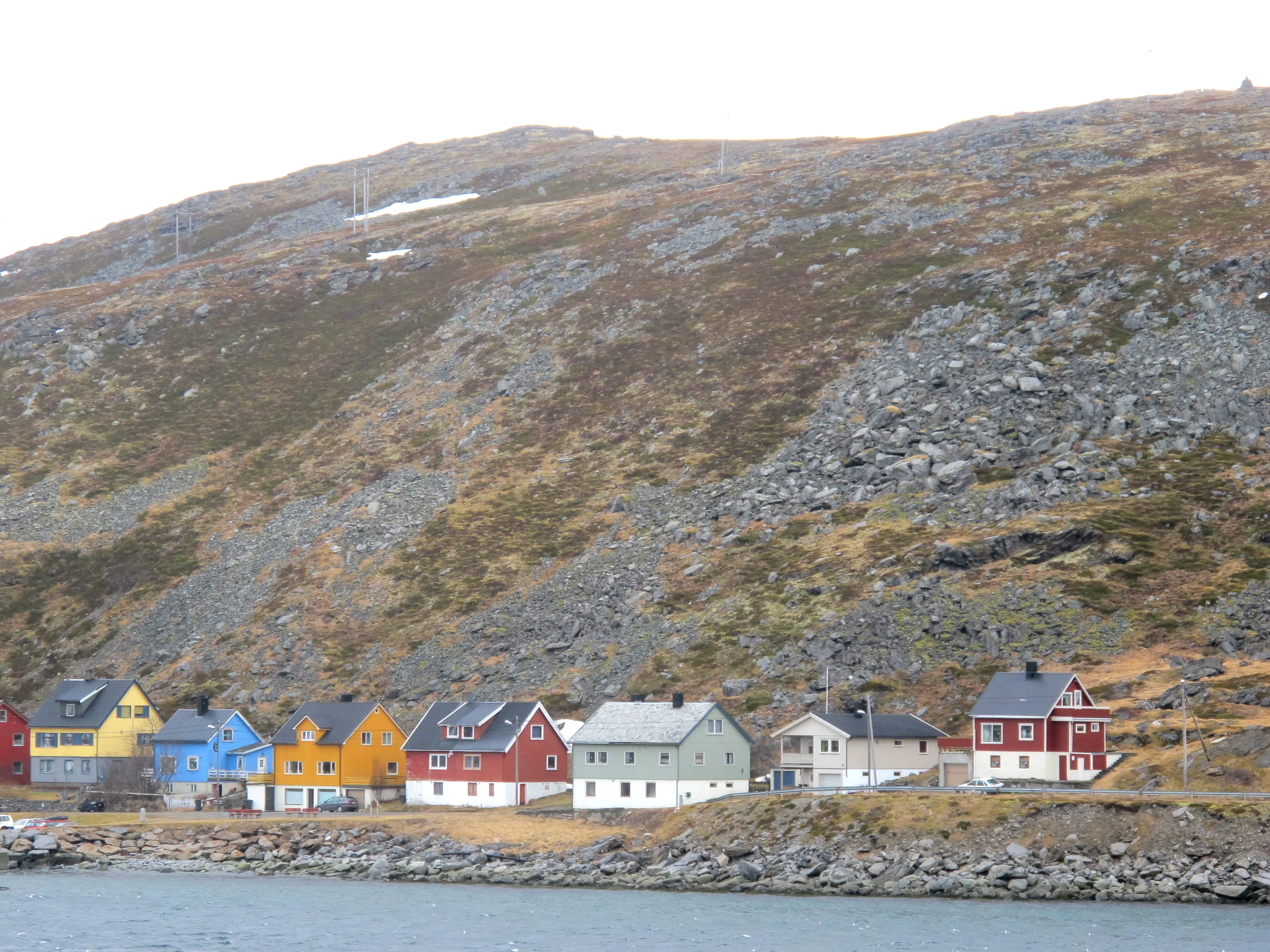
Havøysund is a very small Arctic port on Havøya Island, and ships typically anchor offshore and tender in. The port is about scenery, quiet village life, and a quick look at the far-north coast, not a long list of attractions.
If you go ashore, the smartest plan is usually a short walk through the village and along the harbour. Independent options are limited, so this is more about taking in the setting than checking off sights.
For cruisers who like compact, low-key stops, Havøysund works well. If you want museums, major shopping, or a packed excursion day, this port will probably feel thin.
Is It Safe?
Havøysund is generally a calm, low-crime stop, but the usual Arctic caution still applies. Weather can change fast, and wind, rain, or slippery surfaces can make the harbour area unpleasant or unsafe in a hurry.
Watch your footing near the water, especially on wet pavement and exposed viewpoints. If the ship tenders and the swell is up, allow extra time and do not cut the return close.
Accessibility & Walkability
This is a small village port, so it can be manageable for limited walking, but it is not a polished accessibility destination. Terrain, curbs, weather exposure, and tender operations can all be annoying for anyone using a wheelchair or mobility aid.
If mobility is a concern, stay close to the landing area and ask the ship how the tendering process is being handled that day. In rough weather, the practical answer may be to stay onboard.
Outside the Terminal
Expect a small harbour setting, open views, and a simple local village rather than a formal cruise terminal. There is not much in the way of tourist infrastructure, so the first 10 minutes are usually just a walk out into town.
If the weather is decent, the setting is the main attraction. If it is windy or wet, the port can feel very exposed very quickly.
Beaches Near the Port
Not relevant
Havøysund is not a beach port; the appeal is the harbour, village, and Arctic coastal scenery.
Local Food & Drink
Food options are likely to be limited and practical rather than destination-worthy. Think café snacks, simple lunches, and the occasional local dish instead of a long restaurant crawl.
If your ship offers a good meal schedule, you may not need to eat ashore at all. That is often the sensible move in a small port like this.
Shopping
Shopping is minimal and local. You may find a few basics, souvenirs, or practical items, but this is not the place for a serious retail stop.
If you want local-style keepsakes, look for small, useful items rather than expecting a big selection.
Money & Currency
- Currency
- Norwegian krone (NOK)
- USD Accepted?
- No
- Card Payments
- Cards are usually preferred and often accepted even for small purchases, but carry some cash just in case.
- ATMs
- Limited; do not rely on an ATM being convenient or available right by the tender area.
- Tipping
- Tipping is modest and often not expected in the same way as in North America.
- Notes
- Norway is mostly card-friendly, but a small backup amount of NOK is useful for very small purchases or in case of network issues.
Weather & Best Time
- Best months
- June – August
- Avoid
- November – March
- Temperature
- About 5-14°C in summer; cooler with wind and rain at any time
- Notes
- Even in summer it can feel cold and exposed, especially if the wind is up. Layering matters more than the calendar here.
Airport Information
- Airport
- Hasvik Airport
- Distance
- About 1 hour by road/ferry connections, depending on routing
- Getting there
- Usually transfer arrangements, taxi, or local transport connections where available
- Notes
- This is not a convenient fly-in cruise port with easy same-day flexibility. Most visitors arrive by ship or as part of a set itinerary.
Getting Around from the Port
Walk
The village is small enough for a straightforward on-foot visit once you are ashore.
Ship excursion or prearranged transfer
Any outside-the-village sightseeing is usually easiest through the cruise line or a local operator.
Book a transfer 5% off with code TPO5 at checkoutDetails last checked May 2026
Planning a cruise here?
Hurtigruten, Lindblad Expeditions, Ponant & more sail to Havøysund.
Practical Tips for Cruise Passengers
- Treat Havøysund as a short, scenic stop, not a major excursion port.
- Bring a windproof layer even if the forecast looks mild.
- Do not count on abundant taxis, buses, or walk-in attractions.
- If the tender line is slow or the weather turns rough, stay flexible and keep your return to the ship conservative.
Frequently Asked Questions
Yes, the village is small and easy to explore on foot once you are ashore. The main limitation is weather, not distance.
Yes if you like quiet scenery, small ports, and simple harbour walks. No if you need major sights, shopping, or a packed sightseeing day.
Mostly yes for a short walk, but not much beyond that. For anything outside the village, ship-arranged options are usually the safest bet.
Find cruises to Havøysund, Norway
Compare sailings and book with no fees — best price guaranteed.
We may earn a commission when you book through our links, at no extra cost to you — it’s how we keep these guides free.
✉ Sailing to Havøysund? Get your port-day plan
Tell us your sail date and we’ll email you a short Havøysund plan about 60 days out — when the good excursions start selling out — plus a final checklist 2 weeks before. Two emails, then done. We’ll send one note to confirm it’s really you — unsubscribe anytime.
Northern Europe
View All
More Northern Europe Ports

Northern Europe

Northern Europe

Northern Europe