
European River Cruises
European River Cruises
Saarlouis Cruise Port Guide: Things to Do & Practical Tips
Germany
Ships dock directly at the modern river terminal on the Saar River with easy pedestrian access to the city center.
Choose the Right Port Day
Best Overall
A slow loop through the Vauban old town — ramparts, Großer Markt, and a sit-down lunch with Saarland specialties like Lyoner sausage or Dibbelabbes at a local gasthaus.
Best Beach
Not relevant — this is an inland river port with no beach access.
With Kids
The old fortification walls and grassy moat areas around the Vauban ramparts give kids room to run around while parents appreciate the history; it's free and right in the town center.
Only 3-4 Hours
Walk from the pier to the Großer Markt, spend 30 minutes at the Louis XIV-era parade square, duck into the Alte Kirche, then explore the surviving rampart walls before grabbing a coffee and Flammkuchen at a café on the market square.
Cheapest Option
Walk the Vauban fortifications, browse the market square, and picnic with bread and local charcuterie from a Großer Markt bakery or deli — budget under €10 per person.
What To Avoid
Don't expect a Rhine-scale busy port scene — this is quiet and low-key, which is the point. The surrounding commercial districts outside the old town are dull and not worth your limited time.
Quick Take
- Port Type
- Historic Fortress Town
- Best For
- History fans, walkers, anyone who wants a quiet, uncrowded German river town experience
- Avoid If
- You need a full-day packed itinerary or want big-city shopping and nightlife
- Walkability
- Excellent — the old town is compact and flat, most sights are within 15 minutes on foot from the pier
- Budget Fit
- Very good — a half-day here can cost almost nothing beyond a coffee and a market snack
- Good For Short Calls?
- Yes, this is essentially a half-day port; a few hours covers the key sights comfortably
Top Things To Do
1
Großer Markt & Town Center
The central parade square of Saarlouis is one of the finest examples of Vauban military town planning in Germany. The large, open square is lined with historic buildings and a relaxed café culture. Sit, walk, and soak in the geometry — this is what makes Saarlouis different from other small German river towns.
2
Vauban Fortification Ramparts
Saarlouis retains significant sections of its original 17th-century Vauban defensive walls and moat areas. Walking the ramparts gives a clear sense of the town's military origins and provides pleasant elevated views over the surroundings. It is free, uncrowded, and genuinely interesting.
3
Museum Saarlouis
A compact local history museum covering the town's French origins, its time under various rulers, and regional history. Not world-class, but a solid one-hour stop if you want context for what you are seeing in the streets outside.
Show 2 more things to do in Saarlouis
4
Saar River Cycling Path
The flat, well-marked cycling path along the Saar makes for an easy and scenic ride either upstream or downstream from the dock. If your ship provides bikes or you can arrange a rental, this is an excellent way to stretch out and see the river landscape beyond the town.
5
Local Market (Weekly)
When the weekly market is running on the Großer Markt, it is genuinely worth your time — local produce, Saarland charcuterie, bread, and regional specialties. Check with your cruise director for the current market day before committing your morning to it.
Book with the ship, or on your own?
Booking independently
- Often noticeably cheaper than the ship’s version of the same tour.
- Smaller groups and local operators, with traveler reviews you can read before you pay.
- Free cancellation on most tours, usually up to 24 hours before.
When the ship’s excursion makes sense
- Short port calls or long transfers where the timing is tight.
- Tender-only stops where getting ashore can run late.
- The ship waits for its own delayed excursions — it won’t wait for independent ones, so leave a buffer before all-aboard.
We may earn a commission when you book through our links, at no extra cost to you — it’s how we keep these guides free.
Check The Port Traffic
Cruise Ships in Port
Once you have your shore plan, use the schedule to see how busy the harbour will be on your date, plus the ships, lines, and published call windows.
Sun
Mon
Tue
Wed
Thu
Fri
Sat
1
2
3
4
5
6
7
8
9
10
11
12
13
14
15
16
17
18
19
20
21
22
23
24
25
26
27
28
29
30
Quiet (1–2)
Busy (3–4)
Packed (5+)
0 scheduled calls
September 22, 2026
No scheduled cruise ship calls were found for this date selection. Pick a highlighted day on the calendar above, widen the range, or search for a different ship or line.
Port Overview
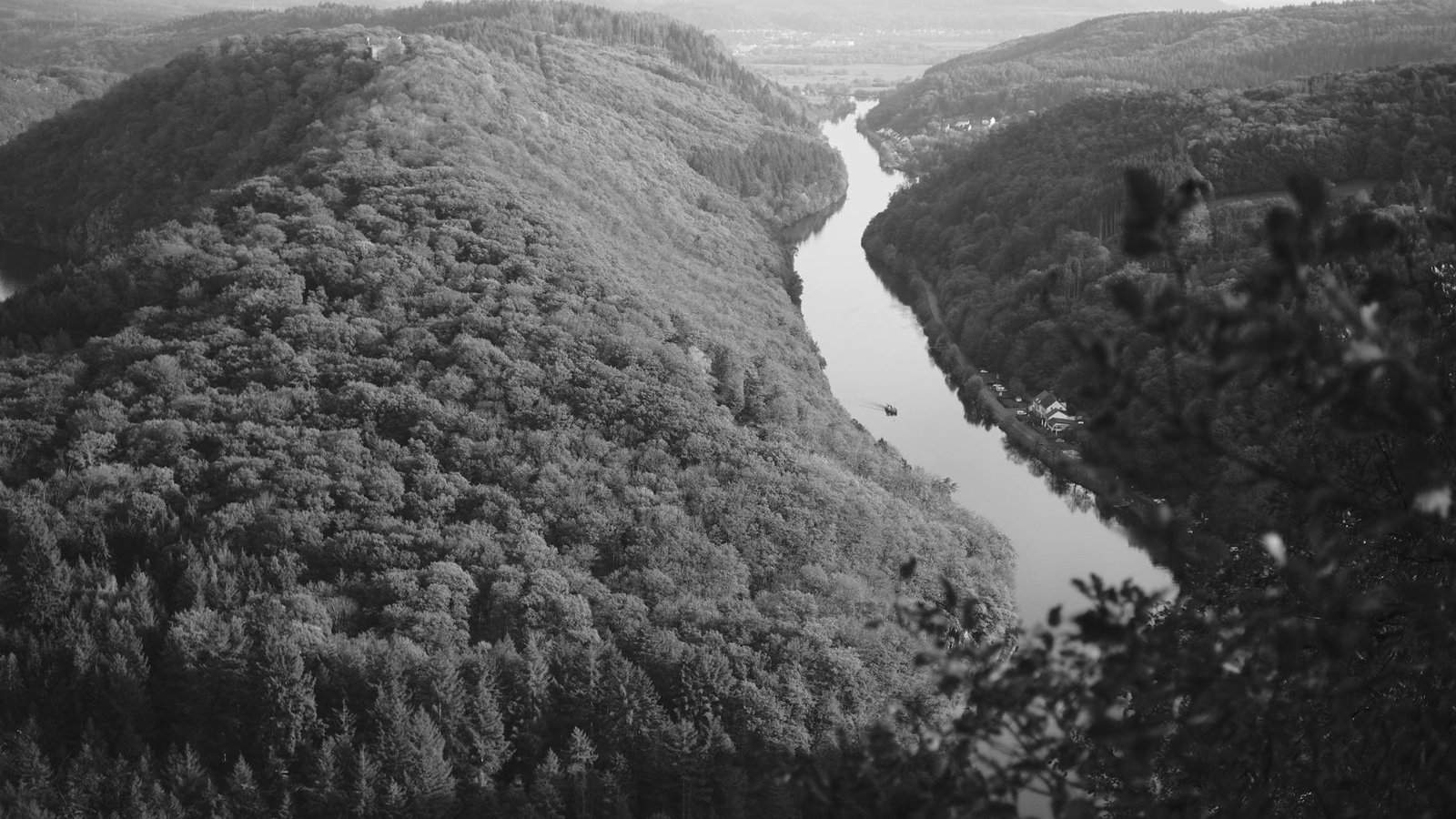
Saarlouis sits on the Saar River in southwestern Germany near the French and Luxembourg borders. River cruise ships dock directly along the Saar, putting you within a short walk of the old town center. The town was purpose-built in the 1680s by Louis XIV's military architect Vauban, giving it an unusually geometric, French-influenced layout that still reads clearly today.
This is not a headline cruise port. There are no major museums, no cable cars, and no beach. What Saarlouis delivers is an authentic, unhurried German market town with a genuinely distinctive historic core — one of the best-preserved Vauban fortress layouts in Germany. If you want somewhere that feels real and uncrowded, this works well.
Most cruisers here are on Saar or Moselle river itineraries with lines like Viking, AmaWaterways, or Emerald. Ships typically dock for a half to full day. The honest advice: plan for half a day ashore, do the old town properly, eat a good local lunch, and enjoy the pace. There is not enough here to fill a full eight-hour day without venturing further by taxi toward Saarbrücken.
Is It Safe?
Saarlouis is a safe, low-crime German market town. Standard travel awareness is all that's needed — watch your belongings in crowded market areas and keep valuables out of sight. There are no significant safety concerns for cruise visitors. Emergency services are reliable and the town is well-policed.
Accessibility & Walkability
The old town is flat and well-paved, making it one of the more accessible historic ports on the Saar and Moselle circuit. Wheelchair users and those with limited mobility can reach the Großer Markt and most of the market square without major obstacles. The rampart walls involve some uneven ground and grassy areas that may be harder to navigate in a wheelchair. The pier-to-town walk is short and manageable.
Outside the Terminal
Stepping off the pier in Saarlouis, you are immediately in a quiet riverside setting with the old town visible ahead. There are no touts, no aggressive tour sellers, and no port shopping complex to navigate through. The transition from ship to town is calm and straightforward — follow the main path toward the distinctive geometric street grid and you will reach the Großer Markt within ten minutes on foot.
Local Food & Drink
Saarlouis sits in Saarland, a region with its own distinct food identity shaped heavily by French influence. Look for Flammkuchen (Alsatian-style thin tart with cream, onion, and bacon), Dibbelabbes (a potato casserole unique to Saarland), and Lyoner sausage. The market square and surrounding streets have cafés and gasthaus-style restaurants that are honest and reasonably priced. Do not expect Michelin-level dining, but a good sit-down lunch here is very doable within a port day. Beer and regional wine from nearby Mosel vineyards are widely available. Avoid tourist-trap cafés near the immediate waterfront if any appear; the better spots are a block or two inland toward the Großer Markt.
Shopping
Shopping in Saarlouis is limited to local boutiques, bakeries, delis, and occasional market stalls — all of which is better for it. Skip any expectation of duty-free deals or souvenir shops. The best buys are edible: regional charcuterie, local bread, or a bottle of Moselle wine to take back to the ship. The main shopping street near the old town has standard German high-street stores if you need anything practical.
Money & Currency
- Currency
- Euro (EUR)
- USD Accepted?
- No
- Card Payments
- Good at restaurants and larger shops; some small market stalls and bakeries prefer cash
- ATMs
- ATMs are available in the town center near the Großer Markt
- Tipping
- Round up or leave 5-10% at sit-down restaurants; not expected at cafés or for takeaway
- Notes
- Carry a small amount of cash for market purchases and smaller cafés
Weather & Best Time
- Best months
- May, June, September, October
- Avoid
- December through February for river cruise itineraries; cold and limited daylight
- Temperature
- 15-25°C (59-77°F) during main river cruise season of April to October
- Notes
- Saarland has a mild continental climate. Spring and early autumn are comfortable for walking. Summer can be warm but rarely extreme.
Airport Information
- Airport
- Saarbrücken Airport (SCN)
- Distance
- Approximately 20 km
- Getting there
- Taxi is the most practical option from Saarlouis to Saarbrücken Airport; regional train via Saarbrücken Hauptbahnhof is possible with a connection
- Notes
- Saarbrücken Airport is small with limited international connections. Luxembourg Airport (LUX) roughly 80 km away offers broader options for pre- or post-cruise flights.
Getting Around from the Port
Walking
The Vauban old town, Großer Markt, and ramparts are all within easy walking distance of the river pier. This is the primary and best way to experience Saarlouis.
Taxi
Taxis are available near the town center and can take you to Saarbrücken for a larger city experience if your ship allows enough time.
Book a transfer 5% off with code TPO5 at checkoutLocal Bus
Regional bus services connect Saarlouis to nearby towns including Saarbrücken, but schedules require planning and English signage is limited.
Book bus ticketsBicycle
The Saar River cycling path is well-maintained and scenic. Some river cruise lines offer onboard bikes or can arrange rental; ask your cruise director.
Details last checked April 2026
Planning a cruise here?
Viking River Cruises, Uniworld, AmaWaterways & more sail to Saarlouis.
Practical Tips for Cruise Passengers
- Confirm your ship's exact dock location with the cruise director before going ashore — some vessels moor slightly outside the immediate town center.
- Ask your cruise director whether the weekly market is running during your call; it meaningfully improves the Großer Markt experience.
- If you have more than four hours and want a bigger-city fix, a taxi to Saarbrücken and back is feasible — but confirm your all-aboard time before committing.
- Carry euros in cash, especially if you plan to buy from market stalls or small bakeries where card readers are not always available.
- The Vauban ramparts are best appreciated with a basic understanding of Vauban's military design principles — your cruise line's port lecture or a quick read before docking pays off here.
- Saarlouis is genuinely uncrowded compared to Moselle and Rhine stops — use that to your advantage and take your time rather than rushing through.
Frequently Asked Questions
Yes, but with realistic expectations. It is a compact, well-preserved fortress town that is best appreciated as a relaxed half-day walk rather than a major destination. If you want a quiet, authentic German river town, it delivers.
The Großer Markt and old town center are less than 1 km from the river pier — roughly a 5-10 minute flat walk. No transport needed to reach the main sights.
Yes, it is about 25-30 minutes by taxi. Saarbrücken offers more shopping, larger museums, and a bigger city feel. Only worth it if your ship gives you five or more hours ashore.
It works reasonably well. The open rampart areas and grassy moat zones give kids space to move, and the town is safe and easy to navigate. There are no dedicated family attractions or theme parks.
Saarlouis appears on Saar and Moselle itineraries operated by lines including Viking River Cruises, AmaWaterways, Emerald Waterways, Avalon Waterways, Scenic, and Tauck among others. Call schedules vary by season and itinerary.
Find cruises to Saarlouis, Germany
Compare sailings and book with no fees — best price guaranteed.
We may earn a commission when you book through our links, at no extra cost to you — it’s how we keep these guides free.
✉ Sailing to Saarlouis? Get your port-day plan
Tell us your sail date and we’ll email you a short Saarlouis plan about 60 days out — when the good excursions start selling out — plus a final checklist 2 weeks before. Two emails, then done. We’ll send one note to confirm it’s really you — unsubscribe anytime.
European River Cruises
View All
More European River Cruises Ports

European River Cruises
European River Cruises

European River Cruises
