

Asia
Asia
Xi’an Cruise Port Guide: Getting Around & What to Do
China
Ships anchor offshore; tenders required to reach port.
Choose the Right Port Day
Best Overall
Pre- or post-cruise stay (1–2 days): Terracotta Army on day 1, ancient city walls and Muslim Quarter on day 2. River cruises typically schedule this; confirm with your line.
Book Muslim Quarter (Hui Quarter) & Street Food on ViatorBest Beach
Not applicable. Xi'an is inland; no beaches.
With Kids
Terracotta Army Museum (book a guided tour via your cruise line or hotel concierge; 5–6 hours total including transport). Kids find the warrior statues engaging despite the long coach ride.
Only 3-4 Hours
Not realistic for Xi'an. If stuck with a short window, walk Xi'an's restored South Gate area and adjacent city walls (1 hour) then grab lunch in the Muslim Quarter. Skip distant Terracotta Army.
Cheapest Option
Walk the ancient city walls (free or 50–80 RMB / ~$7–11 USD entry) and explore the Muslim Quarter on foot (food $3–6 USD per meal). Skip paid museums.
What To Avoid
Assuming a port day allows a rush Terracotta Army visit without pre-booking; transport alone eats 2–3 hours. Skipping the city walls is a mistake—they're the best free/cheap landmark and genuinely impressive.
Quick Take
- Port Type
- River embarkation/disembarkation city with deep historical significance
- Best For
- Multi-day pre- or post-cruise stays; cultural immersion; Terracotta Army visits; ancient history enthusiasts
- Avoid If
- You want a quick beach escape or don't care about archaeology and ancient cities
- Walkability
- City center is walkable; port-to-downtown is 5+ km, requires taxi or arranged transport
- Budget Fit
- Low to moderate; most activities and food are inexpensive; long-distance excursions cost $30–80 USD
- Good For Short Calls?
- Poor. Most worthwhile activities (Terracotta Army, city walls) need 4–6 hours minimum. Best as a 1–2 day pre/post stay.
Top Things To Do
1
Mini Group Xian Day Tour to Terracotta Army, City Wall, Pagoda and Muslim Bazaar
Uncover the magic of Xi’an on a full-day tour through its 3,100 years of history! With an expert local guide, you’ll check two UNESCO World Heritage…
9h
2
Xi'an Evening Food Tour by TukTuk
This is not another walking tour but a small group tour travel by private tuktuk and offer unlimited beer and soda while you and your English-speaking…
3h
Our picks in Xi’an
3
Terracotta Army Museum (Mausoleum of Qin Shi Huang)
Over 8,000 life-sized terracotta warrior and horse statues buried 2,300 years ago. Three excavation pits; pit 1 is the largest and most impressive. UNESCO World Heritage Site. Awe-inspiring and genuinely unique. Audio guides in multiple languages. Allow 2–3 hours on-site; add transport time.
4
Ancient City Walls & South Gate
14 km of restored Ming-era defensive walls (14th century) surrounding the old city. Walk or rent a bike to traverse the 2-hour perimeter. South Gate Tower is the most photogenic entry point and offers views over the city. Free to walk the top; entry fee applies. Well-preserved and atmospheric.
5
Muslim Quarter (Hui Quarter) & Street Food
Historic maze of narrow alleys, street stalls, and restaurants in the old city near the Great Mosque. Lamb skewers, hand-pulled noodles, stuffed pastries, and other Central Asian-influenced dishes. Very atmospheric, crowded, lively. Great for photos and casual exploration. Small shops selling souvenirs, spices, and textiles.
Show 1 more thing to do in Xi’an
6
Shaanxi History Museum
Excellent provincial museum with 2,000 years of artifacts: bronzes, pottery, calligraphy, gold, jade. Well-curated and far less crowded than the Terracotta Army. Free entry (reserve online in advance; high demand). English captions in most exhibits. 2–3 hours sufficient.
Book with the ship, or on your own?
Booking independently
- Often noticeably cheaper than the ship’s version of the same tour.
- Smaller groups and local operators, with traveler reviews you can read before you pay.
- Free cancellation on most tours, usually up to 24 hours before.
When the ship’s excursion makes sense
- Short port calls or long transfers where the timing is tight.
- Tender-only stops where getting ashore can run late.
- The ship waits for its own delayed excursions — it won’t wait for independent ones, so leave a buffer before all-aboard.
Going independent? Compare tours in Xi’an → — the best-reviewed ones sell out first.
We may earn a commission when you book through our links, at no extra cost to you — it’s how we keep these guides free.
Check The Port Traffic
Cruise Ships in Port
Once you have your shore plan, use the schedule to see how busy the harbour will be on your date, plus the ships, lines, and published call windows.
Sun
Mon
Tue
Wed
Thu
Fri
Sat
1
2
3
4
5
6
7
8
9
10
11
12
13
14
15
16
17
18
19
20
21
22
23
24
25
26
27
28
29
30
Quiet (1–2)
Busy (3–4)
Packed (5+)
0 scheduled calls
September 21, 2026
No scheduled cruise ship calls were found for this date selection. Pick a highlighted day on the calendar above, widen the range, or search for a different ship or line.
Port Overview
Xi'an sits on the Wei River and serves as the main hub for Uniworld, AmaWaterways, Viking River Cruises, Scenic, and other river cruise lines operating in China. Ships anchor in the city proper or dock at a river terminal; the city center and major attractions are not within walking distance of the dock. Xi'an is China's ancient capital (Chang'an) and home to the Terracotta Army, thousands of warrior statues buried for over 2,000 years. The city is primarily marketed as a multi-day pre- or post-cruise stay rather than a traditional port of call. Few cruisers visit for only a few hours; most river itineraries include 1–2 nights in Xi'an to allow proper exploration. If your cruise does include a port day, expect a primarily landlocked, culturally dense city with world-class museums and restored historic sites, not a beach or resort experience.
Is It Safe?
Xi'an is safe for tourists. Violent crime against visitors is rare. Petty theft (pickpocketing on buses, crowded markets) does occur; keep valuables secure and avoid isolated areas after dark. Police presence is visible and responsive. Women travelers report feeling safe during the day in popular areas; nighttime solo exploration is not recommended. Street food from busy stalls is generally safe; eat where locals eat. Tap water is not safe to drink; buy bottled water. Air quality can be poor in winter; check forecasts and bring a mask if sensitive. The city is accustomed to international visitors and very welcoming.
Accessibility & Walkability
City center shops, restaurants, and museums have modern facilities with elevators and ramps. Ancient city walls have steep steps and uneven terrain—not wheelchair-friendly. The Terracotta Army Museum has good accessibility in the main halls but terrain is mostly flat. Taxis have high steps; metro is better for wheelchair users. Most hotels and restaurants do not have accessible parking. Sidewalks in the Muslim Quarter are crowded and uneven. Accessibility information is limited; contact your hotel or cruise line in advance if mobility is a concern.
Outside the Terminal
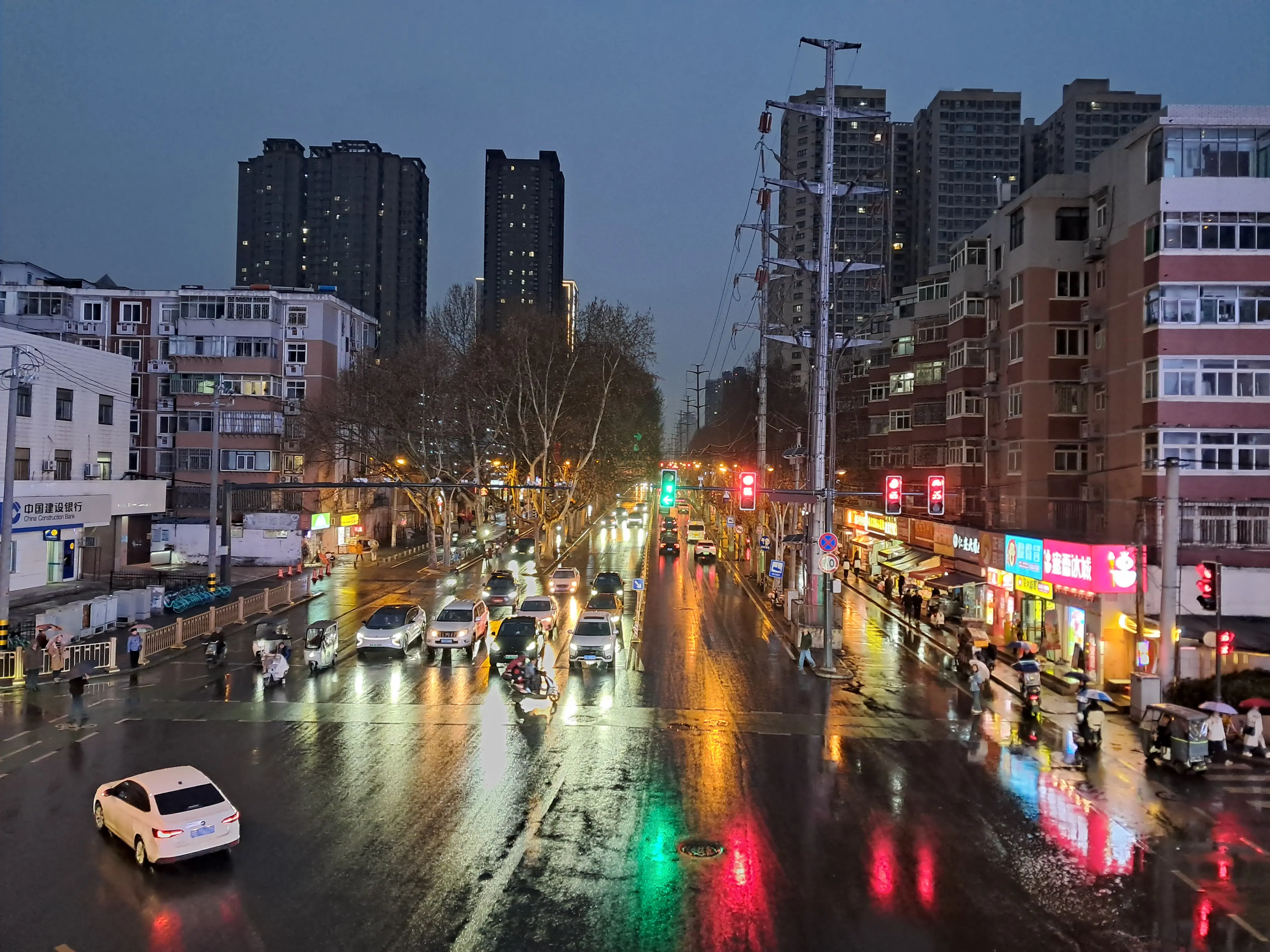
The port terminal or nearby riverside area feels utilitarian and is not immediately touristy. Once outside the terminal gates, you'll see urban Xi'an: mid-rise buildings, busy streets, shops, and local traffic. There is no immediate beachfront or promenade feel. English signage is limited outside tourist zones. The atmosphere is distinctly Chinese urban—efficient but not immediately welcoming to those unfamiliar with the country. Taxis queue near the terminal; direct taxis to your hotel or a major landmark (e.g., ancient city walls, Muslim Quarter) using a written address or map screenshot. You will not feel stranded, but you do need a plan.
Local Food & Drink
Xi'an cuisine is distinctive and affordable. Muslim Quarter street food (lamb skewers, hand-pulled noodles, stuffed buns) is iconic and cheap ($3–6 USD per meal). Sit-down restaurants serve noodle dishes, dumplings, and local specialties for $4–12 USD per person. Tang West Market Restaurant and Defachang Dumpling Restaurant are reliable and popular with tourists; expect queues. Night markets (esp. Hui Min Street) are chaotic and delicious. Avoid tap water; stick to bottled or boiled beverages. Most restaurants cater to local tastes and limited English; use photos or translation apps to order. Vegetarian options are common. Quality is high and prices are very low by Western standards.
Shopping
The Muslim Quarter has dense souvenir stalls selling jade, ceramics, tea, spices, silk, and tourist trinkets. Haggling is standard. Department stores and malls in the city center (e.g., SKP, Parkson) stock international brands and local goods. Antique and art shops near the old city offer high-end pieces; authenticity varies. Prices are inexpensive compared to the West. English-language bargaining can be frustrating in street stalls; bring a calculator or translation app. Don't buy fake branded goods; enforcement is unpredictable and not worth the risk.
Money & Currency
- Currency
- Chinese Yuan (CNY)
- USD Accepted?
- No
- Card Payments
- Limited in small shops and street stalls; Visa and Mastercard accepted at larger restaurants, hotels, and malls. Mobile payment (WeChat Pay, Alipay) is ubiquitous and preferred; locals rarely carry cash.
- ATMs
- ATMs widespread in city center and near tourist sites; withdraw CNY in advance or at airport
- Tipping
- Tipping is not customary and often declined. Service charges may be added to restaurant bills automatically.
- Notes
- Carry a mix of cash (CNY) and a credit card. Inform your bank of travel dates to avoid card blocks. Exchange rates at airport are fair; no need to pre-exchange USD.
Weather & Best Time
- Best months
- April–May, September–October (mild, low rainfall, clear skies)
- Avoid
- December–February (cold, occasional snow, dry), July–August (hot, polluted)
- Temperature
- Spring/Fall cruises: 15–25°C (59–77°F); Summer: 25–35°C (77–95°F)
- Notes
- Air quality is a concern in winter (smog/haze) and summer (heat haze). Spring and autumn are ideal. Humidity is low. Pack layers and comfortable walking shoes. Sunscreen and hat recommended.
Airport Information
- Airport
- Xi'an Xianyang International Airport (XIY)
- Distance
- ~35 km west of city center; ~45 min by taxi or shuttle
- Getting there
- Taxi (~$15–20 USD), hotel shuttle (pre-arrange with hotel), airport bus (cheap but slow). Most cruise packages include airport transfers.
- Notes
- Modern airport with good English signage, restaurants, and shops. Arrange transportation in advance if you're doing a pre- or post-cruise stay. Shuttle buses run regularly but are crowded during peak hours.
Getting Around from the Port
Taxi
Taxis queue at the port terminal or can be hailed on the street. Use DiDi (Chinese Uber equivalent) if you have a local SIM or WeChat Pay. Drivers rarely speak English; show destination in Chinese characters or use hotel business card.
Book a transfer 5% off with code TPO5 at checkoutCruise line shore excursion or hotel concierge
Most river cruises pre-arrange guided tours to Terracotta Army, city walls, and Muslim Quarter. Highly recommended for first-timers and non-Chinese speakers. Tours typically depart from hotel or port in the morning.
Metro (subway)
Xi'an has a modern metro system. Stations near the city center are clean and efficient. Purchase a rechargeable card at ticket windows (some accept mobile payment via WeChat or Alipay).
Routes & timesPrivate driver or guided car rental
Book via your hotel concierge or Chinese apps (Caiyun, Anji, etc.). Driver waits and provides flexible itinerary. More expensive but suitable for groups or non-English speakers uncomfortable with taxis.
Book a transfer 5% off with code TPO5 at checkoutDetails last checked April 2026
Planning a cruise here?
Uniworld, AmaWaterways, Emerald Waterways & more sail to Xi’an.
Practical Tips for Cruise Passengers
- Book the Terracotta Army visit through your cruise line if possible; pre-arranged tours are far more convenient than self-guided transport, and the guide makes the site come alive.
- Download offline maps (Google Maps offline, Baidu Maps) before arrival; data is intermittent and local apps dominate, making navigation hard for foreigners.
- Use WeChat Pay or Alipay for mobile transactions if you have a Chinese SIM or international roaming; almost every shop, street stall, and taxi now expects digital payment, not cash.
- The Muslim Quarter is best explored early in the morning (7–9 AM) before tourist crowds arrive; alleys are cleaner and atmosphere is more authentic.
Frequently Asked Questions
If your ship allows a full day ashore, a guided tour is possible but tiring (5–6 hours round trip). Most cruisers book a 1–2 day pre-cruise hotel stay in Xi'an to visit the Terracotta Army without rush. Check your cruise itinerary; many river lines pre-arrange this.
Most nationalities need a Chinese visa in advance; it is not issued on arrival. Check with the Chinese embassy for your country well before your cruise. Some cruise lines provide visa guidance or partner with visa services.
English is limited outside hotels and major tourist sites. Download a translation app, carry a written address in Chinese characters, and use ride-sharing apps (DiDi) or pre-arranged tours. Hiring a guide or using cruise-line excursions is the easiest option.
Find cruises to Xi’an, China
Compare sailings and book with no fees — best price guaranteed.
We may earn a commission when you book through our links, at no extra cost to you — it’s how we keep these guides free.
✉ Sailing to Xi’an? Get your port-day plan
Tell us your sail date and we’ll email you a short Xi’an plan about 60 days out — when the good excursions start selling out — plus a final checklist 2 weeks before. Two emails, then done. We’ll send one note to confirm it’s really you — unsubscribe anytime.
Asia
View All