

Asia
Asia
Hakata Fukuoka Cruise Port Guide: Things to Do, Transport & Practical Tips
Japan
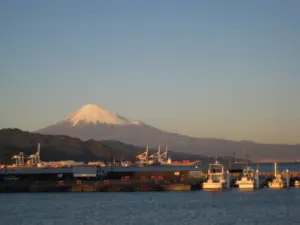
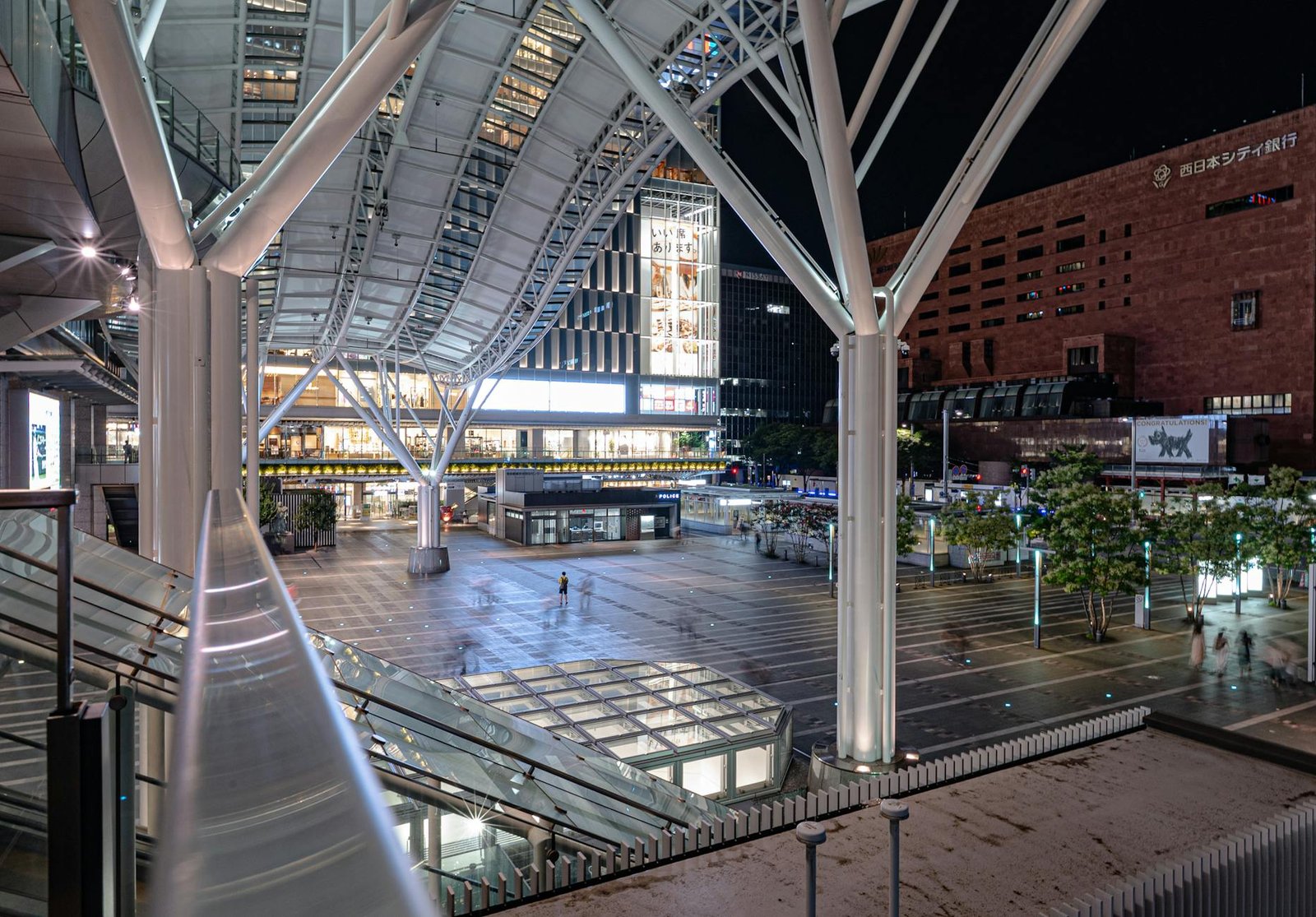
Hakata Port features dedicated cruise terminals with modern facilities, located directly in Fukuoka City with convenient port infrastructure.
Choose the Right Port Day
Best Overall
Take the metro from Hakata Station (10-minute walk from port or short taxi) to Dazaifu for the historic Tenmangu Shrine and its famous grilled rice cake street, then return for ramen in Hakata before sailing. Covers culture, food, and an easy day structure.
Best Beach
Not the reason to come here. Itoshima has coastal scenery about 40 minutes away by train, but it is not a swim-and-relax beach day suited to a cruise port call.
With Kids
Head to Canal City Hakata — it has an indoor canal feature, food courts, game arcades, and plenty of visual entertainment that keeps kids engaged without needing Japanese language skills.
Only 3-4 Hours
Walk or taxi to Canal City Hakata for shopping and ramen, then head to Kushida Shrine and the Nakasu yatai stalls area. You can cover this loop in under 4 hours and eat well for under $15.
Book Hakata Old Town and Kushida Shrine from $64Cheapest Option
Buy a one-day Fukuoka City subway pass (around $5-7 USD), ride to Tenjin station, walk Tenjin Underground City, eat at a standing ramen bar for $8-10, and explore Ohori Park for free.
What To Avoid
Skip organized ship shore excursions for city sightseeing — public transport covers the same ground at a fraction of the cost. Avoid spending your whole day inside Canal City; it is convenient but skips the best of Fukuoka.
Quick Take
- Port Type
- Urban City Port
- Best For
- Food lovers, history buffs, efficient city explorers, Japan first-timers
- Avoid If
- You want a beach day or prefer not navigating a busy Japanese city on foot
- Walkability
- Good from pier to central Hakata; some key areas require metro or taxi
- Budget Fit
- Mid-range; excellent cheap eats, public transport is affordable, entrance fees are low
- Good For Short Calls?
- Yes — Hakata and Canal City are easily covered in 3-4 hours
Top Things To Do
1
YokaBus Fukuoka Cruise Shore Excursion Dazaifu Half Day Tour
◆ Convenient Pickup from Hakata Port Start your journey with ease! Our tour offers seamless pickup options directly from Hakata Port for cruise passengers. ◆ Guided…
5hFree cancellation
2
Hakata Shore Excursion: Custom Car Tour, Licensed Guide
This tour is designed for travelers who visit Fukuoka City by cruise ship. We will pick you up at Hakata Port or hotels near the port.…
6hFree cancellation
Our picks in Hakata Fukuoka
3
Dazaifu Tenmangu Shrine
One of Japan's most important Shinto shrines, dedicated to the god of learning. The main hall, ornamental bridge, and plum tree garden are genuinely atmospheric. The approach street is lined with stalls selling the local specialty, umegae mochi — grilled rice cakes with red bean filling.
4
Hakata Old Town and Kushida Shrine
Kushida is Fukuoka's most important local shrine — free to enter, historically significant, and home to the enormous Yamakasa float used in the city's famous July festival. The surrounding streets include traditional merchant-area architecture mixed into the modern city.
5
Tonkotsu Ramen in Hakata
This is the city that invented the style. Hakata ramen — rich pork bone broth, thin straight noodles, pickled ginger on the side — is best eaten at a small local shop rather than a chain. Shin-Shin, Ichiran, and Ippudo all have Hakata locations. Order at the vending machine inside, eat at the counter, done in 20 minutes.
Show 3 more things to do in Hakata Fukuoka
6
Canal City Hakata
A large, visually distinctive indoor-outdoor shopping and entertainment complex built around an artificial canal. Not high culture, but useful — reliable food court, air conditioning, clean restrooms, English-friendly signage, and a Uniqlo if you need one. Good for families or if weather turns.
7
Ohori Park
A large, peaceful urban park built around a tidal pond in the Tenjin-adjacent neighborhood. The walking loop around the lake is about 2 km. Includes a reconstructed section of Fukuoka Castle ruins, a Japanese garden, and a small art museum. Good decompression stop between city sightseeing.
8
Tenjin Underground Shopping City
Over 150 shops in a sprawling underground mall beneath central Tenjin. Practical in bad weather or midday heat and a genuinely interesting glimpse into Japanese urban retail culture. Connects to street-level boutiques and department stores above.
Book with the ship, or on your own?
Booking independently
- Often noticeably cheaper than the ship’s version of the same tour.
- Smaller groups and local operators, with traveler reviews you can read before you pay.
- Free cancellation on most tours, usually up to 24 hours before.
When the ship’s excursion makes sense
- Short port calls or long transfers where the timing is tight.
- Tender-only stops where getting ashore can run late.
- The ship waits for its own delayed excursions — it won’t wait for independent ones, so leave a buffer before all-aboard.
Going independent? Compare tours in Hakata Fukuoka → — the best-reviewed ones sell out first.
We may earn a commission when you book through our links, at no extra cost to you — it’s how we keep these guides free.
Check The Port Traffic
Cruise Ships in Port
Once you have your shore plan, use the schedule to see how busy the harbour will be on your date, plus the ships, lines, and published call windows.
Sun
Mon
Tue
Wed
Thu
Fri
Sat
1
2
3
4
5
6
7
8
9
10
11
12
13
14
15
16
17
18
19
20
21
22
23
24
25
26
27
28
29
30
31
Quiet (1–2)
Busy (3–4)
Packed (5+)
0 scheduled calls
October 17, 2026
No scheduled cruise ship calls were found for this date selection. Pick a highlighted day on the calendar above, widen the range, or search for a different ship or line.
Port Overview
Hakata — the port and historic eastern ward of Fukuoka City — is one of Japan's most underrated cruise stops. Ships dock at Hakata Port, specifically at the Cruise Terminal on Chuo Wharf, which puts you about 3 kilometers from central Hakata Station and the city's main commercial and cultural districts. The terminal itself is modern and functional, with taxi ranks, basic facilities, and tourist information on-site.
Fukuoka is Japan's sixth-largest city and has a strong identity built around food, temples, and a compact, navigable urban layout. The big draws for cruisers are ramen (Hakata-style tonkotsu is the city's signature dish), the ancient Dazaifu shrine complex about 25 minutes by rail, and the Nakasu entertainment district. Canal City and Tenjin are urban shopping zones worth an hour or two if retail is your priority.
This is a genuinely good port for a short city day. You do not need a guide, the public transport is reliable, most locals in tourist areas understand basic English pointing-and-nodding, and the food is cheap and excellent. Come with a plan — the city rewards efficiency.
Is It Safe?
Fukuoka is extremely safe by any global standard. Petty crime is rare, tourist scams are essentially nonexistent in this city, and you can walk at night without concern. The biggest practical risk is simply missing the ship — Hakata Port is actively used, so confirm your all-aboard time and add a buffer since traffic can back up near the terminal on busy port days. Keep your port ID and ship card on you at all times as standard practice.
Accessibility & Walkability
The cruise terminal itself is modern and flat, with good facilities. Central Fukuoka — Hakata Station area, Tenjin, Canal City — is largely accessible with elevators at most subway stations and level shopping streets. Dazaifu Tenmangu involves some uneven stone paths and steps approaching the main shrine, which can be difficult for wheelchairs. The waterfront walk from the pier is flat. Overall, Fukuoka is more accessible than many Asian cities but some historic areas require mobility consideration.
Outside the Terminal
Stepping off the gangway at Hakata Port's Chuo Wharf, you land in a functional modern terminal with a small information desk, restrooms, and taxis immediately outside. The waterfront area is clean but not especially scenic or interesting — this is a working commercial port, not a promenade. Head straight for transport rather than lingering. Within 10 minutes you should be in a taxi or bus heading toward Hakata Station, which is where the city begins to deliver.
Local Food & Drink
Fukuoka's food culture punches well above its global profile. Tonkotsu ramen is the obvious anchor — eat it here because this is where it came from, and the difference from versions abroad is real. Mentaiko (spicy marinated pollack roe) is the city's other signature product, sold everywhere from supermarkets to restaurants. Yatai — the outdoor food stalls along the Nakasu riverbank and in Tenjin — are a Fukuoka institution. They operate mainly from evening onward, so only relevant if you have a late-night port call or overnight stay, but worth knowing about.
For a port day lunch, the Hakata Station food hall basement is one of the best options in Japan at this price point — bento boxes, sushi counters, ramen stalls, and pastry shops all in one building. Budget $10-15 USD for a very good meal. Avoid tourist trap restaurants near Canal City's main atrium; walk one block outward and prices drop.
Shopping
Fukuoka is a legitimate shopping city — Tenjin and Hakata Station both have major department stores, and Canal City covers mid-market brands. For Japan-specific purchases, look for Hakata-ori textile products (traditional woven fabric sold as scarves, pouches, and accessories), mentaiko condiments in sealed jars suitable for travel, and matcha confectionery. Don't waste port time hunting for luxury brands you can buy at home. The Hakata Station basement food and gift floor is the single most efficient stop for take-home items.
Money & Currency
- Currency
- Japanese Yen (JPY)
- USD Accepted?
- No
- Card Payments
- Improving but uneven. Major hotels, department stores, and chains accept Visa and Mastercard. Small ramen shops, shrines, and yatai are often cash only.
- ATMs
- 7-Eleven and Japan Post ATMs reliably accept foreign cards. Available at Hakata Station and convenience stores throughout the city.
- Tipping
- Do not tip. Tipping is not part of Japanese culture and can cause awkwardness.
- Notes
- Withdraw yen on arrival at a 7-Eleven ATM if you do not have JPY. Carry small bills — ¥1000 notes are useful for ramen and snack stalls.
Weather & Best Time
- Best months
- March-April (cherry blossom, mild) and October-November (cool, clear)
- Avoid
- July-August are hot and humid with temperatures above 32°C / 90°F; June is rainy season
- Temperature
- Spring and autumn sailings: 15-24°C (59-75°F). Summer port calls: 28-34°C (82-93°F) with high humidity.
- Notes
- Fukuoka summers are genuinely exhausting for sightseeing on foot. Plan underground or air-conditioned routes if arriving in July or August. Typhoon season runs September into October — rare disruptions but possible.
Airport Information
- Airport
- Fukuoka Airport (FUK)
- Distance
- About 8 km from Hakata Port
- Getting there
- Subway from Hakata Station to Fukuoka Airport takes 5 minutes on the Airport Line. Taxi from port to airport is about 20-25 minutes and costs roughly $15-22 USD.
- Notes
- One of Japan's most conveniently located major airports. Excellent option for pre- or post-cruise stays — no long transfer needed.
Getting Around from the Port
Taxi from pier
Taxis wait at the terminal. Direct, air-conditioned, and easy if you carry a printed address in Japanese.
Book a transfer 5% off with code TPO5 at checkoutFukuoka City Subway
The nearest station to the port is Akasaka or Hakata; a short taxi or bus gets you to the subway network. The Airport Line connects key districts efficiently.
Routes & timesWalking
Walking directly from the pier to Hakata Station takes about 30-40 minutes along the waterfront. Not recommended in summer heat but fine in mild weather.
Port shuttle bus
Some cruise lines operate a complimentary shuttle between the pier and Hakata Station. Check with your ship.
Book a transfer 5% off with code TPO5 at checkoutDetails last checked April 2026
Planning a cruise here?
Regent Seven Seas Cruises, Viking Ocean Cruises, Explora Journeys & more sail to Hakata Fukuoka.
Practical Tips for Cruise Passengers
- Download Google Maps offline for Fukuoka before leaving the ship — navigation is straightforward but cell data may be limited without a Japan SIM or pocket WiFi.
- Buy a Hayakaken or load your Suica card at any station vending machine immediately — it works on both subway and Nishitetsu lines and saves time at every tap-in.
- The Nishitetsu Tenjin-Omuta Line is the route to Dazaifu via transfer at Futsukaichi — check the schedule before committing to this trip if your port day is under 7 hours.
- Most convenience stores (7-Eleven, FamilyMart, Lawson) sell excellent ready-made food — onigiri, sandwiches, hot dishes — for under $3 USD. Do not underestimate them as a meal option.
- Carry a small folded piece of paper with your ship's name and Hakata Port terminal address in Japanese — taxi drivers will appreciate it and it removes uncertainty.
- Build in a 90-minute buffer before all-aboard time. Port traffic and taxi availability near the terminal can back up when multiple ships are in.
Frequently Asked Questions
Hakata Station — the practical city center hub — is about 3 km from the cruise terminal, a 10-15 minute taxi ride or 30-40 minute walk. The port is not within walking distance of most major attractions, so budget for a taxi or short transit connection.
Not really. Subway stations have English signage, Google Maps works reliably, and most tourist-facing shops and food stalls have picture menus or vending machine ordering. Basic gestures and a phone get you a long way.
Yes, if you have at least 6-7 hours ashore. The total travel and visit time is roughly 2.5-3 hours, which still leaves time for ramen and a quick walk in Hakata. If you have under 5 hours, skip it and stay in the city.
Absolutely. Fukuoka is one of the easiest Japanese cities to self-navigate. Public transport is cheap, reliable, and well-signed in English. Ship excursions cover the same ground at significantly higher prices.
Mentaiko in vacuum-sealed travel packs, Hakata-ori woven textiles, and regional wagashi (Japanese confectionery) are the most distinctive local purchases. The basement food hall at Hakata Station has the best selection in one place.
Find cruises to Hakata Fukuoka, Japan
Compare sailings and book with no fees — best price guaranteed.
We may earn a commission when you book through our links, at no extra cost to you — it’s how we keep these guides free.
✉ Sailing to Hakata Fukuoka? Get your port-day plan
Tell us your sail date and we’ll email you a short Hakata Fukuoka plan about 60 days out — when the good excursions start selling out — plus a final checklist 2 weeks before. Two emails, then done. We’ll send one note to confirm it’s really you — unsubscribe anytime.
Same itinerary network
View All