
Australia & Pacific
Ships anchor offshore with tender boats required to reach the port terminal.
Choose the Right Port Day
Best Overall
Half-day guided tour combining WWII sites (Zero Wreck, Reto monument), Alele Museum, and Laura Beach swim. Book through ship or local operators ($60–100 USD per person).
Best Beach
Laura Beach (white sand, lagoon swimming, local food vendors). About 20 minutes by taxi north of the port.
With Kids
Laura Beach with a guide-led snorkel or casual swim; Majuro is calm and safe for families willing to embrace basic beach time over structured activities.
Only 3-4 Hours
Take a taxi tour to Alele Museum and Reto Park memorial, then taxi to Laura Beach for a swim and local lunch. Plan 4–5 hours total.
Cheapest Option
Walk downtown for coffee/snacks, visit Alele Museum (small admission fee), then walk or short taxi ride to nearby Uliga waterfront. Total budget under $20 USD.
What To Avoid
Do not expect resort infrastructure, restaurants of Western standard, or extensive shopping. Port is functional, not tourist-focused; cramped downtown with few attractions within walking distance of docks.
Quick Take
- Port Type
- Small expedition/transit port
- Best For
- History and WWII buffs, budget travelers, those wanting a genuine Pacific atoll experience without resort crowds
- Avoid If
- You want shopping, restaurants, or extensive organized activities; port infrastructure is minimal
- Walkability
- Low. Downtown is compact but hot, humid, and basic. Most worthwhile sites require taxi or tour.
- Budget Fit
- Budget-friendly; few paid attractions, but limited services mean less temptation to overspend
- Good For Short Calls?
- Yes, but plan carefully. Many cruisers stay aboard or do a quick taxi tour and beach time.
Top Things To Do
1
Alele Museum & Cultural Center
Small but worthwhile museum covering Marshall Islands history, WWII, and local culture. Includes traditional canoes, artifacts, and exhibits on the nuclear testing era. Air-conditioned and quiet.
2
Laura Beach & Lagoon Swimming
White-sand beach on a small island, calm turquoise lagoon water, good snorkeling at the reef edge. Vendors sell drinks and local food (fish, coconut rice). No formal facilities but basic shade from palms.
3
WWII Historic Sites (Zero Wreck, Reto Park Memorial)
Remnants of Japanese aircraft wrecks (notably a Zero fighter) and memorials to fallen soldiers dot the atoll. Reto Park is a quiet, respectful monument. Sites are scattered; best seen via guided taxi tour. Poignant but sobering.
Book with the ship, or on your own?
Booking independently
- Often noticeably cheaper than the ship’s version of the same tour.
- Smaller groups and local operators, with traveler reviews you can read before you pay.
- Free cancellation on most tours, usually up to 24 hours before.
When the ship’s excursion makes sense
- Short port calls or long transfers where the timing is tight.
- Tender-only stops where getting ashore can run late.
- The ship waits for its own delayed excursions — it won’t wait for independent ones, so leave a buffer before all-aboard.
We may earn a commission when you book through our links, at no extra cost to you — it’s how we keep these guides free.
Check The Port Traffic
Cruise Ships in Port
Once you have your shore plan, use the schedule to see how busy the harbour will be on your date, plus the ships, lines, and published call windows.
Sun
Mon
Tue
Wed
Thu
Fri
Sat
1
2
3
4
5
6
7
8
9
10
11
12
13
14
15
16
17
18
19
20
21
22
23
24
25
26
27
28
29
30
Quiet (1–2)
Busy (3–4)
Packed (5+)
0 scheduled calls
September 21, 2026
No scheduled cruise ship calls were found for this date selection. Pick a highlighted day on the calendar above, widen the range, or search for a different ship or line.
Port Overview
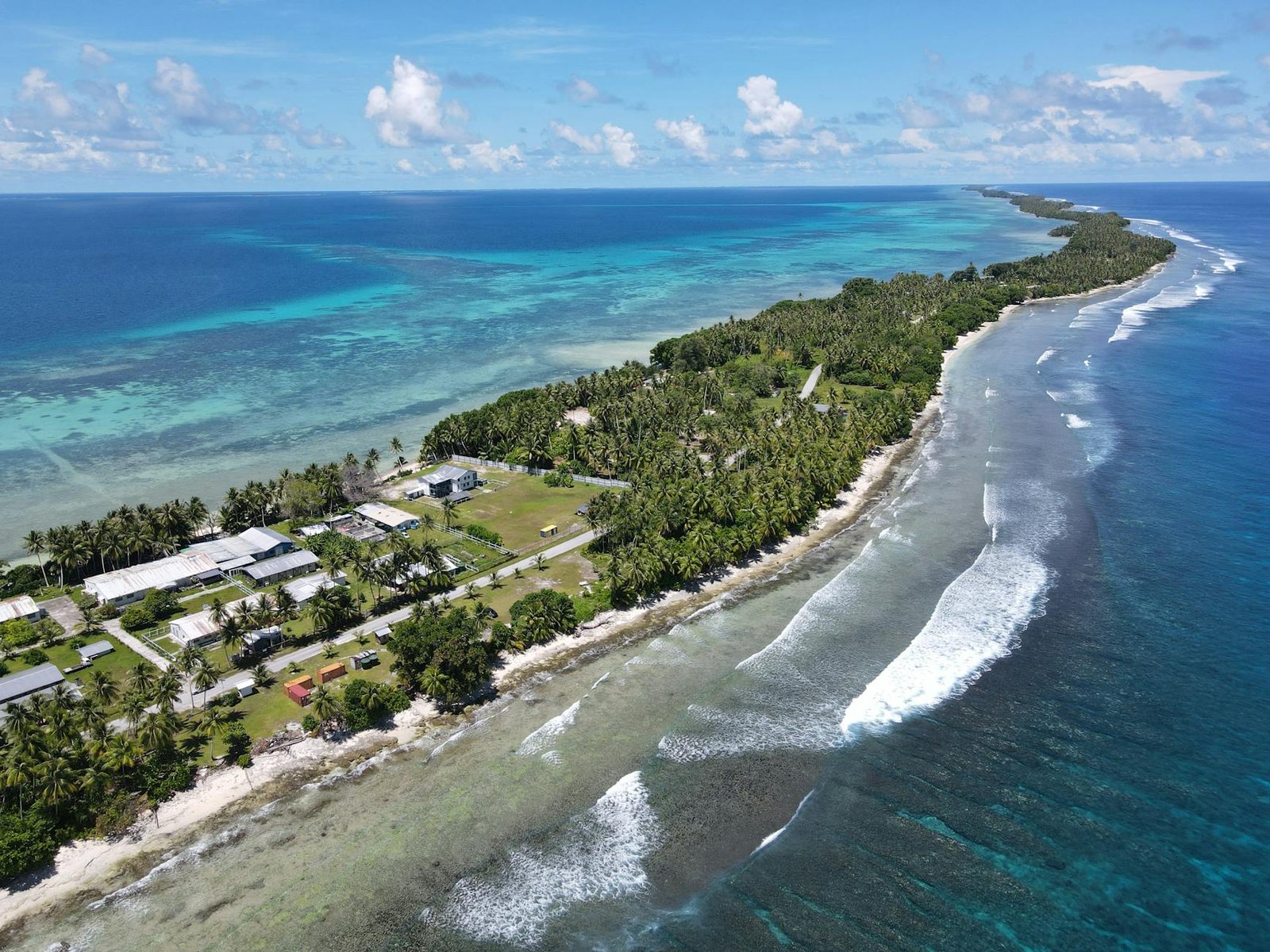
Majuro is the capital of the Marshall Islands and a small, low-lying atoll with minimal cruise infrastructure. Ships anchor offshore; passengers tender or use local boats to reach the main wharf near downtown. The port is primarily a transit stop on expedition itineraries (Lindblad, Seabourn) and regional cruises. There is no traditional cruise terminal, and the town itself is basic—limited restaurants, shops, and attractions. The main appeal is Pacific history (WWII wrecks, local culture) and a genuine, underdeveloped atoll experience, not leisure amenities. Most cruisers spend 4–6 hours ashore, either exploring downtown and nearby sites by taxi, swimming at Laura Beach, or staying aboard.
Is It Safe?
Majuro is generally safe for cruise tourists in main areas (downtown, wharf, popular beaches). Petty theft and mugging are rare but not unknown; avoid displaying jewelry or large cash. Downtown at night is best avoided. Tap water is sometimes unreliable; drink bottled water. Medical facilities are very basic; serious emergencies may require evacuation to Honolulu or Japan. The atoll is remote—always alert your ship to your plans and carry your room key and ID.
Accessibility & Walkability
Limited accessibility. Downtown is flat but uneven pavement and narrow streets make wheelchair navigation difficult. No dedicated accessible facilities at the wharf or in town. Taxis are not wheelchair-equipped. Laura Beach is reachable by taxi but has rough sand and no formal access ramps. Travellers with mobility concerns should book a private taxi and discuss accessibility with the driver in advance, or stick to ship excursions.
Outside the Terminal
Exiting the wharf, you'll see a dusty, crowded waterfront with small shops, food stalls, and local boats. The air is salty and humid. Taxis and a few tour buses idle nearby. Downtown Majuro stretches along the causeway, lined with modest buildings, local restaurants, and a few larger structures (government offices, bank). The overall feel is functional and modest, not touristy. Noise and activity are moderate; the port does not feel overwhelmed by cruise traffic. Within 5–10 minutes on foot, you reach the compact commercial core.
Beaches Near the Port
Laura Beach
The main and best beach option. White sand, shallow turquoise lagoon, reef snorkeling nearby, local food vendors. Calm, safe water and a genuine local atmosphere.
Local Food & Drink
Majuro has a handful of local restaurants serving island fare: grilled fish, coconut rice, plantains, and tropical fruit. Options are basic and casual. Few establishments meet Western restaurant standards. Downtown has small cafes serving coffee and local breakfast (coconut bread, fish). Laura Beach has informal food vendors selling fresh grilled fish and coconut-based dishes at low cost ($3–8 USD). Tap water is sometimes unreliable; drink bottled water or beverages from vendors. Many cruisers eat aboard the ship and use port time for activities rather than dining ashore.
Shopping
Shopping is minimal and not a draw. Downtown has a few small shops selling basic groceries, souvenirs (shells, local crafts), and sundries. No major chain stores, malls, or duty-free shopping. Prices are often higher than stateside due to import costs. A small market near the wharf sells fresh fruit and local goods. Do not expect craft galleries or upscale goods. Shopping is purely functional; plan excursions and beach time instead.
Money & Currency
- Currency
- US Dollar (USD)
- USD Accepted?
- Yes
- Card Payments
- Cards (Visa, Mastercard) accepted at a few larger shops and the bank, but unreliable. ATMs are present but often out of service or out of cash. Bring sufficient USD cash (small bills preferred for taxis and vendors).
- ATMs
- Limited; located near downtown but frequently out of order
- Tipping
- Tipping is appreciated but not expected. 10% for meals if dining ashore; round up taxi fares.
- Notes
- Bring USD cash in $1, $5, $10 denominations. Card infrastructure is weak; do not rely on ATMs or cards. Most locals and vendors prefer cash.
Weather & Best Time
- Best months
- December–April (dry season, cooler, less rain)
- Avoid
- June–November (typhoon season, high heat, humidity)
- Temperature
- Cruises typically visit Dec–Apr; daytime temps 80–85°F (27–29°C), very humid year-round
- Notes
- The atoll is in the typhoon belt; hurricane season (June–Nov) is wet and unstable. Cruises avoid this period. Always check weather before tendering.
Airport Information
- Airport
- Marshall Islands International Airport (MAJ)
- Distance
- Approximately 15 km (9 miles) south along the causeway
- Getting there
- Taxi from downtown Majuro (~30 min, $20–30 USD) or pre-arrange transport with the cruise line for embark/disembark days
- Notes
- Small regional airport. Few direct flights; connections usually via Guam or Honolulu. If your cruise begins or ends in Majuro, plan air arrival a day early to account for delays and limited flights.
Getting Around from the Port
Tender (ships provide shuttle boats)
Ships anchor in the lagoon. Tenders run continuously to the main wharf near downtown Majuro. Process is usually straightforward; allow 15–20 min per crossing in calm conditions.
Book a transfer 5% off with code TPO5 at checkoutTaxi
Taxis queue at the wharf. Negotiate fares before boarding (no meters). Drivers know main sites (Alele Museum, Laura Beach, Reto Park). Reliable and essential for reaching beaches or memorials.
Book a transfer 5% off with code TPO5 at checkoutWalking (downtown only)
Downtown core (shops, cafes, Alele Museum) is walkable in 30–45 min. Streets are flat but narrow, crowded, and hot. Not scenic.
Ship-organized excursion
Many lines offer guided tours (WWII sites, snorkel/beach, cultural tours). Convenient and often include lunch or beach time.
Details last checked April 2026
Planning a cruise here?
Princess Cruises, Holland America Line, Oceania Cruises & more sail to Majuro.
Practical Tips for Cruise Passengers
- Tender operations depend on sea state; if swells are rough, tenders may be delayed or suspended. Stay flexible and check with the ship.
- Negotiate taxi fares before boarding; there are no meters. Drivers are friendly and often knowledgeable about local history—chat with them.
- Bring plenty of US cash in small bills ($1–5). ATMs are unreliable and shops may not accept cards.
- Wear strong sunscreen and a hat; the equatorial sun reflects off the water and is intense. Dehydrate quickly in the heat and humidity.
Frequently Asked Questions
If you enjoy history, snorkeling, and authentic Pacific culture, yes—Alele Museum and WWII sites are worthwhile. If you want resort amenities, shopping, or restaurants, no. Many casual cruisers stay aboard.
Yes. The lagoon is calm, shallow, and safe for swimming and snorkeling. Check with the ship about current conditions and always swim near other people.
Hire a taxi for a few hours and negotiate a flat rate ($40–60 USD). Most drivers know the sites (Zero Wreck, Reto Park) and provide informal narration. Ship excursions are more structured but pricier.
Find cruises to Majuro, Marshall Islands
Compare sailings and book with no fees — best price guaranteed.
We may earn a commission when you book through our links, at no extra cost to you — it’s how we keep these guides free.
✉ Sailing to Majuro? Get your port-day plan
Tell us your sail date and we’ll email you a short Majuro plan about 60 days out — when the good excursions start selling out — plus a final checklist 2 weeks before. Two emails, then done. We’ll send one note to confirm it’s really you — unsubscribe anytime.
Australia & Pacific
View All
More Australia & Pacific Ports

Australia & Pacific

Australia & Pacific

Australia & Pacific
