

Canada & New England
Canada & New England
Tangier Island Cruise Port Guide: Walkability, Local Tips & Getting Around
Virginia
Small anchorage with tender service to the downtown waterfront.
Choose the Right Port Day
Best Overall
Tender ashore, stroll Tangier Village waterfront and back lanes, grab lunch at a local spot, return. Embrace the isolation and quiet; that's the real draw.
Best Beach
Not applicable. Tangier has no developed beaches; sandy/muddy shoreline exists but swimming is not the draw.
With Kids
Kids may enjoy a short boat tour around the island or kayaking (if offered locally), but this port has limited children-focused activities. Honest choice: skip unless kids are patient with village strolling.
Only 3-4 Hours
Board tender, walk the main settlement (Tangier Village), stop at a waterfront café, explore the small harbor. Return to tender dock 90 minutes before ship departure.
Cheapest Option
Walk the village for free, buy lunch at a local deli or café ($8–12), return. Total: $8–12 per person.
What To Avoid
Expecting developed attractions or commercial shore excursions. Avoid visiting in winter (weather, reduced services). Do not overestimate how much there is to do; honesty helps you plan a real itinerary elsewhere.
Quick Take
- Port Type
- Historic Small Port / Island Community
- Best For
- Travelers seeking quiet, authentic Chesapeake Bay island character; history enthusiasts; those comfortable with minimal developed infrastructure.
- Avoid If
- You want resort amenities, beaches, shopping, or nightlife. This is not a developed cruise destination.
- Walkability
- Entire island is walkable on foot in 1–2 hours; no vehicles needed for core exploration.
- Budget Fit
- Very affordable; most activities free or under $15.
- Good For Short Calls?
- Yes, but factor 30–45 minutes total for tender boarding and return. Plan 2–3 hours maximum on island.
Port Overview
Tangier Island is a tiny, inhabited colonial-era island in the Chesapeake Bay, home to roughly 400 year-round residents. Ships anchor offshore; Windstar uses tender boats to ferry passengers ashore to the small public dock in Tangier Village. This is not a typical cruise destination—there are no resort amenities, developed beaches, or major attractions. Instead, the appeal is intimate: quiet streets, working waterfronts, local maritime culture, and a sense of stepping back in time.
Most cruisers stay only 2–4 hours. Budget 30–45 minutes combined for tender queuing and return; that leaves 1.5–3 hours to explore the island on foot. If you love solitude, authentic village character, and Chesapeake heritage, this stop is memorable. If you expect shops, restaurants, or organized excursions, you will be disappointed.
Top Things To Do
1
Stroll Tangier Village Waterfront & Back Streets
Walk the dock area, explore Tangier Village's quiet streets lined with modest colonial-era houses, and view the working harbor. No formal tour needed; self-guided exploration captures the authentic character.
2
Visit Tangier Island History Museum (Chesapeake Heritage Preserve)
Small local museum documenting island history, maritime heritage, and 18th-century settlement. Modest but earnest; expect 30–45 minutes. Check hours on arrival; may have limited or seasonal opening.
3
Lunch at a Local Café or Deli
Small eateries serve crab sandwiches, seafood, and casual fare. No fine dining. Order, eat waterside or at a table, and soak in local conversation. Popular spot: a modest deli near the dock.
Book with the ship, or on your own?
Booking independently
- Often noticeably cheaper than the ship’s version of the same tour.
- Smaller groups and local operators, with traveler reviews you can read before you pay.
- Free cancellation on most tours, usually up to 24 hours before.
When the ship’s excursion makes sense
- Short port calls or long transfers where the timing is tight.
- Tender-only stops where getting ashore can run late.
- The ship waits for its own delayed excursions — it won’t wait for independent ones, so leave a buffer before all-aboard.
We may earn a commission when you book through our links, at no extra cost to you — it’s how we keep these guides free.
Is It Safe?
Tangier is safe for cruisers. Crime is negligible. The main risk is logistical: missing the final tender due to poor timing. Stay aware of the tender departure schedule and allow buffer time. Weather can affect sea conditions and tender reliability; rough water may delay or suspend service. The island has minimal medical facilities; serious injuries or illness require evacuation to the mainland. Cell service is spotty; tell the ship crew if you plan to wander far.
Accessibility & Walkability
The village core and waterfront are relatively flat and walkable, but infrastructure is minimal. Most streets are not paved; some are sandy or muddy, which can challenge wheelchairs or those with mobility issues. There are no curb ramps, accessible restrooms, or paved pathways throughout the island. Visitors with significant mobility limitations should stay near the dock area or consider skipping this port.
Outside the Terminal
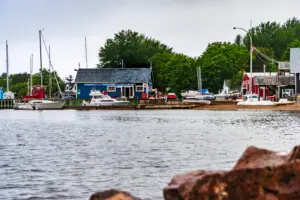
You will disembark onto a small public dock in Tangier Village. The immediate area is quiet and unpretentious: a few weathered fish houses, a small visitor shelter, and modest residential streets. There is no formal port terminal or commercial hub. The dockside is peaceful; expect a handful of local residents and other cruisers. Head left or straight into the village to find main streets and cafés within 2–3 minutes.
Local Food & Drink
Dining options are sparse and unpretentious. Expect one or two small delis, a café, and possibly a casual waterfront spot. Menu staples are crab sandwiches, seafood, and hearty American fare. Hours may be limited or seasonal; check on arrival. Prices are modest ($8–15 for lunch). There are no upscale restaurants, chain outlets, or extensive menus. Bring cash or confirm card acceptance beforehand, as some small eateries may not take cards. If you plan a long day, bring snacks or eat aboard the ship before tendering.
Shopping
Tangier has no shops in the traditional sense. A small general store or gift booth may sell local crafts, postcards, or snacks, but do not expect retail therapy. No galleries, boutiques, or souvenir shops. If shopping is a priority, skip this port or plan purchases for another stop.
Money & Currency
- Currency
- USD
- USD Accepted?
- Yes
- Card Payments
- Limited; some small eateries may be cash-only. Confirm when ordering.
- ATMs
- None on the island. Withdraw cash at your last US port.
- Tipping
- 15–18% in cash at cafés; tip jar acceptance common.
- Notes
- Bring adequate cash. Island services are minimal and card infrastructure is unreliable.
Weather & Best Time
- Best months
- May–September (calm water, pleasant temperature, reliable tender service)
- Avoid
- November–March (cold, rough water, reduced services, wind)
- Temperature
- May–September: 65–80°F; October–April: 35–50°F
- Notes
- Tangier is typically visited May–October. Winter visits are rare due to choppy Chesapeake water and unreliable tender operations. Spring and fall offer best balance of mild weather and calm seas.
Airport Information
- Airport
- Norfolk International Airport (ORF)
- Distance
- ~35 miles (1 hour drive)
- Getting there
- Rental car, taxi, or shuttle to nearest port. Not practical for same-day cruise embarkation from Tangier. Typically, Windstar cruises depart from Baltimore or Norfolk; join there.
- Notes
- Tangier is not a cruise departure port. Windstar itineraries typically originate in Baltimore or Norfolk. Plan pre- or post-cruise logistics accordingly.
Getting Around from the Port
Tender
Ship anchors offshore. Windstar operates tender boats to the public dock in Tangier Village. Boarding and return queues typical; budget 30–45 minutes total.
Walking
The entire island village and main sights are walkable. No taxis or rental cars needed.
Local boat tours (if available)
Small charter boats may offer short harbor or circumnavigation tours; check locally on arrival.
Book ferry ticketsDetails last checked April 2026
Check The Port Traffic
Cruise Ships in Port
Once you have your shore plan, use the schedule to see how busy the harbour will be on your date, plus the ships, lines, and published call windows.
Sun
Mon
Tue
Wed
Thu
Fri
Sat
1
2
3
4
5
6
7
8
9
10
11
12
13
14
15
16
17
18
19
20
21
22
23
24
25
26
27
28
29
30
31
Quiet (1–2)
Busy (3–4)
Packed (5+)
0 scheduled calls
August 27, 2026
No scheduled cruise ship calls were found for this date selection. Pick a highlighted day on the calendar above, widen the range, or search for a different ship or line.
Planning a cruise here?
Windstar Cruises sail to Tangier Island.
Practical Tips for Cruise Passengers
- Tender boarding is first-come, first-served. Arrive at the muster station 15–20 minutes early to secure a spot on the first boat and maximize shore time.
- Bring cash (at least $40–50 per person) and leave your credit cards aboard. ATMs do not exist on the island.
- Wear comfortable walking shoes. Streets are not paved; sandy or muddy paths are common.
- Confirm the final tender departure time with crew before going ashore, and set a phone reminder 15 minutes before. Missing the tender means a costly rescue or overnight stay.
Frequently Asked Questions
No developed beach. The shoreline is muddy and marshy. Tangier is not a beach destination.
2–3 hours maximum, accounting for tender time. Most strolling, lunch, and light exploration fit into this window. More than 4 hours risks missing the final tender.
Windstar typically offers limited or no formal excursions here. Exploration is self-guided. Ask at the purser's desk on embarkation day for any last-minute options.
Find cruises to Tangier Island, Virginia
Compare sailings and book with no fees — best price guaranteed.
We may earn a commission when you book through our links, at no extra cost to you — it’s how we keep these guides free.
✉ Sailing to Tangier Island? Get your port-day plan
Tell us your sail date and we’ll email you a short Tangier Island plan about 60 days out — when the good excursions start selling out — plus a final checklist 2 weeks before. Two emails, then done. We’ll send one note to confirm it’s really you — unsubscribe anytime.
Canada & New England
View All
More Canada & New England Ports

Canada & New England

Canada & New England
Nova Scotia, Canada
Baddeck Cruise Port Guide: Things to Do, Walkability & Local Tips
Canada & New England
