
Caribbean
Caribbean
Puerto Cortes Cruise Port Guide: Things to Do & Practical Tips
Honduras
Ships dock directly at the cruise terminal with modern facilities and security checkpoints.
Choose the Right Port Day
Best Overall
Book a Roatán day trip through the cruise line or Viator. The port town itself has little appeal; the real draw is the Bay Islands nearby.
Best Beach
No good beaches within easy reach of the port. If beach is your goal, book a Roatán island tour ($80–120 USD), but allow 5+ hours round-trip.
With Kids
Organized shore excursion to a beach resort or water activity on Roatán; independent exploration of Puerto Cortes itself is not family-friendly.
Only 3-4 Hours
Stay near the port. Grab lunch at a local comedor (cheap local restaurant), walk the waterfront briefly, then return to the ship. Do not rely on taxis for a tight schedule.
Cheapest Option
Walk the port area, eat at a local market or comedor ($5–10 USD), skip paid attractions. Total cost under $20 USD.
What To Avoid
Do not wander far from the port unaccompanied, especially after dark. Street crime is a real concern. Avoid unofficial 'guides' offering deals outside the terminal.
Quick Take
- Port Type
- Industrial Caribbean gateway
- Best For
- Cruisers willing to venture beyond the terminal; those heading to Roatán or the Bay Islands via side trips.
- Avoid If
- You want beaches, resorts, or polished tourist infrastructure. Puerto Cortes itself is functional, not scenic.
- Walkability
- Limited. Town center is walkable but uninviting; most worthwhile activities require transport.
- Budget Fit
- Budget-friendly if you stay local; organized excursions run $60–150+ USD.
- Good For Short Calls?
- Adequate. Three to four hours is realistic for a brief town walk or a quick meal.
Top Things To Do
1
Roatán Island Day Trip
Ferry across to Roatán (45 min–1 hr) to explore white-sand beaches, snorkel, visit the Carambola Botanical Gardens, or relax at a beach resort. This is the single most popular and worthwhile option for cruisers.
2
Local Market & Waterfront Walk
Explore Puerto Cortes' modest colonial grid. Visit the local market (Mercado Municipal) for fresh fruit, local goods, and people-watching. Walk the waterfront briefly. Eat at a local comedor (cheap, basic local eatery).
3
Organized Shore Excursion (non-Roatán)
The cruise line typically offers jungle tours, ATV adventures, or cultural experiences in mainland Honduras. Quality and value vary; check your cruise documents for specifics.
Book with the ship, or on your own?
Booking independently
- Often noticeably cheaper than the ship’s version of the same tour.
- Smaller groups and local operators, with traveler reviews you can read before you pay.
- Free cancellation on most tours, usually up to 24 hours before.
When the ship’s excursion makes sense
- Short port calls or long transfers where the timing is tight.
- Tender-only stops where getting ashore can run late.
- The ship waits for its own delayed excursions — it won’t wait for independent ones, so leave a buffer before all-aboard.
Going independent? Compare tours in Puerto Cortes → — the best-reviewed ones sell out first.
We may earn a commission when you book through our links, at no extra cost to you — it’s how we keep these guides free.
Check The Port Traffic
Cruise Ships in Port
Once you have your shore plan, use the schedule to see how busy the harbour will be on your date, plus the ships, lines, and published call windows.
Sun
Mon
Tue
Wed
Thu
Fri
Sat
1
2
3
4
5
6
7
8
9
10
11
12
13
14
15
16
17
18
19
20
21
22
23
24
25
26
27
28
29
30
31
Quiet (1–2)
Busy (3–4)
Packed (5+)
0 scheduled calls
October 9, 2026
No scheduled cruise ship calls were found for this date selection. Pick a highlighted day on the calendar above, widen the range, or search for a different ship or line.
Port Overview
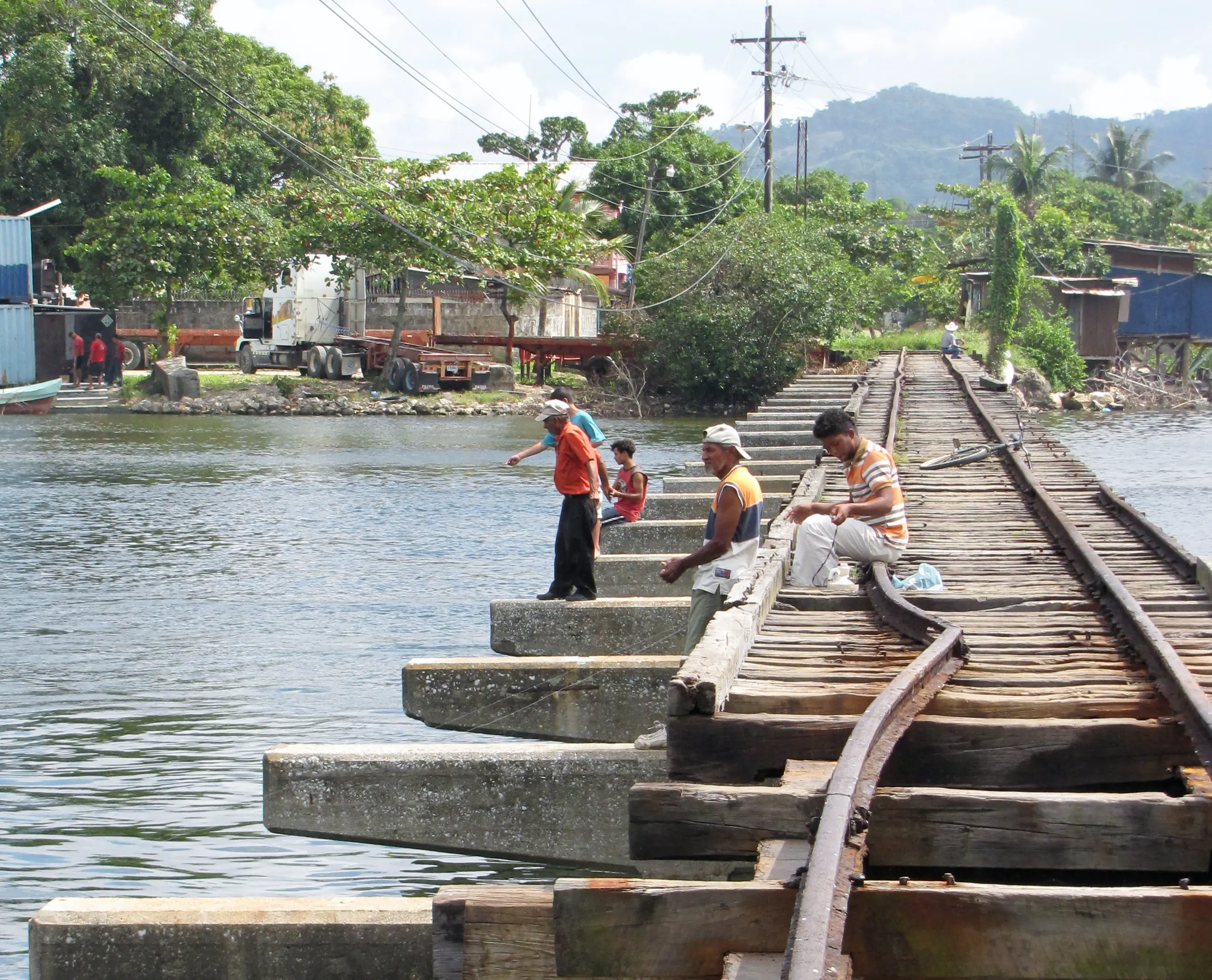
Puerto Cortes is Honduras's largest port and the main cruise hub for the western Caribbean. Ships dock at a modern cruise terminal on the outskirts of town. The port town itself is industrial, working-class, and offers little in the way of tourist polishing—it exists to move cargo and cruise passengers, not to charm them.
The real appeal is as a launch point to Roatán and the Bay Islands, which are 45 minutes to 1.5 hours offshore by ferry or boat. Cruisers who venture into town proper will find a modest, somewhat run-down colonial grid with basic services, local markets, and authentic (but not touristy) Caribbean atmosphere. This is not a beach-resort port; it's a working harbor.
Most cruisers either book an organized excursion (Roatán is the top choice) or stay very close to the terminal. Independent exploration is possible but requires caution and realistic expectations.
Is It Safe?
Puerto Cortes is a working port with a significant crime problem. Robbery, bag snatching, and street violence are real concerns, especially away from the terminal and after dark. Do not flash expensive cameras, jewelry, or large amounts of cash. Avoid walking alone, particularly women traveling solo. Stick to busy, lit areas and return to the ship well before sunset.
The cruise terminal itself is secure. Most tourist infrastructure (restaurants, shops catering to cruise passengers) is within a short, taxi-able distance. Organized excursions through the cruise line or established operators like Viator are significantly safer than independent exploration.
If you venture into town, go with a buddy, keep bags close, and use official taxis. Unofficial 'guides' or deals offered on the street should be politely declined. Your cruise line security briefing is worth taking seriously.
Accessibility & Walkability
The cruise terminal is modern and reasonably accessible for mobility-limited guests. The gangway is covered, and terminal facilities include elevators and accessible restrooms.
Once in town, accessibility drops sharply. Streets are uneven, sidewalks are often broken, and few buildings have ramps or elevators. Taxis are basic and may not have wheelchair lifts. Roatán ferries have stairs and no elevator access. If you require a wheelchair or have limited mobility, book an organized excursion with the cruise line and confirm accessibility in advance, or remain in the terminal area.
Outside the Terminal
Exiting the secure cruise terminal, you immediately encounter a busy, industrial port zone with shipping containers, trucks, and working harbor activity. There is a small souvenir shop area and security gate, then you open onto a street lined with taxis, street vendors, and modest local buildings. The atmosphere is Caribbean working-class, not curated for tourists. Signs are in Spanish; English is not widely spoken outside the terminal and main shopping areas. Humidity is high year-round.
Beaches Near the Port
Roatán beaches (Carambola, Sandy Bay, West Bay)
White sand, turquoise water, excellent snorkeling and diving. Roatán is the genuine beach destination in the region; Puerto Cortes town has no usable beach.
Local Food & Drink
Puerto Cortes offers basic Caribbean and Honduran fare. Fresh seafood (ceviche, grilled fish) is available and affordable at local comedores and waterfront shacks ($5–12 USD per meal). Street vendors sell empanadas, plantain chips, and tropical fruit. The cruise terminal has a basic café.
For a proper meal, taxi to one of the small restaurants in the town center near the market—they serve local soups, rice and beans, and grilled chicken at rock-bottom prices. Hygiene standards are lower than cruise-ship dining; eat where locals eat and trust your stomach instinct.
Water safety: Stick to bottled water and avoid ice from unknown sources. Street food is fine if busy (high turnover). If you're uncomfortable with local food or hygiene, bring snacks aboard or eat at the terminal café.
Shopping
The cruise terminal has a small souvenir shop with predictable Caribbean goods (rum, chocolate, local crafts, t-shirts). Prices are inflated. In town, the Mercado Municipal (local market) sells fresh fruit, vegetables, spices, and simple crafts at local prices—far cheaper, but crowded and not tourist-oriented. Haggling is expected in the market. There are no major malls or brand-name shops within easy reach. If you're buying rum or local chocolate, the market is cheaper than the terminal shop, but the selection is smaller.
Money & Currency
- Currency
- Honduran Lempira (HNL)
- USD Accepted?
- Yes
- Card Payments
- Credit cards accepted at cruise terminal shops and larger restaurants in town; ATMs are available near the market and in town, but the terminal ATM is the safest option.
- ATMs
- ATMs in town and inside/near the cruise terminal; expect queues if many cruisers are in port.
- Tipping
- Tipping is not obligatory but appreciated. 10% is standard in restaurants if service is included; small change for taxis and porters is fine.
- Notes
- USD is widely accepted in tourist areas and the port. Exchange rates favor using USD directly rather than exchanging for Lempira. Carry small bills; street vendors and taxis often claim no change. Inform your bank of travel to avoid card blocks.
Weather & Best Time
- Best months
- December to April (dry, cooler, lower humidity)
- Avoid
- September and October (peak hurricane season; August also wet and rainy)
- Temperature
- 75–85°F (24–29°C) year-round; humidity high year-round
- Notes
- Most cruise itineraries run during the dry season (winter). Pack light clothing, sunscreen, and rain gear even in 'dry' months. Afternoon showers are common. Water temperature is warm year-round (78–82°F).
Airport Information
- Airport
- Juan Manuel Gálvez International Airport (Roatán airport, RTB); Toncontín International Airport (Tegucigalpa, TGU, farther away)
- Distance
- Roatán airport ~50 km (ferry + land route); Tegucigalpa ~300+ km
- Getting there
- Ferry from Puerto Cortes to Roatán (45 min–1 hr), then taxi/shuttle to airport. Alternatively, fly from Tegucigalpa (multi-hour drive/shuttle from Puerto Cortes).
- Notes
- Most US-bound cruisers do not fly via Honduras; use the airport only if doing a pre- or post-cruise stay on Roatán. Flights from Honduras to the US are limited; book early and confirm ferry schedules.
Getting Around from the Port
Cruise line shuttle
Many lines offer free or low-cost shuttles to town center or ferry terminals for Roatán connections.
Book a transfer 5% off with code TPO5 at checkoutTaxi
Taxis queue at the terminal. Negotiate fare upfront (no meters). Rides into town or to ferry docks are short.
Book a transfer 5% off with code TPO5 at checkoutWalking
The terminal area is isolated. Town center is roughly 1 km away on foot, but the walk passes industrial zones and is not scenic or particularly safe.
Roatán ferry (independent)
Ferries depart from the main dock area (walkable from terminal via taxi). Journey ~45 min to 1 hour. Several operators; prices and schedules vary daily.
Book ferry ticketsDetails last checked April 2026
Planning a cruise here?
Royal Caribbean, Carnival Cruise Line, Disney Cruise Line & more sail to Puerto Cortes.
Practical Tips for Cruise Passengers
- Book a Roatán excursion in advance through your cruise line or Viator; ferries can fill up on busy cruise days, and independent ferry schedules are unpredictable.
- Bring USD cash in small bills; ATMs work but may run out or have queues when multiple ships are in port.
- Do not plan a solo exploration of Puerto Cortes town after 4 PM. Stick to the terminal area or organized excursions if you're uncomfortable with street conditions.
- The ferry to Roatán can be rough; take motion-sickness medication if prone to seasickness, and bring a light jacket for the spray.
Frequently Asked Questions
Not really. The port town itself is functional but uninviting. A Roatán day trip or 3–4 hours exploring town and lunch is realistic. Most cruisers either book an excursion or stay in the terminal area.
Yes. Ferries depart several times daily (45 min–1 hr journey); taxis from the terminal to the ferry dock are $10–15 USD. Book a Roatán excursion through the cruise line or Viator to avoid schedule and logistics hassles.
Not ideal. Go with a buddy, use official taxis, avoid valuable jewelry and cameras on display, and stay in lit, busy areas. Organized excursions are safer. Avoid wandering after dark.
Find cruises to Puerto Cortes, Honduras
Compare sailings and book with no fees — best price guaranteed.
We may earn a commission when you book through our links, at no extra cost to you — it’s how we keep these guides free.
✉ Sailing to Puerto Cortes? Get your port-day plan
Tell us your sail date and we’ll email you a short Puerto Cortes plan about 60 days out — when the good excursions start selling out — plus a final checklist 2 weeks before. Two emails, then done. We’ll send one note to confirm it’s really you — unsubscribe anytime.
Caribbean
View All
More Caribbean Ports

Caribbean

The Grenadines
Ashton Cruise Port Guide: Things to Do & Getting Around
Caribbean
Caribbean
