
European River Cruises
European River Cruises
Sortavala Cruise Port Guide: Things to Do & Getting Around
Russia
River ships moor alongside at the riverside landing; passengers walk ashore by gangway.
Choose the Right Port Day
Best Overall
Take a half-day walk from the port through downtown Sortavala to the Orthodox Church, explore the promenade, and stop for lunch at a local café. Realistic, low-cost, captures the port's character.
Best Beach
Not a beach port. Ladoga Lake shoreline exists but beaches are minimal and cold; not a draw.
With Kids
Walk to the waterfront, explore the town centre, visit the small museum, and let them run around Tsarskoe Selo Park if time allows. Very low-key; not kid-activity-heavy.
Only 3-4 Hours
Walk the lakeside promenade, visit the Sortavala Museum or Orthodox Church, have coffee at a local café, and take photos from the harbour area. Skip organized tours unless they're bundled with your cruise.
Cheapest Option
Self-guided walk through downtown (free), coffee at a local café ($2–4 USD), museum entry if interested ($3–5 USD). Total under $10 USD. No transport needed.
What To Avoid
Don't expect urban shopping or cultural intensity; don't book a taxi for long excursions unless genuinely interested in Lake Ladoga or remote Karelia villages—many cruisers find the payoff modest.
Quick Take
- Port Type
- Small river port and turnaround hub
- Best For
- River cruise passengers; nature lovers; those exploring Karelia; embarkation/disembarkation stays
- Avoid If
- You want beaches, nightlife, shopping, or a full day of independent urban exploration
- Walkability
- Downtown core is walkable (15–20 min on foot); lakeside promenade is easy access; beyond that, taxi or organized excursion needed
- Budget Fit
- Budget-friendly; most attractions free or very cheap; food and transport inexpensive
- Good For Short Calls?
- Good. Downtown stroll + café + viewpoint takes 3–4 hours comfortably
Top Things To Do
1
Sortavala Waterfront & Promenade Walk
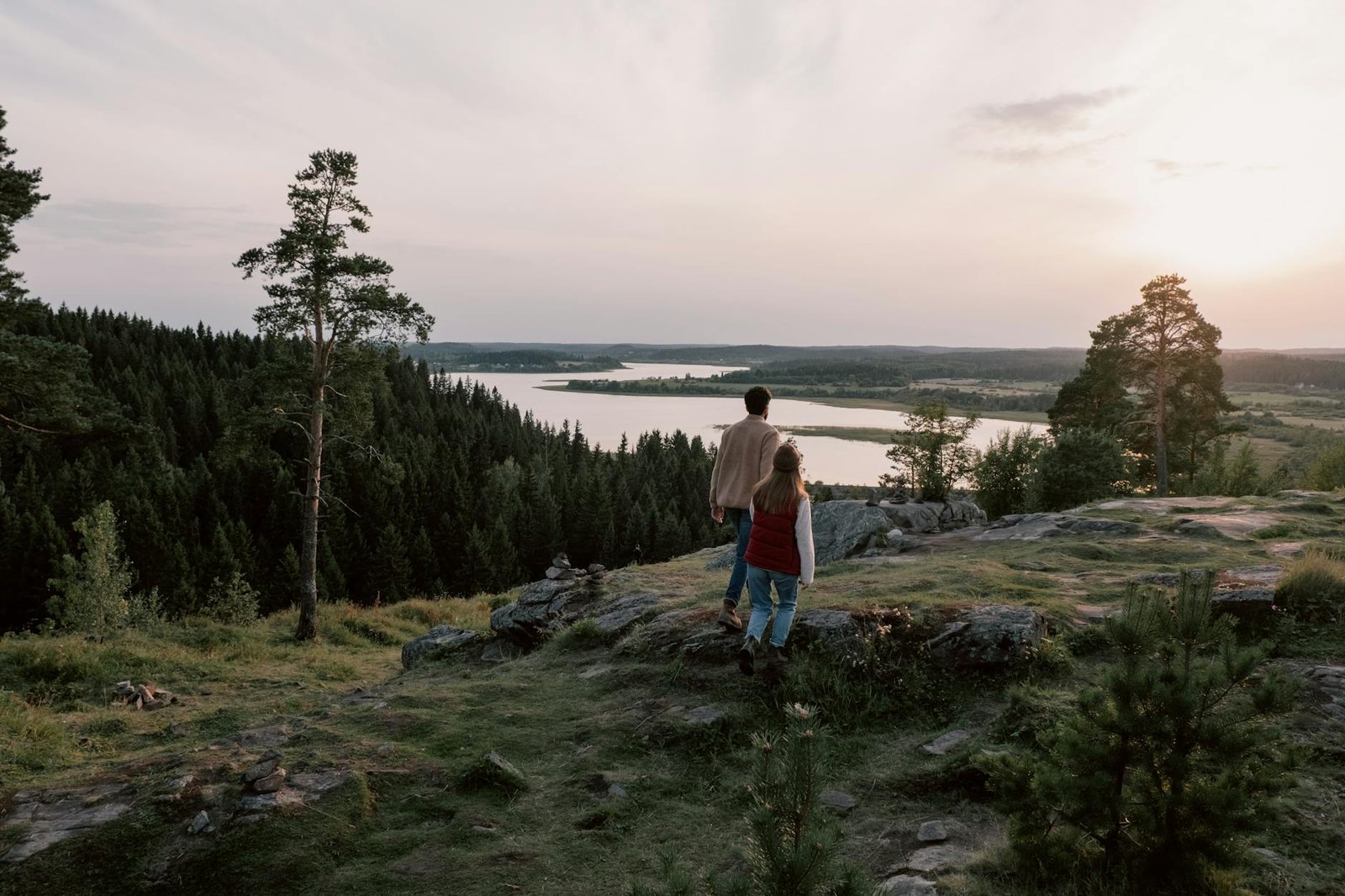
Stroll the lakeside promenade, enjoy views of Lake Ladoga, photograph the Orthodox Church spire, and relax at a waterfront café. This is the heart of a Sortavala visit.
2
Sortavala Museum (Regional History)
Small but worthwhile museum covering local Karelia history, Russian settlement, and Soviet-era life. Labels in Russian; some English info. Spend 30–45 min here.
3
Orthodox Church of Nikolai (Nikolaevsky Church)
Notable red-brick church with an ornate spire, visible from the harbour. Interior is beautiful but visits are limited; check opening hours with crew. Photography from outside is easy and free.
Book with the ship, or on your own?
Booking independently
- Often noticeably cheaper than the ship’s version of the same tour.
- Smaller groups and local operators, with traveler reviews you can read before you pay.
- Free cancellation on most tours, usually up to 24 hours before.
When the ship’s excursion makes sense
- Short port calls or long transfers where the timing is tight.
- Tender-only stops where getting ashore can run late.
- The ship waits for its own delayed excursions — it won’t wait for independent ones, so leave a buffer before all-aboard.
We may earn a commission when you book through our links, at no extra cost to you — it’s how we keep these guides free.
Check The Port Traffic
Cruise Ships in Port
Once you have your shore plan, use the schedule to see how busy the harbour will be on your date, plus the ships, lines, and published call windows.
Sun
Mon
Tue
Wed
Thu
Fri
Sat
1
2
3
4
5
6
7
8
9
10
11
12
13
14
15
16
17
18
19
20
21
22
23
24
25
26
27
28
29
30
31
Quiet (1–2)
Busy (3–4)
Packed (5+)
0 scheduled calls
October 13, 2026
No scheduled cruise ship calls were found for this date selection. Pick a highlighted day on the calendar above, widen the range, or search for a different ship or line.
Port Overview
Sortavala is a small city in Russian Karelia, 260 km northeast of Saint Petersburg on Lake Ladoga's northern shore. Ships anchor in the harbour; tender boats or a short walk bring you to the town centre (5–10 min). The port is primarily a turnaround and embarkation point for river cruises, not a major shore-excursion destination. The town has a low-key, slightly Soviet feel with a few cultural landmarks (Orthodox Church, small museum) and easy access to the waterfront. Most cruisers spend 3–5 hours ashore, often as part of a pre-cruise or post-cruise stay. The pace is slow; the atmosphere is quiet and northern European.
Is It Safe?
Sortavala is generally safe for tourists. Petty theft is rare; violent crime is not a concern for cruise passengers. The town is quiet and polite. Keep valuables out of sight, as in any small city. Police presence is visible but low-key. Be aware that Russia's geopolitical situation may affect port calls; confirm your cruise itinerary well in advance. English is not widely spoken outside the port terminal area; carry a translation app or phrasebook.
Accessibility & Walkability
The downtown core is reasonably flat and walkable for those with mild mobility limitations. Cobblestone streets are present in older areas; wheelchair users should stick to main thoroughfares. The port terminal typically has basic facilities; ask crew about accessible tender access if needed. Beyond downtown, excursions may involve gravel paths or uneven terrain—check with shore excursion staff. Accessible restrooms are limited; use the ship before disembarking.
Outside the Terminal
You emerge into a small, tidy harbour area with a few buildings, cafés, and a view of Lake Ladoga. The waterfront is calm and scenic. Within a 5-minute walk, you'll reach the town's main street (Prospekt Lenina), lined with low-rise Soviet-era buildings, small shops, and cafés. The Orthodox Church is visible from the harbour. The atmosphere is quiet, orderly, and unhurried—very different from cruise ports in the Mediterranean or Caribbean. There's no aggressive tourism infrastructure; locals are polite but reserved.
Beaches Near the Port
Lake Ladoga Shoreline (General)
Ladoga is a freshwater lake; the shoreline is scenic but not a beach destination. Water is cold year-round; swimming is possible in summer but uncommon for cruise tourists. Some spots have rocky or sandy patches, but facilities are minimal.
Local Food & Drink
Sortavala's dining is basic but adequate. Russian café culture dominates: borsch, pelmeni (dumplings), and simple grilled fish are staples. Cafés near the waterfront offer views and reasonable prices ($4–8 USD per meal). Supermarkets (Auchan, local stores) stock snacks if you want to provision the ship. Restaurant menus are in Russian; point to items or use a translation app. Alcohol (beer, vodka) is cheap and widely available. Street food is minimal. If you're fussy about dining, eat on the ship; if you're adventurous, a lakeside café lunch is a pleasant experience.
Shopping
Shopping is limited and low-key. The main street (Prospekt Lenina) has small shops selling souvenirs, snacks, and basic goods. Russian souvenirs (nested dolls, lacquer boxes, local crafts) are available at modest prices ($5–20 USD). Supermarkets sell chocolates and traditional Russian sweets. There is no mall or high-street chain presence. Don't expect to spend much time or money here unless you're hunting specific Karelia or Russian crafts. Credit cards are not always accepted; bring cash.
Money & Currency
- Currency
- Russian Ruble (RUB)
- USD Accepted?
- No
- Card Payments
- Cards (Visa, Mastercard) accepted in larger shops and restaurants; many small cafés and market stalls are cash-only. Mobile pay (Apple Pay, Google Pay) rarely works.
- ATMs
- ATMs present near the town centre and in supermarkets; Sberbank ATMs are most common. Withdraw cash before wandering; some areas lack ATMs.
- Tipping
- Tipping is not expected but appreciated (5–10% for good service in restaurants). Rounding up the bill is common.
- Notes
- Bring cash in USD or EUR and exchange at the port or a local ATM. Exchange rates at the port are often poor; a local ATM is better. Notify your bank of travel to Russia to avoid card blocks.
Weather & Best Time
- Best months
- June, July, August (warmest and sunniest; 16–22°C / 61–72°F)
- Avoid
- November to March (dark, cold, icy; -10 to 0°C / 14 to 32°F)
- Temperature
- May–September; 10–20°C (50–68°F); dress in layers
- Notes
- Sortavala has a short, mild summer and a long, dark winter. Most river cruises operate May–September. Bring a windbreaker and waterproof layer even in summer; Lake Ladoga can be breezy. Mosquitoes are present in late summer; bring repellent.
Airport Information
- Airport
- St. Petersburg Pulkovo Airport (LED)
- Distance
- Approximately 260 km (160 mi) southwest
- Getting there
- Fly to Saint Petersburg, then arrange a private car, shuttle, or train to Sortavala (3–4 hours by car; train is longer but cheaper). Many river cruises include transfers.
- Notes
- Sortavala itself has no commercial airport. Pre-cruise and post-cruise hotel stays in Sortavala or Saint Petersburg are common. Cruise lines typically arrange transport from the airport; ask your operator.
Getting Around from the Port
Walking
Downtown core and waterfront are pedestrian-friendly; main streets are flat and easy to navigate.
Taxi or ride-hailing
Available near the port terminal. Useful for excursions to Lake Ladoga viewpoints or villages outside town.
Book a transfer 5% off with code TPO5 at checkoutOrganized shore excursion
Cruise lines often offer guided tours (Ladoga viewpoint, village tours, cultural routes).
Details last checked April 2026
Planning a cruise here?
Uniworld, Viking River Cruises, Scenic Cruises & more sail to Sortavala.
Practical Tips for Cruise Passengers
- If you're embarking or disembarking, arrive a day early to explore Sortavala without rushing; the town is best savoured slowly, not in a 3-hour dash.
- Download Google Translate or an offline map (Russian Cyrillic script is harder to navigate without digital help).
- Carry small bills and coins in Rubles; many cafés and small shops don't break large notes or accept cards.
- If booking a taxi for a longer excursion (Valaam Island, remote villages), negotiate the price and duration upfront, or ask the port to arrange it; lone travellers may face inflated quotes.
Frequently Asked Questions
Yes, most foreign nationals need a Russian visa. Cruise passengers on organized excursions may qualify for visa-free entry under a group tour exemption; confirm with your cruise line. If you disembark independently, a visa is required.
Half a day (3–4 hours) is sufficient to enjoy the town centre, waterfront, and a café. A full day is worth it only if you book an organized excursion to Lake Ladoga or Valaam Island; the town itself is modest.
Valaam Island (a historic monastery complex) is a popular organized excursion from Sortavala, typically 5–6 hours with boat transport. Book through your cruise line or a local operator; independent travel is possible but complex. Check if the excursion is weather-dependent, as Ladoga can be rough.
Find cruises to Sortavala, Russia
Compare sailings and book with no fees — best price guaranteed.
We may earn a commission when you book through our links, at no extra cost to you — it’s how we keep these guides free.
✉ Sailing to Sortavala? Get your port-day plan
Tell us your sail date and we’ll email you a short Sortavala plan about 60 days out — when the good excursions start selling out — plus a final checklist 2 weeks before. Two emails, then done. We’ll send one note to confirm it’s really you — unsubscribe anytime.
European River Cruises
View All
More European River Cruises Ports

European River Cruises

European River Cruises

European River Cruises
