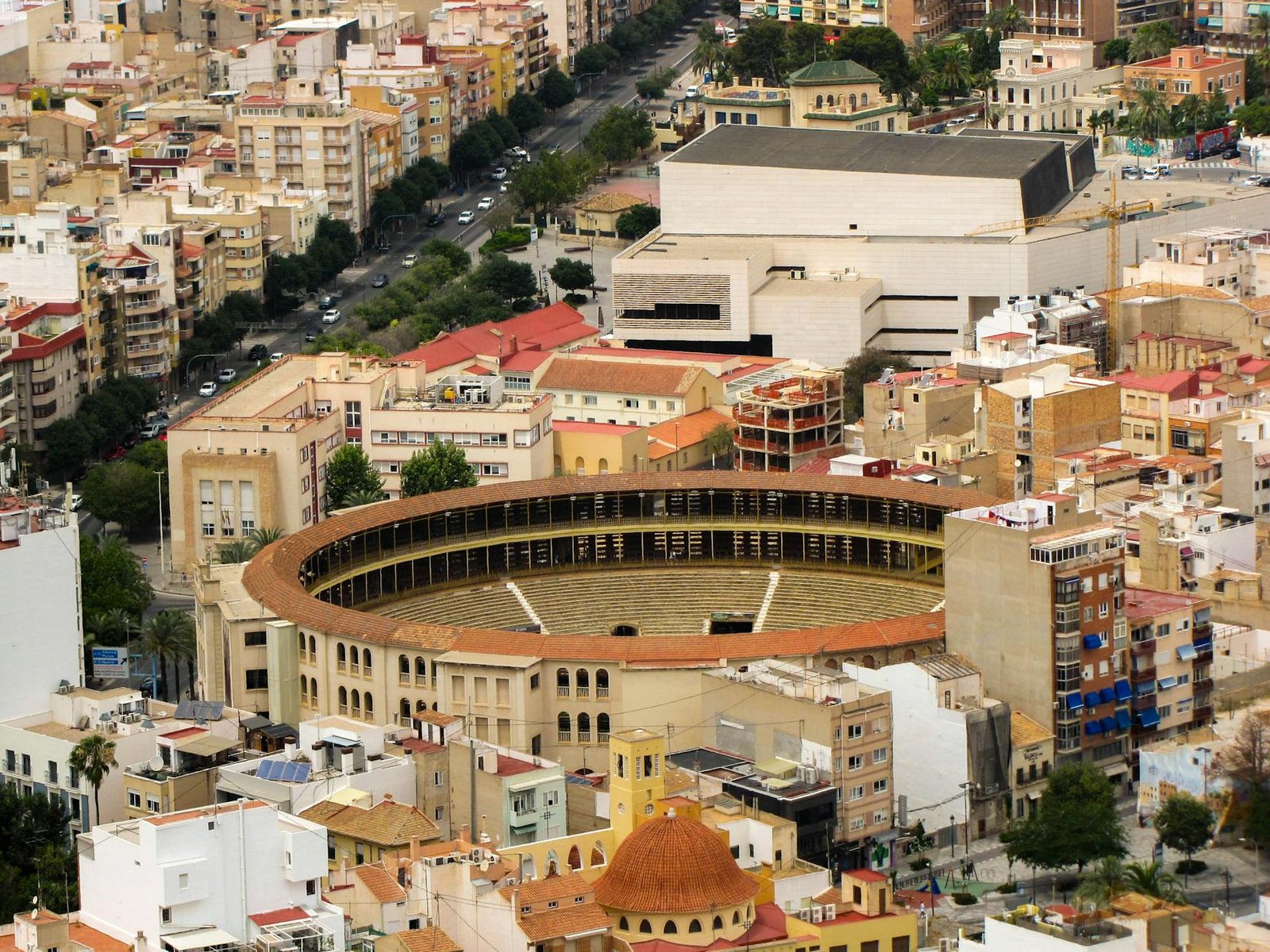
Alicante has a reputation as a beach resort town, and most cruise passengers arrive expecting little more than sunbeds and sangria. What they find instead is one of Spain’s most characterful port cities — a place with Roman roots, volcanic peaks, and a food culture that quietly outclasses its tourist-friendly image. Give it more than a passing glance and Alicante will genuinely surprise you.
Arriving by Ship
Alicante’s cruise terminal sits right in the heart of the city, which immediately sets the tone for a relaxed, stress-free port day. You step off the gangway and within minutes you’re on the Explanada de España, a famous palm-lined promenade paved with six million marble tiles arranged in a hypnotic wave pattern. The city centre is entirely walkable from the terminal, and the iconic Santa Bárbara Castle looms dramatically above you from the moment you arrive — visible from the ship long before you dock. There are no lengthy transfers, no shuttle buses, and no lost time. Alicante rewards the spontaneous visitor.
Things to Do

The castle is the obvious starting point, and it absolutely earns its status. Castillo de Santa Bárbara sits 166 metres above sea level on a bare volcanic rock, and the views from its battlements — across the blue Mediterranean, the city rooftops, and the coastline stretching toward Benidorm — are genuinely breathtaking. A free lift cuts through the mountain itself if you’d rather not hike. But don’t stop there.
The MARQ (Provincial Archaeological Museum of Alicante) is one of Spain’s most innovative history museums, with clever interactive exhibits spanning prehistoric times to the Moorish period. It’s far more engaging than you’d expect. For something more offbeat, ask about Cova de les Calaveres — one of Spain’s most dramatic cave systems, reached easily from the city. 🎟 Book: Alicante: The highest cave in Spain with transfer included
If you’d rather keep moving than stand still, a tuk tuk tour zips you around the old quarter, the harbour, and the castle district with a local guide connecting the historical dots. 🎟 Book: Tuk Tuk Tour in Alicante Alternatively, a city bike tour covers more ground at a relaxed pace and takes you through neighbourhoods well beyond the tourist trail. 🎟 Book: City Bike Tour in Alicante For those with adrenaline to spare, the coastline looks entirely different from 150 metres in the air during a parasailing session over the bay. 🎟 Book: Parasailing in Alicante
Local Food
This is where Alicante quietly humiliates its own reputation. Yes, you can find generic paella everywhere along the waterfront — but the real culinary story here is more nuanced. Alicante is the spiritual home of arroz a banda, a fisherman’s rice dish cooked in rich seafood broth and finished with alioli, the local garlic emulsion that bears no resemblance to the bottled version you know from home.
Then there’s turrón — the sweet nougat made from Alicante almonds that has been produced in the nearby town of Jijona since the 16th century. You’ll find specialist shops throughout the city, and trying the crunchy, honey-sweet original variety is non-negotiable. The local wine scene is also worth your attention: the Monastrell grape thrives in the arid inland hills surrounding the city, producing bold, sun-drenched reds. A visit to one of the beautiful local wineries gives you the full picture, from vineyard to glass. 🎟 Book: Beautiful Winery in the Alicante
For an evening in port, an expert-led tapas crawl through the city’s traditional bars is the most enjoyable way to eat like a local, with dishes you’d never order by pointing at a menu. 🎟 Book: Alicante Evening Tapas tour
Shopping

Alicante’s main shopping street, Avenida de la Constitución and the surrounding pedestrian zones, offer a mix of international brands and independent boutiques. But the most memorable purchases come from smaller, specific shops. Look for locally produced turrón and marzipan from specialist confectioners, handmade espadrilles from traditional cobblers in the old quarter, and ceramics painted in the bold Valencian style. The Mercado Central, housed in a stunning early 20th-century building, is ideal for picking up saffron, dried paprika, and local preserved goods — things that actually taste like Spain when you get them home.
Practical Tips
The city centre is compact and almost entirely flat, making it easy to navigate on foot. Comfortable shoes matter most when you’re climbing up to the castle. Most shops close between 2pm and 5pm for the afternoon lull, so plan accordingly. Euros are the currency, and card payments are widely accepted. Spanish is the primary language, though English is spoken readily in the port area. If you’re in port on a Sunday, the Explanada de España hosts a craft and artisan market that’s worth wandering through.
Alicante doesn’t shout. It doesn’t need to. It simply lays out its castle, its food, its golden light, and its genuinely warm atmosphere — and lets curious visitors discover what beach-resort branding never quite manages to capture.
🎟️ Things to Book in Advance
These highly-rated experiences fill up fast — book before you arrive to avoid missing out.


This page contains affiliate links. If you book through them, we may earn a small commission at no extra cost to you.
📍 Getting to Alicante Spain
Use the interactive map below to explore the port area and plan your route from the terminal.
Leave a Reply