Australia & Pacific
Asia
Torishima Island Cruise Port Guide: Things to Do & Practical Tips
Japan
Ships anchor offshore; tender boats required to reach shore.
Choose the Right Port Day
Best Overall
Join a ship-organized guided walk to see Steller's albatrosses and volcanic scenery. This is the only realistic way to explore; independent roaming is not permitted.
Best Beach
Not a beach destination. Rocky volcanic shoreline only; no swimming. Focus on walking and wildlife viewing instead.
With Kids
Bring kids only if ages 8+, reasonably fit, and comfortable on uneven terrain. Albatross viewing is memorable but trails are steep and weather-dependent.
Only 3-4 Hours
Plan for a guided walk to albatross colonies or volcanic viewpoints. Tender transfer takes ~30 min round trip; allocate 1.5–2 hours on the island with a naturalist guide.
Cheapest Option
Most naturalist-led walks are included with expedition itineraries or cost $0–30 USD per person. Bring your own snacks and water; nothing is sold on the island.
What To Avoid
Do not plan a leisurely beach day or try to explore alone. Torishima is a protected nature reserve; landings are regulated, guided only, and weather-dependent. Tender ops can be rough; rough seas may cancel the visit entirely.
Quick Take
- Port Type
- Remote island expedition destination
- Best For
- Nature and wildlife enthusiasts; passengers interested in seabirds, volcanic geology, and rugged landscapes; travelers comfortable with tender-only access.
- Avoid If
- You need retail shopping, restaurants, or developed tourist infrastructure; mobility is limited; you get seasick easily during tender transfers.
- Walkability
- Island has rough trails; no paved roads or town. Terrain is steep, volcanic, and uneven. Guided walks only.
- Budget Fit
- Low cost ashore—most activities are free or included with guides. No ATM or shops on island.
- Good For Short Calls?
- Yes; typical visits are 3–4 hours including tender time. Manageable for most fitness levels with guide support.
Top Things To Do
1
Guided albatross and seabird viewing
Walk to nesting colonies of Steller's albatrosses (endangered species) and other seabirds. Naturalist guide explains breeding behaviour, migration patterns, and conservation efforts. Binoculars and cameras are essential.
2
Volcanic geology and landscape walk
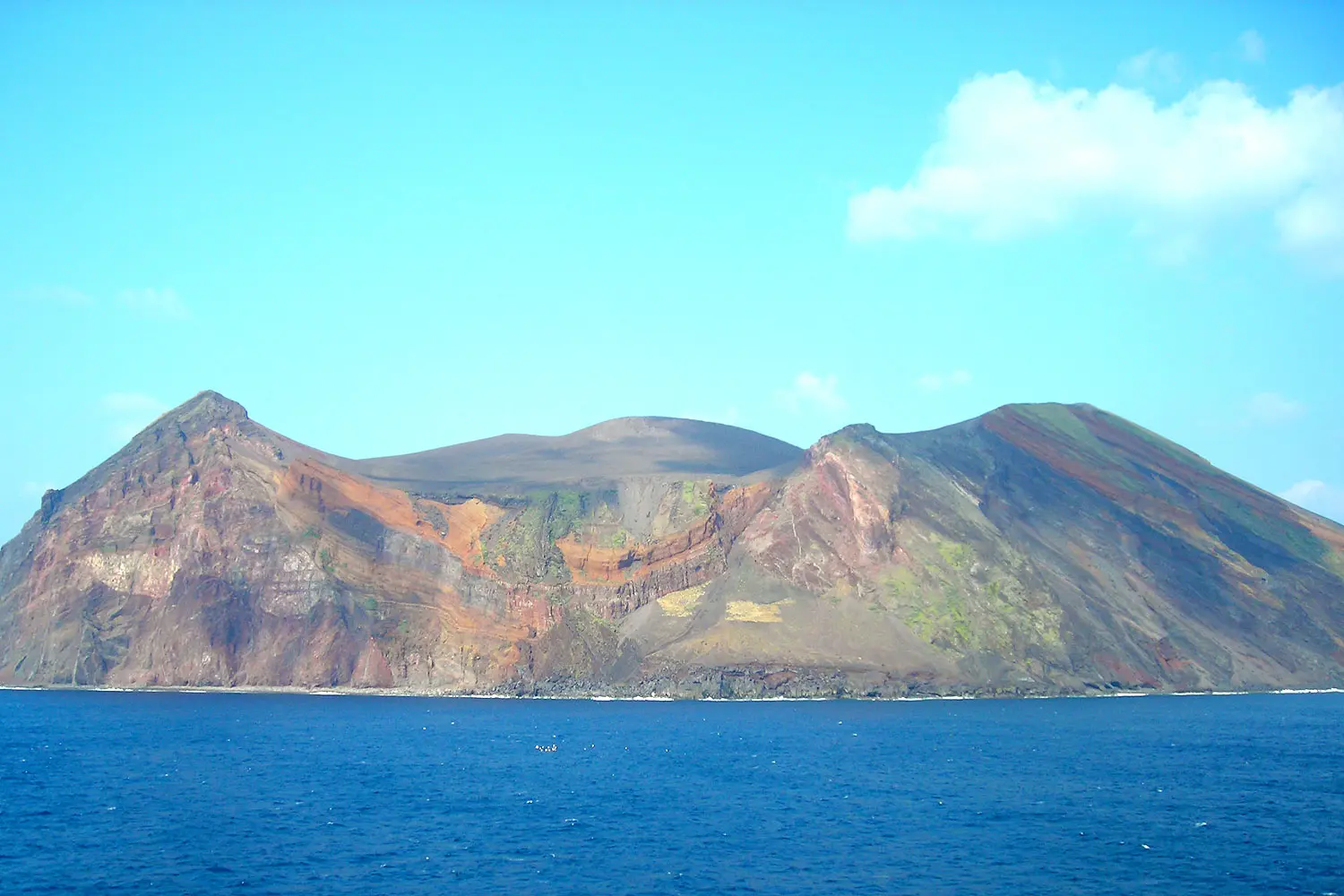
Hike to viewpoints and volcanic features. Guide discusses island geology, recent volcanic activity (last eruption 1902), and ecosystem adaptation to harsh terrain. Vistas of surrounding ocean and Izu Islands.
3
Photography and wildlife documentation
Many passengers spend the full port time documenting albatrosses, volcanic scenery, and island ecology. Guides often pause for photography. Bring a good camera or telephoto lens; light can be dramatic and moody.
Book with the ship, or on your own?
Booking independently
- Often noticeably cheaper than the ship’s version of the same tour.
- Smaller groups and local operators, with traveler reviews you can read before you pay.
- Free cancellation on most tours, usually up to 24 hours before.
When the ship’s excursion makes sense
- Short port calls or long transfers where the timing is tight.
- Tender-only stops where getting ashore can run late.
- The ship waits for its own delayed excursions — it won’t wait for independent ones, so leave a buffer before all-aboard.
We may earn a commission when you book through our links, at no extra cost to you — it’s how we keep these guides free.
Check The Port Traffic
Cruise Ships in Port
Once you have your shore plan, use the schedule to see how busy the harbour will be on your date, plus the ships, lines, and published call windows.
Sun
Mon
Tue
Wed
Thu
Fri
Sat
1
2
3
4
5
6
7
8
9
10
11
12
13
14
15
16
17
18
19
20
21
22
23
24
25
26
27
28
29
30
Quiet (1–2)
Busy (3–4)
Packed (5+)
0 scheduled calls
September 22, 2026
No scheduled cruise ship calls were found for this date selection. Pick a highlighted day on the calendar above, widen the range, or search for a different ship or line.
Port Overview
Torishima Island is a small, remote volcanic island in the Izu Islands, roughly 50 km south of mainland Izu Peninsula. Ships anchor offshore and use tenders to land passengers. This is a wildlife and geology destination, not a cultural or shopping port. The island is a protected nature reserve, home to Steller's albatrosses and other seabirds; landings are strictly regulated and guided only.
Visits typically last 3–4 hours including tender time. Most passengers join naturalist-led walks; independent exploration is not allowed. Weather and sea conditions often dictate whether a landing is possible. This port is best suited to expedition and luxury cruise lines (Hurtigruten, Lindblad, Ponant, Silversea, Seabourn, Regent, Crystal, Scenic) and appeals to nature, wildlife, and photography enthusiasts rather than mainstream cruise tourists.
If you expect shops, restaurants, or a developed town, you will be disappointed. Torishima is a working nature reserve, not a tourism hub. Value here lies in seeing a pristine island ecosystem and rare birds, not in activities, amenities, or comfort.
Is It Safe?
Torishima is a remote, isolated island with no medical facilities, no emergency services, and no permanent settlement. Medical emergencies must be evacuated by ship's medical team or helicopter (rare). Tender access is weather-dependent and can be cancelled suddenly; do not plan a critical onshore appointment or time-sensitive activity.
Terrain is volcanic and unstable in places. Follow guide instructions closely and stay on marked trails. The island is protected; do not stray, pick plants, or disturb nesting birds—violations of Japanese wildlife protection law can result in fines and legal action. Be prepared for sudden weather changes; wind, fog, and rough seas are common.
No crime risk, but the island is isolated. Keep valuables secure in cabin; theft is minimal but not zero. Follow all ship safety briefings and tender procedures.
Accessibility & Walkability
Torishima is not wheelchair accessible. Terrain is rough volcanic rock, steep slopes, and uneven trails with no paved surfaces, handrails, or facilities. Tender boarding itself is a challenge for passengers with reduced mobility; ships may not be able to accommodate wheelchair users safely during tender transfers.
If you have mobility concerns, discuss tender access and trail difficulty with the ship's shore excursion team before booking. Some passengers manage short, slow-paced walks with guide assistance, but most with significant mobility limitations should skip this port or remain aboard.
Outside the Terminal
There is no terminal on Torishima. Ships anchor in deep water; the tender beach is a small rocky cove with minimal infrastructure. Upon landing, you step onto wet rocks and are immediately handed over to a naturalist guide. The first 10 minutes involve orientation, safety briefing, and assembly into walking groups. The island feels wild and untouched—no buildings, roads, shops, or crowds. Weather and wildlife activity dictate the experience; come with realistic expectations and flexibility.
Beaches Near the Port
Torishima landing cove
Not a beach. Rocky volcanic shoreline with small gravel cove used for tender landing. No swimming, sunbathing, or recreational use. Functional landing point only.
Local Food & Drink
There are no restaurants, cafes, or food vendors on Torishima. The island has no permanent settlement or tourism infrastructure. Bring snacks, water, and any food you wish to consume ashore; most passengers eat breakfast aboard ship and return for lunch.
Some expedition ships provide packed lunches or snack boxes for tender days; confirm with your cruise line in advance. Bring extra water—hiking in volcanic terrain is dry and exhausting, and dehydration is a real risk. Seasickness medication should be taken before the tender ride; nausea will limit your ability to enjoy food and views.
Shopping
There is no shopping on Torishima. No shops, no market stalls, no souvenirs. The island is a protected nature reserve with no commercial activity. All supplies, gifts, and necessities must be purchased aboard ship or in ports before or after (e.g., Shimizu, Ito, or Tokyo area ports if on the same itinerary).
Money & Currency
- Currency
- Japanese Yen (JPY)
- USD Accepted?
- No
- Card Payments
- No ATM, no shops, no card use possible on island
- ATMs
- None on island; ATMs available in nearby ports (Ito, Shimizu, Tokyo area)
- Tipping
- Not customary on nature reserves. Guides may accept gratuities but do not expect tips.
- Notes
- Bring no cash; nothing is sold on the island. All costs are paid aboard ship (expedition surcharges, if any).
Weather & Best Time
- Best months
- May–October (calmer seas, clearer skies, albatross breeding season peaks June–July)
- Avoid
- November–April (rough seas, high cancellation risk, poor visibility)
- Temperature
- May–Oct: 15–25°C (59–77°F); winds strong, humidity moderate
- Notes
- Weather and sea conditions are unpredictable. Tender landings are cancelled frequently due to rough swells. Bring waterproof, windproof clothing; layers are essential. Expect fog, mist, and wind.
Airport Information
- Airport
- Haneda Airport (Tokyo) or Shizuoka Airport (nearest regional option)
- Distance
- Haneda ~150 km (2.5–3.5 hrs by car/train); Shizuoka ~100 km (1.5–2 hrs)
- Getting there
- Rental car, express train (Shinkansen) to Ito or Shimizu, then taxi or bus to port. Book pre-cruise transfers through cruise line.
- Notes
- Torishima is not a turnaround port. Cruises typically embark/disembark in Tokyo area (Yokohama, Shinagawa, or ports near Shimizu). Plan flights accordingly.
Getting Around from the Port
Tender (ship's boat)
Only way to reach the island. Ships anchor offshore; passengers transfer by tender (20–30 min each way, weather-dependent). Tender boarding is usually by deck/group; expect to wait on deck before departure.
Book ferry ticketsGuided walk (ship-organized)
Ship arranges naturalist-led walks on designated trails. Guides explain albatross behaviour, geology, and conservation. This is the only permitted way to explore the island.
Details last checked April 2026
Planning a cruise here?
Silversea Cruises sail to Torishima Island.
Practical Tips for Cruise Passengers
- Book or confirm a seasickness remedy before boarding the tender; rough seas are common and motion sickness will ruin the experience.
- Bring binoculars and a good camera with a telephoto lens if you have one; albatrosses and landscapes reward optical reach and detail.
- Wear dedicated hiking boots with good ankle support and grip; volcanic rock is sharp and trails are steep and loose.
- Pack layers and a waterproof shell jacket; weather changes rapidly and mist/fog are frequent even in summer months.
Frequently Asked Questions
Guided walks only. Torishima is a protected nature reserve; independent exploration is not permitted. Ship staff will organize all onshore activities, and you must stay with your assigned group and guide at all times.
Landings are cancelled frequently when seas are rough or visibility is poor. If this happens, you will remain aboard ship. There is no refund or substitute activity; the port is skipped. This is common on Torishima; book flexible plans for any connections after this port.
Children under 8 and passengers with mobility challenges should stay aboard. Trails are steep, rocky, uneven, and exposed; tender boarding is difficult for those with balance or strength limitations. Discuss your specific fitness level with the ship's shore excursion staff before the port.
Find cruises to Torishima Island, Japan
Compare sailings and book with no fees — best price guaranteed.
We may earn a commission when you book through our links, at no extra cost to you — it’s how we keep these guides free.
✉ Sailing to Torishima Island? Get your port-day plan
Tell us your sail date and we’ll email you a short Torishima Island plan about 60 days out — when the good excursions start selling out — plus a final checklist 2 weeks before. Two emails, then done. We’ll send one note to confirm it’s really you — unsubscribe anytime.
Same itinerary network
View All
Ports Often Paired With Torishima Island

Australia & Pacific

Australia & Pacific

Asia