
Australia & Pacific
Australia & Pacific
Campbell Island Cruise Port Guide: Wildlife & Subantarctic Exploration
New Zealand
Ships anchor offshore; passengers tender to shore via small boats.
Choose the Right Port Day
Best Overall
Morning Zodiac landing to see albatrosses and other seabirds; combine with briefing on subantarctic ecology and photography from the ship.
Best Beach
Not a beach destination. Landings are rocky shores or tussock wetlands. Northeaster Beach is the most accessible point but expect wet, muddy conditions.
With Kids
Only older children (10+) can tolerate cold, rough landings and lack of activities. Most expedition cruises restrict under-8s; check with cruise line.
Only 3-4 Hours
Single Zodiac landing on Port Campbell or Northeaster Beach to see albatrosses, cormorants, and endemic plants; stay close to landing site given short window.
Cheapest Option
Cost is included in cruise fare. Bring waterproof layers and sturdy boots from home to avoid onboard retail markups.
What To Avoid
Do not expect easy walking or short excursions—landings are weather-dependent and often cancelled. Pack seasickness remedies; Southern Ocean swell is significant.
Quick Take
- Port Type
- Expedition & Wildlife Port
- Best For
- Wildlife enthusiasts, photographers, subantarctic explorers, naturalists.
- Avoid If
- You dislike cold weather, seasickness-prone in Southern Ocean swells, or need creature comforts and dining variety.
- Walkability
- Not applicable; all visits via Zodiac landings. Terrain is rocky, tussock grass, and muddy—difficult walking even on designated paths.
- Budget Fit
- Included in expedition cruise; no standalone costs unless purchasing onboard gear.
- Good For Short Calls?
- Typical visit is 4–6 hours (weather permitting). Many cruises offer one or two landings depending on conditions.
Top Things To Do
1
Albatross and Seabird Viewing
Campbell Island hosts globally important populations of northern royal albatrosses, southern royal albatrosses, and yellow-eyed penguins. Guided walks on designated paths allow safe observation of nesting colonies and flight. Binoculars and cameras recommended.
2
Subantarctic Plant & Geology Exploration
Expedition naturalists lead short walks explaining endemic plants (rata, tussock grass, dracophyllum), glacial geology, and Southern Ocean ecology. Flora is stunted by wind and cold; landscape appearance reflects extreme isolation.
3
Photography from Ship & Zodiacs
Campbell Island's dramatic coastline, wildlife, and Southern Ocean light are exceptional for photography. Sunrise/sunset Zodiac cruises (if weather permits) offer premium perspectives. Ship deck viewing is also productive.
Book with the ship, or on your own?
Booking independently
- Often noticeably cheaper than the ship’s version of the same tour.
- Smaller groups and local operators, with traveler reviews you can read before you pay.
- Free cancellation on most tours, usually up to 24 hours before.
When the ship’s excursion makes sense
- Short port calls or long transfers where the timing is tight.
- Tender-only stops where getting ashore can run late.
- The ship waits for its own delayed excursions — it won’t wait for independent ones, so leave a buffer before all-aboard.
We may earn a commission when you book through our links, at no extra cost to you — it’s how we keep these guides free.
Check The Port Traffic
Cruise Ships in Port
Once you have your shore plan, use the schedule to see how busy the harbour will be on your date, plus the ships, lines, and published call windows.
Sun
Mon
Tue
Wed
Thu
Fri
Sat
1
2
3
4
5
6
7
8
9
10
11
12
13
14
15
16
17
18
19
20
21
22
23
24
25
26
27
28
29
30
Quiet (1–2)
Busy (3–4)
Packed (5+)
0 scheduled calls
September 18, 2026
No scheduled cruise ship calls were found for this date selection. Pick a highlighted day on the calendar above, widen the range, or search for a different ship or line.
Port Overview
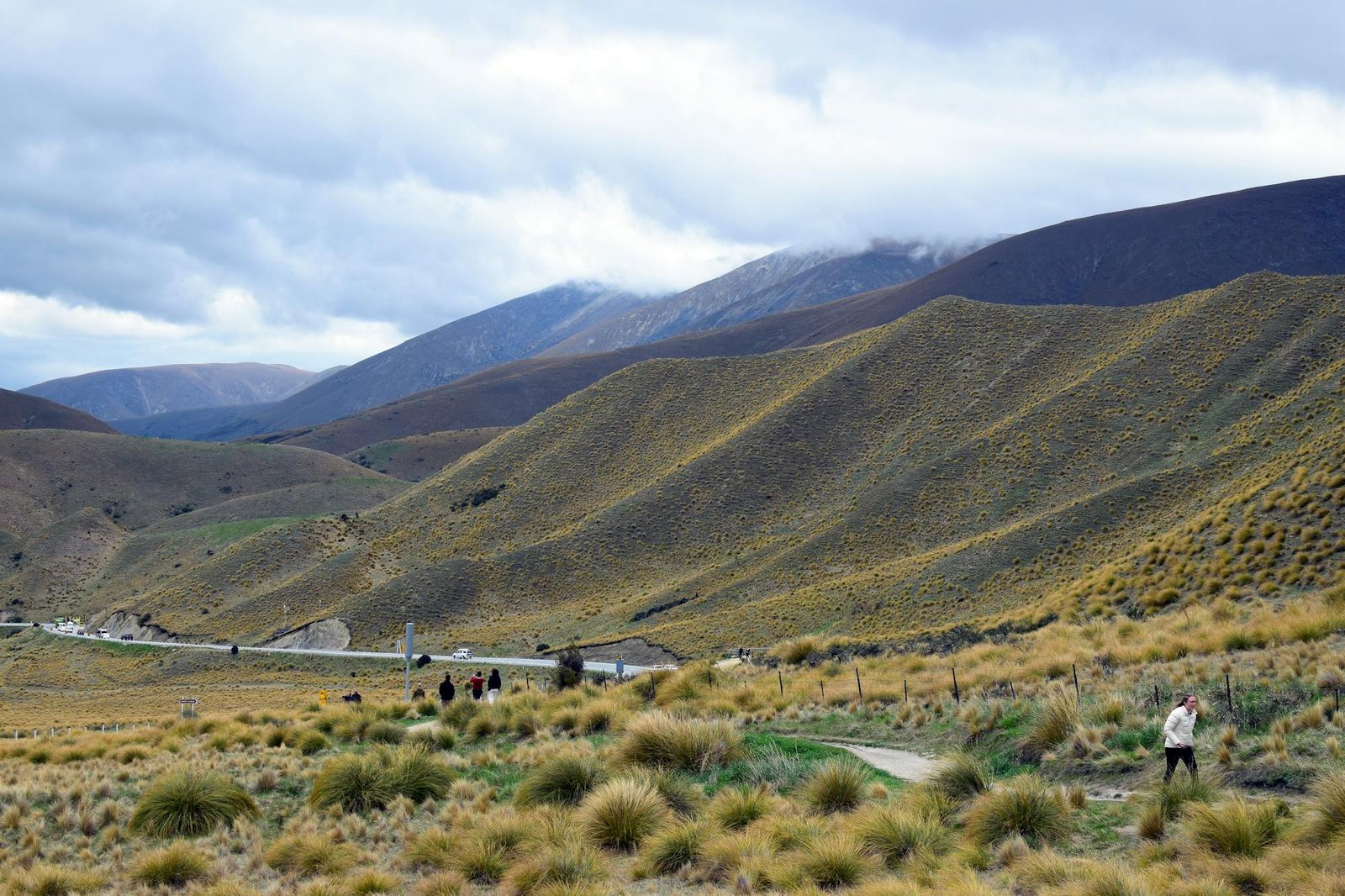
Campbell Island is a remote, uninhabited subantarctic island 600 km south of New Zealand's South Island, accessible only by expedition cruise. Ships anchor offshore; all visits are via Zodiac tenders in small groups. The island is a nature reserve and UNESCO World Heritage site, home to globally significant seabird populations (albatrosses, penguins, cormorants) and endemic plant species. There are no facilities, shops, or infrastructure ashore—this is pure wilderness exploration. Cruises typically stop here for 4–8 hours, weather permitting, with one or two guided Zodiac landings. Visits are heavily dependent on Southern Ocean conditions; rough swells and gales frequently force cancellations or brief visits only.
Is It Safe?
Campbell Island is remote and unforgiving. Southern Ocean swells and weather change rapidly; landings are frequently cancelled or cut short. There are no rescue facilities ashore, no cell service, and no shelter except the ship. Wear full waterproof and thermal layers even in 'mild' conditions (5–10°C). Follow all expedition briefing rules strictly. The island has no medical facilities; serious illness requires helicopter evacuation. Penguin and albatross colonies are fragile—stay on marked paths and never approach nesting birds.
Accessibility & Walkability
Not wheelchair accessible. All landings require climbing in and out of Zodiacs (not feasible for mobility-impaired), navigating rocky or muddy terrain, and tolerating cold immersion risk. Terrain is uneven, often boggy, and steep in places. Thick, waterproof hiking boots essential. Most expedition cruises screen passengers for fitness and cold tolerance.
Outside the Terminal
There is no terminal. The ship anchors in Campbell Cove or nearby bay. The first 10 minutes involve waiting in the lounge for your Zodiac group assignment, suiting up in provided or personal weather gear, and boarding via the ship's gangway. Once in the tender, expect a cold, rough ride to shore with views of albatrosses, white-capped waves, and the dark, tussock-covered island rising from the ocean.
Beaches Near the Port
Northeaster Beach
Most accessible landing point. Rocky shale and tussock grass; not a swimming beach. Wet, cold, and muddy. Primary landing for seabird observation and short naturalist walks.
Local Food & Drink
No food service or supplies ashore. All meals are on the ship. Dining is typically high-quality expedition-cruise standard (multi-course, regional ingredients). Bring snacks in your daypack if desired, but waste must return to ship per environmental regulations. Galley coffee and tea are usually available to deck guests during visits.
Shopping
No shops, souvenirs, or commerce on Campbell Island. Purchase any gifts or necessities in Stewart Island (New Zealand) before embarkation or onboard the ship. Some expedition cruises offer branded gear or naturalist publications in the ship's shop.
Money & Currency
- Currency
- New Zealand Dollar (NZD); US Dollar (USD) rarely accepted
- USD Accepted?
- No
- Card Payments
- Not applicable (no businesses ashore)
- ATMs
- None; withdraw NZD in New Zealand before departure
- Tipping
- Not applicable ashore; tips for crew/guides handled onboard, typically included or discretionary on ship.
- Notes
- All costs covered by cruise fare. Bring sufficient NZD for pre/post-cruise expenses in New Zealand.
Weather & Best Time
- Best months
- November–January (summer; 7–12°C, longer daylight, lower gale risk)
- Avoid
- May–August (winter; frequent severe storms, short daylight, 2–5°C)
- Temperature
- October–February: 5–12°C; strong winds year-round; Southern Ocean swells constant
- Notes
- Subantarctic climate is unpredictable. Even in 'summer,' gales, fog, and rough seas can cancel landings. Bring full waterproof and thermal layers always. Hypothermia risk is real if immersed.
Airport Information
- Airport
- Invercargill Airport (IVC) or Christchurch International (CHC)
- Distance
- IVC 240 km north; CHC 450 km north (via Invercargill); embark/disembark typically in Dunedin, NZ or via Stewart Island water taxi
- Getting there
- Domestic flights to Invercargill, then shuttle/rental car to Dunedin or Stewart Island ferry terminal. Most expeditions arrange transfers.
- Notes
- Campbell Island cruises are expedition itineraries; embarkation is usually Dunedin, Stewart Island, or Invercargill. Confirm embark port with cruise line and arrange transfers in advance.
Getting Around from the Port
Zodiac tender
Only way ashore. Small inflatable boats carry 6–12 passengers per trip. Landings at Port Campbell (sheltered bay) or Northeaster Beach depending on swell and weather.
Details last checked April 2026
Planning a cruise here?
Lindblad Expeditions, Ponant, Quark Expeditions & more sail to Campbell Island.
Practical Tips for Cruise Passengers
- Book a cabin amidships or lower-middle deck to minimize seasickness during Southern Ocean crossings; rough swells are routine.
- Bring prescription seasickness medication and ginger or acupressure bands—over-the-counter options sell out fast on expedition ships.
- Rent or buy sturdy, waterproof hiking boots in New Zealand before embarkation; onboard prices are inflated, and fit matters in cold, muddy landings.
- Pack a micro-fiber towel, hand warmers, and lip balm; wind and spray dehydrate skin and fabric dries slowly in damp cabins.
Frequently Asked Questions
No. Southern Ocean weather is highly unpredictable; landings are frequently cancelled or shortened due to swells or gales. Most itineraries include Campbell Island, but it is not guaranteed. Expedition cruise operators build alternative ports into itineraries to mitigate this risk.
Swimming is not permitted; water temperature is 8–10°C and hypothermia risk is extreme. Kayaking is not offered. Zodiacs are the only access method, and landings are strictly controlled group walks on designated paths.
Only children 10+ with prior cold-weather experience are advised. Rough Zodiac rides, wet landings, and lack of interactive activities make it unappealing for younger kids. Check age/fitness restrictions with your cruise line.
Find cruises to Campbell Island, New Zealand
Compare sailings and book with no fees — best price guaranteed.
We may earn a commission when you book through our links, at no extra cost to you — it’s how we keep these guides free.
✉ Sailing to Campbell Island? Get your port-day plan
Tell us your sail date and we’ll email you a short Campbell Island plan about 60 days out — when the good excursions start selling out — plus a final checklist 2 weeks before. Two emails, then done. We’ll send one note to confirm it’s really you — unsubscribe anytime.
Australia & Pacific
View All
More Australia & Pacific Ports

Australia & Pacific

Australia & Pacific

Australia & Pacific
