
European River Cruises
European River Cruises
Kostolac Cruise Port Guide: Things to Do & Practical Tips for Serbia
Serbia
Ships anchor in the Danube River with tender boats transporting passengers to the riverside terminal.
Choose the Right Port Day
Best Overall
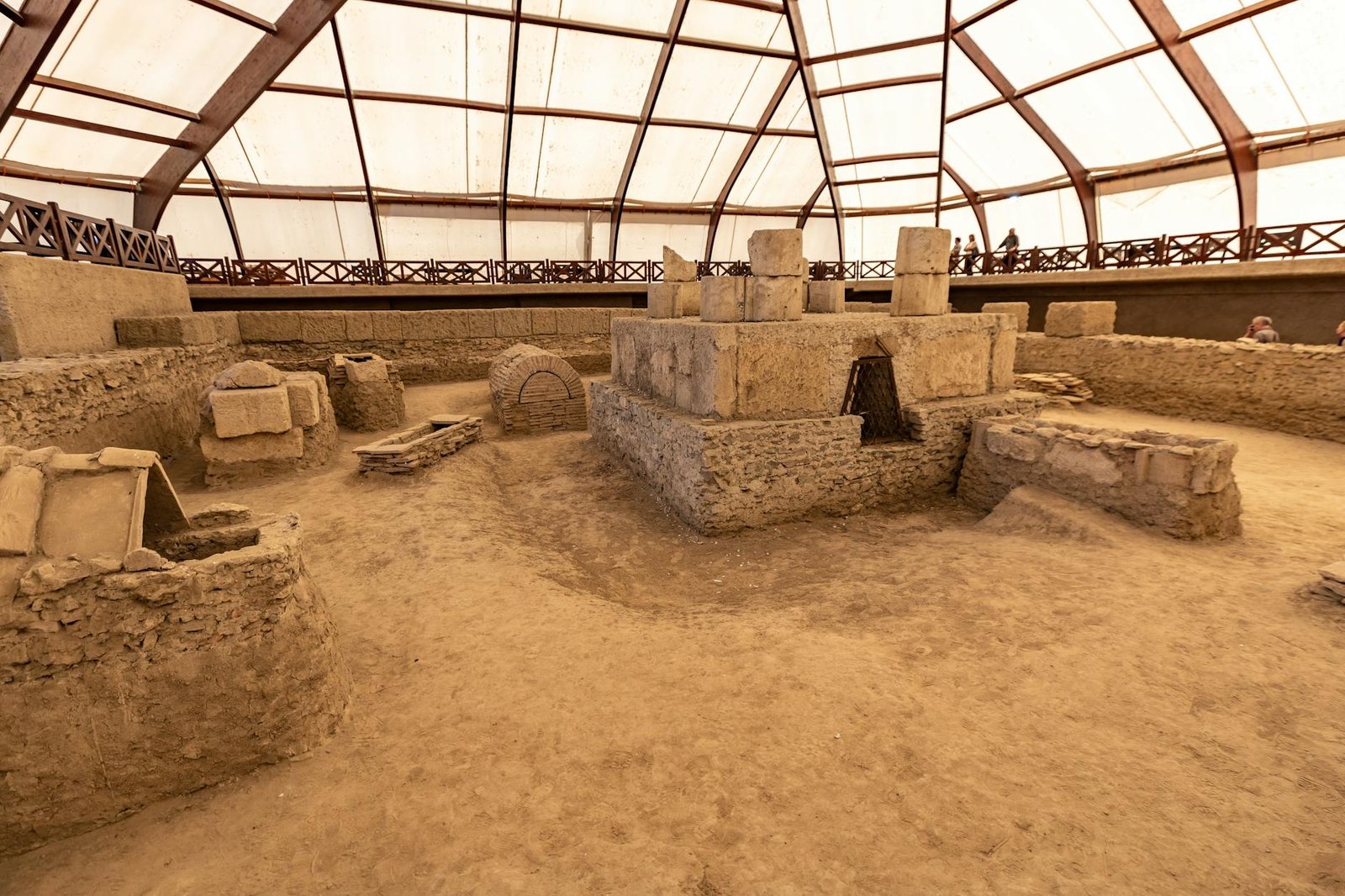
Viminacium Roman Archaeological Park. It is one of the best-preserved Roman legionary fortresses on the Danube and the entire reason ships stop here. Do not skip it.
Best Beach
Not relevant. Kostolac is an inland river port with no beach options.
With Kids
Viminacium works surprisingly well with children — the mammoth exhibit is a genuine crowd-pleaser and the open-air ruins feel more like an adventure than a lecture.
Only 3-4 Hours
Go straight to Viminacium. Walk the excavated streets, see the mammoth skeleton in the museum, and watch an active dig if one is underway. That is the whole day, and it is genuinely worth it.
Cheapest Option
Join the ship-organised transfer to Viminacium if offered, or arrange a shared taxi with fellow passengers. Entry to Viminacium is check locally for current rates, but typically inexpensive. Bring your own snacks to avoid overpriced on-site options.
What To Avoid
Do not spend your time wandering Kostolac town itself — it is a modest industrial settlement with nothing compelling for cruise visitors. Also avoid assuming you can walk to Viminacium; it is not a practical walk from the dock.
Quick Take
- Port Type
- Small River Port / Archaeological Day Stop
- Best For
- History lovers, Roman archaeology enthusiasts, travellers wanting an off-the-beaten-path Danube stop
- Avoid If
- You want shopping, nightlife, a beach, or a lively town centre to wander independently
- Walkability
- Very low. The port area and nearby town offer little on foot. Viminacium requires transport.
- Budget Fit
- Reasonable. Entry fees and local food are inexpensive by Western standards.
- Good For Short Calls?
- Yes. Viminacium is the main event and fills 2-3 hours comfortably. There is little reason to extend further.
Top Things To Do
1
Viminacium Roman Archaeological Park
The centrepiece of any Kostolac port call. Viminacium was one of the most important Roman cities on the Danube frontier, housing a full legionary garrison. Today you can walk excavated streets, see mosaics still in situ, explore reconstructed buildings, and visit an excellent museum featuring a near-complete mammoth skeleton discovered on site. Active excavations often run during summer months, making it feel alive rather than frozen.
2
Viminacium Museum
Located within the archaeological park, the museum deserves its own attention. Beyond the mammoth skeleton — named Vika — there are Roman artefacts, jewellery, weapons, and burial finds displayed in context. The curation is better than you might expect for a regional Serbian site.
3
Kostolac Town Walk
If Viminacium is covered and time remains, a brief walk through Kostolac town gives an unvarnished view of everyday Serbian provincial life. There is a small market, a few cafes, and Orthodox church architecture. It is not a highlight, but it is authentic.
Show 1 more thing to do in Kostolac
4
Danube Riverbank Views
The Danube here is wide and unhurried. If you arrive or depart with time to spare, the riverbank near the dock offers decent views across the water into Romanian territory on the opposite bank. Peaceful rather than dramatic, but a pleasant few minutes.
Book with the ship, or on your own?
Booking independently
- Often noticeably cheaper than the ship’s version of the same tour.
- Smaller groups and local operators, with traveler reviews you can read before you pay.
- Free cancellation on most tours, usually up to 24 hours before.
When the ship’s excursion makes sense
- Short port calls or long transfers where the timing is tight.
- Tender-only stops where getting ashore can run late.
- The ship waits for its own delayed excursions — it won’t wait for independent ones, so leave a buffer before all-aboard.
We may earn a commission when you book through our links, at no extra cost to you — it’s how we keep these guides free.
Check The Port Traffic
Cruise Ships in Port
Once you have your shore plan, use the schedule to see how busy the harbour will be on your date, plus the ships, lines, and published call windows.
Sun
Mon
Tue
Wed
Thu
Fri
Sat
1
2
3
4
5
6
7
8
9
10
11
12
13
14
15
16
17
18
19
20
21
22
23
24
25
26
27
28
29
30
Quiet (1–2)
Busy (3–4)
Packed (5+)
0 scheduled calls
September 6, 2026
No scheduled cruise ship calls were found for this date selection. Pick a highlighted day on the calendar above, widen the range, or search for a different ship or line.
Port Overview
Kostolac sits on the right bank of the Danube in northeastern Serbia, roughly 90 kilometres east of Belgrade. Ships moor at or near the town quay — often using a gangway directly onto a riverbank with minimal infrastructure — so do not expect a polished terminal building or waterfront promenade. The town itself is small and functional, shaped by its coal industry, and holds little interest for visitors beyond a stopping point.
The reason any river cruise line sends passengers ashore here is Viminacium, a UNESCO-listed Roman legionary fortress and city that housed up to 30,000 people at its peak. The site is large, ongoing excavations are active, and the on-site museum holds a genuine showstopper: a near-complete mammoth skeleton unearthed during coal mining operations. It is a legitimately impressive stop that rewards curious travellers.
Kostolac is not a port you build an independent adventure around. It is a single-purpose shore stop. Embrace that, go to Viminacium, and you will leave satisfied. Try to improvise beyond that and you will mostly find frustration.
Is It Safe?
Kostolac is a safe and unremarkable small Serbian town. Petty crime targeting tourists is essentially a non-issue here — the town sees few independent visitors. Use standard common sense, keep valuables secure, and you will have no problems.
The main practical risk is logistical rather than security-related: missing the ship due to transport delays if you have arranged your own return from Viminacium. Always give yourself at least 30 minutes of buffer before all-aboard time.
Accessibility & Walkability
The Viminacium site involves uneven ground, gravel paths, and some grassy terrain between excavation areas. It is not wheelchair-friendly in significant sections. The on-site museum building itself is more accessible, but reaching it still requires navigating the site entrance area. Passengers with limited mobility should check with their cruise line about adapted access options before assuming the excursion is manageable.
Outside the Terminal
There is no terminal in the traditional sense. You step off the gangway onto a riverbank or basic quay. Depending on water levels and mooring arrangements, the first few minutes may involve a short walk along an unpaved path. There are no shops, cafes, or tourist facilities immediately at the dock. A short walk brings you into Kostolac town proper, which is quiet and functional rather than welcoming to tourists.
Local Food & Drink
Options in and around Kostolac are limited. Viminacium has a small on-site restaurant and cafe — quality is adequate, portions are generous, prices are low by Western standards. Serbian grilled meats, bread, and local beer are the safe bets. If you want better food, the town has a handful of basic kafanas (traditional Serbian diners) serving solid home-style cooking at very reasonable prices. Do not expect international cuisine, trendy cafes, or anything approaching the dining scene you might find in Belgrade or Novi Sad.
Shopping
Practically none. Viminacium sells a small range of site-themed souvenirs — replicas, books, branded items — which are decent quality for archaeology buffs. The town has local grocery shops if you need supplies. Do not come to Kostolac expecting a shopping experience.
Money & Currency
- Currency
- Serbian Dinar (RSD)
- USD Accepted?
- No
- Card Payments
- Limited. Viminacium accepts cards, but small town businesses and taxis are predominantly cash-only.
- ATMs
- One or two ATMs in Kostolac town. Do not rely on finding one easily near the dock.
- Tipping
- Rounding up or leaving 10% is appreciated and normal in Serbia.
- Notes
- Draw cash in advance if possible, or withdraw from an ATM in the town centre before heading to Viminacium.
Weather & Best Time
- Best months
- May, June, September, October
- Avoid
- July and August can be very hot and humid; January and February are cold and grey
- Temperature
- 15-30°C (59-86°F) depending on month
- Notes
- River cruise season on this stretch of the Danube typically runs April through October. Spring and early autumn offer the most comfortable conditions for walking the open-air ruins at Viminacium.
Airport Information
- Airport
- Belgrade Nikola Tesla Airport (BEG)
- Distance
- Approximately 100-110 km west of Kostolac
- Getting there
- Private transfer or taxi is the only realistic option. No direct public transport links. Transfer time is roughly 1.5-2 hours depending on traffic.
- Notes
- Kostolac is not a practical embarkation or disembarkation point for air travel. Passengers joining or leaving a cruise here would almost always transit through Belgrade.
Getting Around from the Port
Ship-organised excursion or transfer
Most river cruise lines operating here — Viking, AmaWaterways, Emerald, Scenic, etc. — include or offer a guided transfer to Viminacium. This is the most reliable option given the lack of local taxi infrastructure.
Book a transfer 5% off with code TPO5 at checkoutTaxi or private car
Local taxis exist but are not plentiful at the dock. Pre-arranging through the ship or asking crew for assistance is advisable. Negotiate a return fare before departing.
Book a transfer 5% off with code TPO5 at checkoutWalking
Kostolac town is walkable from the dock in 10-15 minutes, but there is very little to see. Viminacium is not a practical walk — it is several kilometres from the dock via roads with no footpath.
Details last checked April 2026
Planning a cruise here?
Viking River Cruises, Uniworld, AmaWaterways & more sail to Kostolac.
Practical Tips for Cruise Passengers
- If your cruise line offers a Viminacium excursion, book it — independent transport is possible but logistics are genuinely awkward without local knowledge.
- Wear comfortable closed-toe shoes at Viminacium; the site involves a lot of walking on uneven ground and gravel.
- Bring Serbian dinars or euros in small denominations for taxis and any purchases outside the archaeological park.
- Give yourself at least 2.5 hours at Viminacium — the site is larger than it looks on a map and rushing it sells the experience short.
- Viminacium is best visited in the morning when light is good for photography and heat is manageable in summer months.
- Ask your ship's programme director whether an archaeologist or historian guide is included — several lines offer this, and it transforms the visit considerably.
Frequently Asked Questions
Yes, specifically for Viminacium. It is one of the most significant Roman sites on the entire Danube and genuinely undervisited by international tourists. If history interests you at all, go.
You can, but it requires effort. Taxis are not queued at the dock, and you will need to arrange transport to Viminacium. Coordinate with fellow passengers to share a taxi and negotiate a return fare.
Most river cruise itineraries allow a half-day — typically 3-5 hours ashore. That is enough time for Viminacium with a little to spare.
Yes, better than many Roman sites. The mammoth skeleton is a genuine hit with kids, and walking the open ruins feels exploratory rather than static. Younger children will tire after 90 minutes, so plan accordingly.
Go directly to Viminacium, prioritise the museum and the main excavated forum area, and skip the outer reaches of the site. Two hours is tight but workable if transport is immediate.
Find cruises to Kostolac, Serbia
Compare sailings and book with no fees — best price guaranteed.
We may earn a commission when you book through our links, at no extra cost to you — it’s how we keep these guides free.
✉ Sailing to Kostolac? Get your port-day plan
Tell us your sail date and we’ll email you a short Kostolac plan about 60 days out — when the good excursions start selling out — plus a final checklist 2 weeks before. Two emails, then done. We’ll send one note to confirm it’s really you — unsubscribe anytime.
European River Cruises
View All
More European River Cruises Ports

European River Cruises

European River Cruises

European River Cruises
