
Antarctica
Antarctica
Pleneau Island Cruise Port Guide: What to Expect, Logistics & Tips
Antarctica
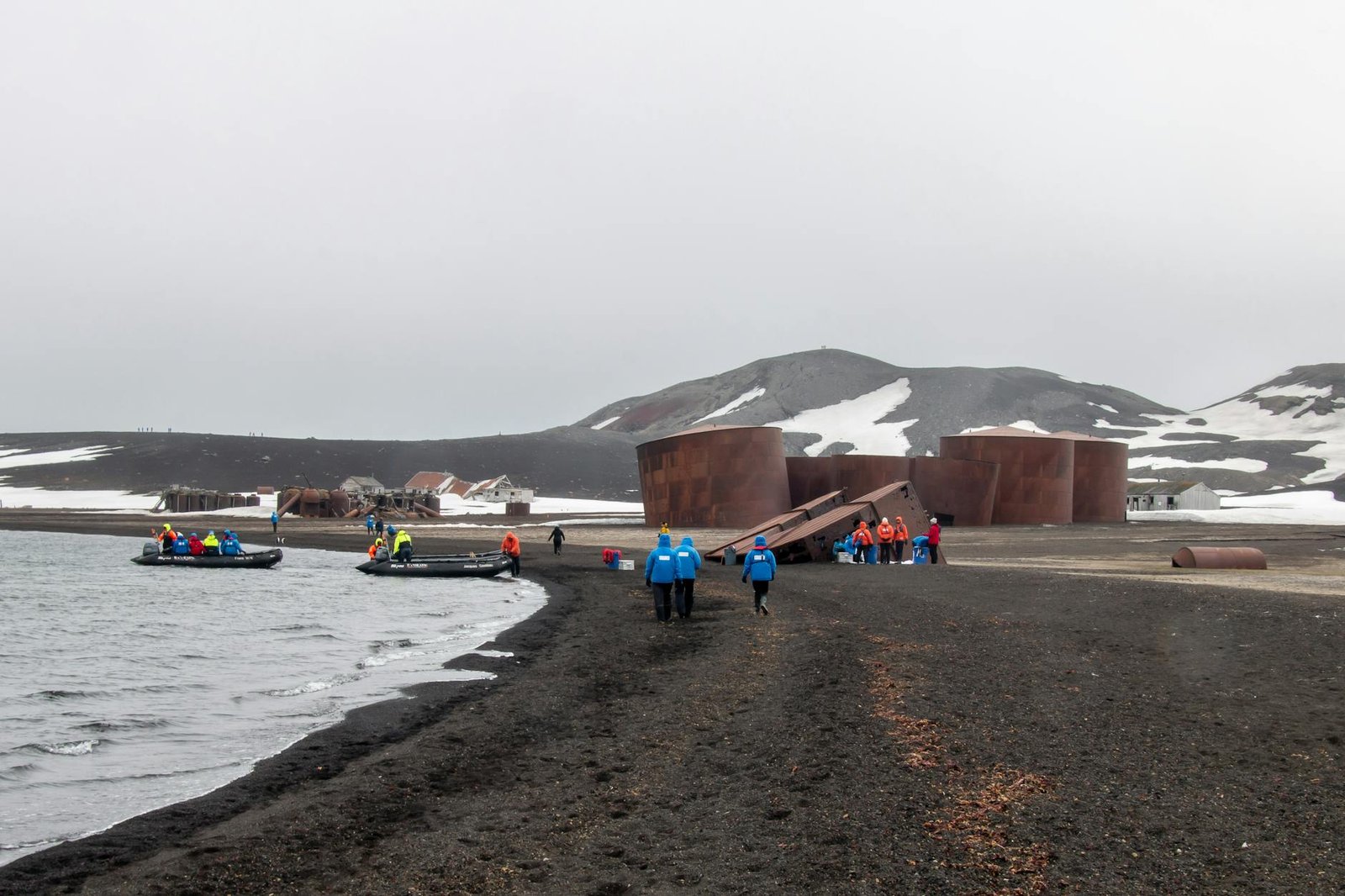
Ships anchor offshore; passengers transferred via zodiac or tender boats.
Choose the Right Port Day
Best Overall
Book an early zodiac landing the moment it's offered. Pleneau's penguin colonies and ice scenery are best in calm light and low foot traffic; later landings are crowded and light is poor.
Best Beach
Not relevant; Antarctic landing sites are rocky, icy, and protected. No recreational beach access.
With Kids
Family-friendly if kids are 8+ and comfortable with cold, seasickness risk, and bundled schedules. Zodiac cruises with biologist narration work better than long walks.
Only 3-4 Hours
Arrive early for first zodiac landing opportunity. Zodiac cruise around Pleneau to spot Adélie penguins, leopard seals, and icebergs; prioritize photography and wildlife observation over hiking.
Cheapest Option
No independent exploration; all activities are ship-organized and cruise-inclusive. Bring your own binoculars and camera to avoid rental costs.
What To Avoid
Expecting to hike freely or explore unsupervised; Antarctic sites are strictly managed and tender access is weather-dependent. Avoid assuming you will land if seas are rough (common).
Quick Take
- Port Type
- Expedition anchor port
- Best For
- Wildlife photographers, Antarctic enthusiasts, naturalists; not a leisure or shopping destination.
- Avoid If
- You need guaranteed ashore time, comfortable climate, or city amenities; tendering is unpredictable.
- Walkability
- Not applicable; terrain is rocky, icy, uneven. Movement is guided zodiac/landing-only.
- Budget Fit
- All-inclusive (shore excursions bundled with cruise); no independent local commerce.
- Good For Short Calls?
- Yes, typical visits are 2–4 hours via tender and guided zodiac cruises.
Top Things To Do
1
Zodiac cruise and wildlife observation
Guided zodiac tour around the island's coves and ice-choked waters to view Adélie penguin colonies, porpoising gentoo penguins, leopard seals, and icebergs. Naturalist provides species and behavior commentary. This is why most cruisers come ashore.
2
Penguin colony shoreline walk
Short guided walk (20–30 minutes) to view Adélie penguin breeding colonies at close range. Mostly flat terrain along the landing beach and lower slopes. Narrated by ship naturalist. Photography from respectful distance (5+ meters).
3
Photography and icescape exploration
Self-guided photography of icebergs, glacial formations, penguin behavior, and Antarctic light. Stay within designated landing area; do not hike beyond guideline ropes. Bring extra batteries (cold drains them fast) and lens protection from spray.
Book with the ship, or on your own?
Booking independently
- Often noticeably cheaper than the ship’s version of the same tour.
- Smaller groups and local operators, with traveler reviews you can read before you pay.
- Free cancellation on most tours, usually up to 24 hours before.
When the ship’s excursion makes sense
- Short port calls or long transfers where the timing is tight.
- Tender-only stops where getting ashore can run late.
- The ship waits for its own delayed excursions — it won’t wait for independent ones, so leave a buffer before all-aboard.
We may earn a commission when you book through our links, at no extra cost to you — it’s how we keep these guides free.
Check The Port Traffic
Cruise Ships in Port
Once you have your shore plan, use the schedule to see how busy the harbour will be on your date, plus the ships, lines, and published call windows.
Sun
Mon
Tue
Wed
Thu
Fri
Sat
1
2
3
4
5
6
7
8
9
10
11
12
13
14
15
16
17
18
19
20
21
22
23
24
25
26
27
28
29
30
Quiet (1–2)
Busy (3–4)
Packed (5+)
0 scheduled calls
September 15, 2026
No scheduled cruise ship calls were found for this date selection. Pick a highlighted day on the calendar above, widen the range, or search for a different ship or line.
Port Overview
Pleneau Island is a small, rocky Antarctic island in the Lemaire Channel, one of the world's most scenic polar waterways. Ships anchor offshore and cannot dock; all visits are via tender to the small landing beach, then guided zodiac cruises. There is no settlement, facility, or independent exploration—Pleneau exists for its Adélie penguin colonies, leopard seal sightings, and dramatic icescape photography. Go ashore if you booked an Antarctic cruise for wildlife and wilderness; do not expect to "do" anything or spend money. Tender access is entirely weather-dependent; rough seas or fog often mean no landing at all.
Is It Safe?
Pleneau Island is one of Antarctica's most stable landing sites, but conditions change hourly. Seas are often rough; expect tender motion and possible cancellation without notice. Zodiac cruises involve small open boats in near-freezing water; assume you will get wet spray. Always wear supplied life jackets and follow crew instructions exactly. The island is home to leopard seals, which are dangerous; never wander solo or approach wildlife. Hypothermia is the real risk—adequate layers, dry gloves, and knowing your personal cold tolerance are non-negotiable. Ship medical facilities are hours away by helicopter.
Accessibility & Walkability
There is no wheelchair access. The landing beach is rocky and icy; mobility aids are not practical. Zodiacs require climbing a ladder from tender, then stepping into a moving small boat—difficult for anyone with balance issues or joint pain. Severely limited mobility means ashore time is unrealistic. Discuss specific limitations with your cruise line before booking.
Outside the Terminal
There is no terminal. Ships anchor in open water 200–500 meters offshore. Tenders depart from the ship's gangway and take 10–20 minutes to reach a small rocky landing beach with minimal infrastructure—a few mooring posts, a guideline rope, and rock cairns marking the landing zone. Once ashore, the landscape is bare Antarctic rock, ice, lichen, and penguin guano. Wind is immediate and intense. A naturalist will be waiting to brief you on penguin colony location and zodiac departure times. It feels raw and genuinely remote—no shops, no buildings, no cushioning.
Local Food & Drink
There is no food available ashore. Bring water and high-calorie snacks (energy bars, chocolate, nuts) in a small pack. The cold burns calories rapidly, and standing in wind for 1–2 hours is dehydrating. Most cruisers eat a large breakfast before going ashore and return to the ship for lunch. Some cruise lines provide a hot drink station before tender departure.
Shopping
There is no shopping. Pleneau Island has no vendors, shops, or souvenir stands. Do not expect to buy anything. All supplies and photos must come from the ship.
Money & Currency
- Currency
- Not applicable
- USD Accepted?
- No
- Card Payments
- Not applicable
- ATMs
- None
- Tipping
- Not applicable
- Notes
- All Antarctic visits are all-inclusive; no local money is needed or accepted. Tips to ship crew and naturalists are handled on the ship.
Weather & Best Time
- Best months
- December–February (Antarctic summer); this is the cruise season.
- Avoid
- No cruises operate March–November.
- Temperature
- -5 to 5 °C (23–41 °F), but wind chill is -15 to -25 °C (-5 to -13 °F).
- Notes
- Lemaire Channel is notoriously foggy and storm-prone. Tender and zodiac access is cancelled 30–40% of the time. Pack base layers, insulated jacket, waterproof shell, wool gloves, and hand warmers. Sunscreen and sunglasses are essential despite cold—Antarctic snow glare is intense.
Airport Information
- Airport
- Not applicable
- Distance
- Not applicable
- Getting there
- Antarctic cruises typically depart from Ushuaia, Argentina (Ministro Pistarini International Airport, 3,000 km / 1,865 miles away) or the Falkland Islands. Most cruisers arrive 1–2 days before departure.
- Notes
- Pleneau Island has no airport. Plan your cruise embarkation logistics well in advance; flights to Ushuaia are often booked months ahead.
Getting Around from the Port
Ship tender
Rigid inflatable boats ferry passengers from ship to small rocky landing site. Usually a 10–20 minute ride depending on sea state.
Zodiac cruise
Small motorized inflatable boats for guided wildlife and ice viewing. Narrated by ship naturalist. Typically 1–2 hours.
Details last checked April 2026
Planning a cruise here?
Hurtigruten, Ponant, Lindblad Expeditions & more sail to Pleneau Island.
Practical Tips for Cruise Passengers
- Tender access is never guaranteed. If seas are rough, tendering may be cancelled without warning. Do not plan dependent meetings or activities with crew for the afternoon if morning tender is called off.
- Bring two pairs of gloves and hand warmers; wet gloves become useless in 30 minutes. Numbness and frostbite risk are real if you stay ashore more than 2 hours without dry hand gear.
- Take seasickness medication 30 minutes before the first tender. The Lemaire Channel has consistent swell, and zodiac motion is pronounced. Prevention is far easier than treating it mid-cruise.
- Arrive at the landing site early if multiple zodiac cruises are offered. First cruises have clearer light and fewer penguins disturbed by repeated motor noise. Afternoon cruises are rushed and often less rewarding for photography.
Frequently Asked Questions
No. Tendering is weather-dependent and can be cancelled at any time. Experienced Antarctic cruisers assume a 60–70% chance of landing somewhere on itinerary; some days no landing happens. Always ask your naturalist the night before for realistic expectations.
Yes. Antarctic conditions are far more severe. Bring insulated, waterproof layers, a ship-approved heavy parka, wool gloves, thick wool socks, insulated boots with good grip, and hand/foot warmers. Sunscreen, sunglasses, and a balaclava are essential. Ask your cruise line for a detailed packing list specific to your itinerary.
No. All landing sites are strictly managed. You must stay within marked zones, follow guide instruction, and never approach wildlife closer than 5 meters. Wandering solo or off-path risks getting lost, injured, or harassing protected species. Respect the rules; the Antarctic environment is fragile and regulated.
Find cruises to Pleneau Island, Antarctica
Compare sailings and book with no fees — best price guaranteed.
We may earn a commission when you book through our links, at no extra cost to you — it’s how we keep these guides free.
✉ Sailing to Pleneau Island? Get your port-day plan
Tell us your sail date and we’ll email you a short Pleneau Island plan about 60 days out — when the good excursions start selling out — plus a final checklist 2 weeks before. Two emails, then done. We’ll send one note to confirm it’s really you — unsubscribe anytime.
Antarctica
View All
More Antarctica Ports

Antarctica

Antarctica

Antarctica
