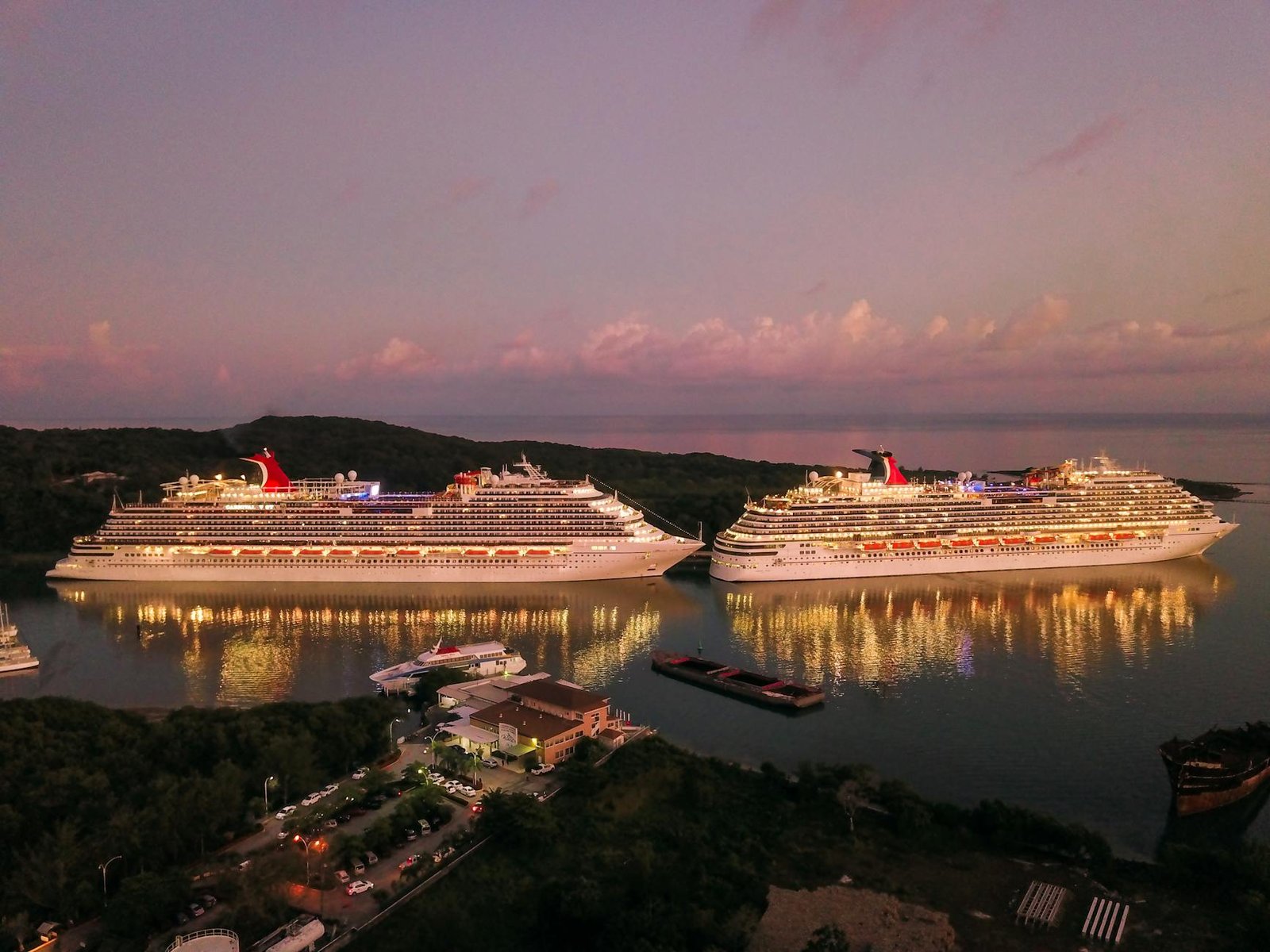
Quick Facts: Port of Mozambique Island (Ilha de Moçambique) | Mozambique | No formal cruise terminal — vessels anchor offshore | Tender arrival | ~10-minute tender ride to the island’s small stone quay | UTC+2
Mozambique Island is a coral-limestone island barely 3km long, yet it contains one of the most intact colonial townscapes in sub-Saharan Africa — a UNESCO World Heritage Site that was the Portuguese Empire’s Indian Ocean headquarters for nearly 200 years. Most cruisers who land here underestimate it wildly. Give it at minimum 6 hours; this island rewards slow walking and curiosity.
—
Port & Terminal Information
There is no purpose-built cruise terminal on Mozambique Island. Ships anchor in the bay and operate tenders to a small stone quay on the island’s northern tip, near Fort São Sebastião. Plan for 20–30 minutes total for the tender process (queuing, boarding, crossing), and factor this into both your departure and return times.
Facilities at the landing quay are extremely basic — no ATMs, no luggage storage, no Wi-Fi, and no official tourist information desk dockside. Bring everything you need before you go ashore: cash, sunscreen, a physical or downloaded offline map. You can find the quay’s approximate location on Google Maps to orient yourself before arriving.
The island is tiny and entirely walkable from the tender dock — Stone Town (Cidade de Pedra) is a 5-minute walk south; Macuti Town (Cidade de Macuti) begins just beyond.
—
Getting to the City

- On Foot — Practically everything on Mozambique Island is reachable on foot. The entire island is 3km tip to tail; Fort São Sebastião to the Chapel of Nossa Senhora de Baluarte is a 15-minute walk. This is genuinely the best and only practical way to explore.
- Tuk-Tuk/Mototaxi — Local tuk-tuks and mototaxis congregate near the quay. A short hop across the island runs roughly 50–100 MZN (less than USD 2). Useful if the midday heat is brutal, but walking is faster for distances under 1km.
- Taxi — Taxis are scarce on the island itself. If you pre-arrange a car from Nampula (the nearest large city, 180km inland), expect to pay USD 80–120 for a day-hire; only relevant if your ship allows extended time.
- Hop-On Hop-Off — Not available. The island is too small.
- Rental Car/Scooter — Not practical on the island; the roads are narrow stone lanes.
- Ship Shore Excursion — Worth it specifically for context: a knowledgeable local guide transforms what looks like crumbling buildings into layered history. Viator has a walking tour of the Island of Mozambique from USD 482 for a private 2-hour guided experience — steep, but the historical depth is exceptional for serious history travellers. 🎟 Book: The best of Island of Mozambique walking tour
—
Top Things to Do in Mozambique Island
The island packs extraordinary density into a tiny footprint — Portuguese forts, Swahili-Arab mosques, a 16th-century chapel, and one of Africa’s oldest hospitals all sit within 15 minutes of each other.
Must-See
1. Fort São Sebastião (USD 3–5 entry estimated; verify locally) — The oldest complete fort in sub-Saharan Africa, built in 1558 and never taken by force. Walk the ramparts for panoramic bay views and look for original Portuguese cannons still in place. Allow 60–90 minutes. A guided tour on Viator gives excellent context on the fort’s military history. 🎟 Book: The best of Island of Mozambique walking tour
2. Chapel of Nossa Senhora de Baluarte (free) — Built in 1522, this is widely considered the oldest European building in the Southern Hemisphere. It’s small, simple, and staggeringly old — the painted ceiling panels are original. 20 minutes is enough, but you’ll want longer.
3. Palace and Chapel of São Paulo (USD 2–4 entry) — The 17th-century former Governor’s Palace, now a museum with original Indo-Portuguese furniture, Chinese porcelain, and Dutch paintings. One of Mozambique’s best-curated museums. Allow 45–60 minutes.
4. Stone Town (Cidade de Pedra) Streets (free) — Just walking these lanes is an attraction: carved wooden doors, coral-block walls, crumbling baroque facades and minarets sharing the same block. Head down Rua da Beira for the best architectural mix. 45 minutes of wandering minimum.
5. Mosque of Sheikh (view from outside; respectful entry may be possible) — An active Sunni mosque reflecting the island’s deep Arab-Swahili trading history, which predates Portuguese arrival. A reminder that Mozambique Island was already a cosmopolitan port city before Europe arrived.
Beaches & Nature
6. Macuti Beach (free) — The beach at the southern end of the island, in the Macuti Town quarter. Sand is grey-white, water is calm. Not a powder-beach paradise, but atmospheric with the rusted Macuti Lighthouse behind you. 30–45 minutes.
7. Snorkelling off the Coral Reefs (USD 15–30 for equipment rental and guide) — The reefs immediately surrounding the island are healthy and accessible. Arrange a local boat guide through your ship or a guesthouse on the island. Check a GetYourGuide tour search for options.
Day Trips
8. Chocas-Mar Beach (transport ~USD 20–30 return by car) — A proper white-sand beach on the mainland 15km away. Only viable with 8+ hours ashore and pre-arranged transport. Beautiful and nearly deserted.
9. Mossuril Village (transport ~USD 15–20 return) — The small fishing village on the mainland directly across the bridge from the island. Local market, dugout canoes, and a completely different pace from the tourist circuit. Half a day pairs well with Chocas-Mar.
Family Picks
10. The 520m Causeway Bridge Walk (free) — The road bridge connecting the island to the mainland is walkable and gives kids a great sense of the island’s geography. Fishermen work off the edges; it’s safe and interesting. 20–30 minutes return.
11. Fish Market at Macuti Town (free) — Early morning (before 9am) the local catch comes in. Colourful, loud, and a genuine slice of daily island life that kids find fascinating. 20–30 minutes.
Off the Beaten Track
12. Hospital de São João de Deus ruins (free, exterior) — Claimed to be the oldest European hospital in sub-Saharan Africa, now partially ruined but eerie and beautiful. Almost no tourists stop here. 20 minutes.
13. Romantic Tour of Ilha de Moçambique (from USD 482, private) — A curated private experience combining sunset dhow sail, local dinner, and cultural sites. 🎟 Book: Romantic tour in Island of Mozambique Niche, but exceptional for couples on a special voyage.
—
What to Eat & Drink

Mozambican cuisine blends Portuguese, Arab, Indian, and Bantu African influences — expect coconut-based curries, grilled piri-piri prawns, and cassava alongside Portuguese-style pastéis. The island’s street food scene is modest but genuine; avoid eating anything raw from unlicensed vendors.
- Grilled Prawns (Camarão grelhado) — The island’s signature dish; order at any sit-down restaurant; USD 8–15 per plate
- Matapa — cassava leaves cooked in coconut milk with peanuts and crab; traditional and delicious; USD 4–7
- Piri-Piri Chicken — Portuguese-Mozambican fusion staple; found everywhere; USD 5–8
- Fresh Coconut Water — Street vendors sell for ~20–50 MZN (under USD 1); safe, cold, perfect in the heat
- Café Ancora d’Ouro — Historic café in Stone Town, one of the island’s most atmospheric spots for coffee and snacks; USD 2–5
- Local Beer (2M or Laurentina) — Mozambican lagers; available at most restaurants; USD 1–2
- Cashew fruit juice (sumo de cajú) — Seasonal, local, and extraordinary; try it if it’s available
—
Shopping
The island’s best buys are Makonde woodcarvings — intricate, figurative sculptures from a tradition that spans northern Mozambique and southern Tanzania. You’ll find vendors near Fort São Sebastião and along the Stone Town lanes. Quality varies enormously; take your time, compare pieces, and don’t rush to the first stall. Capulanas (brightly printed cotton wraps) make excellent lightweight gifts and cost USD 3–8 each.
Avoid mass-produced “African curios” that could have come from anywhere — they’re sold here but aren’t locally made. Skip any wildlife products (ivory, shells, coral pieces); they’re illegal to export and ecologically damaging.
—
How to Plan Your Day
- 4 hours ashore: Tender in by 8:30am. Walk straight to Fort São Sebastião (90 min), then Palace of São Paulo (45 min), then wander the Stone Town lanes back toward the quay via the fish market. Grab coconut water en route.
- 6–7 hours ashore: Add the Chapel of Nossa Senhora de Baluarte before the fort. After São Paulo, lunch at Café Ancora d’Ouro, then take 45 minutes on Macuti Beach before tendering back. Walk the causeway bridge if energy allows.
- Full day (8+ hours): Do the full 6-hour itinerary then arrange transport to Chocas-Mar beach (depart by 1pm, back by 4pm).
🎟️ Things to Book in Advance
These highly-rated experiences fill up fast — book before you arrive to avoid missing out.


This page contains affiliate links. If you book through them, we may earn a small commission at no extra cost to you.
📍 Getting to Mozambique Island
Use the interactive map below to explore the port area and plan your route from the terminal.
Leave a Reply