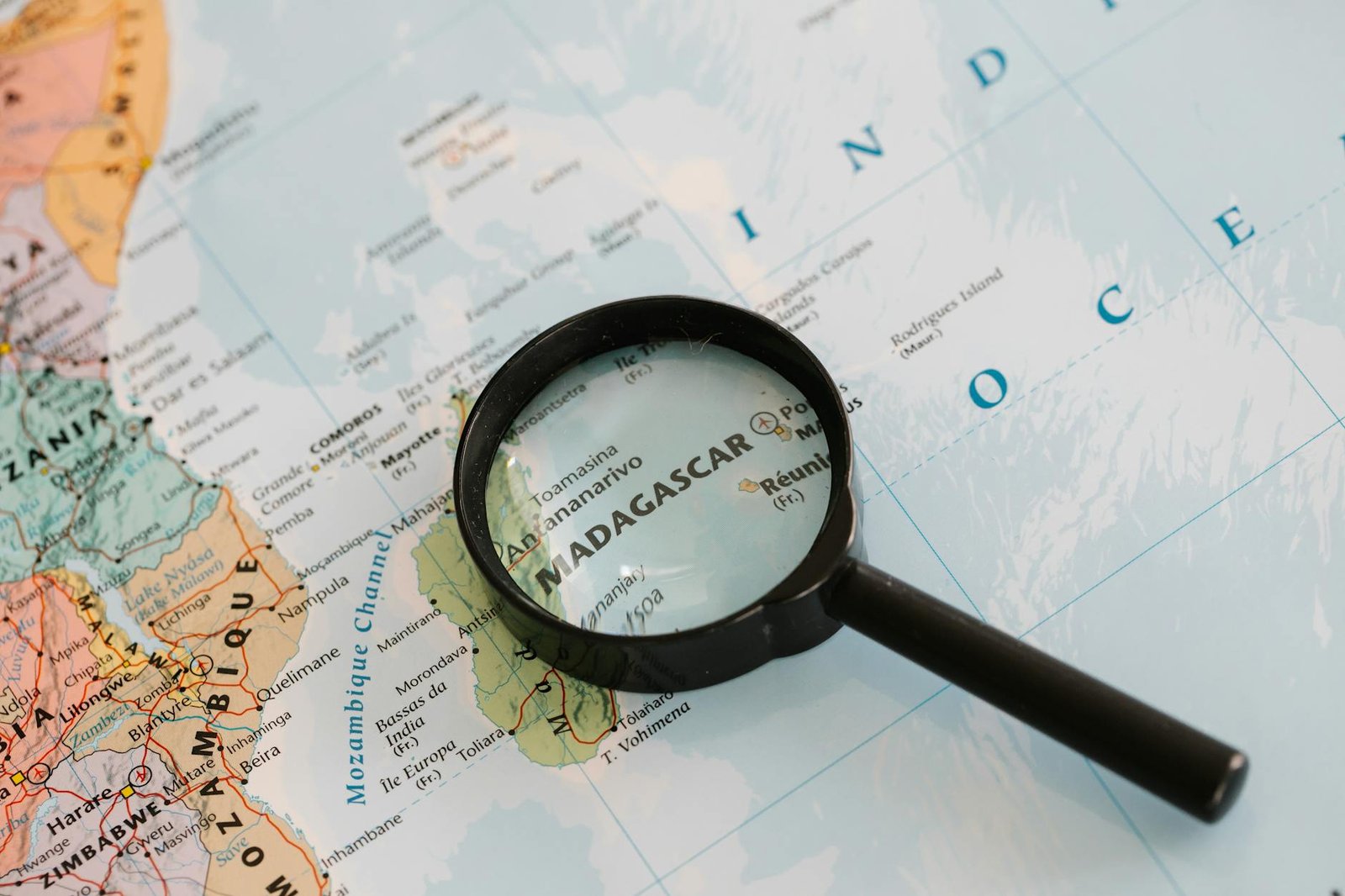
Tamatave — or Toamasina as Madagascans call it — is the kind of port that rewards the curious and the spontaneous. As Madagascar’s busiest harbour city, it sits on the eastern edge of one of the world’s most biologically unique islands, offering a fascinating blend of French colonial architecture, Malagasy street culture, and access to some genuinely extraordinary wildlife. If you’re willing to step beyond the dock gates, this city will surprise you in the best possible way.
Arriving by Ship
Cruise ships dock at the Port de Toamasina, a working commercial harbour that handles most of Madagascar’s import and export traffic. Arrival formalities are generally straightforward, but keep your passport handy as port officials conduct document checks. The city centre is within easy walking distance of the terminal — around 10 to 15 minutes on foot — though taxis and tuk-tuks (locally called pousse-pousse) are plentiful and cheap if the tropical heat catches you off guard. English is limited here; a few words of French or Malagasy will take you far and instantly warm up locals.
Things to Do

Tamatave is best understood as a springboard rather than a destination in itself, though the city has genuine character worth exploring. The Avenue de l’Indépendance is the main boulevard and a pleasant stroll, lined with flame trees that burst orange during flowering season. Visit the Zoological and Botanical Park of Tsimbazaza for an introduction to Madagascar’s alien-feeling wildlife, including lemurs you’ll see nowhere else on Earth.
For those with a longer stay or a thirst for adventure, the surrounding region is extraordinary. The Pangalanes Canal stretches south along the coast, a serene waterway system where dugout canoes slip through dense vegetation and technicolour birds dart overhead — boat trips can be arranged locally. Farther afield, the famous Andasibe-Mantadia National Park is roughly three hours west by road and offers one of the best chances on the planet to hear the haunting call of the indri, the largest living lemur. If you have enough time in port or are combining your cruise with pre or post travel, a multi-day excursion deep into the national park and across to the idyllic Île Sainte-Marie is genuinely unforgettable. 🎟 Book: (east Tour) Andasibe N.p / St. Mary
Local Food
Malagasy cuisine is humble, hearty, and deeply satisfying once you know what to look for. The national staple is vary (rice), served at every meal without exception — locals consume more rice per capita than almost any other nation. Look for romazava, a warming beef and leafy green stew that’s considered the unofficial national dish, or try ravitoto, a pork dish cooked with crushed cassava leaves that has a rich, earthy depth to it.
Along the waterfront and in the market streets, street vendors serve mofo gasy — a slightly sweet, spongy rice bread cooked on cast-iron griddles — that makes a perfect breakfast snack. Wash everything down with ranonampango, a tea-like drink made from toasted rice and water that Madagascans swear by. For something cold, the local THB beer (Three Horses Beer) is ubiquitous and genuinely refreshing in the coastal heat.
Shopping

The Bazary Be (Grand Marché) is Tamatave’s sprawling central market and an assault on the senses in the very best way. Vendors sell everything from fresh tropical fruits to handwoven raffia baskets, vanilla pods, spices, and carved wooden crafts. Madagascar is one of the world’s top vanilla producers, and buying a bundle of cured vanilla beans here is both a bargain and a far more authentic souvenir than anything shrink-wrapped. You’ll also find beautiful hand-embroidered tablecloths and lamba — the traditional woven cloth worn by Malagasy people — which make for elegant, lightweight gifts. Always bargain politely; it’s expected and part of the social exchange.
Practical Tips
Tamatave sits in a typhoon-prone region, so weather can be unpredictable — a light rain jacket is smart packing year-round. The currency is the Malagasy Ariary (MGA), and ATMs exist in the city centre, though reliability varies; bring some euros or US dollars as backup. Tap water is not safe to drink, so stick to bottled water consistently. Medical facilities are limited, so ensure your travel insurance covers evacuation if needed. Negotiate taxi prices before you get in, and carry small notes for markets and street food. Mosquito repellent is non-negotiable.
Tamatave is not a polished, tourist-ready destination — and that’s precisely what makes it magnetic. You’re stepping onto an island that evolution treated as its own private laboratory, into a city that pulses with real Malagasy life. Come with flexibility, respect, and genuine curiosity, and Madagascar will give you something far more valuable than a checklist.
🎟️ Things to Book in Advance
These highly-rated experiences fill up fast — book before you arrive to avoid missing out.

This page contains affiliate links. If you book through them, we may earn a small commission at no extra cost to you.
📍 Getting to Tamatave Madagascar
Use the interactive map below to explore the port area and plan your route from the terminal.
Leave a Reply