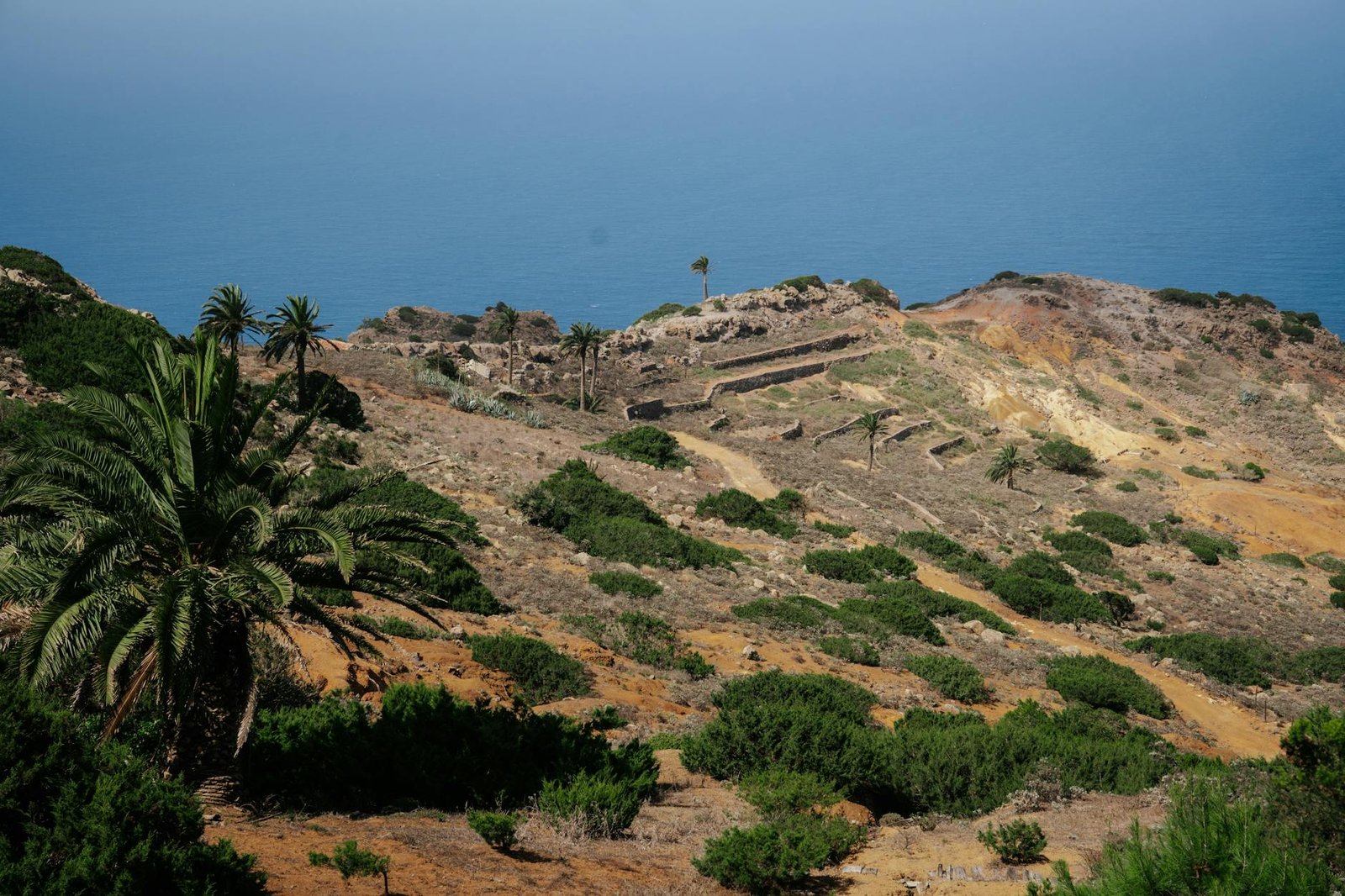
La Gomera is the Canary Island that time forgot — in the best possible way. Smaller, quieter, and far less developed than its neighbours Tenerife and Gran Canaria, this volcanic gem rewards curious travellers with ancient laurel forests, dramatic ravines, and a silence so deep you can almost hear the island breathe.
Arriving by Ship
Cruise ships dock at San Sebastián de la Gomera, the island’s compact capital, which sits on the island’s eastern coast. The port is conveniently close to the town centre — you can walk from the gangway to the main plaza in under ten minutes, making it one of the most accessible tender ports in the Canaries. San Sebastián itself is steeped in history: Christopher Columbus stopped here in 1492 to stock up on supplies before sailing into the unknown, and several landmarks connected to his voyage still stand today. The town is small but perfectly formed, with a relaxed atmosphere that immediately tells you this island operates at its own pace.
Things to Do

The undisputed highlight of La Gomera is the Garajonay National Park, a UNESCO World Heritage Site that covers nearly 10% of the island. This mystical forest of ancient laurisilva — a type of subtropical laurel woodland that once blanketed southern Europe millions of years ago — feels genuinely prehistoric. Gnarled trees drip with moss and lichen, clouds drift through the canopy, and the air is cool and damp even in summer. If you want a guided hiking experience through this extraordinary landscape, it’s well worth booking in advance. 🎟 Book: Hiking in the Garajonay
Back in San Sebastián, seek out the Torre del Conde, a 15th-century tower that’s one of the oldest surviving Spanish colonial structures in the Americas-bound exploration era. The Casa de Colón (Columbus House) is also worth a quick visit for context on the island’s pivotal role in the Age of Discovery. For something completely different, consider a whale-watching excursion off the island’s coast — the waters around La Gomera are among the richest in the Canary Islands for cetacean sightings, including pilot whales and bottlenose dolphins that are resident year-round. 🎟 Book: 3 hrs Boat Excursion for whale watching from Valle GR (La Gomera)
If you’re visiting from a neighbouring island and want a fully guided day that covers the highlights efficiently, an organised full-day tour takes the guesswork out of navigating the winding mountain roads. 🎟 Book: Full Day Guided Tour to La Gomera from Tenerife
Local Food
La Gomera’s food scene is rooted in tradition and honest local ingredients. The island’s most famous product is almogrote, a pungent, intensely flavoured paste made from aged cheese, olive oil, garlic, and dried peppers — spread it on crusty bread and it becomes instantly addictive. You’ll find it in almost every restaurant and deli on the island.
Gofio, a toasted grain flour that has sustained Canarian communities for centuries, appears in various forms across menus — as a thick soup, mixed into stews, or even incorporated into desserts. Look out for potaje de berros, a hearty watercress stew that showcases the island’s fertile volcanic soil. Wash everything down with local wines from the island’s small but proud viticulture scene, or try the sweet, herb-infused liqueur made with guarapo (palm syrup) tapped from native Canarian palm trees.
Shopping

San Sebastián’s shopping scene is modest but charming. The local market and small artisan shops along Calle del Medio are the best places to pick up genuine Gomeran souvenirs. Jars of almogrote make excellent gifts — they travel well and taste like nothing else you’ll find back home. Look for handmade ceramics in the pre-Hispanic style, woven baskets, and locally produced honey. The Ethnographic Park of La Gomera is also a surprisingly rewarding stop if you want to understand local crafts and traditions in context before you shop. 🎟 Book: Visit the Ethnographic Park of La Gomera Avoid the generic tourist shops near the port and instead wander a few streets back into town where the authentic, locally run stores tend to cluster.
Practical Tips
La Gomera is small but the roads are extraordinarily steep and winding — if you plan to explore independently, hiring a car is the most flexible option, but be prepared for hairpin bends and narrow mountain passes. Bus connections exist but are infrequent. The island’s roads link dramatically different microclimates within just a few kilometres, so pack a light layer even on sunny days. Wi-Fi and mobile signal can be patchy in the forests and ravines, so download offline maps before you head inland. Most restaurants close for a long lunch between roughly 2pm and 4pm, so plan your meals around local rhythms rather than your own schedule.
La Gomera doesn’t shout — it whispers. But those who lean in and listen will find an island of extraordinary beauty, genuine authenticity, and a quiet magic that lingers long after the ship has sailed.
🚢 Cruises That Stop at La Gomera Canary Islands
Ready to experience La Gomera Canary Islands for yourself? Search live sailings below — filter by departure port, cruise line, and travel dates to find the itinerary that works for you.
Widget not showing? Search all cruises to La Gomera Canary Islands on CruiseDirect ↗
Affiliate link — we may earn a commission if you book through it.
🎟️ Things to Book in Advance
These highly-rated experiences fill up fast — book before you arrive to avoid missing out.


This page contains affiliate links. If you book through them, we may earn a small commission at no extra cost to you.
📍 Getting to La Gomera Canary Islands
Use the interactive map below to explore the port area and plan your route from the terminal.
Leave a Reply