


Mediterranean
Mediterranean
Patmos Cruise Port Guide: Tender Tips, Things to Do & What to Expect
Greece
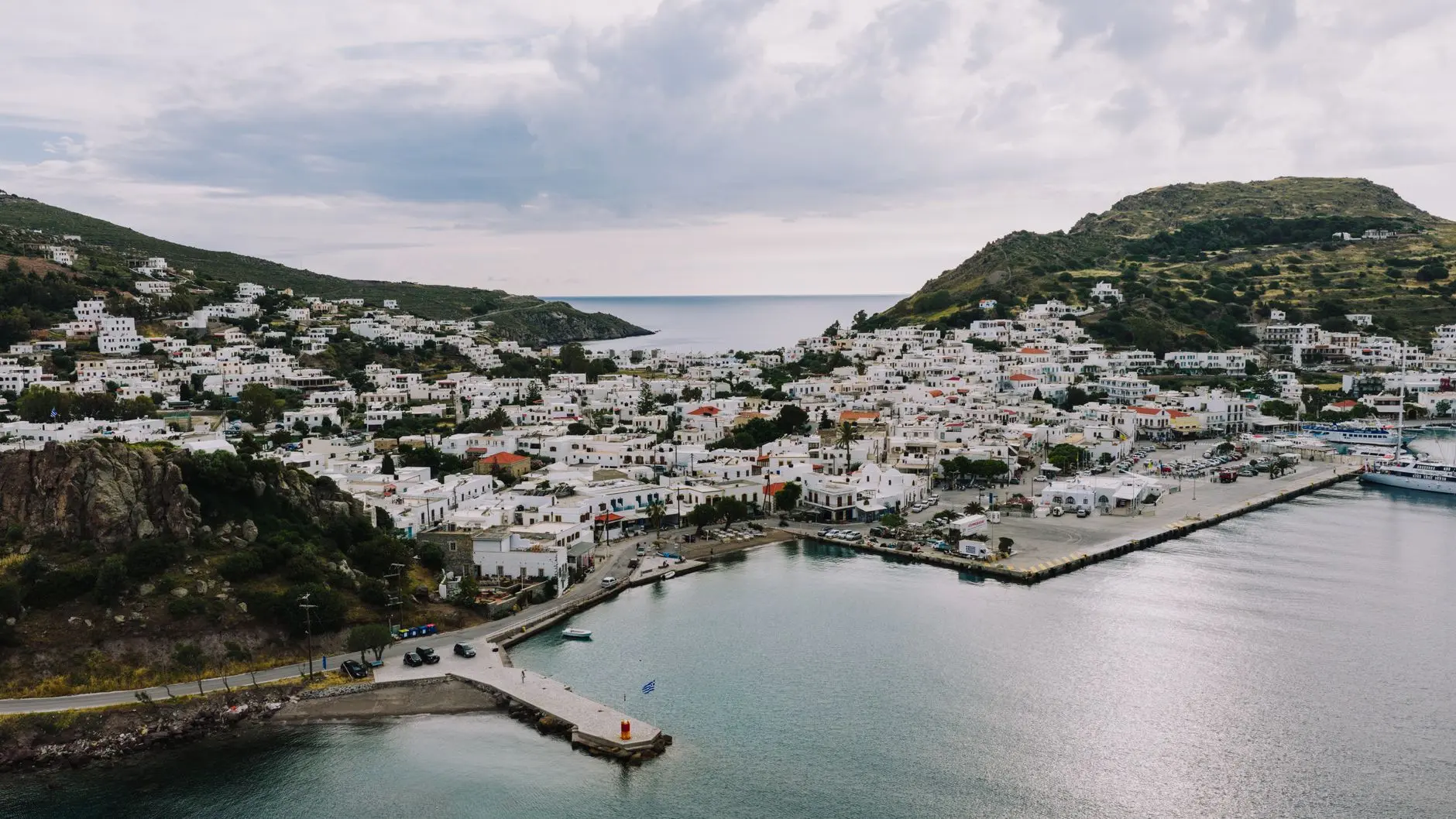
Small island port uses tender boats to transfer passengers to Skala harbor.
Choose the Right Port Day
Best Overall
Book the ship's organized monastery tour or hire a local taxi (~€40–60 for 3 passengers, 2–3 hours). Ensures you see the key site and return on time. Tender logistics are complex enough without solo hiking risks.
Best Beach
Grikos Beach (southeast of town) is accessible by local water taxi (~€3–5, 10 min). Small pebble beach, quiet, good for a dip. Not Mediterranean-postcard material but genuine.
With Kids
Avoid the monastery hike and caves—stairs are treacherous. Instead, walk Patmos Town harbor, ice cream shop on the waterfront, and let kids run on the upper square. Much safer and less frustrating.
Only 3-4 Hours
Skip the monastery hike. Walk Patmos Town, visit the Cave of the Apocalypse (ground level, 10 min from town), grab coffee, and return to tender. Realistic and calming.
Cheapest Option
Tender ashore (~€15–25 RT), walk town for 2–3 hours, coffee (~€3–4), no paid excursions. Total ~€20–30 per person. Skip taxis and the monastery.
What To Avoid
Do not attempt the monastery on foot without very early tender arrival and excellent knees—the path is relentless and you risk missing your tender. Avoid top-of-day tender crowds; request a mid-morning tender slot if possible.
Quick Take
- Port Type
- Scenic Tender Port, Religious Pilgrimage Destination
- Best For
- Small-ship cruisers (Seabourn, Windstar, Regent, Silversea, Azamara, Viking), pilgrims, Byzantine history enthusiasts, and those seeking quiet island walks away from mass tourism.
- Avoid If
- You dislike stairs, uneven terrain, or religious sites. Shore excursions book fast; independent exploration requires good legs and time management around tender schedules.
- Walkability
- Patmos Town is walkable but steep and cobbled. Monastery is a serious uphill hike (45–60 min) or taxi ride. Plan accordingly.
- Budget Fit
- Low cost if you walk and skip excursions; monastery entry ~€6–8. Meals and transport modest. Good for budget-conscious cruisers.
- Good For Short Calls?
- Tight but workable if you skip the monastery or book a tender-included excursion. Independent 3–4 hours ashore is risky given tender turnaround.
Top Things To Do
1
Fiscardo & Assos Island Tour with Swimming at Myrtos Beach
First Stop: Myrtos Beach – A Slice of Paradise Your adventure begins at the world-renowned Myrtos Beach, a breathtaking masterpiece of nature. Famous for its dazzling…
7h
2
Discover the Highlights of Kefalonia Full-Day Tour
Savor a picturesque drive through idyllic olive groves, verdant vineyards, and towering cypress forests that showcase Kefalonia’s natural charm. Let the scenery enchant you as you…
8h
Our picks in Patmos
3
Monastery of Saint John the Theologian
The island's primary attraction: an 11th-century Byzantine monastery perched on the hilltop, built to commemorate John the Evangelist's authorship of the Book of Revelation. Houses a small museum of Byzantine manuscripts and religious artifacts. Dress code: covered shoulders and knees (no shorts or sleeveless tops). Views of the harbor and surrounding Aegean islands are spectacular.
4
Cave of the Apocalypse
A grotto where John the Evangelist is said to have received his apocalyptic visions. Small, atmospheric site with a Byzantine chapel inside. Less strenuous than the monastery (ground-level access, short interior walk) but equally significant. Modest entry fee.
5
Patmos Town Harbor Walk & Waterfront
Gentle exploration of whitewashed alleyways, local gift shops, tiny tavernas, and the upper old town square. No paid entry required. Captures the true essence of an Aegean island village untouched by mass tourism. Few crowds, authentic Greek atmosphere.
Book with the ship, or on your own?
Booking independently
- Often noticeably cheaper than the ship’s version of the same tour.
- Smaller groups and local operators, with traveler reviews you can read before you pay.
- Free cancellation on most tours, usually up to 24 hours before.
When the ship’s excursion makes sense
- Short port calls or long transfers where the timing is tight.
- Tender-only stops where getting ashore can run late.
- The ship waits for its own delayed excursions — it won’t wait for independent ones, so leave a buffer before all-aboard.
Going independent? Compare tours in Patmos → — the best-reviewed ones sell out first.
We may earn a commission when you book through our links, at no extra cost to you — it’s how we keep these guides free.
Check The Port Traffic
Cruise Ships in Port
Once you have your shore plan, use the schedule to see how busy the harbour will be on your date, plus the ships, lines, and published call windows.
Sun
Mon
Tue
Wed
Thu
Fri
Sat
1
2
3
1 ship
4
5
6
7
1 ship
8
9
10
11
12
13
14
15
16
17
18
19
20
21
1 ship
22
23
24
25
26
27
28
29
30
31
Quiet (1–2)
Busy (3–4)
Packed (5+)
0 scheduled calls
October 2, 2026
No scheduled cruise ship calls were found for this date selection. Pick a highlighted day on the calendar above, widen the range, or search for a different ship or line.
Port Overview
Patmos is a small, hilly Greek island famous as the legendary birthplace of the Book of Revelation. Ships anchor offshore and tender passengers to the small port in Patmos Town (Skala), a compact harbor village with whitewashed houses, narrow lanes, and a commanding view of the Monastery of Saint John the Theologian on the ridge above.
Most cruisers visit to see the monastery and the Cave of the Apocalypse, both significant religious sites. The island itself is quiet, car-free in much of the old town, and genuinely un-commercialized compared to Santorini or Mykonos. This is pilgrimage and contemplation, not nightlife or shopping.
Tender logistics dominate your port day. Arrival and departure tenders take 15–20 minutes each way and crowd unpredictably, especially on larger ships. Budget lost time generously. A realistic 4–6 hour port window shrinks to 3–4 hours net ashore once you account for tender queues. Independent exploration is possible but requires early planning and acceptance of uphill walking or taxi costs.
Is It Safe?
Patmos is safe and low-crime. The island has few vehicles, little petty theft, and friendly locals accustomed to cruise visitors. The main risk is logistical: tenders can be delayed or suspended in rough seas, stranding passengers ashore or forcing a rushed return. Always maintain close contact with your ship and respect tender schedules strictly.
The monastery and cave paths involve steep, uneven terrain and loose stones. Wear proper footwear and bring water. Do not hike alone, especially if you are unfamiliar with the terrain or your fitness level is uncertain.
Patmos Town is quiet and non-threatening even at night, but it is small and has few services after 8 p.m. Stick to the harbor area and main square after dark.
Accessibility & Walkability
Patmos Town is very steep and cobblestoned, making wheelchair and mobility-device access difficult. The harbor area and lower town are flatter, but stairs dominate the old town and any attempt to reach the monastery. The monastery itself is reached by a long, uneven stone staircase with no handrails in places. If you have mobility concerns, stick to the harbor waterfront, cafés, and shops in the lower town, or book a taxi tour that avoids walking.
Outside the Terminal
Stepping off the tender, you are immediately on a small quay flanked by a few cafés and gift shops. The town rises steeply behind the harbor in tight whitewashed streets. Immediately to your left is the main waterfront square with a few tavernas, an ATM, and the port office (useful for water-taxi info and local guidance). It is quiet, orderly, and visibly geared to small groups rather than mass tourism. The air smells of salt and Mediterranean herbs. You will hear Greek, Italian, and English, but not crowds.
Beaches Near the Port
Grikos Beach
The most accessible pebble beach, southeast of Patmos Town. Small, quiet, and popular with locals. Clear water, no crowds, minimal facilities.
Local Food & Drink
Patmos Town has a handful of waterfront tavernas and cafés serving Greek island fare: simple grilled fish, salads, pastries, and Greek coffee. Meals are affordable (€8–18 USD for a main course) and quality is good but not haute cuisine. Plaka restaurant on the harbor is reliable and popular with cruise visitors. Bakeries sell fresh bread and pastries in the morning. Avoid eating ashore if you are unsure about your tender timing—a leisurely meal can eat into your return window. Grab coffee and a pastry early, explore, and eat a proper meal onboard if your schedule is tight.
Shopping
Patmos Town has small gift shops selling religious items (icons, candles, books on Byzantine history), local honey, Greek olive oil, and modest souvenir craft. Prices are fair and haggling is not expected. The shops are clustered near the harbor and in the upper old town. Shopping is not a major draw here—the island is pilgrimage-focused, not commercial. If you are seeking serious shopping, Patmos is not the port.
Money & Currency
- Currency
- Euro (EUR)
- USD Accepted?
- No
- Card Payments
- Major cards accepted in tavernas and larger shops; cash is safer for tiny vendors and taxis.
- ATMs
- One ATM near the harbor square, usually reliable.
- Tipping
- Tipping is not mandatory. 5–10% for good service in tavernas is appreciated; round up for small purchases.
- Notes
- Bring cash if you plan to use water taxis, visit the monastery (cash only for entry, typically), or buy from local vendors. Not all small shops take cards.
Weather & Best Time
- Best months
- May, June, September, October—warm, dry, calm seas, best for tendering.
- Avoid
- November–March—cooler, rougher seas, tenders frequently suspended, shorter daylight.
- Temperature
- July–August: 85–90°F (29–32°C), very busy. May–June and September–October: 75–82°F (24–28°C), ideal.
- Notes
- Patmos has minimal shade in town; bring sunscreen and a hat. The monastery and caves are cool and dark indoors. Wear layers if visiting in spring or autumn.
Airport Information
- Airport
- Leros Island National Airport (LRS), ~20 km north of Patmos; alternatively, Kos International Airport (KGF), ~50 km east.
- Distance
- Leros: ~45 min by private boat or ferry (not practical for cruise passengers). Kos: ~90 min by ferry.
- Getting there
- No direct shuttle from the cruise port to either airport. Ferries run from Patmos to Kos and Leros, but frequencies are low and schedules unreliable. Pre- or post-cruise stays require advance ferry booking or a private boat charter.
- Notes
- Patmos has no commercial airport. If you are pre- or post-cruising, plan to arrive on Kos or Leros and ferry to Patmos the day before embarkation. Ferries can be delayed by weather; build in a buffer day.
Getting Around from the Port
Tender
Ships anchor in Patmos harbor and tender passengers to the main port quay in Patmos Town. Tendering can take 20–45 min depending on sea state and passenger volume.
Taxi
Local taxis queue at the port. Drivers know the monastery, caves, and nearby beaches. Negotiate fare beforehand or ask the port agent for rates.
Book a transfer 5% off with code TPO5 at checkoutWalking
Patmos Town is compact and walkable. Most shops, cafés, and the upper old town are reachable on foot. The monastery is a 45–60 min uphill trek on a partly paved, partly stone path.
Water Taxi
Local water taxis run to nearby beaches and villages, especially Grikos Beach.
Book ferry ticketsDetails last checked April 2026
Planning a cruise here?
Seabourn, Silversea Cruises, Explora Journeys & more sail to Patmos.
Practical Tips for Cruise Passengers
- Book the ship's organized monastery tour if available. It saves tender logistics stress and ensures you return on time—worth the markup.
- Arrive at the tender muster station at least 15 minutes before your assigned slot, especially on busier days. Tender queues form fast.
- Carry cash (euros) for taxis, water taxis, monastery entry, and small tavernas. The single ATM can run out of notes during heavy cruise days.
- Wear sturdy walking shoes with grip. Cobblestones and monastery paths are uneven and slippery in wet conditions. Avoid flip-flops and sandals.
- Request an early or mid-morning tender slot when booking the ship. Afternoon tenders risk being delayed or suspended if seas pick up, and you will have less daylight for exploration.
Frequently Asked Questions
Yes, it is possible but difficult: 45–60 min uphill on a steep, uneven stone path. Only attempt if you have strong legs, early tender arrival, and no time pressure. A taxi (€40–60 for a small group) is the realistic option for most cruisers.
Your port day is lost. There is no alternative dock or ferry service connecting the ship to Patmos during typical itineraries. Check weather forecasts before your cruise; Patmos has rougher seas in winter months. Expect this possibility in shoulder seasons.
Count on 45 min to 1.5 hours total for both arrival and departure tenders, including queues. This eats into your net ashore time significantly. A 6-hour port window often leaves only 4–4.5 hours for actual exploration.
Find cruises to Patmos, Greece
Compare sailings and book with no fees — best price guaranteed.
We may earn a commission when you book through our links, at no extra cost to you — it’s how we keep these guides free.
✉ Sailing to Patmos? Get your port-day plan
Tell us your sail date and we’ll email you a short Patmos plan about 60 days out — when the good excursions start selling out — plus a final checklist 2 weeks before. Two emails, then done. We’ll send one note to confirm it’s really you — unsubscribe anytime.
Same itinerary network
View All
Ports Often Paired With Patmos
Mediterranean

Mediterranean

Mediterranean
