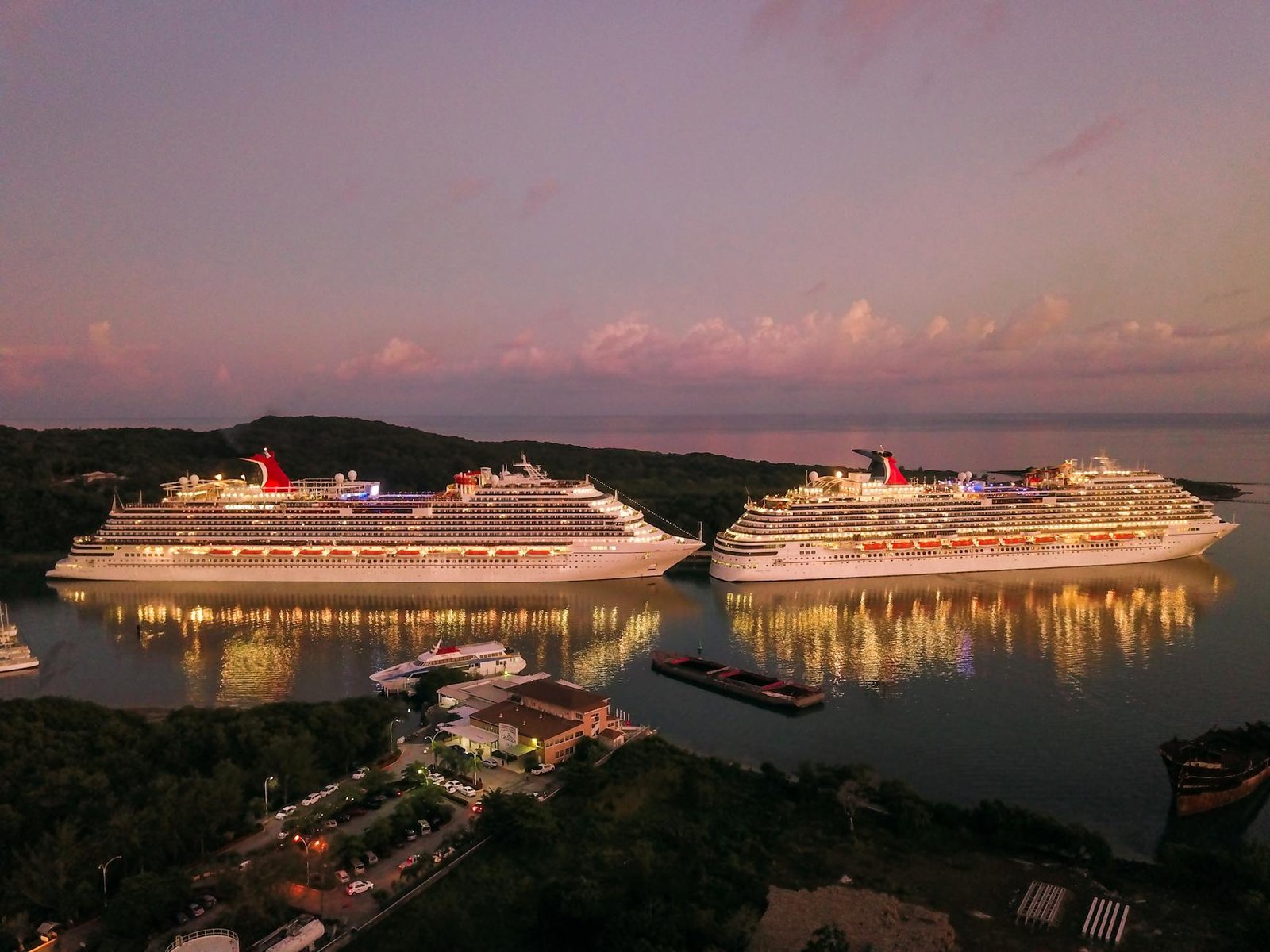
Elephant Island sits at the frozen edge of the world — a jagged, ice-capped landmass in the South Atlantic that carries one of the most gripping survival stories in polar history. Best known as the place where Ernest Shackleton’s crew sheltered for 105 desperate days in 1916, this remote outcrop off the Antarctic Peninsula isn’t your typical port of call. Visiting here means stepping into legend, surrounded by shrieking seabirds, crashing glaciers, and a silence so vast it feels physical.
Arriving by Ship
There are no docks, no tender piers, and certainly no passport control booths at Elephant Island. Cruise ships anchor offshore and passengers take in the scenery from the deck or, on some expedition voyages, board Zodiac inflatable boats for a closer approach to the shoreline. The most iconic spot is Point Wild — a narrow gravel beach beneath towering cliffs where Shackleton’s 22 men camped beneath two upturned lifeboats. A bronze bust of Chilean sea captain Luis Pardo, who rescued the men, marks the site. The approach is dramatic: black basalt cliffs rise almost vertically from steel-grey water, streaked white with guano, and home to enormous colonies of chinstrap penguins.
Things to Do

Given the island’s remoteness and lack of infrastructure, “doing things” here means absorbing an extraordinary natural and historical spectacle. A Zodiac cruise along the coastline lets you get close to chinstrap penguin colonies — some numbering in the hundreds of thousands — without disturbing them. Wildlife encounters are genuinely astonishing: leopard seals lounge on ice floes, fur seals bark from rocky ledges, and Antarctic terns dive-bomb anything that ventures too close to their nests.
For history lovers, simply standing within sight of Point Wild is deeply moving. Reading about Shackleton’s ordeal is one thing; seeing the claustrophobic reality of that narrow beach, hemmed in by cliffs and ocean, is another entirely. Bring binoculars — you’ll want them for both wildlife and the dramatic rock formations that line the island’s coast.
Local Food
Elephant Island has no restaurants, cafés, or even a kiosk. Every calorie you consume here comes from your ship’s galley. That said, expedition cruise lines have dramatically elevated onboard dining in recent years, and many ships celebrate Antarctic landfalls with special menus featuring regional Argentine and Chilean influences — think Patagonian lamb asado, king crab empanadas, and Mendoza Malbec. Some vessels serve hot drinks and snacks on deck during Zodiac operations, which, when the temperature is hovering near freezing, qualifies as one of the best meals of your life.
Shopping

Pack your credit card away — there is nothing to buy on Elephant Island. Your ship’s onboard shop is where you’ll find expedition-branded clothing, Antarctic wildlife guides, and souvenirs. If you’re visiting on an itinerary that includes a stop in Ushuaia or Puerto Madryn, those ports offer far better shopping opportunities, from locally made leather goods to Patagonian woolens and artisan chocolate.
Practical Tips
Layering is everything here. Even in the Antarctic summer (November to March), temperatures at Elephant Island hover between -2°C and 5°C, and wind chill can be savage. Waterproof outerwear is non-negotiable for Zodiac operations. Your ship will typically provide rubber boots for wet landings, but check in advance. Seasickness patches or bands are highly recommended — the Drake Passage en route can be notoriously rough. Photography conditions are often spectacular, so bring extra memory cards and a UV filter to protect your lens from sea spray. Importantly, landing at Elephant Island is weather-dependent and can be cancelled at short notice, so manage expectations and cherish the visit if it happens.
Cruises That Visit Elephant Island, Argentina
Elephant Island sits firmly on the itineraries of the world’s leading expedition cruise operators. Hurtigruten, Lindblad Expeditions (in partnership with National Geographic), Quark Expeditions, and Ponant all include it as a highlight on their Antarctic Peninsula voyages. Aurora Expeditions and Silversea’s expedition fleet are also regular visitors. These are not mass-market Caribbean-style cruises — they are purpose-built expedition sailings on small, ice-strengthened vessels typically carrying between 100 and 200 passengers.
Most departures originate from Ushuaia, Argentina, the southernmost city in the world, though some itineraries begin in Buenos Aires or Santiago, Chile, with a flight south to Ushuaia to join the ship. Voyage lengths typically range from 10 to 14 days for a standard Antarctic Peninsula itinerary, with longer 18 to 21-day sailings incorporating South Georgia and the Falkland Islands — a combination that puts Shackleton’s entire journey into remarkable geographic context.
The Antarctic summer, running from late October through early March, is the only viable window for these sailings. November and December offer the best wildlife activity, including penguin nesting, while January and February provide the longest daylight hours and relatively calmer seas.
🚢 Cruises That Stop at Elephant Island Argentina
Ready to experience Elephant Island Argentina for yourself? Search live sailings below — filter by departure port, cruise line, and travel dates to find the itinerary that works for you.
Widget not showing? Search all cruises to Elephant Island Argentina on CruiseDirect ↗
Affiliate link — we may earn a commission if you book through it.
Elephant Island rewards those willing to journey to the very edge of the accessible world. It isn’t a port you breeze through — it’s one you carry with you long after the ship turns north and the ice disappears behind the horizon.
🎟️ Things to Book in Advance
These highly-rated experiences fill up fast — book before you arrive to avoid missing out.


This page contains affiliate links. If you book through them, we may earn a small commission at no extra cost to you.
Leave a Reply