
Asia
Asia
Wakayama Cruise Port Guide: Things to Do & Practical Tips
Japan
Modern dedicated cruise terminal with direct city access.
Choose the Right Port Day
Best Overall
Kumano Kodo pilgrimage route or Wakayama Castle with surrounding park. Castle is easier for the time-limited; Kumano Kodo rewards a longer port day (6+ hours) and real hiking boots.
Book Wakayama Castle & Park from $5Best Beach
Not a beach port. Nearest sandy option is Shiodomari Beach (20+ km); not practical for port day.
With Kids
Wakayama Castle grounds are open, pleasant for a stroll; kids may enjoy the park. Skip long temple rituals; focus on outdoor exploration instead.
Only 3-4 Hours
Take a taxi or shared shuttle to Wakayama Castle (15 min), walk the grounds and surrounding park (45 min), then return to port. Realistic and self-contained.
Cheapest Option
Walk downtown Wakayama from port (~20 min), explore local streets, eat at a casual ramen or sushi shop ($5–8 USD), browse local shops. No transport cost if you walk.
What To Avoid
Don't plan a day-trip to Koyasan (Mount Koya); it's 1.5+ hours each way and feels rushed. Avoid expecting polished tourist infrastructure; this is a working regional port, not a resort destination.
Quick Take
- Port Type
- Small cultural & nature port
- Best For
- Travelers interested in temples, hiking, and authentic regional Japan; culture over resort amenities.
- Avoid If
- You want beach time, nightlife, or shopping; expect quiet, historic focus instead.
- Walkability
- Moderate. Downtown Wakayama is walkable, but main attractions require local transport or taxis.
- Budget Fit
- Budget-friendly. Attractions are inexpensive; meals are cheap; taxis shared or local trains very affordable.
- Good For Short Calls?
- Workable. A 4–6 hour port window allows either a temple visit or a short nature hike, not both comfortably.
Port Overview
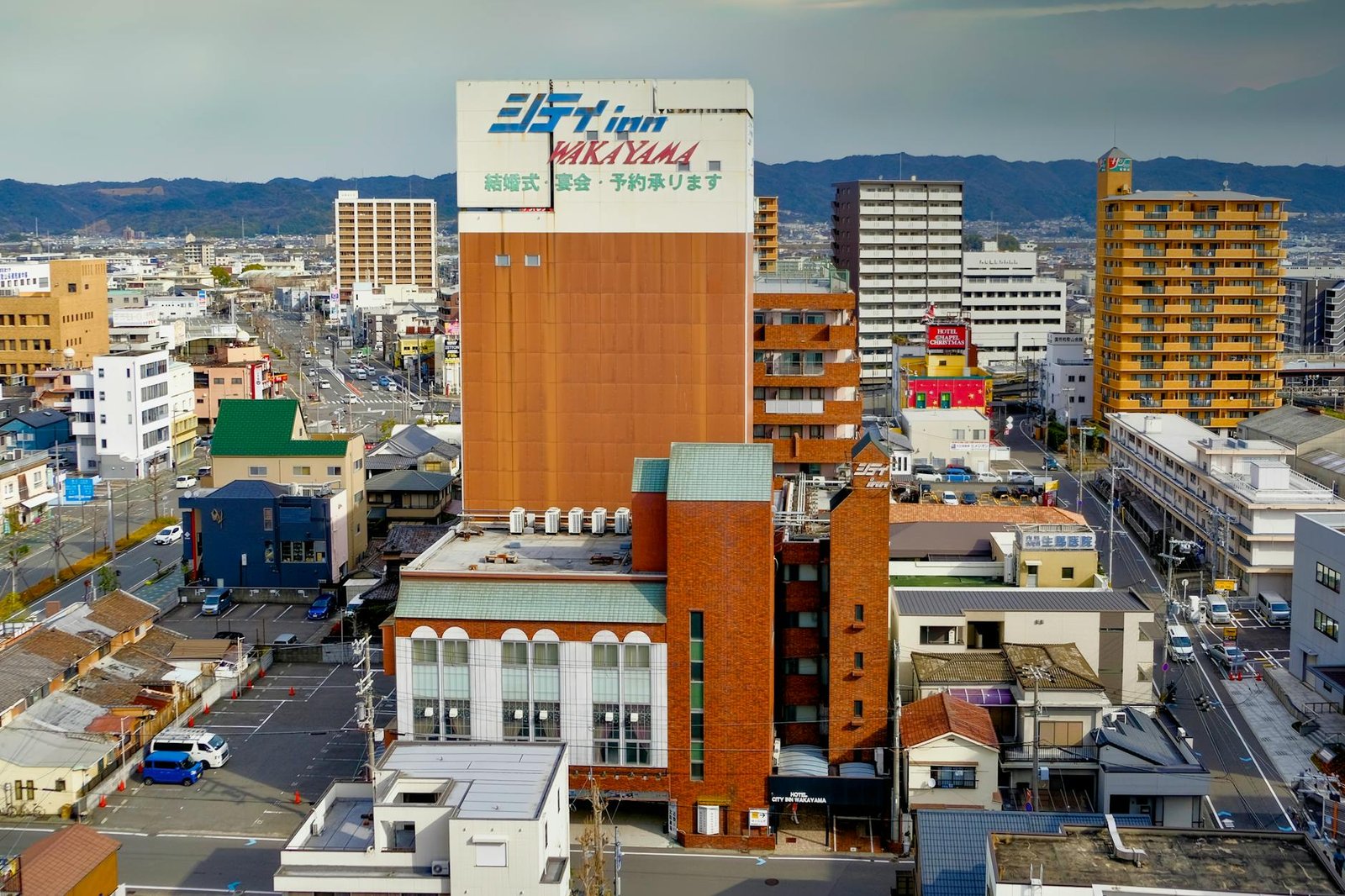
Wakayama is a compact regional port on Japan's Kii Peninsula, home to world-famous pilgrimage routes (Kumano Kodo), historic temples, and rural mountain scenery. Ships dock at Wakayama Port, roughly 20 minutes' walk or a short taxi ride from downtown. This is a working Japanese port, not a cruise resort; you'll find authentic local culture, modest infrastructure, and a genuine slice of regional life. The port is worth a visit if you value temples, nature, and off-the-beaten-path Japan; it's not ideal if you want beaches, modern shopping, or a polished port experience. Most cruisers spend 4–8 hours ashore, focusing on either Wakayama Castle or a short section of the Kumano Kodo pilgrimage trail.
Top Things To Do
1
The Best of Wakayama City Private Tour
Wakayama is located only about 30km (or 18 miles) south of Osaka Kansai International Airport and has its own distinctive charm. The world-famous Wakayama Castle in…
Book on Viator2
Wakayama Private Customizable Full Day Tour
This private and customizable tour for Wakayama is perfect for guests who would like to have their own itinerary planned based on their interests and preferences,…
Book on ViatorOur picks in Wakayama
3
Wakayama Castle & Park
One of Japan's historic castles (rebuilt post-WWII but architecturally faithful), set in a spacious park with views over the city and surrounding hills. Grounds are open and peaceful; interior museum is modest. Best for a self-guided walk and photos rather than deep history study.
4
Kumano Kodo Pilgrimage Routes & Hiking
UNESCO-listed network of sacred mountain trails connecting ancient shrines. The Nakahechi route is the most accessible; even short sections (1–2 hours) reward with forest scenery, red torii gates, and spiritual atmosphere. Requires proper shoes and some fitness; not a casual walk.
5
Downtown Wakayama & Local Temples
Walk through quiet residential and commercial streets, visit small neighborhood shrines (free, open access), and eat at local ramen or sushi shops. Rinnoji Temple and Karasu Shrine are modest but accessible. This is a low-key, authentic Japanese experience, not a polished tourist route.
Show 1 more thing to do in Wakayama
6
Wakayama Museum
Small regional museum with local history, art, and artifacts. Modest but informative; skip if you're short on time unless you have deep interest in regional history.
Book with the ship, or on your own?
Booking independently
- Often noticeably cheaper than the ship’s version of the same tour.
- Smaller groups and local operators, with traveler reviews you can read before you pay.
- Free cancellation on most tours, usually up to 24 hours before.
When the ship’s excursion makes sense
- Short port calls or long transfers where the timing is tight.
- Tender-only stops where getting ashore can run late.
- The ship waits for its own delayed excursions — it won’t wait for independent ones, so leave a buffer before all-aboard.
Going independent? Compare tours in Wakayama → — the best-reviewed ones sell out first.
We may earn a commission when you book through our links, at no extra cost to you — it’s how we keep these guides free.
Is It Safe?
Wakayama is very safe. Japan has low crime rates, and the port area is well-maintained. Police presence is low-key but visible. The main concern is getting lost due to limited English signage; carry a map, take a photo of your ship's location, or use offline Google Maps. Tap water is safe. Avoid wandering alone late at night (not dangerous, but disorienting). ATMs and convenience stores are plentiful and secure.
Accessibility & Walkability
Wakayama Castle and downtown areas are moderately accessible. Paved streets and flat terrain near the port. However, temple visits often involve stairs and uneven ground; pilgrimage routes are hiking trails and not wheelchair-friendly. Ships with elevator access and reduced-mobility services can handle a port visit to downtown or castle grounds, but outdoor attractions require mobility and stamina. Wheelchair users should prioritize castle grounds or downtown exploration and avoid Kumano Kodo and steep temple approaches.
Outside the Terminal
You'll exit into a quiet, orderly port area with taxis lined up and a small terminal building. The immediate surroundings are industrial and unremarkable—warehouses, parking, a few small shops. There is no overwhelming crowd, souvenir stalls, or aggressive vendors. The walk into downtown (20 min) or a short taxi ride is necessary to reach interesting areas. Staff at the terminal can provide simple directions or call a taxi. Expect a very different pace from major cruise ports.
Beaches Near the Port
Shiodomari Beach
Sandy beach popular with locals; clean and accessible but modest (not a resort-style destination). Hot springs area nearby. Quiet and low-key.
Local Food & Drink
Local Wakayama cuisine centers on fresh seafood, ramen, and sushi. Seek out small neighborhood ramen shops (around $6–8 USD) for authentic, affordable meals. Kaki (persimmons) and umeboshi (pickled plums) are regional specialties. Convenience stores (7-Eleven, Familymart) offer cheap onigiri, bento, and drinks ($3–5 USD). Sit-down sushi or kaiseki restaurants are modest and friendly; expect $15–30 USD for a good meal. English menus are rare; use Google Translate app or point at pictures. Tap water is safe; tea is complimentary in many eateries.
Shopping
Wakayama has no major shopping malls or tourist souvenir zones near the port. Downtown has small local shops selling clothing, crafts, and regional snacks. Convenience stores stock basic items, drinks, and souvenirs. If you're hunting for gifts, focus on local persimmons, umeboshi, or handmade ceramics from small artisan shops downtown. Expect modest, authentic goods rather than commercial tourist fare. Most shops close by 7 p.m.
Money & Currency
- Currency
- Japanese Yen (JPY); 1 USD ≈ 145 JPY (approximate; check current rate)
- USD Accepted?
- No
- Card Payments
- Credit cards accepted in larger shops, restaurants, and hotels; many small local shops and ramen joints are cash-only. Plan to have yen.
- ATMs
- ATMs in convenience stores (7-Eleven, Familymart) accept foreign cards; also available at banks downtown and in the port terminal area.
- Tipping
- Not customary in Japan; do not tip at restaurants or taxis. Rounding up is polite but not expected.
- Notes
- Withdraw yen before leaving the port or at a convenient ATM in downtown. Credit card-only payment may limit your options at small eateries.
Weather & Best Time
- Best months
- April–May (spring, cherry blossoms), October–November (autumn, mild temps, clear skies)
- Avoid
- June–August (hot, humid, typhoon risk); December–February (cold, occasional rain)
- Temperature
- Spring 15–20°C (59–68°F); Autumn 18–23°C (64–73°F). Summer 28–32°C (82–90°F), humid.
- Notes
- Wakayama is generally mild compared to northern Japan. Spring and autumn are ideal for hiking Kumano Kodo. Summer humidity is intense; bring sunscreen and water for any outdoor activity.
Airport Information
- Airport
- Kansai International Airport (KIX), Osaka
- Distance
- Approximately 80 km north (1.5–2 hours by car or rail)
- Getting there
- Haruka Express train from KIX to Osaka (~75 min), then local train to Wakayama (~45 min). Alternatively, rental car or airport shuttle (check in advance).
- Notes
- Wakayama does not have a major airport. Most cruise passengers arrive via Osaka or Kobe. If planning pre- or post-cruise stays, budget 3–4 hours for airport-to-port transport.
Getting Around from the Port
Taxi
Most practical for port day. Taxis queue near the terminal; drivers often do not speak English, so write your destination in Japanese or show a photo.
Book a transfer 5% off with code TPO5 at checkoutWalking
Downtown Wakayama is walkable from port (20 min on foot). Local streets, small shrines, and ramen shops are accessible; main attractions require additional transport.
Local train (Wakayama Electric Railway)
Connects port area to attractions; infrequent and not always convenient for cruise schedules. Useful if your ship stays 8+ hours.
Book train ticketsPort shuttle or pre-arranged tour
Some cruise lines offer organized excursions (castle, temples, hiking). Often easier than independent travel but pricier.
Book a transfer 5% off with code TPO5 at checkoutDetails last checked April 2026
Check The Port Traffic
Cruise Ships in Port
Once you have your shore plan, use the schedule to see how busy the harbour will be on your date, plus the ships, lines, and published call windows.
Sun
Mon
Tue
Wed
Thu
Fri
Sat
1
2
3
4
5
6
7
8
9
10
11
12
13
14
15
16
17
18
1 ship
19
20
21
22
23
24
25
26
27
28
29
30
31
Quiet (1–2)
Busy (3–4)
Packed (5+)
0 scheduled calls
August 19, 2026
No scheduled cruise ship calls were found for this date selection. Pick a highlighted day on the calendar above, widen the range, or search for a different ship or line.
Planning a cruise here?
Princess Cruises, Crystal Cruises, Oceania Cruises sail to Wakayama.
Practical Tips for Cruise Passengers
- Download offline Google Maps and take a photo of your ship's location before leaving the terminal; English signage is limited and getting lost is easy.
- Carry cash (yen). Many small shops, ramen stalls, and taxis do not accept cards; an ATM visit is essential.
- If hiking Kumano Kodo, wear proper hiking shoes, bring water and snacks, and check trail conditions at the port or tourism center; trails can be muddy and steep.
- Book any organized port excursions on your ship before arrival; independent guides and tour companies are less visible than at major ports.
- Arrive back at the terminal 30 minutes before all-aboard; local transport is reliable but not frequent, and you don't want to miss the ship.
Frequently Asked Questions
Worth it if you love temples, nature, and authentic Japan; skip if you want beaches or nightlife. For 4–6 hours, visit Wakayama Castle and downtown. For 8+ hours, consider Kumano Kodo hiking.
Take a taxi (~15 min, $8–12 USD) or walk downtown first (20 min), then taxi from there (~10 min). Pre-arrange a tour if you want transportation and a guide included.
Yes, Wakayama is very safe. Main risk is getting lost due to limited English signage; carry a map and offline GPS. Avoid wandering isolated areas late at night, though danger is minimal.
Find cruises to Wakayama, Japan
Compare sailings and book with no fees — best price guaranteed.
We may earn a commission when you book through our links, at no extra cost to you — it’s how we keep these guides free.
✉ Sailing to Wakayama? Get your port-day plan
Tell us your sail date and we’ll email you a short Wakayama plan about 60 days out — when the good excursions start selling out — plus a final checklist 2 weeks before. Two emails, then done. We’ll send one note to confirm it’s really you — unsubscribe anytime.
Same itinerary network
View All


