


Asia
Asia
Malé Cruise Port Guide: Things to Do & Practical Tips
Maldives
Ships anchor off Male and tender (10-15 minutes) to a waterfront jetty; the landing point varies with port instructions.
Choose the Right Port Day
Best Overall
A self-guided walking loop covering the fish market, Friday Mosque, Sultan Park, and the waterfront promenade gives you the most authentic Maldivian urban experience in a compact, manageable circuit.
Best Beach
Malé island has no real beach to speak of. The closest usable beach is on Hulhumalé, reachable by a short ferry or taxi-boat ride. Budget around 30-40 minutes each way and $2-5 USD for the trip.
Book Hulhumalé Beach Day on ViatorWith Kids
Head to the waterfront promenade, watch the fish market unload, and take a short ferry over to Hulhumalé for a swim — it's manageable, not too far, and far less chaotic than staying in the city center.
Only 3-4 Hours
Walk from the cruise terminal to the Old Friday Mosque and Sultan Park, browse the fish market and local market streets, grab a short eats snack at a local café, then loop back to the waterfront promenade. You can do all of this on foot in 3-4 hours.
Cheapest Option
Walk the entire city, visit the fish market and local market for free, sit in Sultan Park (minimal entry), and eat short eats — local snacks like bajiya and mas roshi — at a local café for under $5 USD total.
What To Avoid
Don't waste time or money on packaged city tours — Malé is small enough to walk independently. Also avoid expecting a resort-style beach on Malé itself; the water around the island is not for swimming.
Quick Take
- Port Type
- Urban Island Capital + Embarkation Gateway
- Best For
- Curious city explorers, embarkation travelers, and anyone wanting a taste of Maldivian culture without a resort price tag
- Avoid If
- You came for a classic white-sand beach day — Malé island itself won't deliver that
- Walkability
- High within the city; Malé is tiny and almost everything is within 15-20 minutes on foot
- Budget Fit
- Moderate — the city is affordable but resort islands and water-taxi transfers add cost fast
- Good For Short Calls?
- Good — a half day is actually ideal for Malé; a full day can feel stretched
Top Things To Do
1
4 Hour Highlights of Malé Walking Tour
Wander the roads of Male, the capital of the Maldives with TripAdvisors' leading Hulhumale tour company and discover the history, religion and culture of the city…
4hFree cancellation
2
3 Point Snorkeling Safari
The reefs of the Maldives are famous for reef sharks, sea turtles, eagle rays, sting rays, and more. This 3-hour tour with TripAdvisors' leading Hulhumale tour company…
3hFree cancellation
Our picks in Malé
3
Malé Fish Market
One of the most vivid and authentic experiences in the capital. Tuna is the backbone of Maldivian life and this market shows it clearly — fish offloaded, butchered, and sold at pace. Best visited in the morning when activity peaks.
4
Old Friday Mosque (Hukuru Miskiy)
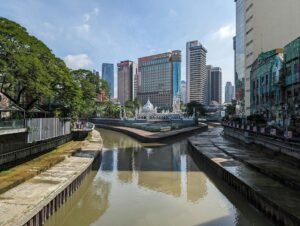
Built in 1658 from coral stone, this is Malé's most historic structure and the oldest mosque in the Maldives. The carved coral architecture and tombstone engravings are genuinely impressive. Non-Muslims can view the exterior; modest dress is required.
5
Sultan Park and National Museum
Sultan Park is a small but pleasant green space in an otherwise dense city — rare breathing room. The National Museum next to it holds Maldivian royal artifacts, pre-Islamic objects, and cultural items. Small but worth a quick pass.
Show 3 more things to do in Malé
6
Local Market Streets (Central Market)
A covered local produce and goods market a short walk from the waterfront. You'll find fresh fruit, dried fish, spices, and local crafts. Crowded, colorful, and genuinely local — not staged for tourists.
7
Hulhumalé Beach Day
Take the public ferry to Hulhumalé for the closest accessible beach to Malé. The beach is wide, sandy, and calm — nothing resort-grade, but perfectly swimmable. Facilities are basic. Good for a quick swim and escape from city density.
8
Maldives Victory Wreck Snorkel or Dive
The MV Victory cargo ship sank just off Malé in 1981 and is now an accessible dive and snorkel site teeming with fish and coral. Several local operators run half-day trips. Not a world-class dive but solid for a port day.
Book with the ship, or on your own?
Booking independently
- Often noticeably cheaper than the ship’s version of the same tour.
- Smaller groups and local operators, with traveler reviews you can read before you pay.
- Free cancellation on most tours, usually up to 24 hours before.
When the ship’s excursion makes sense
- Short port calls or long transfers where the timing is tight.
- Tender-only stops where getting ashore can run late.
- The ship waits for its own delayed excursions — it won’t wait for independent ones, so leave a buffer before all-aboard.
Going independent? Compare tours in Malé → — the best-reviewed ones sell out first.
We may earn a commission when you book through our links, at no extra cost to you — it’s how we keep these guides free.
Check The Port Traffic
Cruise Ships in Port
Once you have your shore plan, use the schedule to see how busy the harbour will be on your date, plus the ships, lines, and published call windows.
Sun
Mon
Tue
Wed
Thu
Fri
Sat
1
2
3
4
5
6
7
8
9
10
11
12
13
14
15
16
17
18
19
20
21
22
23
24
25
26
27
28
29
30
31
Quiet (1–2)
Busy (3–4)
Packed (5+)
0 scheduled calls
October 21, 2026
No scheduled cruise ship calls were found for this date selection. Pick a highlighted day on the calendar above, widen the range, or search for a different ship or line.
Port Overview
Malé is one of the most densely populated islands on Earth — a compact urban capital packed with mosques, markets, government buildings, and local life, all within a few square kilometers. Cruise ships typically dock at the Male Commercial Harbour or at the newer cruise berth near the ferry terminals, both within easy walking distance of the city center. Tender operations are occasionally used depending on ship size and berth availability.
This is not a beach port in any traditional sense. Malé island itself has no swimmable beaches, and the famous overwater villas and turquoise lagoons you associate with the Maldives are on resort islands that require separate speedboat or seaplane transfers — not practical on a port day unless you've pre-arranged an excursion. What Malé does offer is a genuinely interesting slice of local Maldivian urban life that most tourists never see.
For cruisers, Malé works best as a half-day walking exploration or as an embarkation/disembarkation city. If your ship is here for a full day, a trip to nearby Hulhumalé for a beach break is worth adding. Don't expect luxury resort vibes in the capital — this is a real, working city.

Is It Safe?
Malé is generally safe for tourists. Petty crime is low by regional standards and aggressive touting is not a serious problem. The main thing to be aware of is the heat and sun — midday temperatures and humidity can be punishing, especially if you're walking with no shade.
Dress modestly when visiting mosques and religiously significant areas — shoulders and knees covered is the standard expectation. The Maldives is a Muslim country and public displays of alcohol consumption or affection outside designated resort areas are not acceptable. Stick to marked pedestrian paths near the busy port and market areas where scooter traffic can be chaotic.
Accessibility & Walkability
Malé's streets are mostly flat and paved, which is a plus for mobility. However, sidewalks are narrow and inconsistent, curbs are often uneven, and scooter traffic is heavy — making wheelchair navigation genuinely difficult in busy areas. The fish market and old town lanes are particularly tight.
Ferry access to Hulhumalé involves steps and gangways that are not reliably wheelchair-accessible. Travelers with limited mobility can still enjoy the waterfront promenade and nearby cafés close to the port without too much difficulty.
Outside the Terminal
Step off the ship and you're immediately in a working port environment — ferry traffic, local commuters, and small boats everywhere. The city center starts within a 5-minute walk. The waterfront road runs along the sea wall and connects quickly to the main commercial streets. You'll hit the fish market area within 10 minutes heading east along the waterfront. The atmosphere is authentic, slightly chaotic, and interesting — nothing polished or tourist-staged about it.

Beaches Near the Port
Hulhumalé Beach
The most realistic beach option for cruisers on a port day. Wide sandy stretch, calm water, and manageable crowds on weekdays. Facilities are minimal — bring water and sunscreen. Not a resort beach but genuinely pleasant.
Local Food & Drink
Malé has good local eating if you step off the tourist path. Look for local cafés called 'short eats' shops serving mas roshi (tuna flatbread), bajiya (tuna-stuffed pastries), and hedhikaa (traditional snacks) for pennies. These are filling, tasty, and as local as it gets in the Maldives. Expect to spend under $5 USD for a satisfying snack-based lunch.
For sit-down meals, Malé has a decent range of restaurants along the main streets serving Maldivian rice-and-curry dishes, South Asian food, and some international options. Mid-range restaurants serve solid meals in the $8-15 USD range. Avoid eating on the waterfront closest to the tourist ferry areas where prices jump for no reason.
Alcohol is not available in Malé — the city and all local islands are dry. If you need a drink, you'll need to wait until back on board.
Shopping
Malé's local market and the streets around the commercial area sell spices, dried fish, lacquerware, and woven products at reasonable prices. These are the most authentic souvenirs you'll find. The city also has pharmacies, convenience stores, and a few souvenir shops near the waterfront selling the usual tropical trinkets at negotiable prices.
Don't expect duty-free luxury retail or polished shopping malls — this is a practical working city. Bargaining is acceptable in market stalls but not in fixed-price shops.

Money & Currency
- Currency
- Maldivian Rufiyaa (MVR)
- USD Accepted?
- Yes
- Card Payments
- Cards accepted at most hotels, larger restaurants, and shops. Small cafés and market stalls are cash only.
- ATMs
- ATMs available in central Malé near the main commercial streets. BML and other local banks have multiple branches.
- Tipping
- Not mandatory or culturally expected in local settings. In tourist-facing restaurants, 10% is appreciated.
- Notes
- USD is widely accepted and practical for tourist-facing transactions. Rufiyaa is better for local market and café purchases.
Weather & Best Time
- Best months
- December through April — dry season, lower humidity, calmer seas
- Avoid
- May through October — monsoon season brings heavy rain, rough seas, and grey skies
- Temperature
- 27-32°C (81-90°F) year-round with high humidity
- Notes
- Heat and sun are intense regardless of season. Mornings are best for walking. Carry water and wear sunscreen.
Airport Information
- Airport
- Velana International Airport (MLE)
- Distance
- Adjacent to Malé — airport island (Hulhulé) is directly across the water, roughly 2km
- Getting there
- Ferry from Malé ferry terminal to airport island ($1-2 USD, 10 minutes). Taxis available on the airport island side. Speedboats also available.
- Notes
- Extremely convenient for pre-cruise or post-cruise stays. The ferry crossing is simple and inexpensive. Allow at least 2-3 hours before international flights.
Getting Around from the Port
Walking
Malé is tiny. The entire island is walkable and most sites are within 10-20 minutes of the port on foot.
Ferry to Hulhumalé
Public ferries cross from Malé to Hulhumalé, a reclaimed island with beaches and a calmer atmosphere.
Book ferry ticketsWater Taxi / Speedboat
Private water taxis and speedboats can take you to Hulhumalé or nearby local islands faster than the ferry.
Book ferry ticketsTaxi
Taxis operate on the island but given Malé's tiny size, most rides are very short and arguably unnecessary.
Book a transfer 5% off with code TPO5 at checkoutDetails last checked April 2026
Planning a cruise here?
Regent Seven Seas Cruises, Costa Cruises, Oceania Cruises & more sail to Malé.
Practical Tips for Cruise Passengers
- Dress modestly throughout Malé — lightweight long trousers or a skirt and covered shoulders are appropriate and will prevent unwanted attention near mosques.
- The fish market is busiest and most photogenic in the morning; arriving before 10am gives you the best experience.
- There is no alcohol anywhere in Malé — plan accordingly and save drinks for the ship.
- The city is small enough that getting lost is essentially impossible; explore freely on foot and don't stress about navigation.
- If you plan a Hulhumalé beach visit, go earlier in the day — afternoon sun is brutal and you'll want time to dry off and return before all-aboard.
- Bring cash in USD or local Rufiyaa for markets and cafés — cards don't work everywhere and small vendors won't bother with them.
Frequently Asked Questions
Technically yes, but it's logistically tight. Resort speedboat transfers run 20-45 minutes each way and resorts charge day-visitor fees that can be $100-300+ USD per person. Unless this is pre-arranged and your ship has a late departure, it's not a realistic option for most port days.
Yes, if you're curious about genuine Maldivian local life rather than resort scenery. The fish market, mosques, and street food are interesting and the city is easy to navigate. If you were hoping for a beach resort experience, you'll be disappointed.
Most nationalities receive a free 30-day visa on arrival in the Maldives, including cruise passengers going ashore. Check your specific nationality with your cruise line or the Maldives Immigration website before travel.
Tap water in Malé is technically desalinated but most locals and visitors stick to bottled water. Bottled water is cheap and widely available — just buy it from a local shop rather than a hotel to pay local prices.
Head to any local café and order short eats — specifically mas roshi (tuna flatbread) or bajiya. They're fresh, cheap at under $1-2 USD each, and genuinely represent Maldivian daily food culture far better than any restaurant aimed at tourists.
Find cruises to Malé, Maldives
Compare sailings and book with no fees — best price guaranteed.
We may earn a commission when you book through our links, at no extra cost to you — it’s how we keep these guides free.
✉ Sailing to Malé? Get your port-day plan
Tell us your sail date and we’ll email you a short Malé plan about 60 days out — when the good excursions start selling out — plus a final checklist 2 weeks before. Two emails, then done. We’ll send one note to confirm it’s really you — unsubscribe anytime.
Same itinerary network
View All
Ports Often Paired With Malé

Asia
Asia

Africa & Middle East
