
Asia
Ships anchor offshore; passengers tender to Stadthuys Jetty or other landing points.
Choose the Right Port Day
Best Overall
Land early, grab a taxi to Jonker Street or A' Famosa Fort + Christ Church, eat lunch at a hawker center, browse the antique/souvenir shops. Done in 5–6 hours.
Best Beach
Not relevant. Malacca's waterfront is industrial and silted. Nearest decent beaches (Tanjung Bidara) are 30+ km and not worth a port day.
With Kids
Jonker Street market is tolerable if you focus on street food and cheap toys. Avoid heavy monument hopping; instead, grab a trishaw ride through Old Town (25 min, $8–12 USD) so kids stay comfortable.
Only 3-4 Hours
Skip complex plans. Grab a taxi to Jonker Street ($3–5 USD), walk the market for 60 minutes, eat lunch at a food stall ($3–6 USD), return to port. Skip monuments.
Cheapest Option
Market stalls and food courts: $2–4 USD per meal. Skip paid attractions; street-level exploration is free. Taxi share or ride-app trip: $3–8 USD.
What To Avoid
Avoid the 'premium' river cruises marketed from the port—they're slow and not worth the time on a short port day. Skip the Straits Mosque at peak heat hours; visit early or skip entirely if you only have 4 hours.
Quick Take
- Port Type
- Historic city port with local color; anchorage-based.
- Best For
- History buffs, market explorers, and travelers with 6+ hours ashore.
- Avoid If
- You want pristine beaches or minimal walking; the heat is intense and the port is slow to access.
- Walkability
- Old Town is walkable (1–2 km core), but humidity and heat make it exhausting. Taxis essential for speed.
- Budget Fit
- Affordable. Markets and street food under $5 USD. Guided tours $15–30 USD.
- Good For Short Calls?
- Possible but rushed. Aim for 6+ hours if doing Jonker Street + one landmark.
Top Things To Do
1
Jonker Street Market & Old Town Walk
Malacca's primary appeal: a densely packed warren of colonial shophouses, antique stalls, souvenir shops, and street food. Browse 18th–19th century architecture, eat lunch at hawker stalls, buy local crafts. No entrance fee; pure street exploration. Best visited 08:00–12:00 (heat and crowds).
⚡ Popular — books out early. Reserve before you sail.
2
A' Famosa Fort & Christ Church
Historic Portuguese fortress (16th century) with a red Dutch gate and a lakeside setting. Adjacent is the red Christ Church (1753). Quick photo stop and light exploration; less impressive than expected but culturally significant. Allow 45 min total.
3
Hawker Centers & Street Food
Malacca's best budget eating: laksa, chicken rice, satay, and desserts at open-air food courts. Central Market (Pasar Sentral) and Jonker Street food stalls are authentic and hygienic by local standards. A full lunch for 2 people: $6–10 USD.
Show 1 more thing to do in Malacca
4
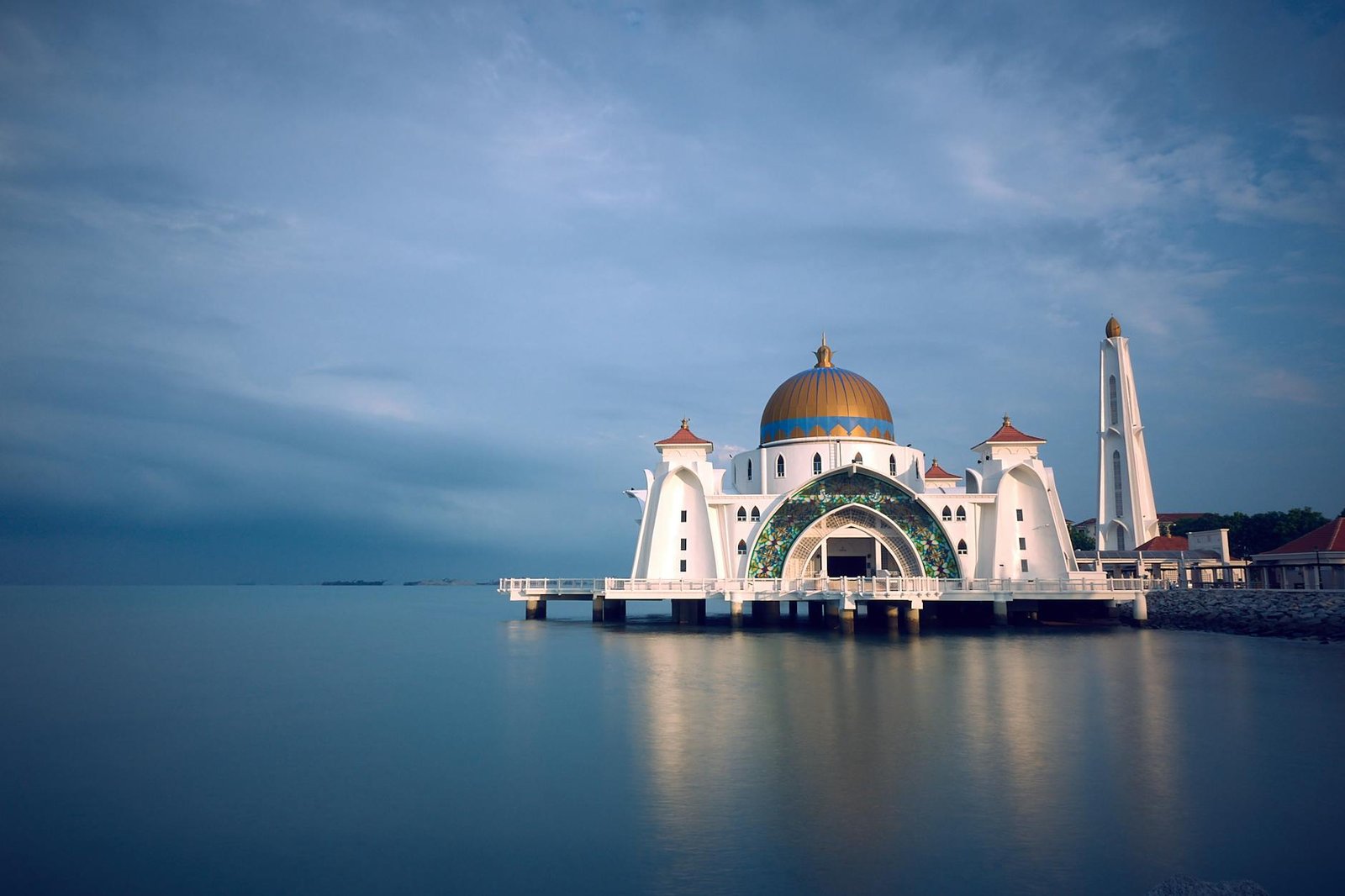
Straits Mosque (Masjid Selat Melaka)
Modern, photogenic floating mosque on the waterfront (completed 2006). Visually striking; non-Muslims can visit the exterior and courtyard. Allow 30 min. Go early morning (before 11:00) to avoid heat and crowds.
Book with the ship, or on your own?
Booking independently
- Often noticeably cheaper than the ship’s version of the same tour.
- Smaller groups and local operators, with traveler reviews you can read before you pay.
- Free cancellation on most tours, usually up to 24 hours before.
When the ship’s excursion makes sense
- Short port calls or long transfers where the timing is tight.
- Tender-only stops where getting ashore can run late.
- The ship waits for its own delayed excursions — it won’t wait for independent ones, so leave a buffer before all-aboard.
We may earn a commission when you book through our links, at no extra cost to you — it’s how we keep these guides free.
Port Overview
Malacca ships anchor offshore; tenders ferry passengers 15–30 minutes to the waterfront terminal. This UNESCO-listed Old Town is Malaysia's most historically layered port, with 500+ years of Portuguese, Dutch, and British colonial marks. The core appeal is street-level exploration—Jonker Street antique markets, heritage shop-houses, and cheap eats—not temples or museums. It's compact, walkable at a slow pace, and mercifully free of resort hype. However, the weather is hot and humid year-round, tendering can add 45 minutes to your port time, and there is no beach. For history and local culture lovers with 6+ hours, it's worth the effort; day-trippers with 4 hours should be selective.
Is It Safe?
Malacca's Old Town and main markets are safe and well-traveled by tourists. Petty theft (bag snatching, pickpocketing) is possible in crowded areas like Jonker Street; keep valuables hidden and bags zipped. Avoid wandering into residential alleys at dusk. The waterfront near the port is a mix of local activity and tourists—standard awareness applies. Police presence is visible in tourist zones. No major security concerns for daytime port visits; use common sense and avoid isolated spots after sunset.
Accessibility & Walkability
Old Town streets are narrow, uneven, and lined with steps; wheelchair access is very limited outside main roads. Taxis are the best option for those with mobility issues. Jonker Street has some level sections but many uneven patches. Modern facilities (ATMs, restaurants) are accessible, but historic shop-houses and temples are not. Heat and humidity can be challenging for those with respiratory or cardiac issues.
Outside the Terminal
You'll emerge from the tender into a modest waterfront terminal with basic facilities (toilets, water, a few small shops). The immediate surroundings are a mix of local port activity, hawker stalls, and a few tour operators. Walking distance (1–2 km north) is the Old Town's edge—colorful colonial buildings and shopfronts. The air is thick with heat and salt spray; bring sunscreen and water immediately. Taxis queue outside; ask your cruise line's map for Jonker Street or Old Town recommendations before you disembark.
Beaches Near the Port
Tanjung Bidara
The closest sandy beach to Malacca, ~30 km south. Brown sand, calm water, and a local vibe. Not pristine, but a beach alternative if you have 8+ hours ashore.
Local Food & Drink
Malacca's strength is affordable street food and hawker stalls, not restaurants. Jonker Street and Central Market (Pasar Sentral) offer laksa, chicken rice, satay, and local desserts for $2–4 USD per plate. Don't skip lunch here; it's authentic and cheap. For sit-down meals, search for local Chinese or Malay restaurants near Old Town; mains $5–10 USD. Avoid tourist-marked restaurants; they mark up 50%+ and serve mediocre versions of local dishes. Hygiene at hawker stalls is generally acceptable; eat where there's turnover and crowds.
Shopping
Jonker Street is the main draw: antique shops, wood carvings, souvenirs, and tacky tourist goods. Prices are low; haggle lightly in markets. Central Market (Pasar Sentral) has local crafts, textiles, and spices at wholesale rates. Avoid pricey heritage hotel gift shops. Most shops accept cash (MYR) or card. Hours vary but generally 09:00–18:00; some close for lunch 12:00–14:00.
Money & Currency
- Currency
- Malaysian Ringgit (MYR); 1 USD ≈ 4.5 MYR (check current rate)
- USD Accepted?
- No
- Card Payments
- Visa/Mastercard widely accepted in shops and restaurants; some hawker stalls cash-only.
- ATMs
- ATMs throughout Old Town and near the port terminal. Withdraw MYR upfront to avoid card fees.
- Tipping
- Not expected; round up or leave 5–10% at sit-down restaurants if service was good. Hawker stalls: no tip required.
- Notes
- Inform your bank of travel to avoid card blocks. Small cash is essential for hawkers and taxis.
Weather & Best Time
- Best months
- Jun–Aug (driest, but still hot).
- Avoid
- Nov–Mar (monsoon season; high rain and humidity).
- Temperature
- 28–32°C (82–90°F) year-round; humidity 70–85%.
- Notes
- Malacca is hot and humid always. Plan for midday heat; do market strolls early morning (08:00–11:00) or late afternoon (16:00–18:00). Bring sunscreen, a hat, and water. Rain is possible any month but heaviest Nov–Mar.
Airport Information
- Airport
- Kuala Lumpur International Airport (KLIA)
- Distance
- ~130 km; 2–2.5 hours by car or bus.
- Getting there
- Bus (express coaches $8–15 USD, 2.5 hours), taxi ($30–50 USD), or ride-app. Trains connect KL to Malacca (~2 hours, $5–10 USD).
- Notes
- Pre-cruise air arrivals typically go to KL, not Malacca. Use a bus or train to reach Malacca port; allow 4+ hours buffer. Post-cruise, reverse route; taxis from port to airport run $50–70 USD (negotiate in advance).
Getting Around from the Port
Tender to shore
Ships anchor offshore. Tenders run every 10–15 min to the main terminal. Total tender time: 15–30 min each way depending on sea state.
Taxi or ride-app
Readily available at the terminal. Grab, Uber, or local taxis. Go to Jonker Street (Old Town), Christ Church, or A' Famosa Fort.
Book a transfer 5% off with code TPO5 at checkoutWalking
Terminal to Old Town core is ~1–2 km; doable in 15–25 min but hot. Best to taxi one way and walk back if energy permits.
Trishaw (pedicab)
Tourist-oriented three-wheeled cycle-rickshaw. Scenic and slow but a fun experience for 30 min tours of Old Town.
Book a transfer 5% off with code TPO5 at checkoutDetails last checked April 2026
Check The Port Traffic
Cruise Ships in Port
Once you have your shore plan, use the schedule to see how busy the harbour will be on your date, plus the ships, lines, and published call windows.
Sun
Mon
Tue
Wed
Thu
Fri
Sat
1
2
3
4
5
6
7
8
9
10
11
12
13
14
15
16
17
18
19
20
21
22
23
24
25
26
27
28
29
30
31
Quiet (1–2)
Busy (3–4)
Packed (5+)
0 scheduled calls
August 29, 2026
No scheduled cruise ship calls were found for this date selection. Pick a highlighted day on the calendar above, widen the range, or search for a different ship or line.
Planning a cruise here?
Explora Journeys, Silversea Cruises, Atlas Ocean Voyages & more sail to Malacca.
Practical Tips for Cruise Passengers
- Tender logistics eat 45 min of port time (embark + disembark + queues). Plan accordingly; if you only have 6 hours ashore, real time is 5 hours.
- Jonker Street is the heart of Malacca; skip paid museum entries and focus on open-air exploration, food, and architecture—it's cheaper and more authentic.
- Arrive at the market or food courts early (before 11:00) to beat crowds and heat. Noon–14:00 is brutal for walking.
- Keep your phone fully charged; Grab and Uber work well here and beat waiting for taxis after peak tender disembarkations.
Frequently Asked Questions
Marginal. Tender time cuts your real ashore time to 3.5–4 hours. Focus on Jonker Street market and lunch; skip monuments. With 6+ hours you have breathing room.
Solo is fine. Old Town is compact, walkable, and signposted. A guide ($15–30 USD via Viator) adds context but isn't essential if you're comfortable reading plaques and asking locals.
Hawker stalls are generally safe; eat at busy spots with turnover. Malacca's food hygiene is reasonable by SEA standards. Use common sense—avoid pre-cooked food sitting in heat, and wash your hands before eating.
Find cruises to Malacca, Malaysia
Compare sailings and book with no fees — best price guaranteed.
We may earn a commission when you book through our links, at no extra cost to you — it’s how we keep these guides free.
✉ Sailing to Malacca? Get your port-day plan
Tell us your sail date and we’ll email you a short Malacca plan about 60 days out — when the good excursions start selling out — plus a final checklist 2 weeks before. Two emails, then done. We’ll send one note to confirm it’s really you — unsubscribe anytime.
Same itinerary network
View All


