
Asia
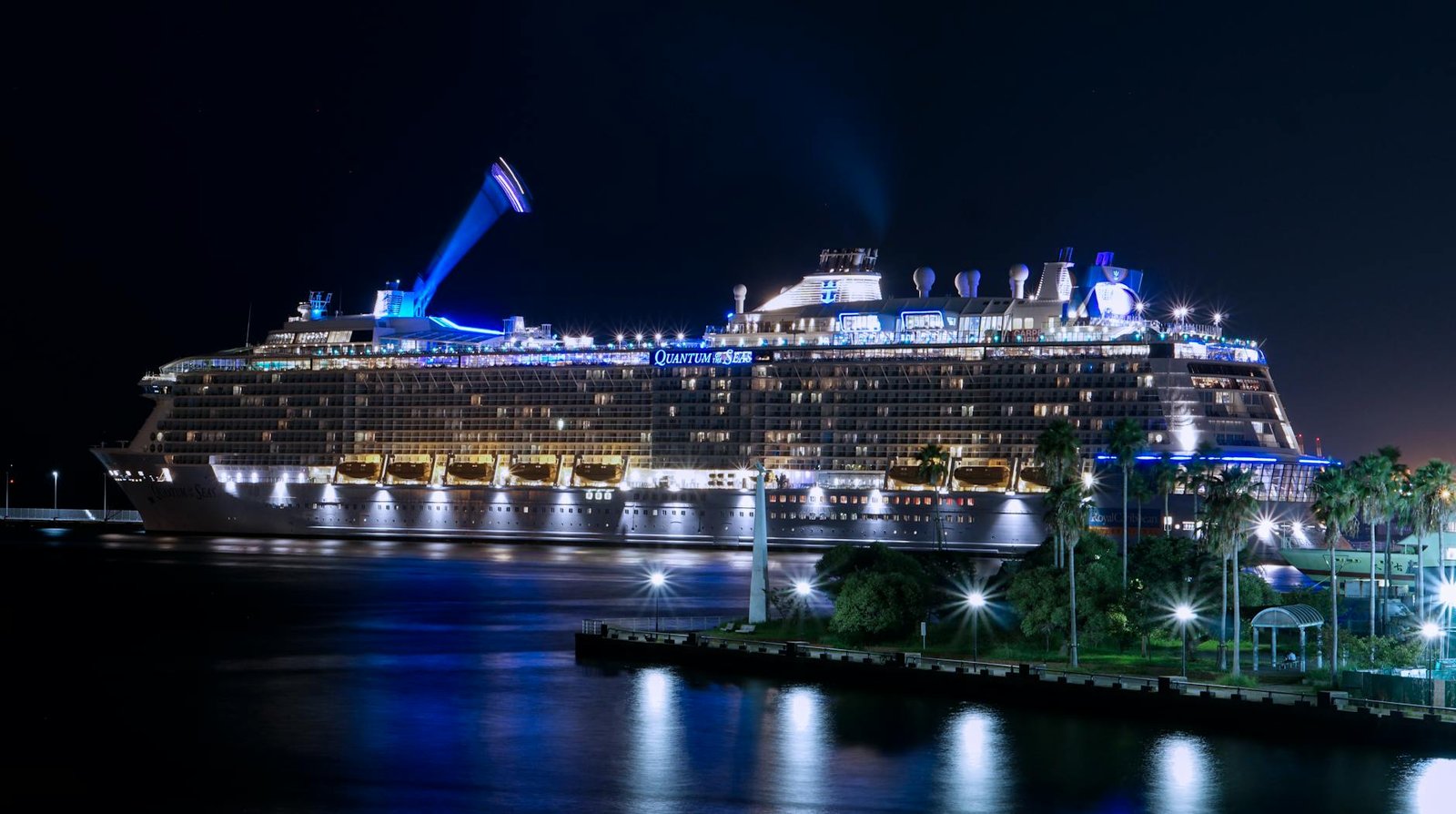
Ships dock at Ofunato Port with direct pier access to the terminal building.
Choose the Right Port Day
Best Overall
Tsunami Museum + seated seafood lunch. Realistic, meaningful, and fits a half-day; museum tells the 2011 recovery story, lunch captures local food culture.
Best Beach
Not relevant; Ofunato has harbor/rocky shoreline, not a beach destination.
With Kids
Tsunami Museum has exhibits kids find engaging; safer and more educational than open water. Pair with an ice cream stop on the main shopping street on return.
Only 3-4 Hours
Tsunami Museum (1.5 hours) + taxi back to port. Or skip museum, take taxi to local seafood lunch at port-area restaurants, eat, return.
Cheapest Option
Walk downtown (15 min), buy fresh seafood at supermarket or casual eatery ($5–12), explore free harbor promenade, return to ship.
What To Avoid
Avoid treating Ofunato as a quick turnaround port if you have only 6–7 hours ashore—too much dead time with taxis. Do not expect mainstream shopping or Western amenities; this is a working port, not a resort town.
Quick Take
- Port Type
- Small cultural & maritime port
- Best For
- History-minded cruisers, seafood enthusiasts, travelers interested in post-2011 recovery narratives.
- Avoid If
- You want beaches, nightlife, or extensive shopping; 3–4 hours is tight for two attractions.
- Walkability
- Downtown Ofunato is walkable (15–20 min from pier to main street), but attractions are spread across town.
- Budget Fit
- Budget-friendly; museums modest, seafood meals $8–18 USD.
- Good For Short Calls?
- Yes, but choose one main activity (museum or seafood lunch + quick walk).
Top Things To Do
1
International Tsunami Museum
Somber, well-curated museum dedicated to the 2011 tsunami and earthquake. Exhibits cover pre- and post-disaster recovery, indigenous tsunami history, and personal narratives. Audio guides in English available. Not a cheerful visit, but profoundly important and well-executed.
2
Local seafood lunch & harbor walk
Eat at a casual eatery (izakaya or seafood restaurant) in downtown Ofunato. Uni, abalone, grilled fish, and seasonal seafood are local specialties. Follow lunch with a walk along the waterfront promenade, which offers views of the bay and modern recovery-era architecture.
3
Ofunato harbor & pier stroll
If time is very short, walk the harbor area near the cruise pier. See fishing boats, modern port infrastructure, and the small waterfront shops. Free, meditative, requires no logistics.
Book with the ship, or on your own?
Booking independently
- Often noticeably cheaper than the ship’s version of the same tour.
- Smaller groups and local operators, with traveler reviews you can read before you pay.
- Free cancellation on most tours, usually up to 24 hours before.
When the ship’s excursion makes sense
- Short port calls or long transfers where the timing is tight.
- Tender-only stops where getting ashore can run late.
- The ship waits for its own delayed excursions — it won’t wait for independent ones, so leave a buffer before all-aboard.
We may earn a commission when you book through our links, at no extra cost to you — it’s how we keep these guides free.
Check The Port Traffic
Cruise Ships in Port
Once you have your shore plan, use the schedule to see how busy the harbour will be on your date, plus the ships, lines, and published call windows.
Sun
Mon
Tue
Wed
Thu
Fri
Sat
1
2
3
4
5
6
7
8
9
10
11
12
13
14
15
16
17
18
19
20
21
22
23
24
25
26
27
28
29
30
Quiet (1–2)
Busy (3–4)
Packed (5+)
0 scheduled calls
September 21, 2026
No scheduled cruise ship calls were found for this date selection. Pick a highlighted day on the calendar above, widen the range, or search for a different ship or line.
Port Overview
Ofunato is a small, working port on Japan's Sanriku coast in Iwate Prefecture, roughly 150 km northeast of Tokyo. Ships dock at a dedicated cruise pier; the town center is about 2 km away by car or a 15–20 minute walk uphill. Ofunato was devastated by the 2011 Tōhoku tsunami and earthquake; much of what you'll see reflects recovery and rebuilding over the past decade. The port's main draw is the International Tsunami Museum, a sobering and important cultural stop, paired with access to local seafood (uni, abalone, salmon). This is not a beach or resort port—it is a genuine working port with a specific, meaningful story.
Is It Safe?
Ofunato is very safe. Violent crime is virtually non-existent; petty theft is rare. The town is quiet and orderly. The only practical concern is getting lost (signage in English is minimal outside the pier area); download offline maps or take a screenshot of your destination's Japanese address. Police and coast guard presence is visible and helpful. The harbor area near the pier is well-lit and populated during daylight.
Accessibility & Walkability
Terrain is hilly; downtown slopes upward from the pier. The Tsunami Museum has an accessible entrance and elevator. Sidewalks are standard Japanese width (narrower than North American standards). Wheelchair users should opt for taxi transport rather than walking. Accessible restrooms are available at the museum and major shops. The pier itself is flat and accessible.
Outside the Terminal
Exiting the cruise terminal, you'll see a modern harbor facility with a small information booth (staff may speak limited English). The pier is clean and orderly. Beyond the immediate terminal, the view is industrial—fishing boats, cargo handling, water—rather than picturesque. The walking route uphill into town passes through light residential and small commercial areas. There is no immediate rush of vendors or tourist infrastructure; Ofunato is a working port, not a duty-free bazaar.
Local Food & Drink
Ofunato is a seafood destination. Local catches include uni (sea urchin), abalone, salmon, and grilled fish. Restaurants are casual izakayas or small noodle shops; English menus are rare, but pointing or showing pictures works. Expect meals to cost $8–18 USD per person. The harbor area has basic ramen and udon spots within walking distance of the pier. Convenience stores (FamilyMart, Lawson) sell sushi, onigiri, and drinks at low cost. Eat lunch before 2 p.m. or after 5:30 p.m.; many places close mid-afternoon. Vegetarian options are limited; fish-based broths and dashi are common.
Shopping
Shopping is minimal and practical rather than touristic. Downtown has a small shopping street with clothing, supermarkets, and a department store, but no major international brands. Fresh seafood and local snacks (dried abalone, sea urchin) are available at the fish market or supermarkets—good last-minute gifts. No duty-free zone or large outlet malls. This is not a shopping-focused port; plan accordingly.
Money & Currency
- Currency
- Japanese Yen (JPY)
- USD Accepted?
- No
- Card Payments
- Credit cards (Visa, Mastercard) accepted at larger shops and restaurants; small eateries and markets are cash-only.
- ATMs
- ATMs at convenience stores (FamilyMart, Lawson) near downtown; they accept foreign debit cards. Test before departure.
- Tipping
- Not customary. Rounding up or leaving coins is polite but not expected.
- Notes
- Exchange USD for yen at your home bank before arrival or at Haneda Airport if flying in. Street ATMs are reliable but may require a PIN; confirm with your bank before travel. The ship may offer a currency exchange desk, though rates are typically poor.
Weather & Best Time
- Best months
- May–June, September–October (mild, dry).
- Avoid
- December–February (cold, occasional snow); July–August (hot, humid, typhoon risk).
- Temperature
- Spring & fall cruises see 50–70°F (10–21°C); summer cruises 70–82°F (21–28°C).
- Notes
- Ofunato is on the Pacific coast; wind and rain are common. Bring a light waterproof jacket. Winter visits are rare on international cruises. Spring and autumn are ideal for comfort and port exploration.
Airport Information
- Airport
- Sendai International Airport (SDJ)
- Distance
- ~130 km (80 miles) south
- Getting there
- Bus (Sanriku Local Bus, ~2.5 hours, ~$20 USD) or rental car. No direct train. Most pre/post-cruise stays use Sendai, not Ofunato, as a base.
- Notes
- Ofunato is not an embarkation port for international cruises on major lines. Pre-cruise stays are better organized from Sendai or Tokyo. Use airport transfers only if you are exploring Japan's northeast on an extended trip.
Getting Around from the Port
Walking
Downhill walk from pier to downtown Ofunato takes 15–20 minutes. Streets are paved, but route is not flat.
Taxi
Taxis available at pier or called via hotel concierge. Limited English; use ship's WiFi to communicate destination or show Japanese address written down.
Book a transfer 5% off with code TPO5 at checkoutShip-organized excursion
Cruise lines (Windstar, Silversea, Viking, etc.) typically offer Tsunami Museum or local lunch tours.
Details last checked April 2026
Planning a cruise here?
Windstar Cruises, Silversea Cruises, Regent Seven Seas Cruises & more sail to Ofunato.
Practical Tips for Cruise Passengers
- Download offline Google Maps or Baidu Maps before arrival; English-language signage is limited, and connectivity on the pier may be slow.
- Cash is essential—have yen withdrawn before the port or use a convenience store ATM. Many local restaurants and shops do not accept cards.
- The Tsunami Museum is emotionally heavy; allocate time to process and consider whether it suits your mood on the day. It is the most important cultural stop, but not mandatory.
- If you speak no Japanese, write your destination's address in Japanese (ask your concierge or use Google Translate) and show it to taxi drivers or use screenshots rather than verbal descriptions.
Frequently Asked Questions
If you are interested in disaster history, authentic Japan, and seafood, yes—it is meaningful. If you want beaches, shopping, or nightlife, stay onboard. The Tsunami Museum alone justifies a half-day for most cultural cruisers.
Yes, 15–20 minutes uphill is feasible, but the return is tiring. Taxi is safer if time is tight or you are not comfortable with hills. Walking gives you the most authentic feel of the town.
Uni (sea urchin), abalone (awabi), and grilled salmon are local specialties. Order them at any casual izakaya downtown; they are fresh, affordable, and iconic to the region.
Find cruises to Ofunato, Japan
Compare sailings and book with no fees — best price guaranteed.
We may earn a commission when you book through our links, at no extra cost to you — it’s how we keep these guides free.
✉ Sailing to Ofunato? Get your port-day plan
Tell us your sail date and we’ll email you a short Ofunato plan about 60 days out — when the good excursions start selling out — plus a final checklist 2 weeks before. Two emails, then done. We’ll send one note to confirm it’s really you — unsubscribe anytime.
Asia
View All


