

South America
South America
Pisco Cruise Port Guide: Nazca Lines, Wine Tours & Getting Around
Peru
Ships anchor offshore; tenders required to reach town.
Choose the Right Port Day
Best Overall
Book the Nazca Lines flight through your cruise line before embarkation; it's the only reason most cruisers stop here, and independent booking from port is unreliable and often more expensive.
Book Nazca Lines Flight from $495Best Beach
Not relevant. Pisco is a desert coastal town; beaches are poor quality and far from port.
With Kids
Nazca Lines flight (ages 5+) via ship excursion; book early as flights fill fast and can be bumpy for younger children.
Only 3-4 Hours
Skip independent exploration. Catch the organized ship-sponsored Nazca Lines flight or skip ashore entirely; tender wait + short window makes independent plans risky.
Cheapest Option
Stay aboard or take tender to town and visit the Plaza de Armas and Pisco Museum (free–$3 USD); skip paid tours. Cost: ~$10–15 USD total.
What To Avoid
Do not rely on taxis to arrange flights on the spot—slot availability vanishes quickly and prices spike. Avoid the generic 'wine tour' sold by random operators; ship excursions are more trustworthy. Do not expect the port town itself to be charming or walkable.
Quick Take
- Port Type
- Remote gateway port with major inland excursions.
- Best For
- Cruisers wanting Nazca Lines flights or Ica wine region tours; explorers comfortable with organized shore excursions.
- Avoid If
- You dislike small-town infrastructure, have limited mobility, or want a walk-around port day.
- Walkability
- Poor. Town is spread out; taxis or organized tours are essential.
- Budget Fit
- Moderate to high. Flights and wine tours cost $150–350 USD per person.
- Good For Short Calls?
- Not ideal. Most worthwhile activities require 4–6 hours; tender time adds delay.
Top Things To Do
1
Paracas National Reserve Private Tour from Paracas or Pisco
The Paracas National Reserve consists of the Paracas Peninsula, coastal areas and tropical desert. It provides a sanctuary to 74 species of plants that grow in…
2h 30m
2
Hidden Gems of Pisco: Food Tour & Tuk-Tuk Adventure
Experience the authentic heart of Pisco on this immersive small group tour. Begin at the historical Main Square, the meeting point for all the locals. Next,…
2h
Our picks in Pisco
3
Nazca Lines Flight
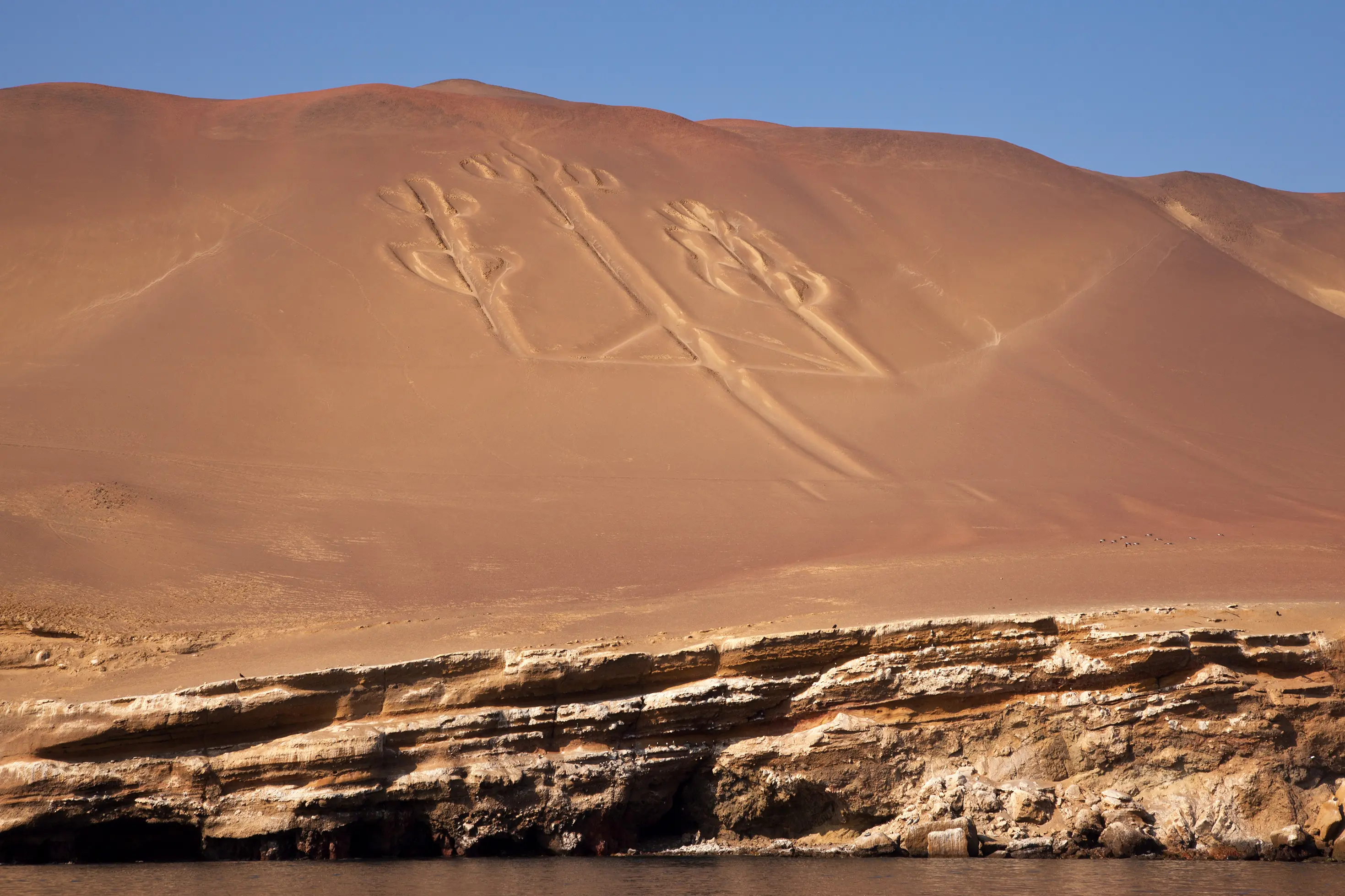
45–minute small-plane (Cessna or similar) flight over the Nazca geoglyphs—massive geometric and animal figures (monkey, hummingbird, dog, trapezoids) etched 1,500 years ago into the desert floor. Thrilling aerial views; window seats preferred. Can be bumpy; anti-nausea medication advised.
4
Ica Wine Valley Tour
Visit 1–2 boutique or established wineries (e.g., Bodega Tacama, El Catador) in the Ica Valley for tastings, barrel-room tours, and local food pairing. Landscape is arid; wineries range from rustic to modern. Usually includes a pisco tasting (local brandy). Full-day activity; better as multi-day or combined with Nazca flight.
5
Pisco Museum & Town Plaza
Small museum covering pre-Columbian history, Nazca culture, and local maritime heritage. Modest exhibits; 45 min–1 hour tour. Plaza de Armas is the town center with a church and market. Budget option; not a must-do but fills time for cost-conscious passengers.
Book with the ship, or on your own?
Booking independently
- Often noticeably cheaper than the ship’s version of the same tour.
- Smaller groups and local operators, with traveler reviews you can read before you pay.
- Free cancellation on most tours, usually up to 24 hours before.
When the ship’s excursion makes sense
- Short port calls or long transfers where the timing is tight.
- Tender-only stops where getting ashore can run late.
- The ship waits for its own delayed excursions — it won’t wait for independent ones, so leave a buffer before all-aboard.
Going independent? Compare tours in Pisco → — the best-reviewed ones sell out first.
We may earn a commission when you book through our links, at no extra cost to you — it’s how we keep these guides free.
Check The Port Traffic
Cruise Ships in Port
Once you have your shore plan, use the schedule to see how busy the harbour will be on your date, plus the ships, lines, and published call windows.
Sun
Mon
Tue
Wed
Thu
Fri
Sat
1
2
3
4
5
6
7
8
9
10
11
12
13
14
15
16
17
18
19
20
21
22
23
24
25
26
27
28
29
30
Quiet (1–2)
Busy (3–4)
Packed (5+)
0 scheduled calls
September 28, 2026
No scheduled cruise ship calls were found for this date selection. Pick a highlighted day on the calendar above, widen the range, or search for a different ship or line.
Port Overview
Pisco is a small, undistinguished coastal town in southern Peru, serving as the official cruise port for access to the Nazca Lines—geometric figures etched into the desert floor 40 km inland and dating to 500–500 BCE. Ships anchor offshore; tenders run 15–20 minutes to a basic dock. The town itself has little infrastructure and limited appeal; nearly all cruisers who go ashore do so specifically for a Nazca Lines flight, a 30–45 minute small-plane experience that is both thrilling and genuinely worth the cost and hassle. The secondary attraction is wine tours in the Ica Valley, 1–1.5 hours south, but these are less commonly booked and require a full shore day. Most realistic cruisers book the Nazca flight via their cruise line pre-departure and return to ship; a few pair it with a winery visit. Independent travel from Pisco is possible but slow and logistically frustrating given the small town and scattered attractions.
Is It Safe?
Pisco town itself is safe in daytime and well-trafficked by cruise tourists, but it is poor, underdeveloped, and offers little reason to linger alone. Petty theft is a risk in crowded areas; keep valuables secure and avoid displaying cash. The Nazca Lines flight is managed by established operators and is safe; aircraft are regularly inspected. Do not wander into isolated areas of town or attempt independent desert travel at night. Stick to organized excursions or stay in well-lit central areas near the dock. The surrounding region (Ica, wine valley) is safer and more welcoming than Pisco town itself.
Accessibility & Walkability
Pisco dock and town are not wheelchair-friendly. Tender transfer is challenging for passengers with limited mobility (steep boarding, potential motion). Town streets are uneven and poorly maintained; sidewalks are narrow. Nazca Lines flights involve narrow aircraft stairs and cramped seating—unsuitable for wheelchair users or those with severe mobility limitations. Ica wineries vary; some have accessible facilities, others do not. Pre-contact your cruise line or tour operator to confirm accessibility for any planned activity.
Outside the Terminal
The dock is basic concrete; a small terminal building provides minimal services. Immediately outside, you encounter a small plaza with a few taxis and tour operator touts. The town beyond is low-rise, dusty, and unremarkable—a working-class fishing and agricultural hub with no colonial charm or obvious tourist infrastructure. It is safe but uninviting. Most passengers either board a waiting tour coach or are met by a cruise line representative; few strike out independently. The first impression is decidedly unglamorous; this is a functional gateway, not a destination.
Beaches Near the Port
Pisco Bay beaches
Sandy beaches near town exist but are unappealing: polluted, rocky in places, cold Pacific water (60–65°F), and offer no facilities or tourist infrastructure. Not recommended.
Local Food & Drink
Pisco town offers basic Peruvian fare—ceviche, fish stews, rice dishes—in small, unglamorous restaurants clustered near the plaza and market. Food safety is generally acceptable in established venues, but standards are modest. Street food (empanadas, ceviche stands) is cheap ($2–4 USD) but carries higher hygiene risk for unaccustomed stomachs. Most cruise passengers eat lunch as part of an organized excursion (winery pairing, tour package) rather than independently. If dining solo, stick to restaurants recommended by your cruise line or ask locals at the dock. Wineries (Ica Valley) offer better-quality meals and pairings if you venture south.
Shopping
Pisco town has limited souvenir options—small markets sell generic Peruvian crafts, textiles, and tourist trinkets at low prices. A central market (Mercado Artesanal) near the plaza offers local goods but is small and not a dedicated tourist venue. Ica (south) has better quality artisan shops and ceramics (Ica is known for pottery). Do not expect upscale boutiques, galleries, or high-end goods. Shopping is not a reason to stop in Pisco; most cruisers skip it entirely in favor of activities or rest aboard ship.
Money & Currency
- Currency
- Peruvian Sol (PEN); 1 USD ≈ 3.5–3.8 PEN (check current rate).
- USD Accepted?
- Yes
- Card Payments
- Limited. ATMs and card readers exist in town (Banco de Crédito near plaza), but connectivity is unreliable. Bring cash.
- ATMs
- 1–2 ATMs near the plaza; withdrawals slow and not guaranteed to work. Pre-exchange USD at your ship or before arrival.
- Tipping
- 10% in restaurants common; not obligatory. Taxi drivers and tour guides appreciate small tips (10–20% or $1–2 USD).
- Notes
- Bring USD in small bills ($5, $10, $20); exchange rate is favorable but change often given in Sol. Credit cards work at major winery tours and ship excursions but not street vendors. Do not rely on ATMs.
Weather & Best Time
- Best months
- May–September (austral winter). Cooler, drier, clearer skies—ideal for Nazca flights (less wind, better visibility).
- Avoid
- December–February (hot, humid; occasional light rain); March (variable).
- Temperature
- May–September: 55–70°F daytime, 45–55°F evening. October–April: 70–85°F daytime, 60–70°F evening.
- Notes
- Desert climate: sun exposure is intense; bring sunscreen, hat, sunglasses. Winds can affect small-plane flights in winter months (June–July); calm conditions (May, September–October) preferable for Nazca. Expect cool evenings year-round in the wine valley.
Airport Information
- Airport
- Jorge Chávez International Airport (Lima, LIM); smaller Pisco airfield serves internal flights only.
- Distance
- ~200 km north (3–3.5 hours by car to Lima airport); internal Pisco airfield ~40 km inland (1 hour).
- Getting there
- Taxi/private car to Lima or Pisco airfield; arrange in advance via cruise line or Viator. No direct public transit from port.
- Notes
- Most cruisers do not transit through Pisco for embark/disembark; if pre- or post-cruise, arrange transport with cruise line. Nazca flights depart from small Pisco airfield, not Lima airport.
Getting Around from the Port
Tender from ship
Ships anchor and use tenders to ferry passengers to a basic dock in town. Expect 15–20 min ride and variable wait times.
Taxi
Taxis available at dock and town center; drivers speak limited English. Negotiate fare beforehand or use cruise line pre-booked transport.
Book a transfer 5% off with code TPO5 at checkoutOrganized shore excursion (cruise line)
Ship-sponsored Nazca Lines flights, wine tours, and combined packages. Transport, flight/tour, and guide included.
Private pre-arranged driver
Book via Viator or directly with local operators days in advance for custom itineraries.
Book a transfer 5% off with code TPO5 at checkoutDetails last checked April 2026
Planning a cruise here?
Seabourn, Holland America Line, Avalon Waterways & more sail to Pisco.
Practical Tips for Cruise Passengers
- Book the Nazca Lines flight through your cruise line before departure, not at the port. Availability is limited, and independent booking is unreliable and often pricier.
- Pack anti-nausea medication if prone to motion sickness; small-plane flights over Nazca can be bumpy, especially in afternoon winds.
- Bring USD cash in small denominations ($5–20 bills); the town is rural, ATMs are unreliable, and card payment is rare outside organized tours.
- Wear layers and bring sunscreen; desert sun is intense, but evenings are cool, and Nazca flights expose you to both bright sun and cold wind at altitude.
- If you have only 3–4 hours ashore, skip town exploration and book the Nazca flight only. The port town itself is not worth lingering in; the flight is the sole draw.
Frequently Asked Questions
Yes. Aircraft are regularly inspected and pilots experienced. The flight is bumpy and can trigger motion sickness, but accidents are rare. Small-plane operations are a standard Peruvian tourist activity for decades.
Use the cruise line if possible; it guarantees a slot, handles logistics, and has recourse if issues arise. Independent booking (Viator, local operators) works but offers less certainty, higher prices, and risk of no availability on your port day.
Safe during daytime in the central area near the dock and plaza, but the town is poor and uncharming. There's no reason to wander alone for hours. Stick to organized excursions or brief central visits (museum, plaza) and return to ship. Petty theft is a risk if you display valuables.
Find cruises to Pisco, Peru
Compare sailings and book with no fees — best price guaranteed.
We may earn a commission when you book through our links, at no extra cost to you — it’s how we keep these guides free.
✉ Sailing to Pisco? Get your port-day plan
Tell us your sail date and we’ll email you a short Pisco plan about 60 days out — when the good excursions start selling out — plus a final checklist 2 weeks before. Two emails, then done. We’ll send one note to confirm it’s really you — unsubscribe anytime.
Same itinerary network
View All
Ports Often Paired With Pisco
South America

South America

South America