

Mediterranean
Mediterranean
Gallipoli Cruise Port Guide: Things to Do, Beaches & Practical Tips
Italy
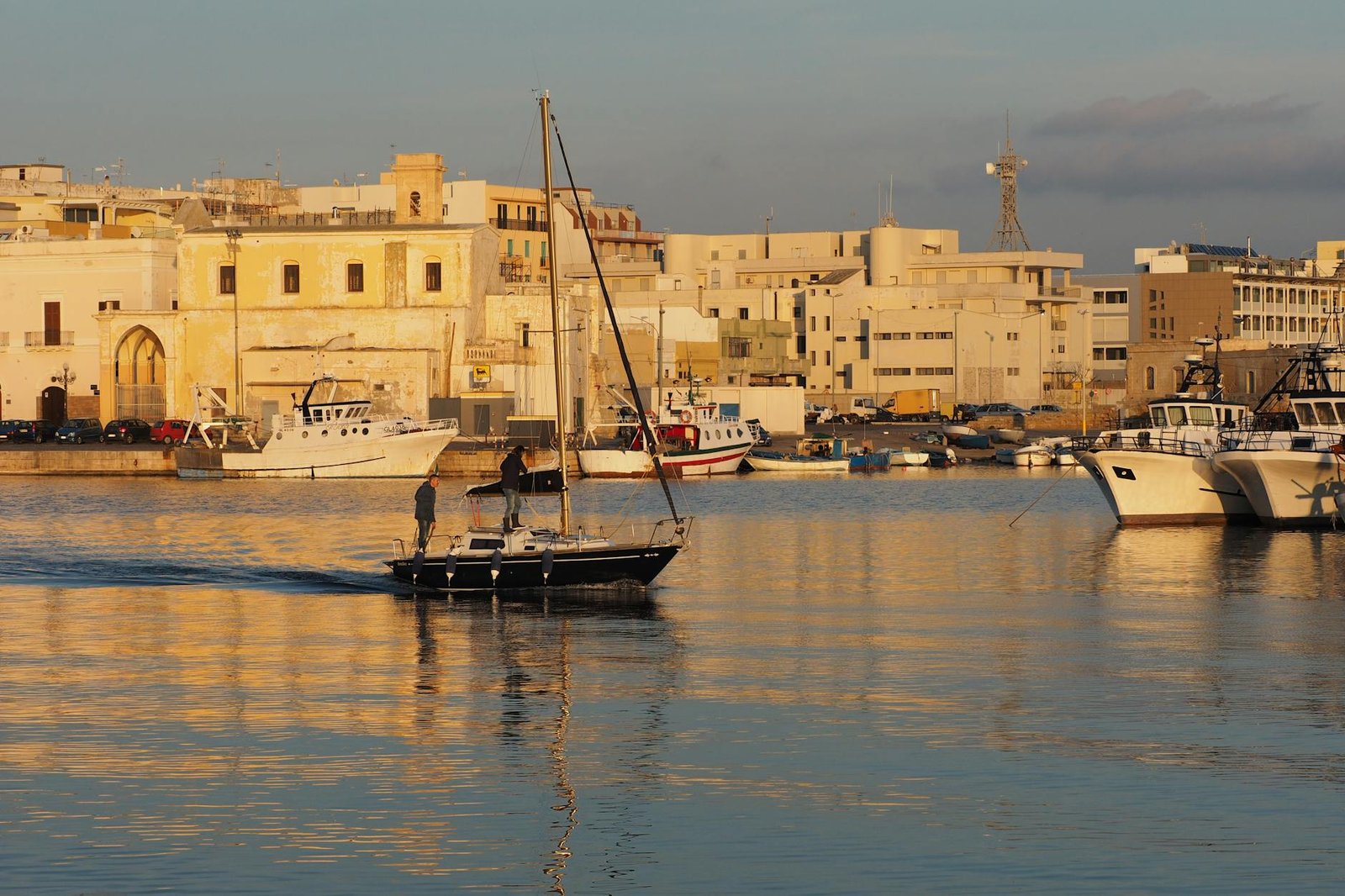
Ships typically anchor offshore with tender service to the main pier in the historic city center.
Choose the Right Port Day
Best Overall
Spend the morning in the walled old town — cathedral, sea walls, fish market if it's running — then take a taxi or bus to Punta della Suina for a relaxed afternoon swim before returning to port.
Best Beach
Baia Verde is the closest quality beach to the old town, about 2 km south; Punta della Suina is quieter and slightly further at around 4 km.
With Kids
The old town sea walls and the small harbor are easy for families; rent a pedalo or take a short local boat trip around the island — kids enjoy the clear water views without needing a full beach setup.
Book Boat Tour Around the Island on ViatorOnly 3-4 Hours
Walk straight to the old town island via the bridge, climb to the Cathedral of Sant'Agata, stroll the sea walls, grab a caffè or granita, then head to Baia Verde beach for an hour before returning.
Cheapest Option
Walk the entire old town island for free, visit the free-entry sea caves viewpoint, buy a fresh granita di caffè from a bar (~€2), and use local buses to reach a beach. Under €10 for the day if you pack lunch.
What To Avoid
Skip overpriced tourist restaurant menus right on the main waterfront promenade; walk one block inland for better value. Also avoid assuming the port is close to everything — confirm tender or shuttle logistics before planning a tight schedule.
Quick Take
- Port Type
- Historic Walled Island Town with Mediterranean Beaches
- Best For
- History lovers, beach seekers, Italian food enthusiasts, slow walkers who enjoy atmospheric old towns
- Avoid If
- You want a big-city day, major museums, or you struggle with cobblestones and uneven medieval streets
- Walkability
- High within the old town island; the causeway bridge connects it to the modern town in minutes on foot
- Budget Fit
- Very good — beaches, churches, and wandering the old town cost little; seafood lunches are reasonable by Italian standards
- Good For Short Calls?
- Yes — 3 to 4 hours is enough to see the old town and catch a nearby beach; a full day is better if combining both
Top Things To Do
1
Tour to 4 Towns of Salento: Otranto, Leuca, Gallipoli, Galatina
This tour will give you the opportunity to visit 4 of the most picturesque towns in Salento: Galatina, Otranto, Santa Maria di Leuca and Gallipoli. A…
8h
Our picks in Gallipoli
2
Walk the Old Town Sea Walls and Historic Core
Gallipoli's old town island is the main event. The sea walls offer open views over the Ionian, the baroque Cathedral of Sant'Agata dominates the skyline, and the maze of whitewashed lanes is genuinely photogenic. The fish market near the port (active early morning) is one of the best in southern Italy.
3
Beach Day at Baia Verde or Punta della Suina
The beaches south of Gallipoli are among the best in Puglia — fine white sand, shallow turquoise water, and pine-backed dunes. Baia Verde is the closest and most developed with beach clubs; Punta della Suina is slightly further and more scenic. Both are very achievable on a port day.
4
Day Trip to Lecce
Lecce is 35 km northeast and is often called the Florence of the South for its extraordinary baroque architecture. It's a full-day addition rather than a quick add-on, and it absolutely justifies the trip if you have 6+ hours ashore. Trains and buses run regularly from Gallipoli.
Show 2 more things to do in Gallipoli
5
Boat Tour Around the Island
Short boat excursions depart from Gallipoli harbor, circling the old town island and stopping at sea caves and snorkeling spots along the coast. A relaxed way to see the city from the water and access spots you can't reach on foot.
6
Seafood Lunch in the Old Town
Gallipoli is a working fishing port and the seafood here is genuinely good — raw sea urchin, grilled orata, and frittura di paranza (mixed fried fish) are staples. Avoid the most tourist-facing waterfront spots and walk one street back for better prices and more honest cooking.
Book with the ship, or on your own?
Booking independently
- Often noticeably cheaper than the ship’s version of the same tour.
- Smaller groups and local operators, with traveler reviews you can read before you pay.
- Free cancellation on most tours, usually up to 24 hours before.
When the ship’s excursion makes sense
- Short port calls or long transfers where the timing is tight.
- Tender-only stops where getting ashore can run late.
- The ship waits for its own delayed excursions — it won’t wait for independent ones, so leave a buffer before all-aboard.
Going independent? Compare tours in Gallipoli → — the best-reviewed ones sell out first.
We may earn a commission when you book through our links, at no extra cost to you — it’s how we keep these guides free.
Check The Port Traffic
Cruise Ships in Port
Once you have your shore plan, use the schedule to see how busy the harbour will be on your date, plus the ships, lines, and published call windows.
Sun
Mon
Tue
Wed
Thu
Fri
Sat
1
2
3
4
5
6
7
8
9
10
11
12
13
14
15
16
17
18
19
20
21
22
23
24
25
26
27
28
29
30
Quiet (1–2)
Busy (3–4)
Packed (5+)
0 scheduled calls
September 9, 2026
No scheduled cruise ship calls were found for this date selection. Pick a highlighted day on the calendar above, widen the range, or search for a different ship or line.
Port Overview
Gallipoli sits on the Ionian coast of Puglia in Italy's deep south, and it's a genuinely attractive port — not a heavily touristed one. The old town sits on a small island connected to the modern city by a 16th-century bridge, giving it the feel of a living, working Italian town rather than a polished tourist trap. Ships calling here are typically smaller or mid-size vessels; large cruise ships do not regularly call, so crowds are usually manageable.
The draw is twofold: a well-preserved baroque old town with sea walls, a cathedral, narrow lanes, and a working fish market, plus some of the clearest blue water and best beaches in southern Italy just a short ride away. This is Puglia at its most relaxed — unpretentious, local-feeling, and genuinely charming without trying hard.
Docking arrangements can vary. Some ships anchor offshore and tender passengers in; others use the commercial port area on the mainland side of the causeway. Confirm with your ship before planning your day, as tendering adds 15–25 minutes each way. Either way, the old town is easily within walking distance once ashore.
Is It Safe?
Gallipoli is a safe, low-crime town by any reasonable standard. Standard precautions apply — keep valuables out of sight on the beach and be aware of your bag in crowded lanes during peak summer. There are no meaningful safety concerns for cruise visitors.
The old town streets are narrow and can get slippery when wet. Watch your footing on polished cobblestones near the sea walls. Summer heat in Puglia is serious — temperatures regularly exceed 35°C (95°F) in July and August, so bring water and sunscreen if you're arriving in peak season.
Accessibility & Walkability
The old town island is not wheelchair-friendly in any practical sense. Cobblestone streets, stepped alleyways, and uneven surfaces make most of the historic area difficult to navigate with a wheelchair or mobility aid. The flat modern town and waterfront promenade on the mainland side are more accessible.
Beaches like Baia Verde have some facilities and flatter access points, but full accessibility varies by specific beach club. Travelers with significant mobility limitations will find the port best enjoyed from the waterfront promenade rather than deep into the old town.
Outside the Terminal
If docking at the commercial port, you'll step out into a fairly functional harbor area with the causeway bridge and old town island visible almost immediately across the water. It's not a scenic arrival point, but orientation is easy — the old town is obvious and close. If tendering, you'll likely come ashore closer to the causeway itself. Either way, there's no significant commercial strip or port-side hustle to push through; Gallipoli doesn't have aggressive tour vendors or tuk-tuk drivers at the gate.
Beaches Near the Port
Baia Verde
The closest quality beach to the old town, with clear water, soft sand, and plenty of beach club infrastructure. Busy in summer but manageable outside peak August. Both free and paid sections exist.
Punta della Suina
Pine forest meets a long sandy beach here, with exceptionally clear water. Slightly less developed than Baia Verde and worth the extra few minutes of travel. One of the genuinely beautiful beaches on this stretch of coast.
Lido San Giovanni
A closer urban beach on the north side of the causeway, good for a quick swim if you're short on time but won't blow you away scenically. Decent facilities and calm water.
Local Food & Drink
Gallipoli punches above its size for food. This is deep Puglia — expect fresh-caught seafood, locally pressed olive oil, orecchiette pasta, and excellent regional wine. The fish market in the early morning is worth seeing even if you don't buy anything. For eating, the old town has a range of restaurants from tourist-pitched to genuinely local; the further you walk from the main waterfront drag, the better the value.
Don't miss: raw sea urchin (ricci di mare) if it's in season and you're brave, granita di caffè con panna for breakfast, and a proper pasticiotto (a Salentine custard pastry) from any decent bar. Lunch is the main meal here — sit-down seafood lunch in the old town is the single best food experience available on a port day.
For budget eating, the covered market area and street-facing bars do panini, pizza al taglio, and snacks for well under €5. Don't feel pressured to sit down at a tourist menu restaurant if a quick bite is all you need.
Shopping
Shopping in Gallipoli is low-key and mostly authentic rather than heavily touristed. The old town has small shops selling local olive oil, Salentine ceramics, linen, and regional food products — these make good, compact gifts that actually represent the region. Papier-mâché crafts are more associated with Lecce, but you'll find some here too.
Avoid anything labeled 'souvenir' in the obvious tourist sense near the waterfront; the better local product shops are a few lanes inland. If you're after fashion or modern retail, the modern town has standard Italian high-street options but nothing exceptional.
Money & Currency
- Currency
- Euro (EUR)
- USD Accepted?
- No
- Card Payments
- Cards accepted at most restaurants and larger shops; some smaller bars and market vendors are cash only
- ATMs
- ATMs available in the modern town and near the old town bridge; bring some cash for beaches and small vendors
- Tipping
- Not expected as standard in Italy; rounding up or leaving small change is appreciated but never obligatory
- Notes
- Beach clubs may prefer cash. Carry €20-30 EUR in small bills for comfortable day spending.
Weather & Best Time
- Best months
- May, June, September, October — warm, sunny, and manageable without August's intense heat and crowds
- Avoid
- August is peak heat and peak crowds; not impossible but noticeably more intense
- Temperature
- 22-35°C (72-95°F) from May to October; July and August regularly exceed 35°C
- Notes
- The Ionian coast is one of the sunniest and driest in Italy. Wind can pick up on the sea walls. Pack sunscreen regardless of season.
Airport Information
- Airport
- Brindisi Airport (BDS) is the closest; Bari Karol Wojtyla Airport (BRI) is the main regional hub
- Distance
- Brindisi ~80 km; Bari ~150 km
- Getting there
- Taxi or private transfer; no direct airport bus to Gallipoli — typically requires a connection via Lecce by train then bus
- Notes
- For pre- or post-cruise stays, Brindisi is easier but Bari has more flight options. Build in extra transfer time; connections can be slow.
Getting Around from the Port
Walking
The old town island is compact and almost entirely walkable. From the port area, cross the bridge and you're into the historic center within minutes.
Local Bus (STP Lecce)
Local buses run from the modern town to nearby beaches including Baia Verde and Punta della Suina. Useful and cheap, but schedules can be infrequent.
Book bus ticketsTaxi
Taxis are available near the port and in the modern town. Good for reaching beaches or Lecce if you're not renting a car.
Book a transfer 5% off with code TPO5 at checkoutRental Car or Scooter
For independent travelers wanting to explore the Salento coast or drive to Lecce, rental options exist in the modern town.
Details last checked April 2026
Planning a cruise here?
Silversea Cruises, Windstar, Explora Journeys & more sail to Gallipoli.
Practical Tips for Cruise Passengers
- Confirm whether your ship is tendering or docking before planning your day — tendering adds 30-50 minutes round trip and limits how far you can realistically go.
- The fish market in the old town is most active in the very early morning; if your ship arrives early, it's worth seeing before it winds down.
- Wear proper walking shoes — Gallipoli's old town cobblestones are slippery, especially if any rain has fallen, and flip-flops are a bad idea for the sea walls.
- If you want to do both the old town and a beach, head to the old town first thing when it's cooler and less crowded, then move to the beach for midday and early afternoon.
- Buses to southern beaches are cheap but infrequent — check times before you commit to the plan, or budget for a taxi back if you miss the return bus.
- A granita di caffè con panna from any decent Gallipoli bar is one of the best €2 decisions you'll make on the trip — don't skip it.
Frequently Asked Questions
Yes, for most cruisers. The old town is genuinely attractive and the beaches are some of the best in southern Italy. It's not a world-class must-see, but it's an honest, pleasant Italian port day that beats staying aboard.
In most cases yes — the old town island is very close to the port area and reachable by a short walk across or along the causeway. Confirm your ship's docking location, as tendering passengers come ashore at a slightly different point.
No. Gallipoli in Italy is a Puglian coastal town with no connection to the WWI battlefields in Turkey. They share only a name — Greek in origin meaning 'beautiful city.'
Lecce is about 35 km away, roughly 30-35 minutes by train or bus. It's absolutely worth it if you have 6+ hours ashore — the baroque architecture is exceptional and unlike anything in Gallipoli itself.
Some sections are free public beach, but most of the best spots have beach clubs charging for sunbeds and umbrellas. Expect €10-20 EUR per person for a basic setup; free areas exist but may be less shaded and more crowded in peak season.
Find cruises to Gallipoli, Italy
Compare sailings and book with no fees — best price guaranteed.
We may earn a commission when you book through our links, at no extra cost to you — it’s how we keep these guides free.
✉ Sailing to Gallipoli? Get your port-day plan
Tell us your sail date and we’ll email you a short Gallipoli plan about 60 days out — when the good excursions start selling out — plus a final checklist 2 weeks before. Two emails, then done. We’ll send one note to confirm it’s really you — unsubscribe anytime.
Same itinerary network
View All
Ports Often Paired With Gallipoli
Mediterranean
Mediterranean

Mediterranean
