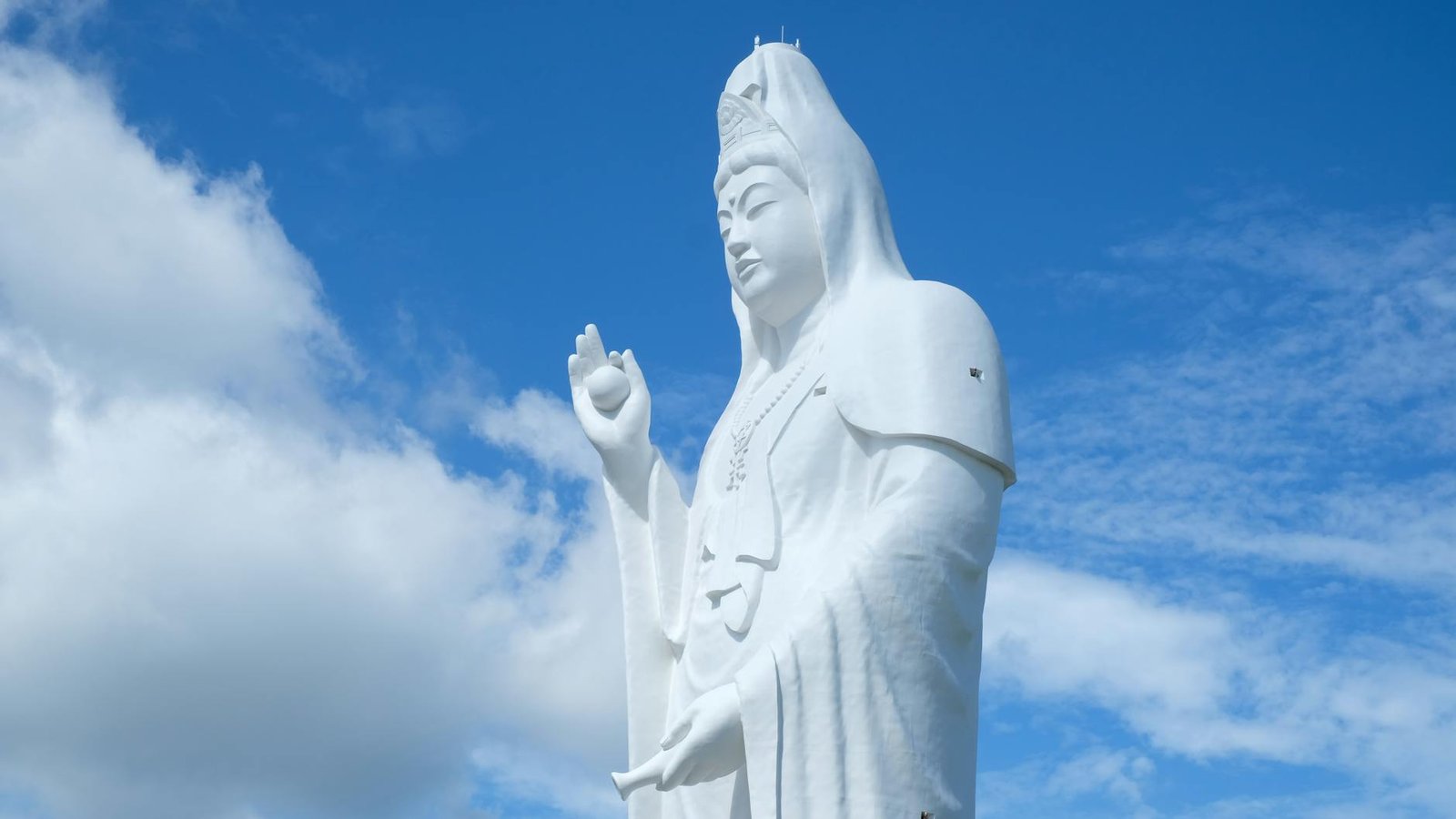
Tucked along Japan’s western coast on the Sea of Japan, Niigata is a port city that rewards the curious traveller willing to look beyond Tokyo’s well-worn trail. Known as the gateway to Japan’s legendary snow country, it combines maritime heritage, world-class rice and sake culture, and a coastline that glows with a quiet, steely beauty when viewed from the deck of an arriving ship.
Arriving by Ship
Pulling into Niigata by sea feels different from most Japanese port arrivals. The city doesn’t announce itself with dramatic skyline theatrics — instead it reveals itself gradually, low-slung and honest, framed by the flat agricultural plains of Niigata Prefecture and, on clear days, the distant white-capped peaks of the Echigo Mountains. The main cruise terminal sits at Niigata Port’s Higashi Ward, well-organised and straightforward to navigate. Taxis and shuttles connect you to the city centre in under 20 minutes, and English-language signage has improved considerably in recent years. The overall atmosphere onshore is calm, welcoming, and refreshingly unhurried — a world away from Japan’s busier southern ports.
Things to Do

Niigata’s history as a major trading port means there’s genuine depth to explore here. The Furumachi district, the old geisha quarter, is one of the most atmospheric walking neighbourhoods in western Japan — narrow lanes, traditional machiya townhouses, and a lingering sense that time moves at its own pace. History lovers should make time for the Northern Culture Museum in nearby Kōnan Ward, a stunning preserved merchant estate surrounded by exquisite gardens.
For a curated exploration of the port town’s layered past, the Historical Walking Tour of Niigata Port Town is an excellent way to spend your morning ashore. 🎟 Book: Historical Walking Tour of Niigata Port Town If you have a full day and want genuine local insight, consider booking the Niigata Full-Day Private Tour with a Government-Licensed Guide, which covers major landmarks and gives you the flexibility to ask questions at every stop. 🎟 Book: Niigata Full-Day Private Tour with Government-Licensed Guide
Adventure seekers should note that Niigata is the jumping-off point for Nagano’s extraordinary mountain landscapes. If your ship is in port during winter, a Nagano Snowshoe Hiking Tour makes for an unforgettable day out in pristine alpine terrain. 🎟 Book: Nagano Snowshoe Hiking Tour
Local Food
Niigata is, without exaggeration, one of Japan’s most important food regions. Its combination of heavy snowfall, pure mountain water, and fertile coastal plains produces what many Japanese consider the country’s finest short-grain rice — Koshihikari — and this rice forms the backbone of everything eaten here. Expect bowl after bowl of pearly, fragrant grains served alongside grilled fresh fish, pickled vegetables, and rich miso soups that carry the cold of winter in every spoonful.
Seafood from the Sea of Japan deserves its own conversation. Snow crab, yellowtail (buri), and the prized nodoguro (blackthroat seaperch) are local obsessions. The Japanese Seafood Culture & Local Market Walk gives you an immersive, guided introduction to where and how locals source these treasures. 🎟 Book: Niigata: Japanese Seafood Culture & Local Market Walk Don’t leave without sampling noppei-jiru, a hearty root vegetable stew that’s essentially edible comfort.
Shopping

Niigata’s shopping scene reflects its artisan identity. The city is celebrated for two crafts above all others: ironware and sake. You’ll find beautiful tsubame-sanjo metalwork — knives, cutlery, and kitchen tools — which make exceptional, practical souvenirs. Japanese knives purchased here will likely outlast any other souvenir you’ve ever bought.
The local sake culture deserves serious attention. Niigata Prefecture is home to over 90 sake breweries, producing some of Japan’s most refined and delicate ginjo and junmai styles. A Private Japanese Sake Tasting Lecture gives you a structured, knowledgeable introduction to what separates a Niigata sake from those produced elsewhere in Japan. 🎟 Book: Private Japanese Sake Tasting Lecture in Niigata Pick up a bottle or two of Koshi no Kanbai or Hakkaisan to enjoy back on board — you won’t regret the extra baggage weight.
Practical Tips
- Currency: Japan remains largely cash-based outside major cities. Bring yen ashore or withdraw from a 7-Eleven ATM, which reliably accepts international cards.
- Language: English is less widely spoken here than in Tokyo or Osaka. A translation app on your phone is genuinely useful.
- Transport: Taxis are metered and reliable. JR Niigata Station is accessible from the port and connects you to the Shinkansen network for day trips to Tokyo or Nagano.
- Weather: Summers (June–August) are warm and humid; autumn (September–October) brings brilliant foliage. Winter arrivals should dress for serious cold — Niigata receives some of the heaviest snowfall of any city in the world.
- Timing: Most attractions open by 9am. Ships typically dock early, so an efficient morning itinerary is achievable.
Cruises That Visit Niigata, Japan
Niigata sits on the Japan Sea Coast itineraries that have grown increasingly popular among cruise lines seeking alternatives to Japan’s well-trodden Pacific-side ports. Princess Cruises and Holland America Line both include Niigata on their longer Japan and Asia expedition-style voyages, typically positioning it as a port of call on itineraries that also visit Kanazawa, Maizuru, or Vladivostok. These sailings commonly depart from Yokohama, Osaka, or Shanghai and range from 10 to 21 days in length, targeting travellers who want a deeper, more nuanced picture of Japan beyond Kyoto and Tokyo.
Silversea Cruises and Seabourn have featured Niigata on their luxury expedition itineraries covering the Sea of Japan and the Russian Far East, often departing from Tokyo or Hong Kong. These voyages tend to be boutique in scale — fewer than 500 passengers — and attract culturally curious travellers who appreciate off-the-beaten-path ports. Oceania Cruises similarly includes Niigata on its longer Asia sailings, particularly those designed around food and cultural immersion, which suits the city perfectly given its extraordinary culinary credentials.
The best time of year to cruise into Niigata is late April through early June, when the surrounding countryside is a mosaic of green rice paddies and the weather is mild without the intensity of summer humidity. September and October are equally rewarding, as autumn colour creeps down from the Echigo Mountains and the harvest season brings the region’s food culture to its most vibrant peak. Winter sailings are rarer due to rougher Sea of Japan conditions, though a handful of operators include Niigata on winter Japan voyages, offering passengers the extraordinary spectacle of a snow-covered port city unlike anywhere else in Asia.
🚢 Cruises That Stop at Niigata Japan
Ready to book a cruise to Niigata Japan?
Compare itineraries, prices, and cabin types from all the major cruise lines — with a best price guarantee and no booking fees.
🔍 Search Cruises to Niigata Japan →
Affiliate link — we may earn a commission if you book, at no extra cost to you.
Niigata won’t overwhelm you with famous sights or tourist infrastructure — and that’s precisely its gift. This is Japan as the Japanese actually live it, a place where rice fields meet the sea, sake is taken seriously, and the warmth of a quieter, slower culture wraps around you the moment you step off the gangway.
🎟️ Things to Book in Advance
These highly-rated experiences fill up fast — book before you arrive to avoid missing out.


This page contains affiliate links. If you book through them, we may earn a small commission at no extra cost to you.
📍 Getting to Niigata Japan
Use the interactive map below to explore the port area and plan your route from the terminal.
Leave a Reply