
Northern Europe
Northern Europe
Helgoland Cruise Port Guide: Tender Tips, Things to Do & What to Expect
Germany
Ships anchor offshore; tenders transport passengers to the landing dock in the town center.
Choose the Right Port Day
Best Overall
Hike the coastal loop via Lange Anna and the upper plateau; scan for seabirds and seals. Most memorable Helgoland visit; no money required beyond tender.
Best Beach
Not a beach port. Rocky shoreline and pebble beaches exist but are cold North Sea; swimming is rarely comfortable.
With Kids
Short harbor walk, shop for souvenirs, visit the seal sanctuary info boards if present. Cliff paths require supervision; most kids 8+ manage the main loop.
Only 3-4 Hours
Take tender ashore (30–40 min round-trip total). Do the Lange Anna cliff walk (1.5 hours loop), grab a sandwich at a harborside café, tender back.
Cheapest Option
Skip tours entirely. Tender off (€5–8 USD typically included or minimal), walk the island's free trails, buy snacks locally (€3–8 USD), tender back.
What To Avoid
Overpriced 'exclusive' boat tours around the island; the walking loop is free and better. Shore excursion packages often poor value for hikers.
Quick Take
- Port Type
- Scenic Tender Port
- Best For
- Nature lovers, hikers, birdwatchers; scenic day visits only.
- Avoid If
- You dislike tenders, want shopping or nightlife, or have limited mobility.
- Walkability
- Island is small and walkable (roughly 1.5 km long), but steep terrain and coastal cliffs require decent fitness.
- Budget Fit
- Low-cost; mostly free hiking and birdwatching. Basic meals €10–20 USD.
- Good For Short Calls?
- Excellent; 3–4 hours ashore is realistic for a circular hike and island loop.
Top Things To Do
1
Lange Anna & Coastal Cliff Loop
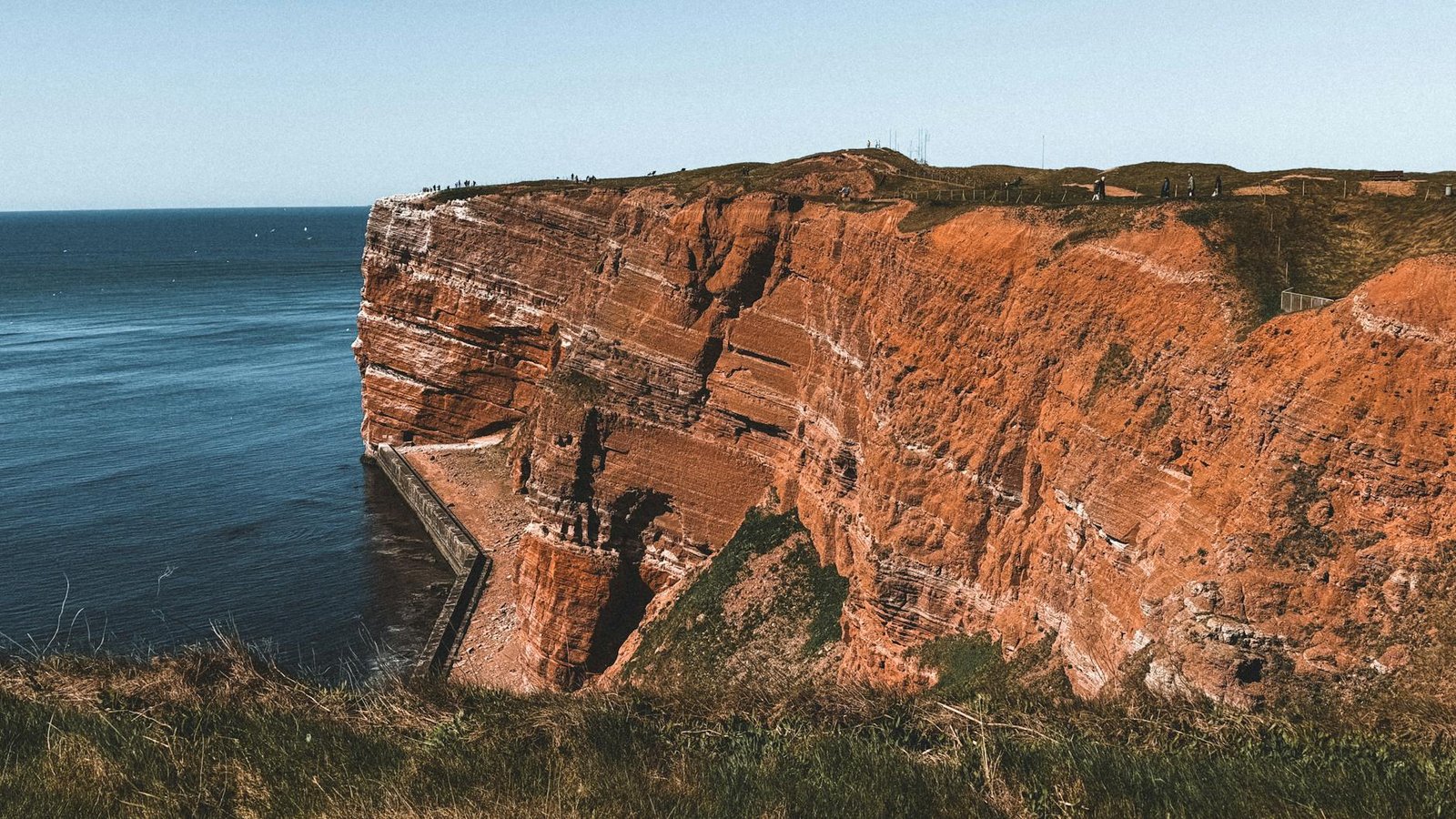
Walk the island's main circular route, passing the famous Lange Anna (a red sandstone sea stack) and the upper plateau. Scan for guillemots, razorbills, puffins (May–July), and occasionally seals on the rocks below.
2
Seabird & Seal Observation
Helgoland is a breeding ground for thousands of seabirds and a haul-out site for harbor and gray seals. Bring binoculars and a field guide. Peak seasons: May–Aug for birds, year-round for seals.
3
Grab a Coffee & Explore Harbor
If time is short or weather is poor, stay in the harbor area. Cafés serve coffee, snacks, and simple meals. A few small shops sell local crafts and stamps.
Book with the ship, or on your own?
Booking independently
- Often noticeably cheaper than the ship’s version of the same tour.
- Smaller groups and local operators, with traveler reviews you can read before you pay.
- Free cancellation on most tours, usually up to 24 hours before.
When the ship’s excursion makes sense
- Short port calls or long transfers where the timing is tight.
- Tender-only stops where getting ashore can run late.
- The ship waits for its own delayed excursions — it won’t wait for independent ones, so leave a buffer before all-aboard.
We may earn a commission when you book through our links, at no extra cost to you — it’s how we keep these guides free.
Check The Port Traffic
Cruise Ships in Port
Once you have your shore plan, use the schedule to see how busy the harbour will be on your date, plus the ships, lines, and published call windows.
Sun
Mon
Tue
Wed
Thu
Fri
Sat
1
2
3
4
5
6
7
8
9
10
11
12
13
14
15
16
17
18
19
20
21
22
23
24
25
26
27
28
29
30
31
Quiet (1–2)
Busy (3–4)
Packed (5+)
0 scheduled calls
October 9, 2026
No scheduled cruise ship calls were found for this date selection. Pick a highlighted day on the calendar above, widen the range, or search for a different ship or line.
Port Overview
Helgoland is a tiny German island (about 1 sq km) roughly 70 km northwest of the mainland, famed for dramatic red sandstone cliffs, seabird colonies, and seal populations. Ships anchor offshore; tenders ferry passengers to a small harbor on the lee side. The port has minimal infrastructure—a small café, a few shops, a harbormaster's office—and is genuinely a scenic stopover, not a city port. Most cruisers come for the walk, not for amenities. This is a nature-focused, short-call stop; plan accordingly.
Is It Safe?
Helgoland is very safe. Petty theft is rare; the island is quiet and well-policed. The main risks are environmental: sea cliffs are unstable (stay behind barriers), the sea can be cold and rough, and weather can change fast. Tender operations cease if swells exceed safety limits, stranding you ashore if you dawdle. No hospitals on the island; serious medical needs require coastguard evacuation to the mainland. Mobile coverage is adequate (German networks).
Accessibility & Walkability
The island is compact but hilly and involves uneven coastal terrain. Most of the main walking loop has loose gravel or grass surfaces and steep sections; wheelchair access is severely limited. The harbor area is flat and manageable for short walks, but the hiking loop is not accessible to those with limited mobility or balance issues. Persons with reduced mobility should plan for harbor-only exploration or skip the port.
Outside the Terminal
The pier is basic: a small concrete landing, a harbormaster's office, and a single café with basic snacks. A few gift shops sell postcards and local souvenirs. Within 5 minutes of disembarking, you're on gravel or grass paths; the island's interior starts immediately. No formal terminal building or queuing area—just simple logistics. The harbor feels functional and quiet, not touristy.
Beaches Near the Port
Rocky/Pebble Shoreline
Helgoland has no sandy beach. The coast is rocky or loose pebbles; the North Sea is cold (8–16°C depending on season). Swimming is rare and only for hardened swimmers.
Local Food & Drink
Helgoland's food scene is minimal and geared to quick stops. The harbor café serves simple fare: sandwiches, coffee, soup (€5–12 USD). No sit-down restaurants; most eating is standing or picnic-style. Bring snacks from your ship if you're picky. Fresh fish is available some days at the harbor stall. Expect basic German café food (sausage, bread, cheese, coffee), not refined cuisine. Most cruisers eat aboard ship before or after the visit.
Shopping
The few shops near the harbor sell postcards, local crafts, North Sea souvenirs, and German stamps (popular with philatelists). Prices are inflated; don't expect bargains. There is a small supermarket but it's not stocked for tourists. Shopping is not a reason to visit Helgoland; the real draw is nature.
Money & Currency
- Currency
- Euro (EUR)
- USD Accepted?
- No
- Card Payments
- Visa/Mastercard at main café and shops; cash is safer.
- ATMs
- One or two ATMs near harbor; don't rely on them. Withdraw cash from your ship or mainland.
- Tipping
- Not obligatory. Round up bills or add 5–10% for service if satisfied.
- Notes
- Bring cash from the ship; ATM access is unreliable. Card machines are present but may fail.
Weather & Best Time
- Best months
- May–September (coolest trade winds, longest daylight, seabirds active, warmest seas ~15–17°C).
- Avoid
- October–March (short days, high winds, cold seas, tenders often cancelled or delayed).
- Temperature
- April–October: 6–17°C (43–63°F). Bring a windproof layer and waterproof jacket always.
- Notes
- North Sea weather is unpredictable. Tenders may be suspended with little notice. Always carry rain gear and warm clothes even in summer.
Airport Information
- Airport
- Hamburg Airport (HAM) or Cuxhaven Aerodrome (CVH)
- Distance
- Hamburg ~130 km (80 miles); Cuxhaven ~50 km (30 miles) by sea.
- Getting there
- Most cruisers embark/disembark via Hamburg. Ferry or private boat to Helgoland from Cuxhaven (2–3 hours) or Hamburg (~5 hours). Not a typical gateway for fly-in cruises.
- Notes
- Helgoland is almost always a port of call mid-cruise, not an embarkation port. Pre-cruise stays are possible in Hamburg or Cuxhaven; arrange mainland accommodation separately.
Getting Around from the Port
Tender
Anchor tenders shuttle passengers from ship to small concrete pier in the harbor. Round-trip typically 30–50 minutes depending on sea state and queue.
On foot
The entire island is walkable. Circular hike via Lange Anna (the iconic sea stack) and upper plateau takes 60–90 min at leisurely pace.
Boat tours (optional)
Local operators offer seal-watching or island circumnavigation tours from the harbor.
Book ferry ticketsDetails last checked April 2026
Planning a cruise here?
TUI Cruises, Hapag-Lloyd Cruises, AIDA Cruises & more sail to Helgoland.
Practical Tips for Cruise Passengers
- Board tenders early to maximize ashore time. Seas can worsen by afternoon, risking tender suspension.
- Wear sturdy hiking boots with grip, a windproof jacket, and bring binoculars. The island is exposed; weather can deteriorate fast.
- Bring cash (EUR) from your ship. ATMs on the island are unreliable; card payment is patchy at small vendors.
- Do not dawdle on the cliffs or stray from marked paths. Erosion is active; barriers exist for safety. Respect all wildlife—stay back from nesting seabirds.
Frequently Asked Questions
Tenders operate in most conditions but cease if swells exceed ~2 m (6–7 ft) or sustained winds exceed ~35 knots. Cancellations are rare but possible; there's no alternative if you're stranded. Your cruise line will decide by mid-morning.
Yes, but only May–July and mainly at sunrise or dusk from the cliff edges. Binoculars are essential. Razorbills and guillemots are more common and visible all summer.
Yes. Deduct ~45 min for tender round-trip; you have ~2 h 15 min for the main cliff loop and a snack. Realistic and rewarding for most visitors.
Find cruises to Helgoland, Germany
Compare sailings and book with no fees — best price guaranteed.
We may earn a commission when you book through our links, at no extra cost to you — it’s how we keep these guides free.
✉ Sailing to Helgoland? Get your port-day plan
Tell us your sail date and we’ll email you a short Helgoland plan about 60 days out — when the good excursions start selling out — plus a final checklist 2 weeks before. Two emails, then done. We’ll send one note to confirm it’s really you — unsubscribe anytime.
Northern Europe
View All
More Northern Europe Ports

Northern Europe

Northern Europe

Northern Europe
