
Northern Europe
Northern Europe
Kiel Canal Cruise Port Guide: Things to Do, Canal Transits & Practical Tips
Germany
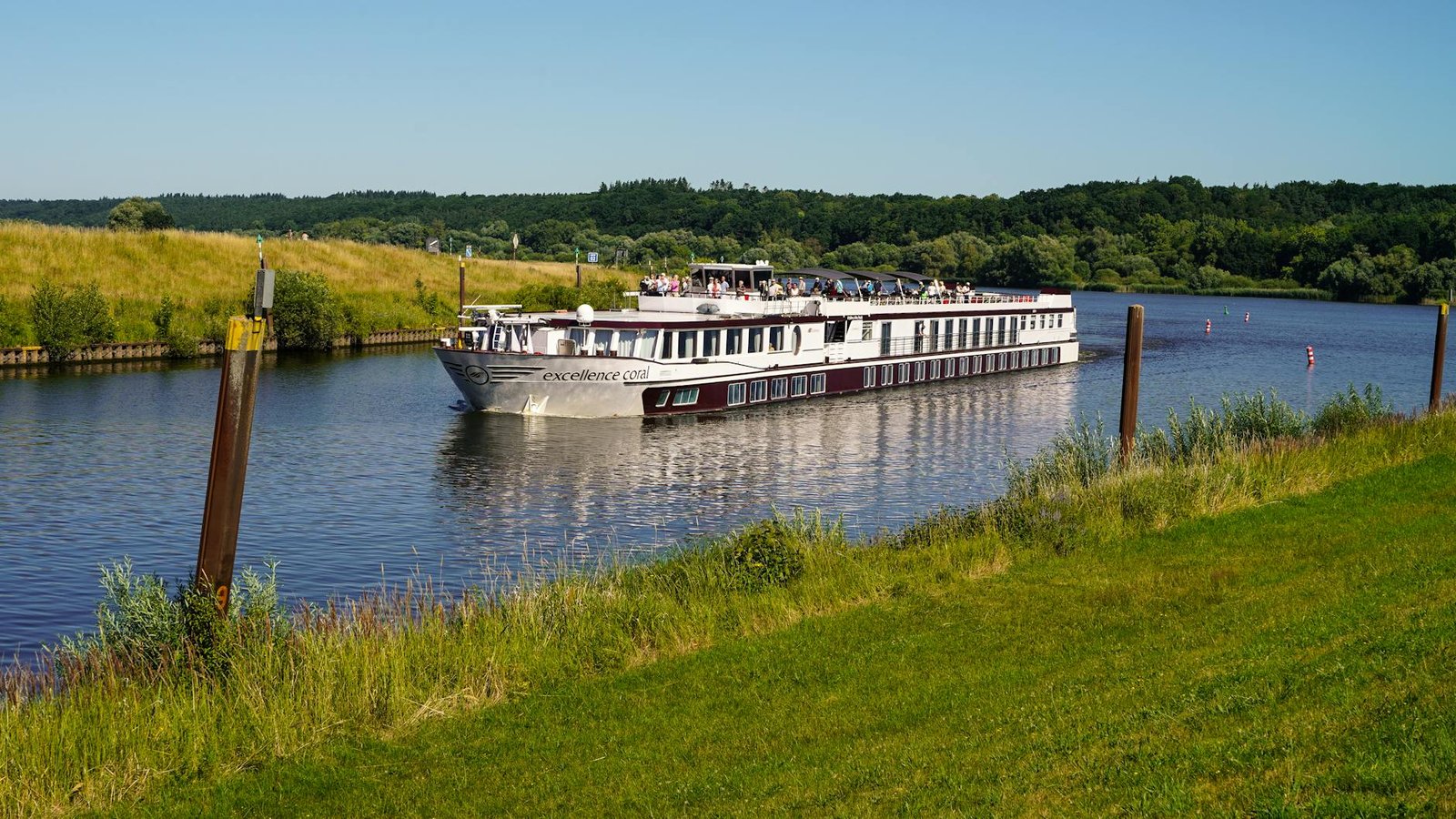
Canal transit; passengers stay on board.
Choose the Right Port Day
Best Overall
Spend the morning walking the waterfront, visit the Schifffahrtsmuseum (Kiel Maritime Museum), then take a taxi or bus to Holtenau to watch container ships and tankers squeeze through the canal locks — it is more impressive than it sounds.
Best Beach
Not relevant — Kiel is a fjord and canal city with no meaningful beach scene near the port.
With Kids
Head to the German Naval Memorial at Laboe (about 20 km north) — the outdoor submarine U-995 is climbable and genuinely impressive for children; combine with a short Kiel Fjord ferry crossing for extra novelty.
Only 3-4 Hours
Walk the Kiellinie promenade along the fjord to the Tirpitz waterfront, grab lunch at the Alter Markt, then watch ships transit the Holtenau locks — all reachable within a short taxi or bus ride and easily done in under four hours.
Cheapest Option
Walk the Kiellinie waterfront promenade and watch the Kiel Canal locks at Holtenau for free — ferry across the fjord costs just a few euros and adds a different vantage point.
What To Avoid
Do not waste time in the pedestrian shopping zone (Holstenstraße) — it is generic and indistinguishable from any German town centre. If your ship is itself transiting the Kiel Canal, watch from the deck rather than going ashore just for the canal view.
Quick Take
- Port Type
- Historic Naval & Canal Port
- Best For
- Maritime history fans, easy walkers, canal-watchers, and day-trippers into central Kiel
- Avoid If
- You want tropical beaches, resort vibes, or a packed itinerary of tourist attractions
- Walkability
- Moderate — the city centre and waterfront are walkable from the main pier, but some naval sites require a short taxi or bus ride
- Budget Fit
- Good — public transport is cheap, many waterfront and canal-watching activities cost nothing
- Good For Short Calls?
- Yes — Kiel works well in half a day; a full day only makes sense if you add Hamburg or go deep into naval history
Top Things To Do
1
Watch Ships Transit the Holtenau Canal Locks
The Kiel Canal handles more vessel transits annually than Suez or Panama. The Holtenau locks on the northern edge of Kiel are where ships enter and exit the canal — watching a 200-metre container ship squeeze through with metres to spare is genuinely dramatic. There is a public viewing area and a small museum nearby.
2
Kiel Maritime Museum (Schifffahrtsmuseum)
Housed in a converted fish hall on the city waterfront, this museum covers Kiel's seafaring and fishing history clearly and without overwhelming visitors. Compact enough to do in 90 minutes without fatigue. Outdoor exhibits include historical vessels moored alongside.
3
Laboe Naval Memorial and U-995 Submarine
About 20 km north of Kiel on the fjord entrance, the Laboe Memorial is a striking tower built to commemorate German naval war dead. The real draw is U-995, a preserved Type VIIC submarine you can walk through. It is cramped, claustrophobic, and fascinating. A worthwhile half-day excursion if naval history interests you.
Show 2 more things to do in Kiel Canal
4
Kiellinie Promenade Walk
A pleasant, flat waterfront promenade running along the western shore of the Kiel Fjord. Good views across the water, benches, and a relaxed pace. It connects the city centre to the Düsternbrook area and is used by locals as much as visitors — which is a decent sign. Best in good weather but walkable year-round.
5
Kiel Fjord Ferry Crossing
Taking the regular passenger ferry back and forth across the fjord is both a practical transport option and a genuinely pleasant short cruise in its own right. Good views of the city skyline, naval vessels, and passing traffic. Worth doing even if you do not need to cross for any specific reason.
Book with the ship, or on your own?
Booking independently
- Often noticeably cheaper than the ship’s version of the same tour.
- Smaller groups and local operators, with traveler reviews you can read before you pay.
- Free cancellation on most tours, usually up to 24 hours before.
When the ship’s excursion makes sense
- Short port calls or long transfers where the timing is tight.
- Tender-only stops where getting ashore can run late.
- The ship waits for its own delayed excursions — it won’t wait for independent ones, so leave a buffer before all-aboard.
We may earn a commission when you book through our links, at no extra cost to you — it’s how we keep these guides free.
Check The Port Traffic
Cruise Ships in Port
Once you have your shore plan, use the schedule to see how busy the harbour will be on your date, plus the ships, lines, and published call windows.
Sun
Mon
Tue
Wed
Thu
Fri
Sat
1
2
3
4
5
6
7
8
9
10
11
12
13
14
15
16
17
18
19
20
21
22
23
24
25
26
27
28
29
30
31
Quiet (1–2)
Busy (3–4)
Packed (5+)
0 scheduled calls
October 9, 2026
No scheduled cruise ship calls were found for this date selection. Pick a highlighted day on the calendar above, widen the range, or search for a different ship or line.
Port Overview
Kiel sits at the eastern end of the Kiel Canal — the busiest artificial waterway in the world — on a long natural fjord in northern Germany. Ships dock at the Ostuferhafen or Norwegenkai terminals, both on the eastern shore of the fjord, roughly 2–3 km from the city centre. A ferry shuttle connects the terminals to the main waterfront, making access straightforward without a car or expensive taxi.
This is not a glamour port. Kiel was heavily bombed in World War II and rebuilt in a fairly utilitarian style, so do not expect a preserved historic old town. What it does offer is a genuinely interesting maritime identity: naval history, canal engineering on a grand scale, a pleasant fjord promenade, and a relaxed northern German city that does not feel staged for cruise tourists.
Most cruisers visiting Kiel are either starting or ending a Baltic itinerary here, or transiting the Kiel Canal en route to or from the North Sea. If you are transiting, the deck of your ship is honestly the best seat in the house. If you are calling as a port day, budget half a day to see what matters and you will leave satisfied.
Is It Safe?
Kiel is a safe, well-functioning German city. Standard city-travel awareness is sufficient — keep an eye on belongings in crowded areas and on public transport, but there is no meaningful crime risk for cruise visitors. The port terminals and ferry areas are well-managed and clearly signed in English and German.
Accessibility & Walkability
The Kiellinie promenade and city centre are largely flat and paved, making them accessible for wheelchair users and those with limited mobility. The fjord ferry has some steps; check with the operator in advance if a wheelchair is in use. The U-995 submarine at Laboe is not accessible internally — it involves narrow hatches and ladders. Taxis are the most practical option for visitors avoiding public transport steps.
Outside the Terminal
The terminal area itself is functional rather than charming — container port infrastructure, parking, and not much else. The fjord ferry stop is clearly signed and within a short walk of the gangway. Within ten minutes of boarding the ferry you will be crossing open water with good fjord views, which immediately improves the experience. Do not expect a welcoming parade of cafes and souvenir shops at the pier.
Local Food & Drink
Kiel is a seafood city — fresh fish from the Baltic and North Sea is the thing to eat here. The fish market stalls around the waterfront and Alter Markt sell fish rolls (Fischbrötchen) for around $4-7 USD and are a genuine local staple, not a tourist construct. For a sit-down meal, the restaurants along the Kiellinie and around the old market square offer solid northern German cooking: herring, smoked fish, hearty soups, and pork dishes. Prices are reasonable by northern European standards.
Avoid eating in the immediate vicinity of the cruise terminal — there is nothing there worth stopping for. Cross the fjord first and eat in the city proper.
Shopping
Kiel's main shopping street (Holstenstraße) is a standard German pedestrian zone — chain stores, pharmacies, and nothing you could not find in a dozen other cities. It is not a reason to come ashore. If you want to take something home, the fish market is the honest local choice: smoked fish, pickled herring products, and regional specialities. A small number of independent shops near the old market offer Baltic amber jewellery and local craft items.
Money & Currency
- Currency
- Euro (EUR)
- USD Accepted?
- No
- Card Payments
- Very good — contactless and card payment accepted at most restaurants, shops, and museums. Some market stalls and small vendors prefer cash.
- ATMs
- ATMs available in the city centre and near the main ferry landing. None at the terminal itself.
- Tipping
- Rounding up the bill or leaving 5-10% is standard in Germany. Not compulsory but appreciated.
- Notes
- Carry a small amount of euros in cash for market stalls, ferry tickets, and bus fares to avoid any issues.
Weather & Best Time
- Best months
- June to August — long daylight hours, warmest temperatures, best conditions for the promenade and outdoor activities
- Avoid
- November to February — cold, frequently wet, short daylight hours; most outdoor appeal disappears
- Temperature
- 12-22°C (54-72°F) in summer months
- Notes
- Northern Germany weather is changeable at any time of year. Bring a layer and a light waterproof even in summer. Kiel Week (Kieler Woche) in late June brings massive sailing events and crowds — impressive but plan accordingly.
Airport Information
- Airport
- Hamburg Airport (HAM) is the most practical international airport for Kiel; Kiel itself has no commercial airport.
- Distance
- Approximately 100 km southwest of Kiel
- Getting there
- Direct train from Kiel Hauptbahnhof to Hamburg Hauptbahnhof (around 1h15m), then S-Bahn to Hamburg Airport. Alternatively, Hamburg Hauptbahnhof is 15 minutes from the airport by rail.
- Notes
- Allow at least 3-3.5 hours total travel time from the Kiel pier to Hamburg Airport including transfers and check-in buffer. If embarking in Kiel, consider arriving in Hamburg the night before to reduce risk.
Getting Around from the Port
Fjord Ferry
Passenger ferries cross the Kiel Fjord between the eastern terminals and the main city-side waterfront (Bahnhofsbrücke). Fast, scenic, and easy to navigate.
Book ferry ticketsBus
Kiel's public bus network (KVG) reaches most key sites including the city centre and Holtenau locks. Bus stops are close to the ferry landing.
Book bus ticketsTaxi / Rideshare
Taxis are available at the terminal. Useful for reaching Laboe Naval Memorial or Holtenau quickly without waiting for buses.
Check Uber fareWalking
Once across the fjord by ferry, the city centre, Kiellinie promenade, and Maritime Museum are all walkable on flat terrain.
Details last checked April 2026
Planning a cruise here?
Seabourn, Atlas Ocean Voyages, Oceania Cruises sail to Kiel Canal.
Practical Tips for Cruise Passengers
- If your ship is transiting the Kiel Canal, stake out a deck position before entering — the canal scenery and lock transits are among the best free entertainments on a Baltic cruise.
- Kiel Week (Kieler Woche) in the last week of June is one of the world's largest sailing events — the fjord is spectacular but the city is genuinely crowded, so plan transport accordingly.
- The fjord ferry is almost always the fastest and most pleasant way to cross from the eastern terminals to the city — do not bother with taxis for the initial crossing.
- Fischbrötchen (fish rolls) from a market stall are the single best quick meal in Kiel — herring, shrimp, or smoked fish on a fresh roll for a few euros.
- If you plan to visit Laboe Naval Memorial, budget at least half your port day and arrange a taxi or ship excursion in advance — public buses require changes and eat into limited time.
- Most Kiel attractions are fully manageable without a pre-booked excursion — independent travel here is easy and significantly cheaper than ship-organised tours.
Frequently Asked Questions
It is worth a half day ashore, especially for the canal locks, the Maritime Museum, and a fish roll lunch by the waterfront. A full day only makes sense if you have a specific interest in naval history or are heading further afield to Hamburg.
Technically yes — trains run in about 1h15m — but a round trip eats up 3-4 hours of travel alone, leaving limited time in Hamburg. Only worthwhile if your port day is long and you have seen Kiel before.
The Kiel Canal (Nord-Ostsee-Kanal) connects the Baltic Sea to the North Sea and is the world's busiest artificial waterway. The best place to watch ships transit is at the Holtenau locks, about 6 km from the city centre — not visible directly from the main cruise pier.
Yes, especially in tourist-facing settings like restaurants, museums, and transport. You will have no difficulty navigating Kiel as an English speaker, though some older locals may default to German.
Kiel Week (Kieler Woche) runs in the last week of June and is one of Europe's largest sailing events, drawing hundreds of thousands of visitors. The fjord is spectacular during this period, but expect significant crowds, higher prices, and busier transport.
Find cruises to Kiel Canal, Germany
Compare sailings and book with no fees — best price guaranteed.
We may earn a commission when you book through our links, at no extra cost to you — it’s how we keep these guides free.
✉ Sailing to Kiel Canal? Get your port-day plan
Tell us your sail date and we’ll email you a short Kiel Canal plan about 60 days out — when the good excursions start selling out — plus a final checklist 2 weeks before. Two emails, then done. We’ll send one note to confirm it’s really you — unsubscribe anytime.
Same itinerary network
View All
Ports Often Paired With Kiel Canal

Northern Europe
Northern Europe

Northern Europe
