
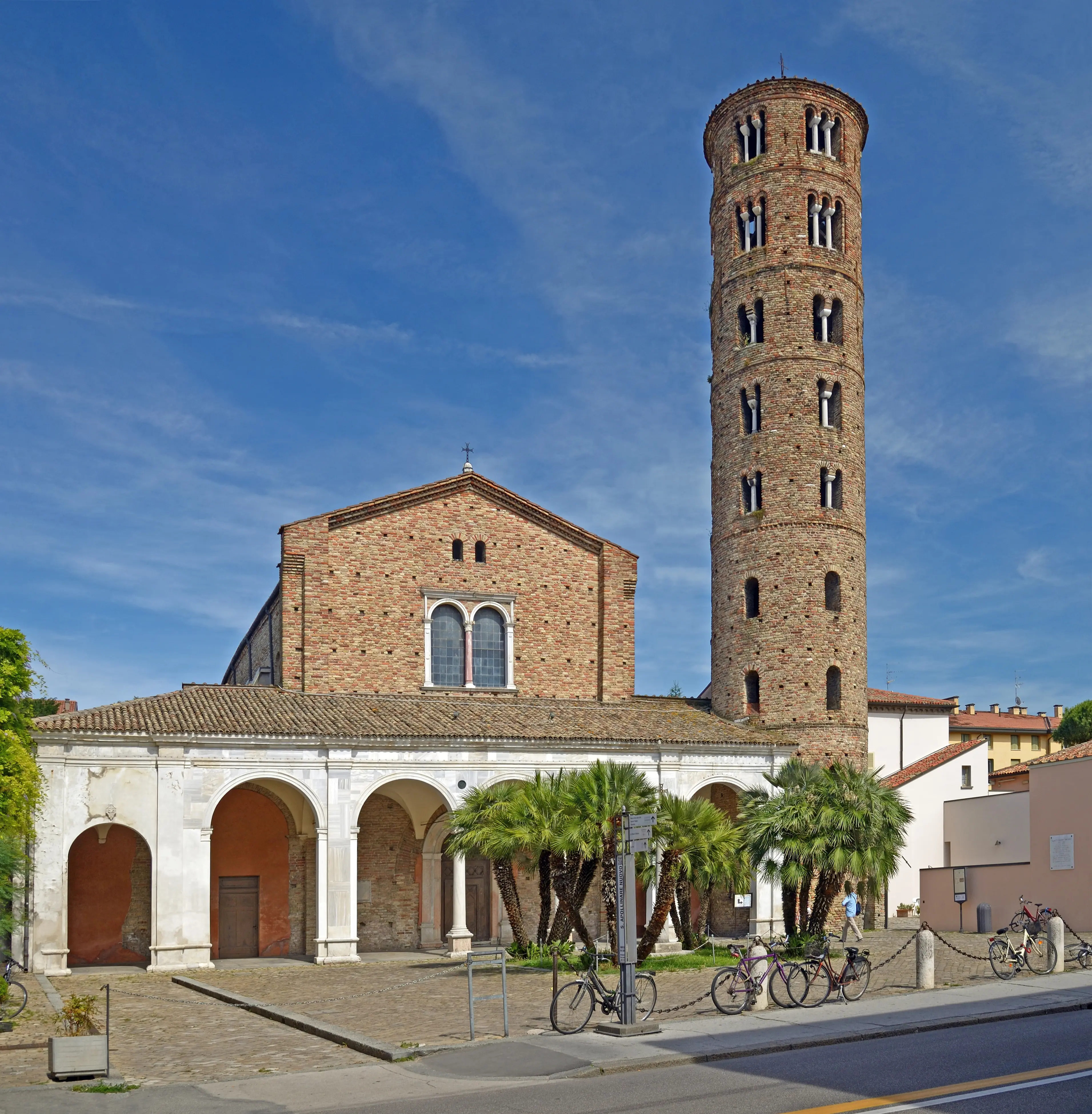


Mediterranean
Cruise Embarkation Port
Ravenna Cruise Port Guide: Embarkation, Getting There & Pre-Cruise Tips
Italy
Modern cruise terminal with direct access to the city center.
Pre-Cruise Quick Take
| Best arrival plan | Fly in at least one day before sailing and sleep in Ravenna or Bologna; same-day arrivals are asking for unnecessary stress. |
| Main airport | Bologna Guglielmo Marconi Airport |
| Best hotel area | Ravenna old town is the best all-around pre-cruise base because it is pleasant, compact, and practical for dinner and a short walk before boarding. Bologna near the central station or airport is the better choice if your flights are earlier, cheaper, or simpler there. |
| Terminal type | Pier |
| Port to city centre | About 12 km to Ravenna city centre by taxi or transfer |
| Best time to cruise | April - June, September - October |
| Cruise lines | Royal Caribbean International, Silversea Cruises, Windstar, Celebrity Cruises, Oceania Cruises, Explora Journeys, Princess Cruises, Crystal Cruises, Regent Seven Seas Cruises, Azamara, CroisiEurope, Hapag-Lloyd Cruises, SeaDream Yacht Club, Virgin Voyages |
Where to Stay Before Your Cruise
Same-day flights are one of the most common ways cruise trips go wrong. A delay or missed connection can leave you watching the ship sail without you. Arriving the night before removes that risk entirely.
Ravenna old town is the best all-around pre-cruise base because it is pleasant, compact, and practical for dinner and a short walk before boarding. Bologna near the central station or airport is the better choice if your flights are earlier, cheaper, or simpler there.
Pre-cruise hotel finder
Compare stays in Ravenna
Priced for one night, checking out the morning your ship sails. Open the map to see how close each hotel is to the terminal.
Next sailing 23 Oct — showing the night of 22 Oct
Want to see how far each one is from the ship? View hotels on a map
We may earn a commission when you book through our links, at no extra cost to you — it’s how we keep these guides free.
Getting from the Airport to the Port
Ravenna is served by Bologna Guglielmo Marconi Airport. Here are your transfer options with typical costs and travel times:
-
Taxi
~20-30 min from Ravenna center; much longer from Bologna airportBest for direct airport-to-hotel or Ravenna-to-terminal transfers, especially with luggage.
Book a transfer 5% off with code TPO5 at checkout -
Shuttle
depends on originCruise-line and private shuttles are common and often the easiest no-thinking option on embarkation day.
Book a transfer 5% off with code TPO5 at checkout -
Train
~1 hr Bologna to Ravenna stationUseful from Bologna to Ravenna city, but not a terminal-to-door solution because the port is not at the station.
Book train tickets
Details last checked May 2026
Ravenna Cruise Terminal
Ravenna cruise departures generally use the Porto Corsini area rather than central Ravenna. Expect a functional pier setup with baggage drop, check-in processing, and controlled access, but not much of interest immediately outside the gate. Signage is usually straightforward on embarkation days, though transport queues can build.
Modern cruise terminal with direct access to the city center.
Details last checked May 2026
Cruises from Ravenna
Celebrity Cruises
10 Nights Western Mediterranean Cruise
Next: Oct 2026
Royal Caribbean International
7 Nights Western Mediterranean Cruise
Next: Oct 2026
Royal Caribbean International
7 Nights Western Mediterranean Cruise
Next: Oct 2026
Royal Caribbean International
7 Nights Eastern Mediterranean Cruise
Next: May 2027
Royal Caribbean International
7 Nights Western Mediterranean Cruise
Next: May 2027
Royal Caribbean International
7 Nights Eastern Mediterranean Cruise
Next: May 2027
Royal Caribbean International
7 Nights Eastern Mediterranean Cruise
Next: Jun 2027
Celebrity Cruises
11 Nights Western Mediterranean Cruise
Next: Jun 2027
Ravenna is an off-the-beaten-path Mediterranean gem famous for UNESCO-listed Byzantine mosaics, compact and walkable for cruise passengers with limited port time.
Compare sailings and book with no fees — best price guaranteed.
We may earn a commission when you book through our links, at no extra cost to you — it’s how we keep these guides free.
Check The Port Traffic
See Which Ships Are in Port
If you are sailing from here, use the schedule to gauge how busy the terminal area may feel on your date, plus the ships, lines, and published call windows.
Sun
Mon
Tue
Wed
Thu
Fri
Sat
1
2
3
4
5
6
7
8
9
10
11
12
13
14
15
16
17
1 ship
18
19
1 ship
20
21
22
23
1 ship
24
1 ship
25
26
1 ship
27
28
29
30
31
Quiet (1–2)
Busy (3–4)
Packed (5+)
0 scheduled calls
October 21, 2026
No scheduled cruise ship calls were found for this date selection. Pick a highlighted day on the calendar above, widen the range, or search for a different ship or line.
Things to Do Before or After Your Cruise
Have a few hours before embarkation or time after disembarkation? These activities work well when you don't need to rush back aboard.
1
Guided Tour of Mosaic Tiles in Ravenna
The eternal beauty of the mosaics of some of the most famous Unesco monuments of Ravenna, in a tour that starting from Piazza San Francesco, will…
2hFree cancellation
2
Private Tour in Siena, San Gimignano and Chianti Day Trip from Florence
*Experience for your private party* Explore the art, culture and medieval history of Italy on this private 8 hrs tour. Discover the delights of Tuscany on…
8hFree cancellation
Our picks for your time ashore
3
Ravenna old town walk
The best use of limited time. The center is compact, easy to explore on foot, and gives you a much better pre-cruise experience than hanging around port logistics zones.
4
See Ravenna’s mosaic churches and monuments
Ravenna’s mosaics are the real reason to spend time here. Pick one or two major sites instead of trying to cram them all in before boarding.
5
Easy dinner and overnight in Ravenna center
For embarkation, this is the smartest play: arrive early, have a calm evening in the old town, sleep nearby, and go to the terminal rested instead of stressed.
Show 2 more things to do in Ravenna
6
Bologna stopover if flights line up better there
Many cruisers use Bologna as the practical air gateway. It is a stronger flight hub than Ravenna, and a good choice if you want a bigger city for your pre-cruise night.
7
Short post-cruise coffee and lunch in Ravenna before onward travel
If your flight or train is later in the day, Ravenna is a decent decompression stop after disembarkation. Keep it short and local rather than attempting a far-off day trip with luggage.
Near the Cruise Port
Treat Porto Corsini as a logistics zone
The terminal area is functional, not somewhere you want to linger. Eat, sightsee, and do errands in Ravenna city before heading to the port.
Safety, Accessibility & Practical Details
Arrive the day before
This is the single best decision for a Ravenna sailing. Flights, trains, and road transfers all add friction here, and there is no upside to gambling on same-day arrival.
Do not plan a complicated sightseeing route with bags
Ravenna old town is pleasant, but luggage turns a simple visit into a chore. Use hotel storage, station storage if available, or go straight to your transfer.
Keep cruise paperwork and transfer details easy to reach
You may be moving through airport, train station, hotel, and terminal in quick succession. Save all boarding and transfer info offline in case mobile data is patchy.
Bologna can be the smarter airport base
If schedules or fares are better, staying near Bologna before transferring to Ravenna is perfectly reasonable. Just leave enough time on embarkation morning and do not underestimate transfer logistics.
Weather & Best Time to Cruise
Spring and early autumn are the easiest times for embarkation here, with milder temperatures and less draining humidity. High summer can be hot and sticky, which is annoying when moving luggage. Winter is quieter but cooler and less useful for a pre-cruise city stay.
Best season: April - June, September - October
Frequently Asked Questions
Bologna Guglielmo Marconi Airport is usually the main airport cruisers use. It is roughly 85-95 km from Ravenna, and a bit farther once you factor in the terminal at Porto Corsini.
Yes. Ravenna is not the port to risk with a same-day flight because you still need a road or rail transfer after landing.
Ravenna old town is the best choice if you want a calm, easy pre-cruise night with restaurants and simple sightseeing. Bologna is a solid backup if flights are better there or you want more hotel options.
From Bologna airport, the easiest options are cruise transfers, private transfer, or taxi; some travelers combine train to Ravenna with a taxi onward to the port. From Ravenna train station, you still need a taxi, shuttle, or local bus to reach Porto Corsini.
Ravenna city center is walkable and worth a few hours, especially for mosaics and a relaxed old-town dinner. The cruise terminal is not walkable to the city, so plan transport rather than assuming a simple stroll.
✉ Sailing to Ravenna? Get your port-day plan
Tell us your sail date and we’ll email you a short Ravenna plan about 60 days out — when the good excursions start selling out — plus a final checklist 2 weeks before. Two emails, then done. We’ll send one note to confirm it’s really you — unsubscribe anytime.
Same itinerary network
View All
Ports Often Paired With Ravenna
Mediterranean

Mediterranean
Mediterranean
