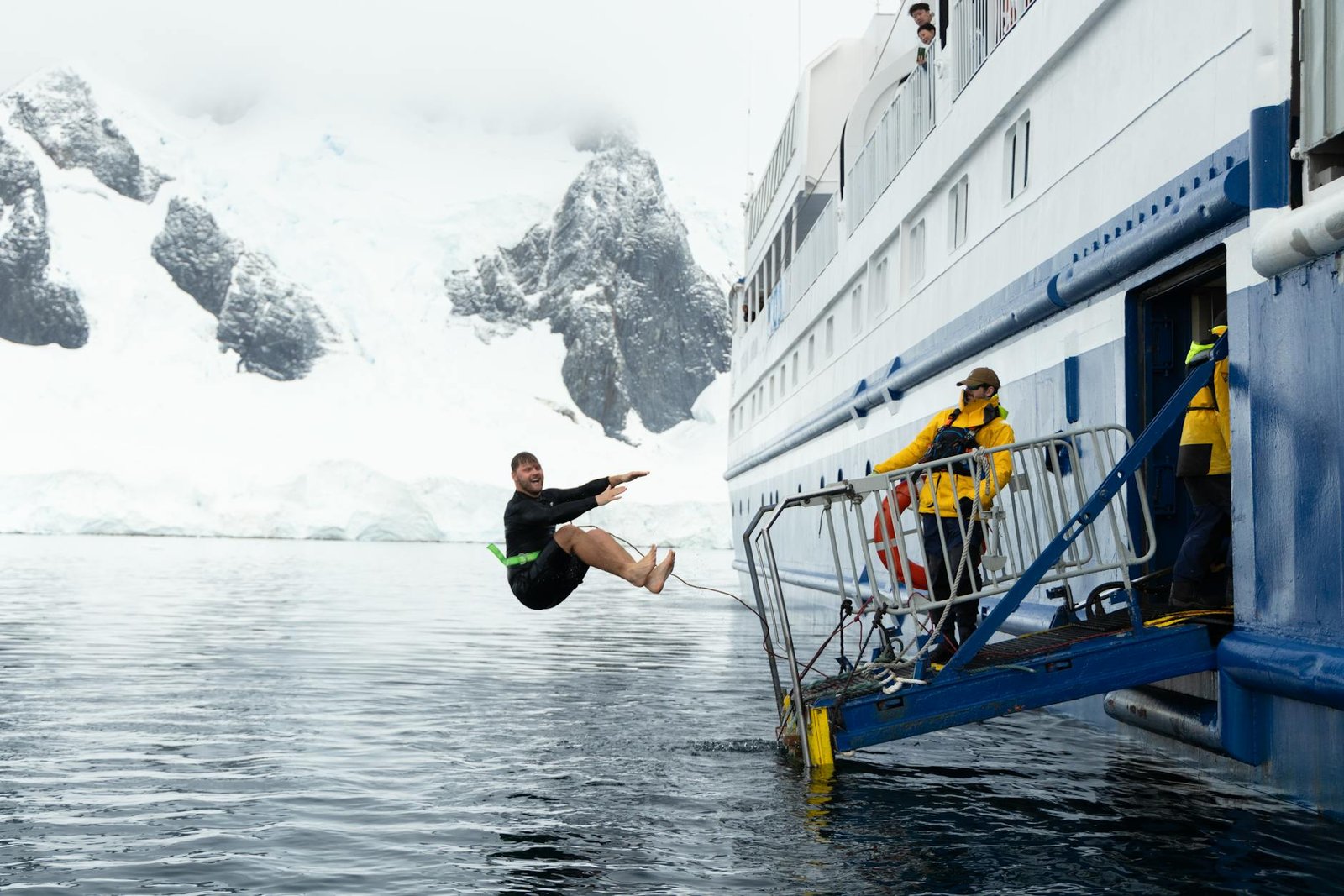
Quick Facts: Neko Harbour | Antarctica (Antarctic Peninsula) | No formal cruise terminal — Zodiac tender landing only | Tender/Zodiac (mandatory) | Remote wilderness site, no city center | UTC-3 (Antarctic Peninsula time, though your ship sets its own schedule)
Neko Harbour is one of the most dramatic and emotionally overwhelming places you will ever set foot on — a genuine continental Antarctica landing on the Antarctic Peninsula’s Andvord Bay, surrounded by calving glaciers, gentoo penguin colonies, and silence so total it feels alive. There is no port infrastructure here, no town, no taxi rank, and no tourist office: just ice, wildlife, and raw wilderness. The single most important planning tip is this: your time ashore is entirely controlled by your expedition team and Antarctic weather, so read every daily briefing carefully and be ready at your Zodiac muster station the moment your name is called.
—
Port & Terminal Information
- Terminal name: There is no cruise terminal at Neko Harbour. Landings are made via Zodiac inflatable boats operated by your expedition ship’s crew. [View the approximate landing area on Google Maps](https://www.google.com/maps/search/Neko+Harbour+cruise+terminal).
- Dock vs. tender: Zodiac-only landing, always. This is non-negotiable — no ship can dock here. Zodiac queues are typically managed in groups of 20–30 passengers, and transfers take 5–15 minutes each way depending on sea conditions and distance from shore.
- Terminal facilities: None. There are no ATMs, no luggage storage, no Wi-Fi, no tourist information desk, and no shuttle. The Argentine research station Destacamento Naval Neko is located here but is unstaffed for most of the year and not open to visitors.
- Distance to “city center”: There is no city center. The nearest permanent human settlement is Puerto Williams, Chile (approximately 900 km north), and the nearest full-service town most Antarctic cruisers pass through is Ushuaia, Argentina, which serves as the embarkation port for most Peninsula voyages.
- Pre/post-cruise logistics: If you’re planning days before or after your cruise, Ushuaia is where you’ll be spending them — factor in at least 1–2 buffer nights given the frequency of flight delays to and from this remote city.
—
Getting to the Site

Neko Harbour is accessible only as part of an organized Antarctic expedition cruise. There are no independent transportation options whatsoever. Here is how the logistics actually work:
- By Zodiac from your ship — This is your only option. Your expedition team will brief you on boarding procedures the evening before. Expect to wear your ship-provided rubber boots (or your own waterproof boots rated to at least -20°C), your issued life jacket, and full expedition gear. The Zodiac ride from ship to shore takes 5–15 minutes.
- On foot ashore — Once landed, you are free to walk designated routes marked by your guides. The terrain includes cobblestone beaches, snow slopes, and glacial moraines. A short but steep hike up the snowfield behind the penguin colony rewards you with a panoramic view of Andvord Bay — plan 30–45 minutes for this.
- Ship Shore Excursion vs. going alone — At Neko Harbour, every activity is a ship excursion. There is no “going alone.” Your expedition guides lead all Zodiac cruises and land visits. If your ship offers optional kayaking or camping in the Andvord Bay area, these are typically booked onboard before departure and fill up fast — reserve them the first evening at sea. You can also [browse Antarctic expedition add-ons on Viator](https://www.viator.com/search/Neko+Harbour) and [on GetYourGuide](https://www.getyourguide.com/s/?q=Neko+Harbour¤cy=USD&partner_id=MHU0UHU) before your voyage.
- Bus/Metro/Taxi/Hop-On Hop-Off/Rental Car: None of these exist here. Not even slightly.
—
Top Things to Do at Neko Harbour, Antarctica
Neko Harbour punches well above its weight for a site with no infrastructure whatsoever — in 2–4 hours ashore you can genuinely tick off wildlife encounters, glacier walks, and continental landmarks that people wait their entire lives to experience.
Must-See
1. Set Foot on the Antarctic Continent (free, included with your expedition) — Neko Harbour is one of a small number of Peninsula landing sites that sits on the actual continental landmass of Antarctica, rather than one of the offshore islands. The moment you step off the Zodiac onto the gravel beach, you are standing on the seventh continent. Your expedition leader will almost certainly mark this moment — some ships ring a bell, some pour a small celebratory drink, and some simply let the silence do the work. Allow yourself a full minute to just stand still. You’ve earned it. Check [guided Antarctic experiences on GetYourGuide](https://www.getyourguide.com/s/?q=Neko+Harbour¤cy=USD&partner_id=MHU0UHU) for pre-voyage tours that help you prepare for moments exactly like this.
2. Watch Glaciers Calve into Andvord Bay (free) — The glacier wall at the back of Neko Harbour is active and frequently calves — meaning chunks of ancient ice the size of buses split off and crash into the bay, sending waves rolling across the water and a sound like a cannon shot echoing off the mountains. Your guides will position you at a safe distance on the beach, but close enough that the spray and the rumble are completely visceral. Do not rush this. Stand at the water’s edge and wait. Allow 20–30 minutes just watching.
3. Snowfield Hike to the Glacier Viewpoint (free) — A guided snowfield walk climbs the slope behind the penguin colony to a natural viewing platform with a panoramic look down over Andvord Bay, the anchored ship, and the surrounding mountain walls. This is the single best photograph you will take in Antarctica. The walk takes 30–45 minutes return, is moderately steep on snow (trekking poles are useful and often supplied by your ship), and your guide will set a controlled pace. Do not leave the flagged route — the snowfield above conceals crevasses.
4. Gentoo Penguin Colony Observation (free) — A substantial gentoo penguin colony occupies the lower slopes and gravel beach at Neko Harbour. Under IAATO (International Association of Antarctica Tour Operators) rules, you must stay 5 metres from wildlife — but no one told the penguins, and they frequently waddle directly across your path on their commute between sea and nest. Chicks are present from December onward. Spend as long as your shore time allows watching colony behaviour: nest stealing, mating displays, and the extraordinary speed at which gentoos move underwater.
Beaches & Nature
5. Zodiac Cruise Through Growlers and Bergy Bits (included with most expedition packages, or bookable as an add-on) — Many ships offer a dedicated Zodiac cruise rather than — or in addition to — the land visit at Neko Harbour. You motor slowly through the bay among small icebergs (bergy bits) and flat growlers at water level, getting close enough to see the electric blue interior of ancient ice, the leopard seals sleeping on floes, and the occasional whale surfacing nearby. This is arguably more intimate than the land visit. Ask your expedition team at embarkation whether this is automatically included or bookable separately onboard. You can also check [Viator for Antarctic Zodiac cruise options](https://www.viator.com/search/Neko+Harbour) available as part of broader Peninsula packages.
6. Weddell Seal and Leopard Seal Spotting (free) — Both Weddell seals and leopard seals haul out on ice floes and the gravel beach at Neko Harbour. Weddells are rotund and completely unbothered by your presence; leopard seals are long, flat-headed, and carry a visible prehistoric menace that will make you very glad for the 5-metre rule. Your expedition naturalist will help you identify species and interpret behaviour. Allow time to crouch, watch, and photograph without rushing.
7. Birdwatching: Skuas, Kelp Gulls, and Antarctic Cormorants (free) — Beyond the penguins, the skies and rocks at Neko Harbour host south polar skuas (aerial pirates who steal penguin eggs with absolutely no shame), kelp gulls, and blue-eyed shags nesting on cliff ledges. If your ship’s naturalist offers a bird identification briefing the evening before your landing, attend it — it makes the morning ashore dramatically richer.
8. Photography in the Blue Hour Light (free) — Antarctic light is unlike anywhere else on earth. In the austral summer (November–March), you can have landings in the late evening under a sky that refuses to go fully dark, casting pink and gold light across glacier faces and still water. If your expedition schedule allows for an evening Zodiac cruise at Neko Harbour rather than a midday one, take it without hesitation. The photographic conditions are extraordinary. Plan at least 1 hour just for considered photography.
Day Trips
9. Andvord Bay Exploration by Zodiac (included or add-on onboard) — The broader Andvord Bay surrounding Neko Harbour is one of the most glacially active and wildlife-dense bodies of water on the Antarctic Peninsula. Some expedition ships spend a full day working the bay rather than just stopping at Neko Harbour, including visits to the calving glacier face from the water, extended wildlife searches, and possible humpback whale encounters. If your itinerary lists “Andvord Bay” as a full afternoon, treat it as a gift and bring extra camera batteries.
10. Paradise Bay (same day) (free, ship-scheduled) — Many Peninsula itineraries pair Neko Harbour with a nearby landing or Zodiac cruise at Paradise Bay, just north in the Bismarck Strait. If your ship is doing both in one day — which is common — you’ll have an extraordinary back-to-back of two of the Peninsula’s most iconic sites. Paradise Bay adds the ruined Argentine Almirante Brown station, fur seals, and a different glacier profile. Allow a full additional 2–3 hours for this stop.
Family Picks
11. Penguin Highway Watching with Kids (free) — Children are often more patient penguin-watchers than adults, and the “penguin highways” — worn tracks in the snow where generations of gentoos have walked the same path between sea and colony — are endlessly fascinating for young travellers. Ask your expedition guide to explain the highway phenomenon directly to your kids: they will remember it for the rest of their lives. Recommended for children 8 and older (Zodiac boarding requires reasonable agility and cooperation with safety instructions).
12. Junior Naturalist Programmes Onboard (varies by ship, typically free or small fee) — Most expedition vessels running Antarctic itineraries offer structured junior naturalist programmes that parallel the adult lecture series. These include penguin identification cards, wildlife journals, and hands-on activities led by onboard educators. The programmes often culminate in a special briefing before the Neko Harbour landing. Check your specific ship’s programming before departure — [GetYourGuide](https://www.getyourguide.com/s/?q=Neko+Harbour¤cy=USD&partner_id=MHU0UHU) can also help you find family-specific Antarctic expedition operators.
Off the Beaten Track
13. Snow Camping Overnight on the Antarctic Peninsula (from approximately USD 200–350 per person add-on, ship-dependent) — Some expedition operators — notably Hurtigruten, Quark Expeditions, and Ponant — offer the option of sleeping overnight on the Antarctic continent in bivouac sleeping bags on the snow. This may not happen at Neko Harbour specifically but often occurs in the same bay system. If your operator offers this, it sells out immediately and must be booked at embarkation or before departure. It is cold (expect -10°C to -20°C overnight), profoundly quiet, and something you will describe to people for the rest of your life.
14. Sea Kayaking in Andvord Bay (from approximately USD 100–200 per person per session, onboard add-on) — A small number of expedition ships carry sea kayaks and offer guided paddle sessions in the glassy waters of Andvord Bay adjacent to Neko Harbour. You paddle among bergy bits, past seal-draped floes, and under glacier walls. Kayaking experience is helpful but not required — your guides brief you thoroughly onboard. This books out at or before embarkation on every voyage that offers it. Do not wait.
—
What to Eat & Drink

There are no restaurants, cafes, bars, street food stalls, or grocery stores at Neko Harbour or anywhere in the surrounding area — you are in one of the most remote and protected wilderness environments on the planet. All food and drink is provided onboard your expedition ship, and the quality varies significantly by operator (luxury lines like Silversea and Seabourn serve restaurant-calibre meals; mid-range expedition ships are hearty and excellent; budget operators are functional).
- Hot drinks on deck — Most expedition ships have crew circulating with thermoses of hot chocolate, soup, and coffee during Zodiac operations and on the open decks while you watch wildlife. Accept every cup. The cold will surprise you even in summer.
- Pre-landing breakfast — Landings at Neko Harbour often happen in the early morning. Eat a full breakfast onboard before boarding Zodiacs — there is nowhere to eat ashore and you will be on your feet for 2–4 hours in cold air.
- Ship dining rooms — Lunch after your landing is a social event on every Antarctic ship. This is where you’ll compare photographs, share wildlife sightings, and debrief with your expedition guides. Sit at different tables each meal — the conversations are half the experience.
- Ushuaia dining pre/post cruise — If you have time in Ushuaia before or after your voyage, eat king crab (centolla) at La Cantina Fueguina de Freddy (Av. San Martín 618) — around ARS 4,500–6,000 (approximately USD 12–16 at current rates) for a full centolla — and a pint of local Beagle craft beer at the brewpub of the same name on San Martín. Lamb (cordero fueguino) slow-roasted on a cross is the other Patagonian signature you should not miss.
- Celebratory whisky on the rocks — An Antarctic tradition: your expedition team will offer whisky (or non-alcoholic alternatives) poured over a piece of glacial ice chipped from a floating bergy bit. The ice is thousands of years old. It chills your drink with audible crackles as ancient air bubbles escape. Drink it slowly.
—
Shopping
There is nothing to buy at Neko Harbour — no market stalls, no souvenir vendors, no gift shops, and no local artisans. IAATO regulations prohibit any commercial activity in protected landing sites, and rightly so. Your only shopping opportunities are onboard your ship (expedition gear, branded merchandise, Antarctic books, and photography equipment) and in Ushuaia before or after your voyage.
In Ushuaia, the main shopping strip on Avenida San Martín carries reasonable Antarctic and Patagonian souvenirs: woollen goods, mate sets, Tierra del Fuego artisanal chocolate, local gin (Beagle Distillery makes an excellent one), and leatherwork. The Paseo de los Artesanos craft market near the waterfront has higher-quality handmade items. Skip the mass-produced penguin figurines imported from China and focus instead on locally made woollen items, the locally published coffee-table Antarctic photography books (several excellent ones are printed in Argentina), and a good quality insulated thermos you’ll actually use for the rest of your life.
—
How to Plan Your Day
At Neko Harbour, you have no control over your start time, your end time, or whether weather permits a landing at all. Your expedition team will publish a daily programme the evening before, typically slid under your cabin door or announced via the ship’s PA system. That said, here is how to think about different shore time windows:
- 2–3 hours ashore (typical Zodiac landing): Land on the beach → observe the gentoo penguin colony up close → walk the Penguin Highway toward the glacier base → attempt the snowfield viewpoint hike (30–45 min return) → return to the water’s edge and watch for glacier calving → re-board Zodiacs. This is the core Neko Harbour experience and it is extraordinary even in 2 hours. Photograph constantly but also put the camera down for 5 minutes and just absorb it.
- 4–5 hours (landing plus Zodiac cruise): Complete the land visit above → re-board Zodiacs for a 45–60 minute slow Zodiac cruise through the bay among icebergs → scan floes for leopard
🎟️ Things to Book in Advance
These highly-rated experiences fill up fast — book before you arrive to avoid missing out.


This page contains affiliate links. If you book through them, we may earn a small commission at no extra cost to you.
📍 Getting to Neko Harbour, Antarctica
Use the interactive map below to explore the port area and plan your route from the terminal.
Leave a Reply