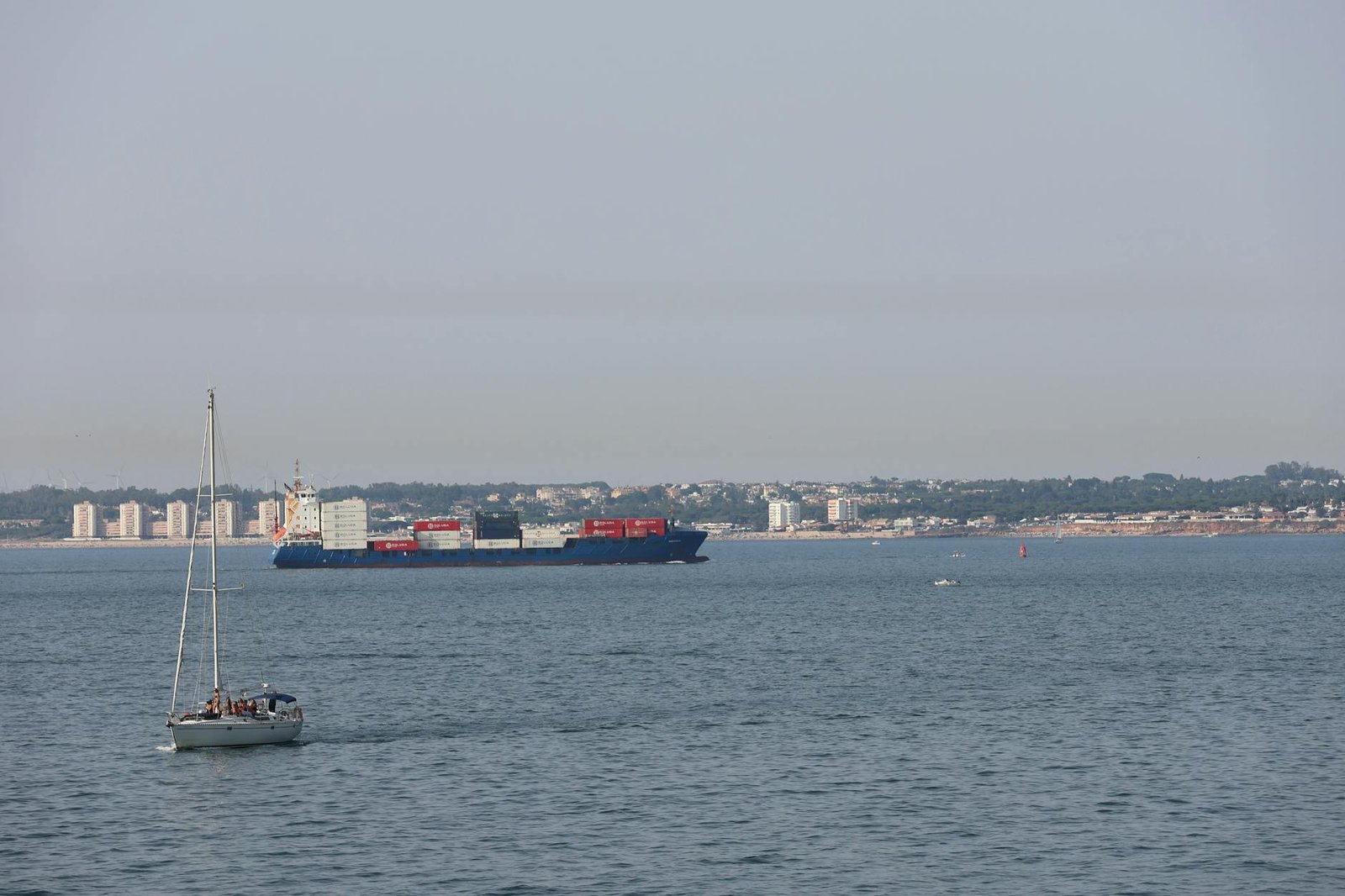
Ceuta is a Spanish city sitting on African soil — a geopolitical curiosity that delivers two continents, centuries of history, and genuine culture shock in a single port call. It’s compact, walkable, and almost entirely overlooked by mainstream tourism. That’s exactly why it’s worth your full attention.
Arriving by Ship
Ceuta’s commercial port is modern and well-equipped, and most cruise ships dock directly at the quay rather than tendering — a welcome convenience. The town centre is just a short walk or a quick taxi ride from the terminal, so you won’t waste precious hours in transit.
The port sits on the western edge of the peninsula, with the dramatic Monte Hacho rising behind you as you disembark. It’s a compact destination, which means you can genuinely see the highlights on foot in a day.
Things to Do

Ceuta punches well above its weight for a city of 85,000 people. You’ll find Roman ruins, Moorish fortifications, Spanish colonial architecture, and African street life layered on top of each other within a few square kilometres.
History & Culture
- Royal Walls of Ceuta (Murallas Reales) — A stunning complex of moats, drawbridges, and Renaissance-era fortifications; entry is free and the grounds are open daily from 9am–9pm.
- Cathedral of Our Lady of the Assumption — Built on the site of a former mosque, this baroque church in the Plaza de África is free to enter and takes about 30 minutes to explore.
- Ceuta City Museum (Museo de Ceuta) — Traces the city’s layered past from Phoenician traders to Spanish rule; entry costs around €3 and it’s closed on Mondays.
- Plaza de África — The beating civic heart of the city, flanked by two striking churches and buzzing with local life at any hour of the day.
Nature & Views
- Monte Hacho — Drive or taxi up to the fortress-topped hill for panoramic views across the Strait of Gibraltar to Spain on one side and Morocco on the other; the viewpoint is free.
- Parque Marítimo del Mediterráneo — A waterfront leisure complex designed by César Manrique, with sculpted pools, a lagoon, and café terraces; day entry costs around €5.
Day Trips
- Chefchaouen, Morocco — If your ship schedule allows, the famous “Blue City” is roughly 90 minutes away by road and one of the most photogenic places in North Africa. 🎟 Book: Walking Tour of Chefchaouen, the "Blue City" of Morocco – Full Day Tour
- Tetouan, Morocco — A UNESCO-listed medina town just 40 minutes from Ceuta by grand taxi makes for a fast, fascinating half-day excursion across the border.
What to Eat
Ceuta’s food scene is a genuine fusion — Spanish tapas culture collides with Moroccan spice and freshly caught Mediterranean seafood. Eating here is cheap, good, and often memorable.
- Pescaíto frito — Deep-fried fish and shellfish, a southern Spanish staple done exceptionally well at any of the terrace bars near Calle Camoens; expect to pay €6–9 for a generous plate.
- Harira soup — A rich Moroccan chickpea and tomato broth, sold at informal eateries in the market district for around €2–3 a bowl.
- Bocadillo de calamares — A squid roll served with lemon and aioli, found at most tapas bars in the old town for €3–5.
- Pastela — A flaky Moroccan pastry filled with pigeon or chicken and dusted with cinnamon sugar; look for it at Moroccan-run bakeries near the central market for €2–4.
- Fresh oysters — Available at the fish market (Mercado Central) on weekday mornings; a dozen costs around €8–12 and vendors will shuck them on the spot.
- Café con leche and churros — Start your morning at any of the traditional Spanish cafés near Plaza de África; a full breakfast rarely exceeds €4.
Shopping

The central market area is where Ceuta earns its reputation as a duty-free haven — electronics, perfumes, and alcohol are all significantly cheaper here than in mainland Spain or Morocco. It’s a shopper’s scramble, lively and slightly chaotic, but worth a wander even if you buy nothing.
For something more meaningful, look for handmade Moroccan leather goods, silver jewellery, and woven textiles sold by vendors near the border zone. Avoid counterfeit goods and be prepared to negotiate — fixed prices are the exception, not the rule.
Practical Tips
- Currency — Ceuta uses the Euro (€); Moroccan Dirhams are not accepted in the city itself.
- Tipping — Round up bills at restaurants and tip taxi drivers €1–2; it’s appreciated but not obligatory.
- Transport — The city is easily walkable, but taxis are plentiful and cheap — a cross-city ride rarely exceeds €6.
- Safety — Ceuta is generally very safe; take normal precautions near the border area where it gets crowded and fast-moving.
- Dress code — No restrictions in Ceuta itself, but cover shoulders and knees if you’re crossing into Morocco out of respect.
- Best time ashore — Get off the ship early; the market and old town are most vibrant before noon.
- How long you need — Four to five hours covers the city comfortably; a full day opens up Morocco day-trip options. 🎟 Book: Walking Tour of Chefchaouen, the "Blue City" of Morocco – Full Day Tour
Go ashore curious, bring an appetite for both cultures, and let Ceuta surprise you — because it absolutely will.
🎟️ Things to Book in Advance
These highly-rated experiences fill up fast — book before you arrive to avoid missing out.


This page contains affiliate links. If you book through them, we may earn a small commission at no extra cost to you.
📍 Getting to Ceuta, Spanish Morocco
Use the interactive map below to explore the port area and plan your route from the terminal.
Leave a Reply