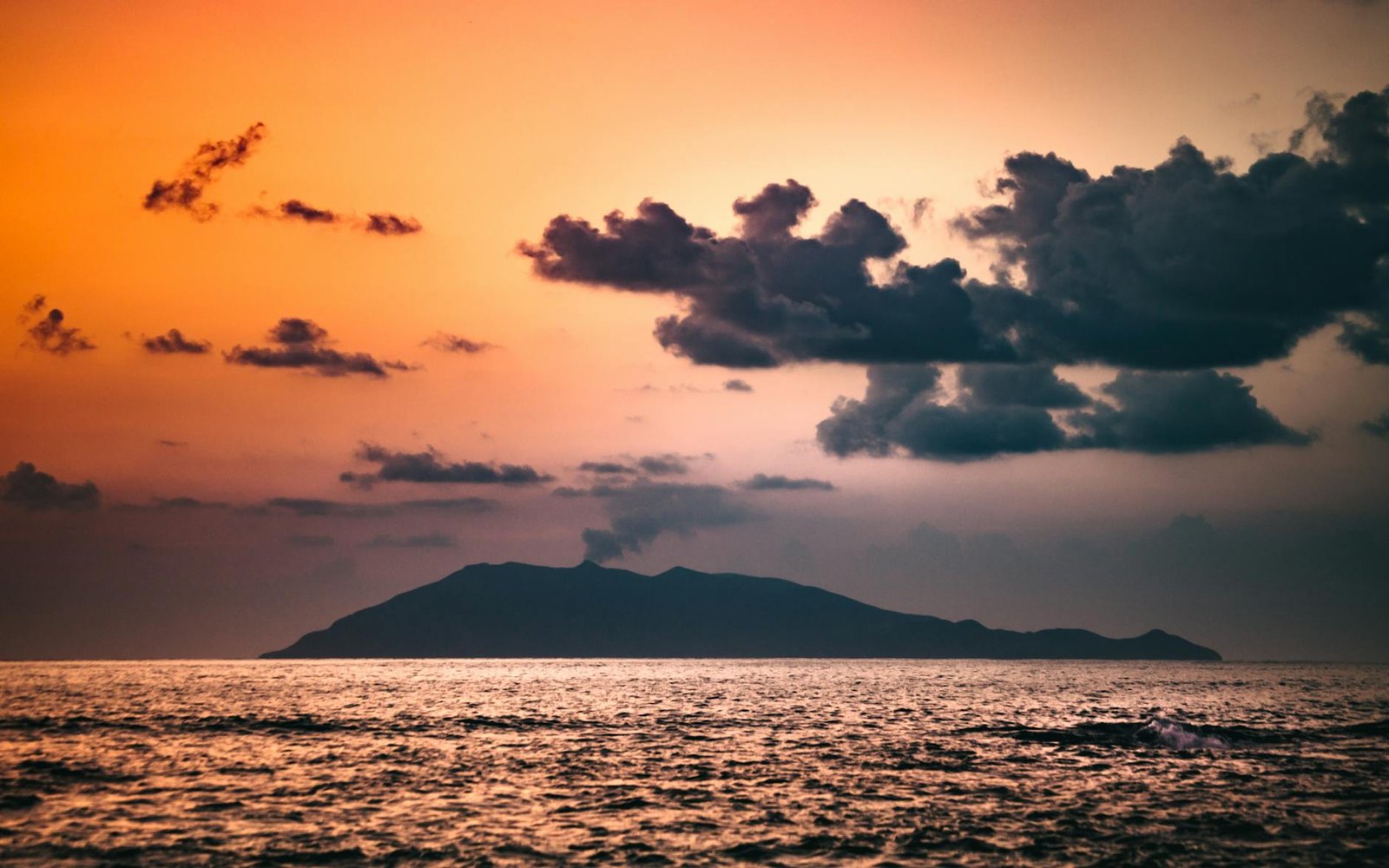
Yakushima is not your average port of call — this small island off the southern tip of Kyushu is a UNESCO World Heritage Site draped in primeval rainforest, mist, and myth. It inspired the landscapes of Studio Ghibli’s Princess Mononoke, and the moment you step ashore, you’ll understand why. Come prepared to get muddy, get humbled, and eat extremely well.
—
Arriving by Ship
Cruise ships typically dock or tender at Miyanoura Port on the island’s northwest coast, with Anbo Port on the east side serving as an alternative depending on your vessel’s size and the day’s conditions. Miyanoura is the island’s main hub, so you’re within easy walking distance of restaurants, shops, and bus connections to the trailheads.
The port area is small but well-organised, and staff are genuinely helpful even if English is limited. Tenders operate smoothly when seas cooperate, but the island’s weather is famously unpredictable — Yakushima receives more rainfall than almost anywhere else in Japan, so assume it will rain and pack accordingly.
—
Things to Do

Yakushima rewards those who go deep — literally. Whether you’re lacing up hiking boots for the ancient cedar forests or simply sitting beside a waterfall with a cup of local tea, the island delivers experiences you won’t find anywhere else in Japan.
Nature & Hiking
- Jomon Sugi cedar trek — Hike 10 hours return to see Japan’s oldest and most famous tree, estimated to be between 2,170 and 7,200 years old; start before 5am to beat the crowds.
- Shiratani Unsuikyo Ravine — A shorter, magical forest walk (2–4 hours) through moss-covered rocks and ancient cedars that directly inspired Princess Mononoke; entry is ¥500.
- Yakusugi Land — A family-friendly forest park with loop trails from 30 minutes to 2.5 hours, showcasing cedar trees over 1,000 years old; entry ¥600.
- Oko no Taki Waterfall — One of Japan’s top 100 waterfalls at 88 metres tall; it’s a short walk from the road and completely free to visit.
Wildlife & Coast
- Sea turtle watching — Between May and July, loggerhead and green turtles nest on Inakahama Beach; guided night tours run approximately ¥3,000–¥5,000 per person.
- Yakushima Wildlife Centre (Umigame-kan) — Learn about the island’s endemic fauna, including the tiny Yakushima macaque and deer; free entry, open daily.
- Snorkelling at Kurio — Crystal-clear waters on the south coast offer coral and tropical fish; rent gear from local operators for around ¥1,500.
Day Trips
- If you’re arriving independently rather than by cruise, the high-speed jetfoil from Kagoshima makes Yakushima reachable as a day trip — fast, scenic, and well worth booking in advance. 🎟 Book: Day Trip to Yakushima by High Speed Jetfoil Toppy from Kagoshima
—
What to Eat
Yakushima’s food is as distinctive as its forests — fresh flying fish, local venison, and vegetables grown in volcanic soil give the island a flavour profile entirely its own. Don’t leave without trying at least one bowl of something deeply warming.
- Tobiuo (flying fish) sashimi — The island’s signature ingredient, served fresh at restaurants like Shiosai near Miyanoura Port; expect to pay ¥1,500–¥2,500 for a set meal.
- Shika (deer) curry — Local Yakushima deer meat slow-cooked into a rich curry, available at several guesthouses and the restaurant Yakushima Kankoukan; around ¥1,200 a bowl.
- Yakusugi cedar tea (sugi-cha) — A woody, earthy herbal tea made from cedar leaves, sold in cafes and gift shops; try it hot at small teahouses near the ravines for ¥300–¥500.
- Passion fruit soft-serve — A sweet tropical surprise unique to the island’s farm stands and rest stops; typically ¥350–¥500.
- Tobiuo ramen — Flying fish broth ramen served at Mensho Tobimaru in Miyanoura; rich, clear, and utterly satisfying for around ¥900.
- Yakushima honey — Wildflower honey from the island’s unspoiled forest is intensely floral; sample it drizzled over local tofu or stirred into tea.
—
Shopping

Miyanoura has a compact shopping strip near the port where you can pick up Yakusugi cedar woodcrafts — small chopstick rests, pendants, and bowls made from sustainably harvested cedar are the island’s most meaningful souvenir. Prices start around ¥800 for small items, with larger pieces reaching several thousand yen.
Skip the generic Japanese tourist trinkets and focus on cedar goods, local honey, and packets of the distinctive sugi-cha tea — lightweight, unique, and genuinely produced here. The island’s antenna shops and the Yakushima Environmental Cultural Village Centre gift shop near Miyanoura are your best bets for quality.
—
Practical Tips
- Currency — Japan is still largely cash-based; withdraw yen from the 7-Eleven ATM near Miyanoura before heading into the forests.
- Tipping — Don’t tip anywhere in Japan; it can cause genuine embarrassment.
- Transport — Rent a car (book ahead — supply is limited) or use the island’s bus network, which connects the main ports and trailheads; a day pass costs ¥2,000.
- Weather — Pack a waterproof jacket and a dry bag even on sunny forecasts — the interior receives rain almost every day of the year.
- Time ashore — You need a full day minimum; the Jomon Sugi hike alone takes 10 hours, so prioritise Shiratani if time is tight.
- Dress code — No strict dress codes, but wear proper hiking shoes on any forest trail; flip-flops will cause serious problems.
- Go ashore early — Trails fill quickly with tour groups after 8am; early risers get the ethereal mist and the silence all to themselves.
Yakushima will stretch your legs, reset your perspective, and leave you with cedar-scented memories that no other port on earth can replicate — go in ready for everything.
🎟️ Things to Book in Advance
These highly-rated experiences fill up fast — book before you arrive to avoid missing out.

This page contains affiliate links. If you book through them, we may earn a small commission at no extra cost to you.
📍 Getting to Yakushima Island Japan, Miyanoura-Anbo, Satsunan-Osumi Islands Kagoshima
Use the interactive map below to explore the port area and plan your route from the terminal.
Leave a Reply