Few places on Earth feel as genuinely off-the-beaten-path as the Marshall Islands, a scattered chain of 29 atolls rising barely above the Pacific Ocean’s surface. Arriving here by cruise ship is one of travel’s great privileges — a chance to step into a world where traditional Micronesian culture remains vibrant, the lagoons glow an impossible shade of turquoise, and the pace of life moves entirely on its own terms.
Arriving by Ship
Most cruise ships calling at the Marshall Islands anchor at Majuro Atoll, the capital, where the main port sits along a narrow strip of land sandwiched between the lagoon and the open ocean. Tendering is common, so expect a short boat ride to reach the dock at Uliga. The process is relaxed and unhurried — a fitting introduction to island time. The capital isn’t large, and you can walk between most key attractions from the waterfront without needing transport. If your ship is calling at Kwajalein or Jaluit, the experience becomes even more intimate, with smaller communities and fewer tourist crowds. Whichever atoll you visit, the arrival itself — watching these razor-thin green ribbons of land emerge from the endless blue — is a moment you won’t quickly forget.
Things to Do

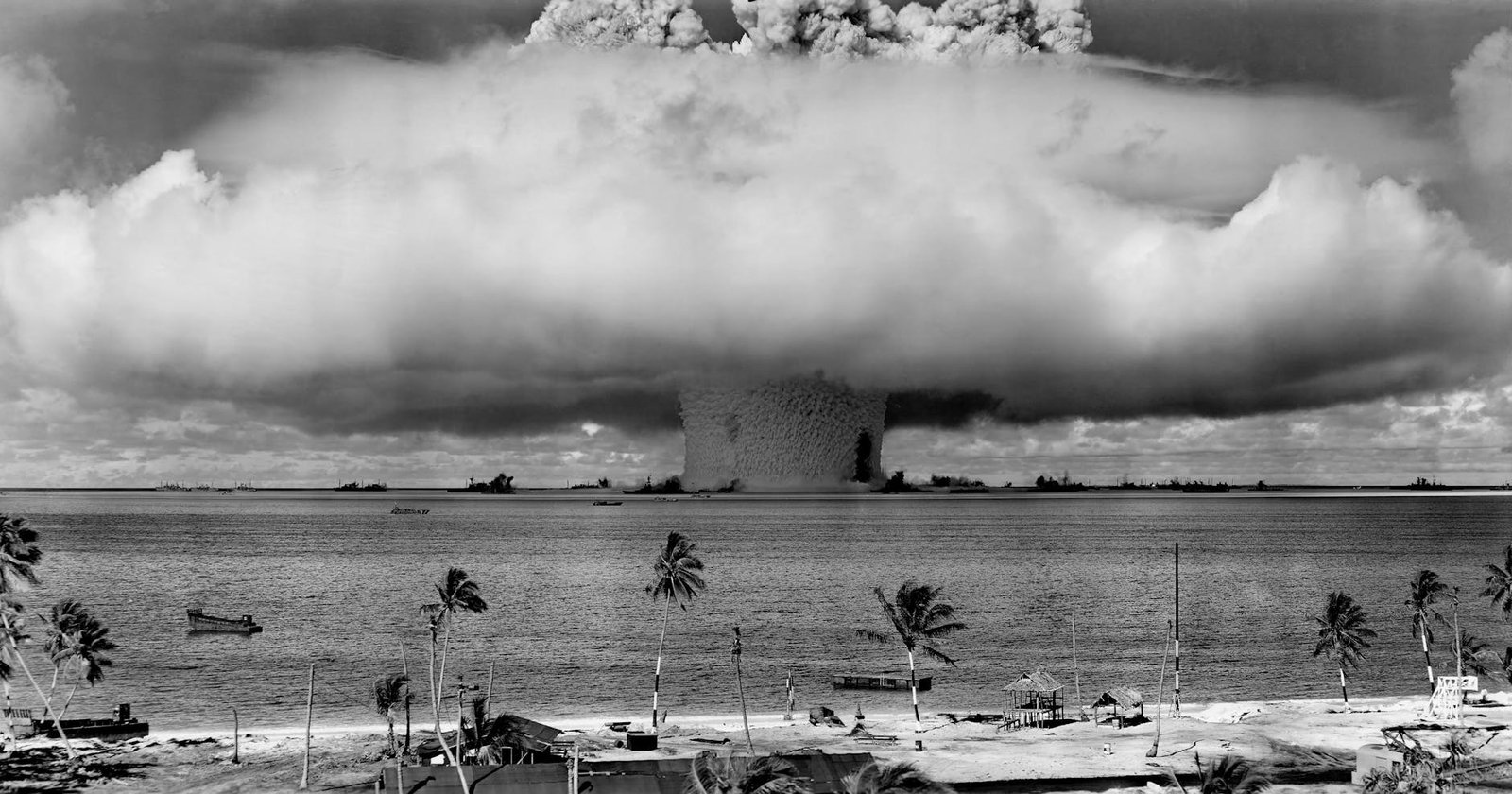
Majuro punches well above its size when it comes to meaningful experiences. Start at the Alele Museum and Public Library, the island’s cultural heart, which houses outrigger canoes, traditional woven crafts, and photographic records of life before and after the nuclear testing era that scarred these islands in the mid-20th century. That history is impossible to separate from the Marshall Islands’ identity, and the museum handles it with dignity and honesty.
If history draws you deeper, the Marshallese stickcharts — navigational tools made from coconut frond midribs and shells — are among the most ingenious objects in Pacific exploration history. Ask locally about seeing or even trying your hand at the craft.
For those who want to get into the water, the lagoon delivers spectacularly. Snorkelling and diving around Majuro reveal coral gardens, WWII shipwrecks, and reef sharks patrolling the drop-offs. The water clarity is exceptional, and the marine life density will impress even seasoned divers.
Walap (traditional canoe sailing) demonstrations occasionally run near the waterfront — if you spot one happening, stop and watch. The Marshallese were among the Pacific’s greatest navigators, and seeing these vessels in action makes that history tangible.
Local Food
Marshallese cuisine is honest and rooted in what the ocean and land provide. Breadfruit appears in multiple forms — baked, fermented into a paste called ma, or cooked into a dense pudding. It’s filling, slightly nutty, and entirely local. Coconut crab, when in season and legally available, is a prized delicacy worth seeking out if you’re invited to a local meal.
The influence of American military presence means you’ll also find rice, canned goods, and fast food in Majuro’s shops and small restaurants. For something more authentic, follow locals to small food stalls selling fish and rice dishes, often seasoned simply with lime and chilli. Tuna is king here — grilled, raw, or smoked — and the quality is exceptional given the proximity to rich fishing grounds.
Fresh coconut is available everywhere and makes the perfect cold drink after walking in the equatorial heat. Don’t overthink the food scene; simplicity is its charm.
Shopping

The Marshall Islands isn’t a shopping destination in the conventional sense, but what you can find here is genuinely special. Woven handicrafts made from pandanus leaves and coconut fronds — baskets, mats, fans, and jewellery — are the standout purchases. Women’s weaving cooperatives operate in Majuro and sell directly, meaning your money goes straight to the artisan.
Look out for stickcharts sold as decorative pieces; they make striking wall art and carry real cultural weight. Shell jewellery and hand-painted fabrics are also available at the small market near the downtown area. Avoid anything made from protected marine species — hawksbill turtle products occasionally appear and should be left alone.
Prices are fair and bargaining isn’t really part of the culture here, so approach shopping with respect rather than haggling energy.
Practical Tips
The Marshall Islands operates on US dollars, making transactions straightforward for American travellers and easy for everyone else. ATMs exist in Majuro but can be unreliable — bring enough cash from the ship. The heat is relentless year-round, hovering around 30°C (86°F), so light clothing, reef-safe sunscreen, and a refillable water bottle are non-negotiable.
Internet connectivity is limited and often slow. Embrace the disconnection rather than fighting it. Taxis operate on a shared basis in Majuro and are cheap; just flag one down and name your destination. Most locals speak English alongside Marshallese, so communication is rarely a problem.
Dress modestly when venturing away from the waterfront — shoulders and knees covered is appreciated in communities and government buildings. Finally, the islands sit in the typhoon belt, so if you’re sailing here between November and April, keep an eye on weather forecasts.
The Marshall Islands rewards the curious and the patient. This isn’t a port for checking boxes — it’s a port for slowing down, listening to the ocean, and understanding a corner of the Pacific that has survived extraordinary hardship with its culture and warmth remarkably intact.
🎟️ Things to Book in Advance
These highly-rated experiences fill up fast — book before you arrive to avoid missing out.


This page contains affiliate links. If you book through them, we may earn a small commission at no extra cost to you.
Leave a Reply